


Victorian Art Picture
A victorian art picture captures nineteenth-century taste through original oils, delicate watercolours, and textured textile works.
Victorian Art Picture
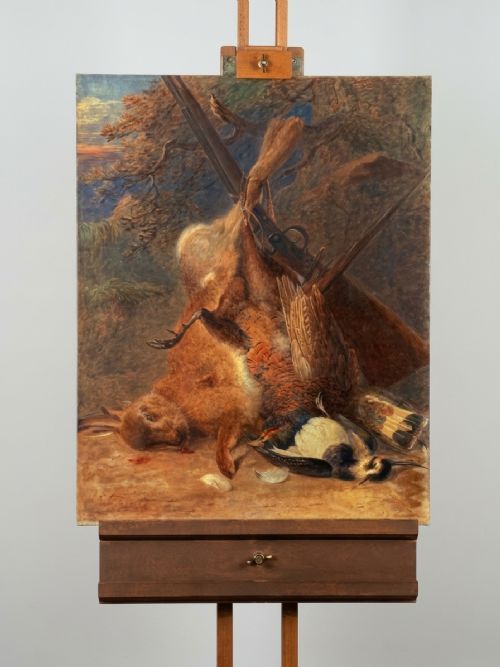
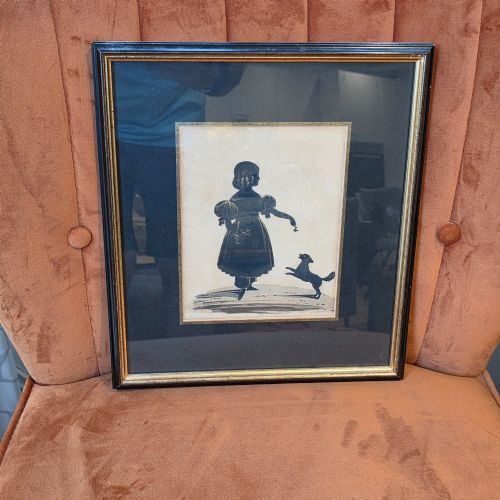
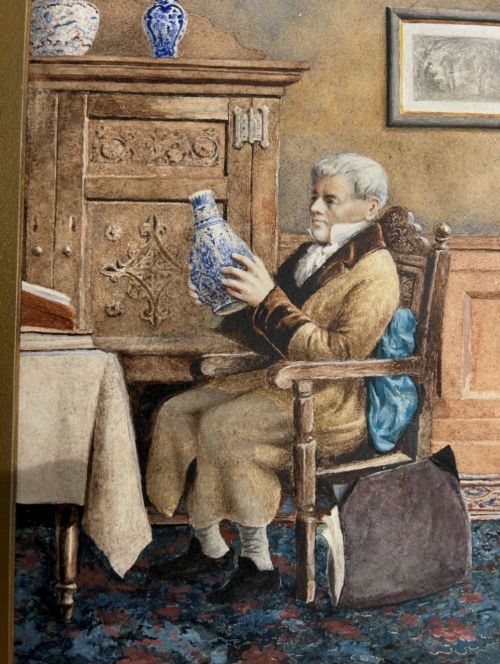
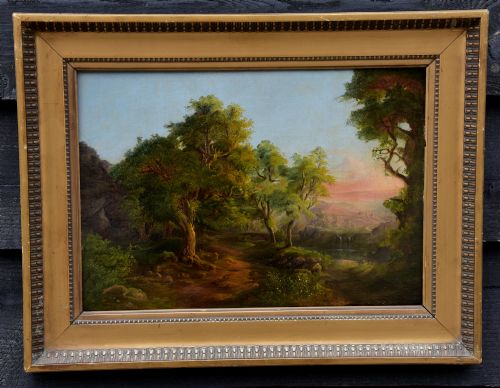
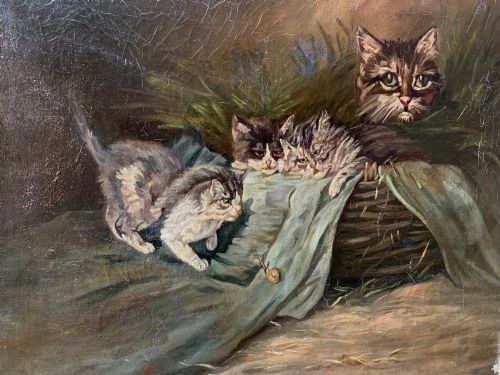
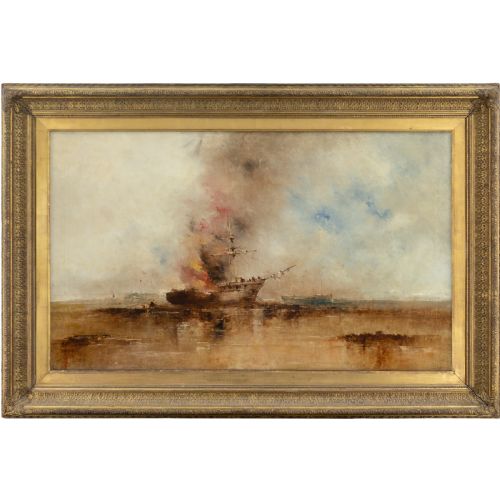
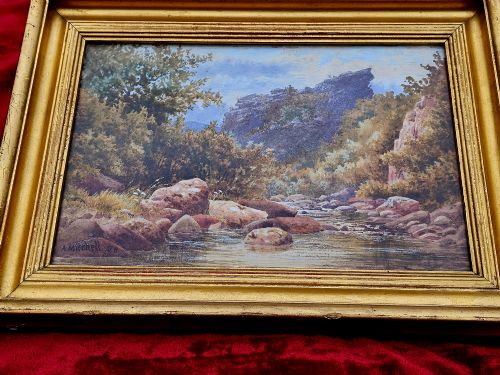
A victorian art picture encompasses a diverse range of visual media produced primarily during the nineteenth century, including landscapes, portraits, and still lifes. These works record the changing artistic styles and domestic interests of the period, spanning academic painting and popular folk art.
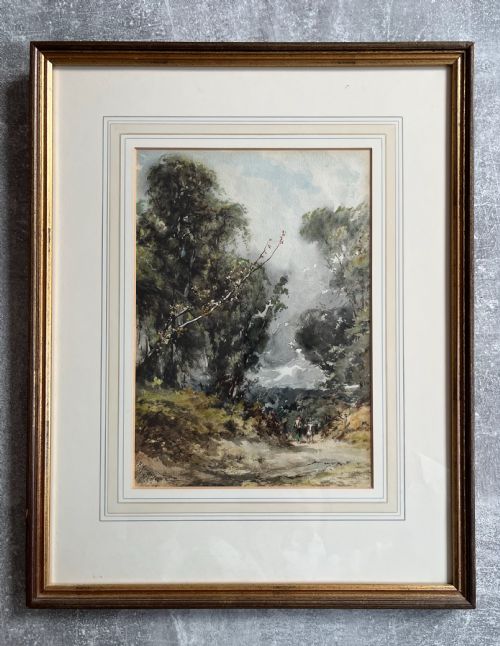
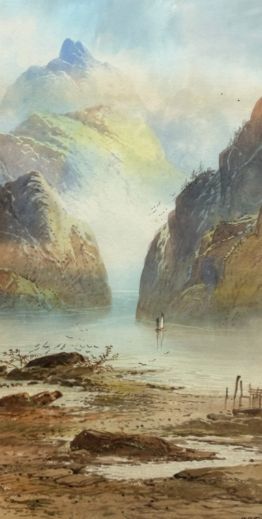
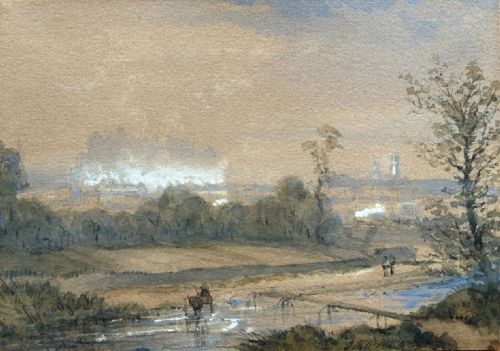
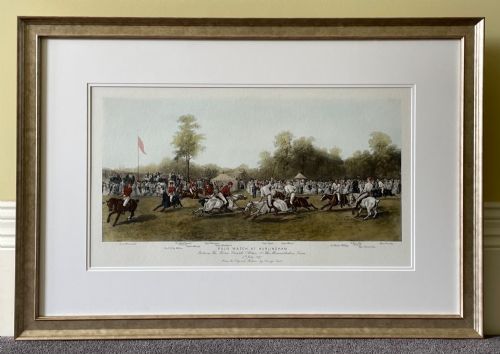
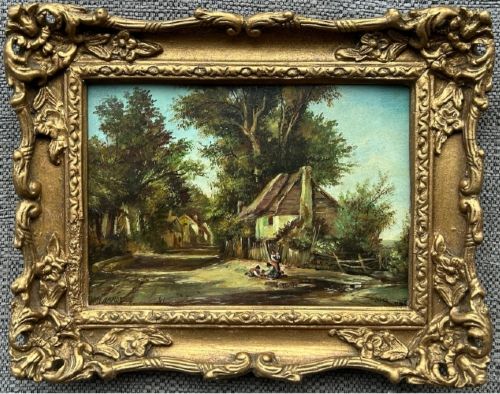
Buyers searching for a victorian art picture frequently encounter framed watercolours and oil paintings on canvas or panel. Many surviving examples showcase British landscape scenes, botanical studies, and narrative genre pieces housed in period gilt wood frames.
Materials and technique
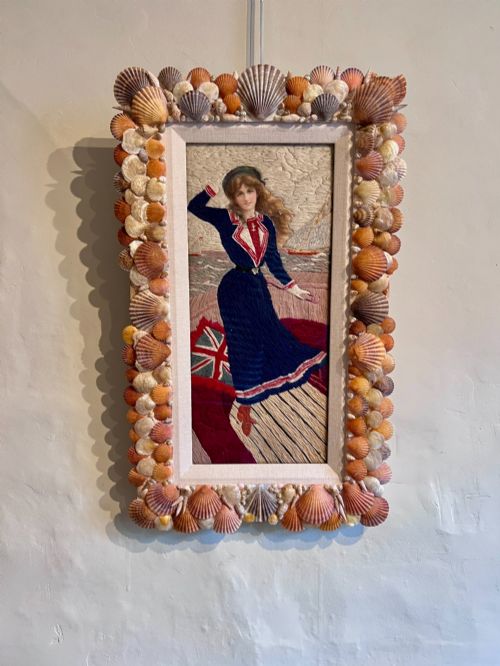
Painters of this era utilised oil paint on canvas and board, alongside bodycolour and watercolour on paper, often applying layers to achieve depth and luminosity. Textile works incorporated wool, silk, and plushwork threads stitched onto supportive grounds to build tactile surface relief.
Frames utilised timber such as oak, ebonised wood, and burr maple, ornamented with cast gilt metal or gold leaf applied over composition mouldings. These surrounds formed an integral component of the finished artwork.
Listings feature works spanning the nineteenth century into the Edwardian era, incorporating paper, canvas, glass, and gilt wood.
Quality and execution
Superior examples demonstrate confident handling of medium, anatomical accuracy in figures, and balanced composition, whether in an intricate landscape or a detailed portrait. Strong works typically retain their original pigments and sit within contemporary frames suited to their period.
Lesser items display stiff draughtsmanship, muddy colour blending, or unsympathetic later framing that detracts from the integrity of the image. The distinction lies in the artist's ability to capture light, texture, and atmosphere convincingly.
William James Hubard·George Sydney Shepherd·George Fotherly Hargitt·William Henry Earp·Oliver Clare·Herbert Dicksee
The Victorian Art Picture Glossary
- Watercolour
- A painting method where fine pigment is suspended in water-soluble binders and applied to paper. It creates transparent washes of delicate colour.
- Oil painting
- A technique involving pigments bound in drying oils, traditionally applied to canvas or wood panels. This medium allows for rich colour saturation and textured brushwork.
- Lithograph
- A print produced from a flat stone or metal plate treated to retain ink in designated image areas. It enabled the mass production of accessible imagery.
- Gilt wood
- Timber treated with a thin layer of gold leaf or metallic powder. It provides a reflective, ornate border for framed works.
Victorian Art Picture: Frequently Asked Questions
How do I hang a heavy oil painting safely?
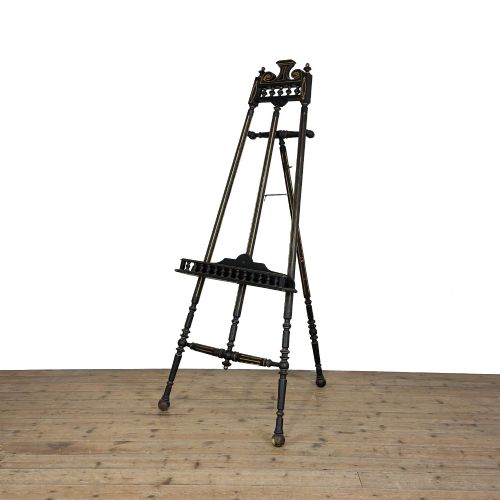
Heavy framed oil paintings require robust picture hooks secured directly into wall studs or fitted with appropriate masonry fixings. Using strong picture wire attached to sturdy brass D-rings ensures the weight distributes evenly across the frame.
Position the piece at eye level to replicate gallery display standards and protect the canvas from direct sunlight or heat sources. Regular checks of the cord and wall fixtures maintain long-term security.
What is a woolie picture?
A woolie picture, or silk work, is a form of folk art created by sailors and craftspeople using dyed wool and silk threads. These textile pieces frequently depict maritime scenes, sailing ships, or portraits of individuals.
Stitched onto canvas grounds, they offer a tactile alternative to traditional paintings and reflect nineteenth-century domestic hobbies. Preserving them behind glass protects the delicate fibres from dust and moisture.
How do I identify a period frame?
Period frames usually feature hand-carved wooden mouldings, gesso ornaments, and genuine gold leaf gilding that shows subtle signs of age. Examining the corners and the backboards helps determine whether the frame is original to the artwork.
Later replacements often utilise modern synthetic materials or machine-extruded mouldings lacking the depth of nineteenth-century craftsmanship. Matching the style of the frame to the date of the picture enhances historical authenticity.
Can watercolours fade in sunlight?
Watercolour pigments are sensitive to ultraviolet light and can fade significantly if exposed to direct, prolonged sunlight. Displaying these works away from bright windows preserves the intensity of the original hues.
Using museum-grade UV-filtering glass during framing provides an extra layer of defence against environmental degradation. Gentle ambient lighting is ideal for domestic display.