
Victorian Art Furniture
Victorian art furniture brings together the hand-worked honesty of the Arts and Crafts movement and the stylistic experiments of late nineteenth-century designers.
Victorian Art Furniture
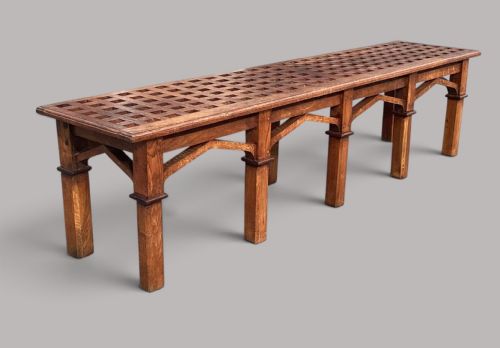
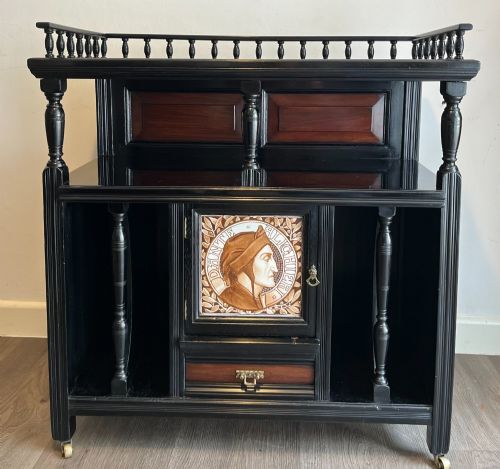
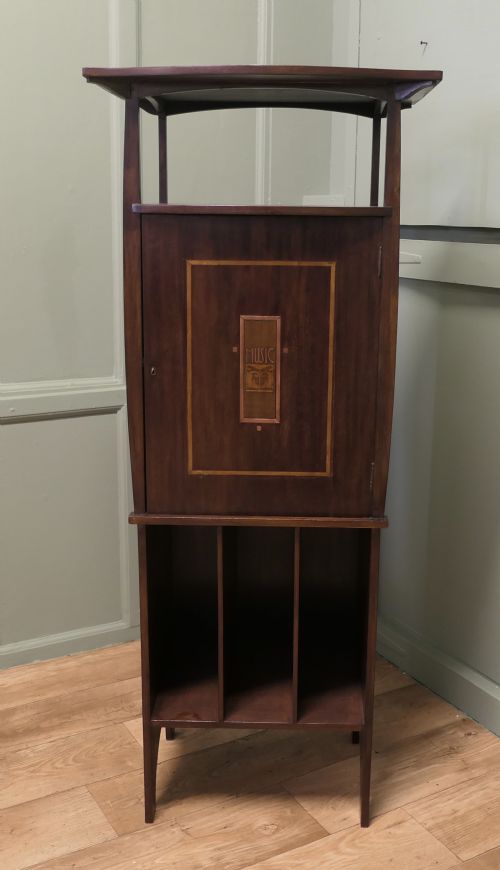
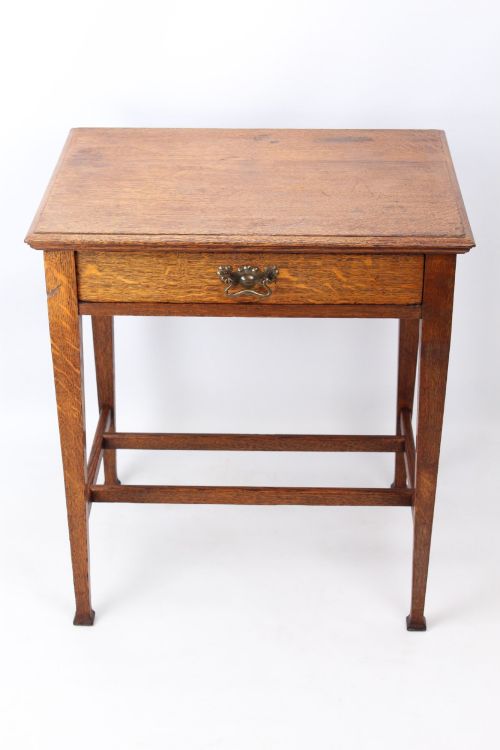
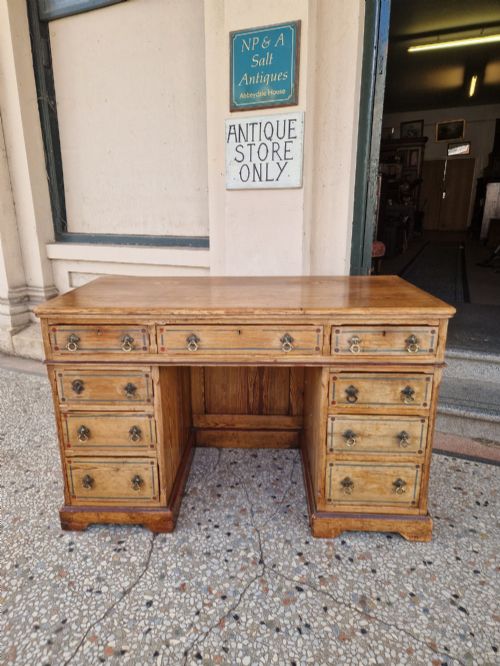
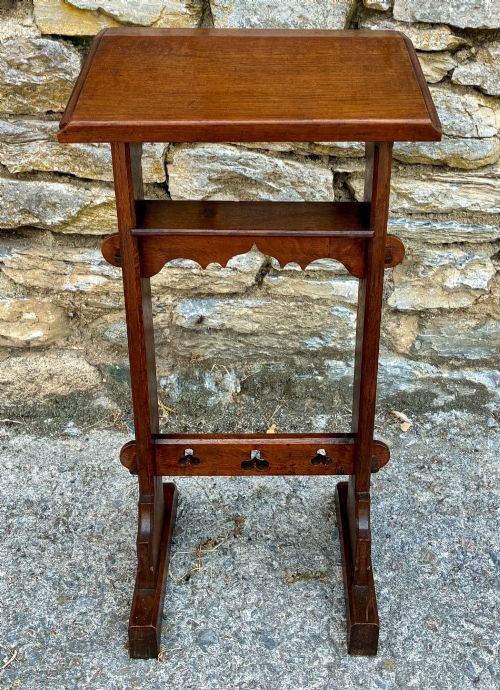
Victorian art furniture spans the later decades of the nineteenth century, taking in both mass-produced domestic pieces and avant-garde designs associated with the Arts and Crafts and Aesthetic movements. When searching for victorian art furniture, buyers encounter forms ranging from oak desks and side tables to substantial wardrobes, music cabinets, and ebonised armchairs.
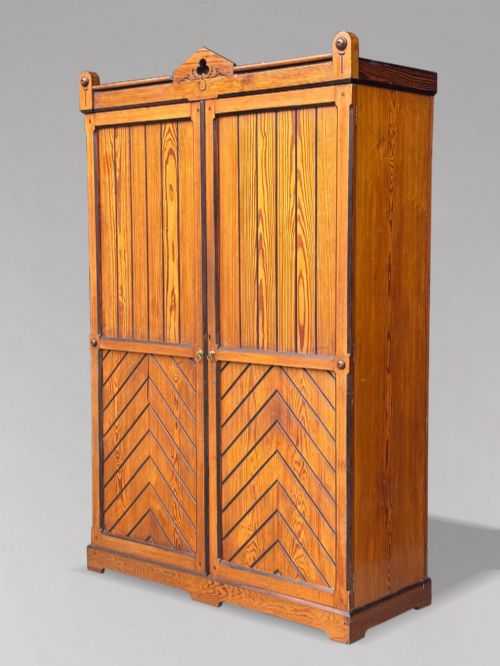
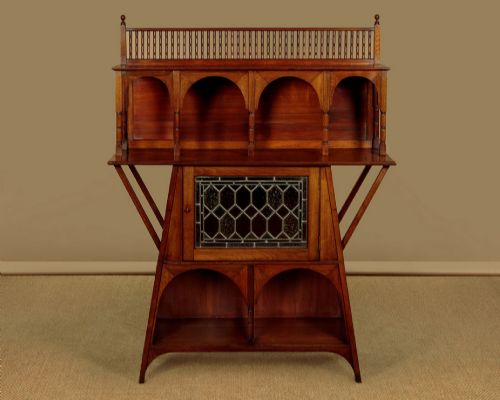
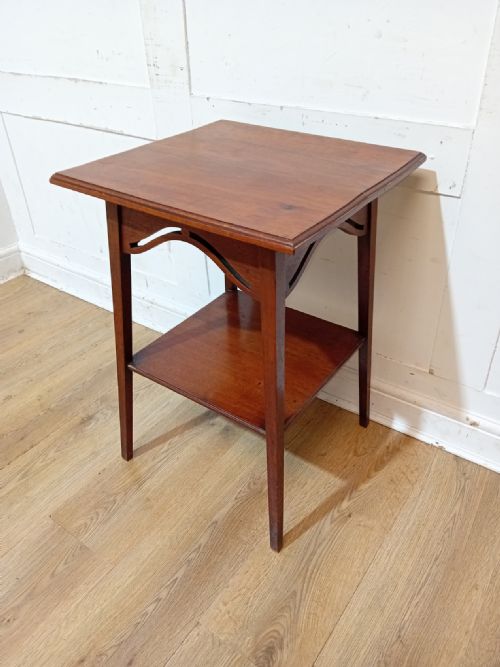
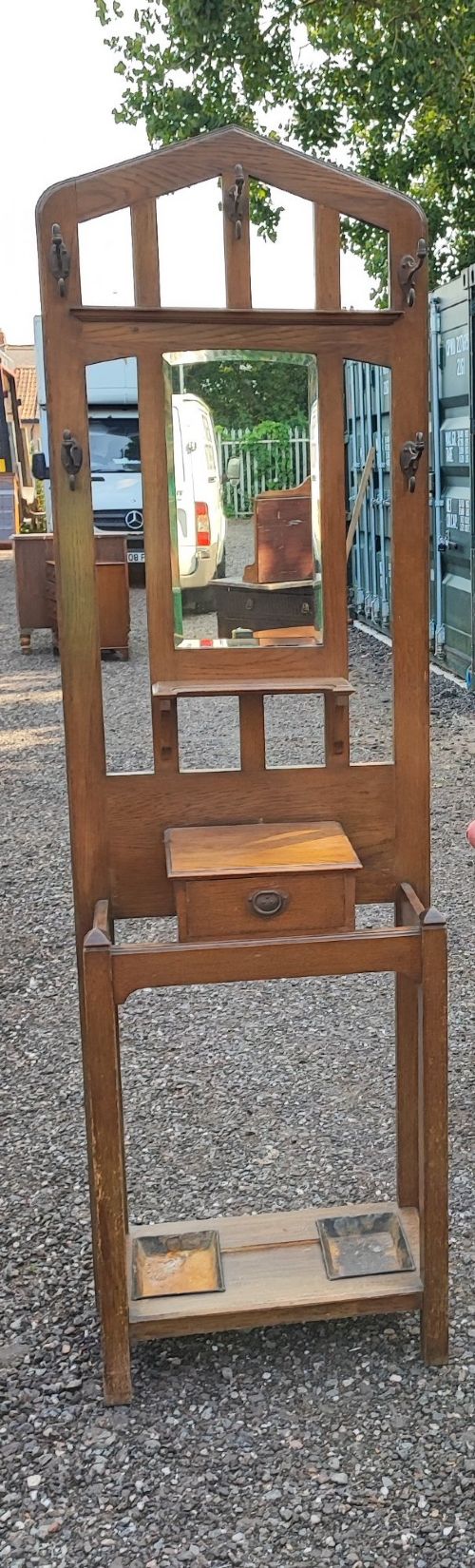
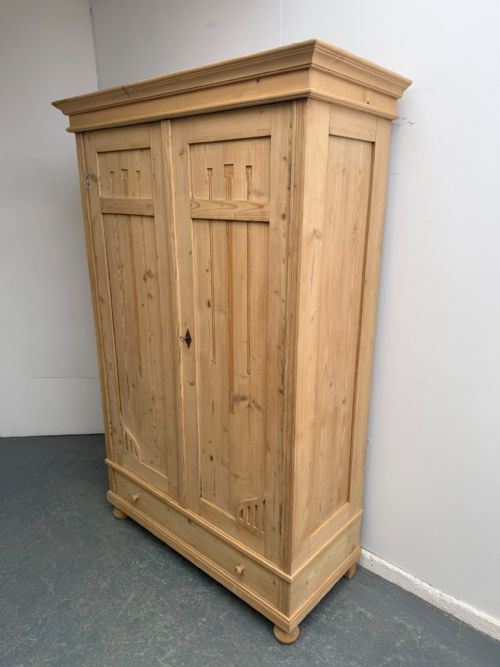
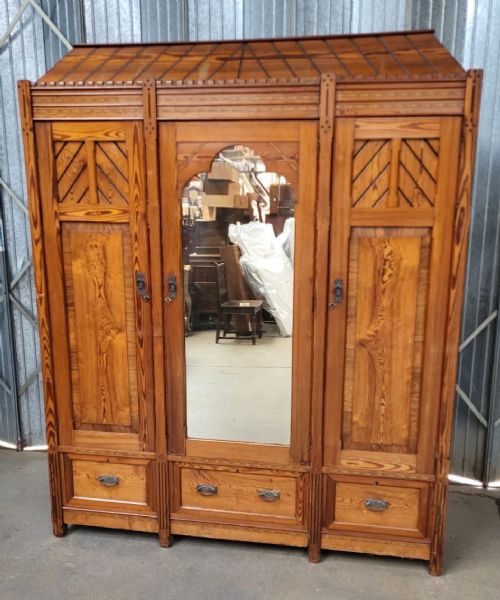
The objects on this page bridge traditional workshop methods and the progressive tastes of late Victorian interiors. Items such as pitch pine wardrobes, walnut side tables, and carved oak parlour suites show how domestic utility met artistic ambition during the period.
Many surviving examples reflect the influence of prominent retail houses and designers who championed simpler lines, exposed construction, and thoughtful ornament. From modest oak writing tables to larger painted dressers, these pieces offer a tangible connection to nineteenth-century design reform.
Materials and Construction
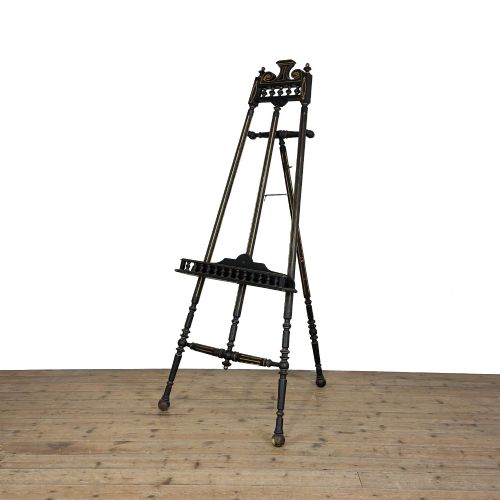
Makers utilised a deliberate selection of timbers, relying heavily on oak, pitch pine, walnut, and satinwood, alongside utilitarian choices like painted deal and mahogany. Woods were frequently left with a natural waxed finish or ebonised to mimic more exotic materials, highlighting the grain and construction joints.
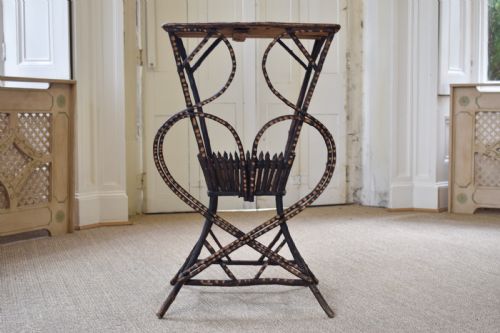
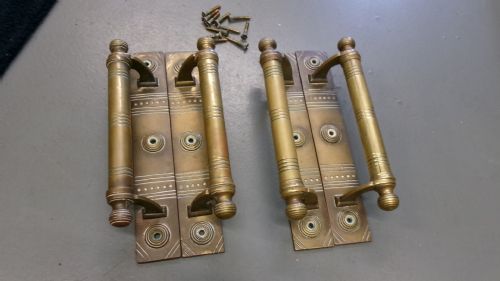
Metal fittings played an integral role, with brass door handles, finger plates, and iron hinges providing both structural support and visual contrast against the timber surfaces. Decorative elements included hand-carved panels, inlaid details, marble tops on washstands, and occasional folk art elements like turned bobbin work or twig details.
Listings feature oak, pitch pine, satinwood, and walnut across utilitarian forms such as chests of drawers, desks, and wardrobes.
Assessing Quality and Execution
Quality in this category rests on the integrity of the timber selection and the precision of the joinery rather than heavy ornamentation. Superior pieces demonstrate thoughtful proportion, balanced grain patterns, and structural joinery that remains tight after generations of domestic use.
Provenance and attribution elevate certain examples, particularly where design details point to identifiable workshops, retail houses, or known designers of the period. The relationship between the maker's intent and the physical execution separates standard commercial production from exceptional artistic output.
GM Elwood·JS Henry·Harris Lebus·Liberty and Co·John Moyr Smith·J Herbert McNair·Morris and Co
The Victorian Art Furniture Glossary
- Ebonised
- Wood treated with a chemical stain or dark pigment to resemble genuine ebony. This finish was widely favored by Aesthetic Movement designers to create sharp visual contrasts in interiors.
- Arts and Crafts
- A design movement advocating for traditional craftsmanship, simple forms, and reform in decorative arts. It rejected industrial standardisation in favour of visible construction and honest materials.
- Aesthetic Movement
- A late nineteenth-century current that prioritised sensory beauty and art for art's sake over moral or narrative purpose in design. Ebonised finishes, Japanese-inspired motifs, and slim proportions are typical hallmarks.
- Pitch Pine
- A durable resinous softwood frequently used in late nineteenth-century cabinetmaking and interior joinery. It takes a smooth wax finish well and displays a pronounced, striking grain pattern.
- Overmantel
- A decorative structure designed to sit directly above a fireplace mantelpiece, often incorporating shelving and mirrors. These pieces often reflected prevailing architectural styles such as the Moorish revival.
Victorian Art Furniture: Frequently Asked Questions
What defines Victorian art furniture?
Victorian art furniture encompasses late nineteenth-century domestic pieces influenced by design reform movements like Arts and Crafts and Aestheticism. These works emphasise structural honesty and artistic intent over conventional Victorian revival styles.
Buyers find everything from simple oak desks and spinning chairs to ebonised armchairs and inlaid wardrobes. The focus rests on thoughtful craftsmanship and materials that reveal their natural grain and texture.
How do I care for antique pine and oak pieces?
Maintaining these surfaces requires minimal intervention, relying primarily on natural beeswax to nourish the timber and protect against drying. Avoid placing pieces near direct heat sources or in fluctuating humidity.
Cleaning should be done with a soft, dry cloth rather than modern silicone polishes, which can build up over time. Allowing the wood to breathe preserves its historic patina and finish.
How can I tell Arts and Crafts pieces apart?
Arts and Crafts pieces are distinguished by visible construction details such as pegged tenon joints, hand-hammered brass hardware, and unpretentious timber surfaces. Ornamentation is secondary to the utility and structural rhythm of the object.
By contrast, standard Victorian furniture often concealed construction beneath heavy veneers and elaborate machine-carved details. Examining the interior framework and backboards usually reveals the maker's approach to honesty in construction.
Where were these pieces used originally?
These items were made for middle-class and progressive domestic interiors, serving practical functions in halls, drawing rooms, and bedrooms. Music cabinets, side tables, and washstands were tailored to specific household routines of the late nineteenth century.
In modern spaces, they adapt easily to contemporary rooms because their clean lines and natural timber tones complement various interior schemes. Their modest scale often suits smaller urban apartments as well as larger period houses.