
Victorian Armoire Cupboard
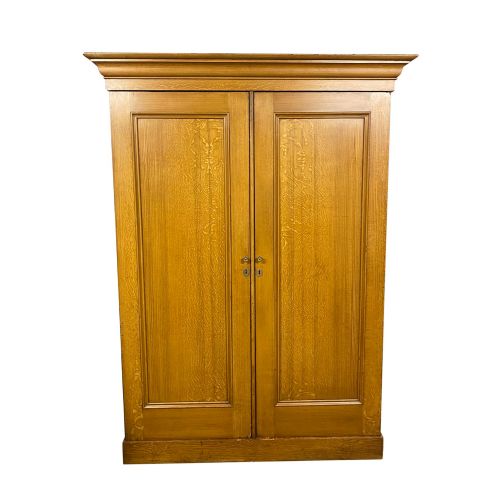
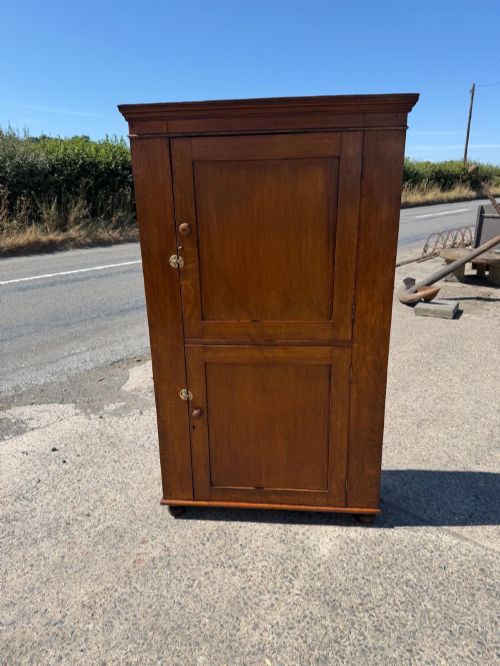
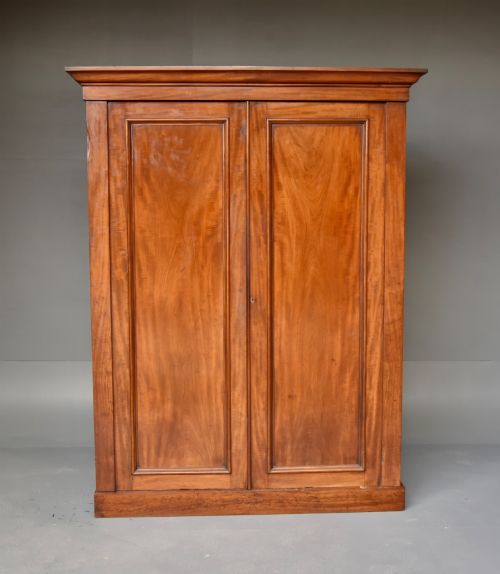
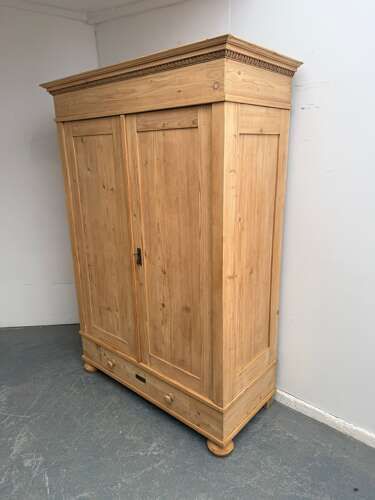
A victorian armoire cupboard brings substantial storage and period presence into a room, offering deep hanging space or fitted drawers behind heavy timber doors.
Victorian Armoire Cupboard
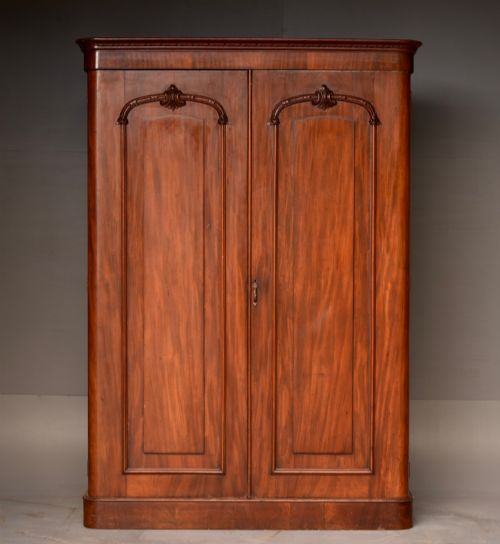
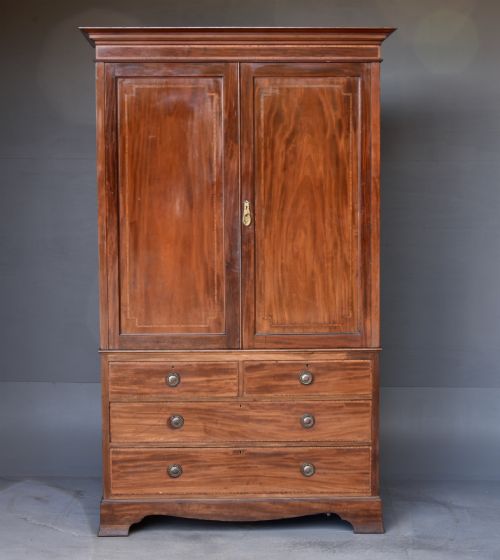
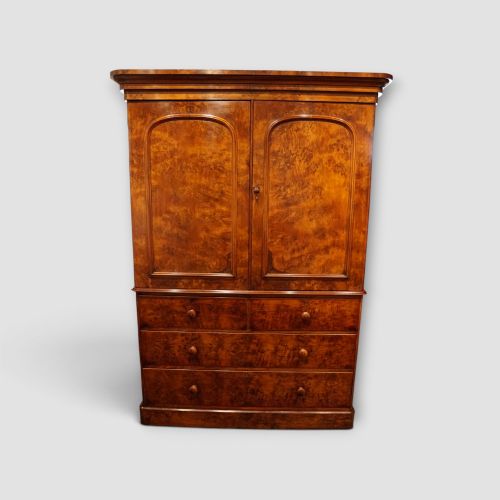
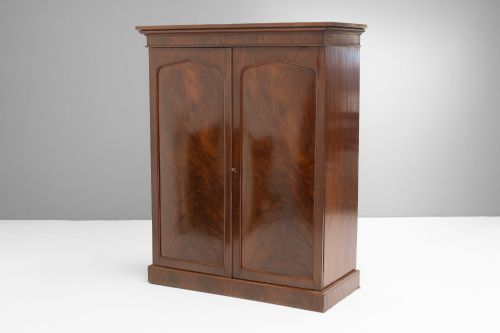
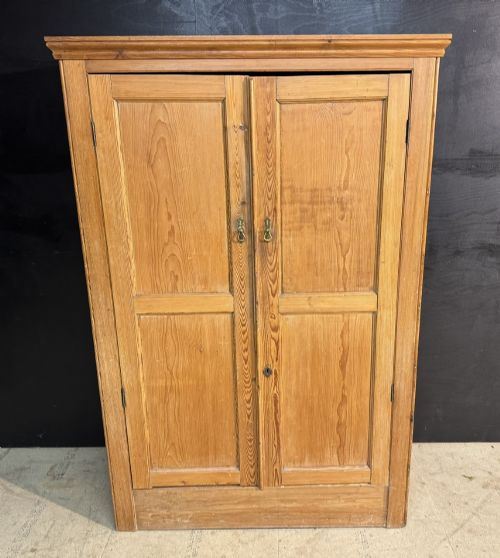
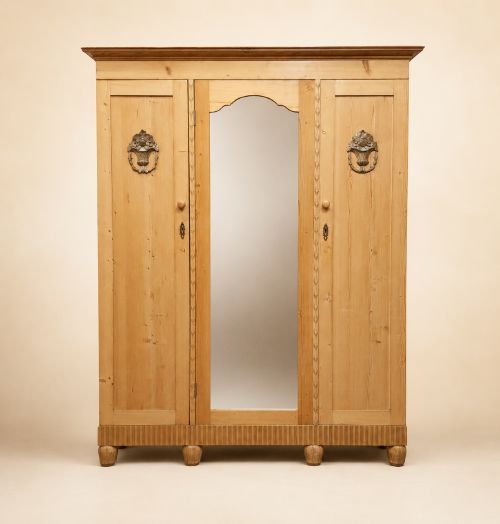
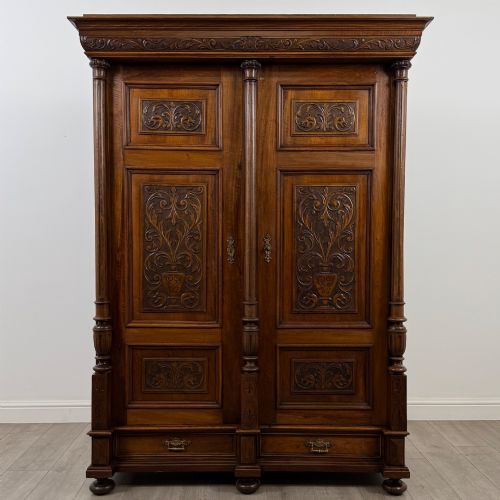
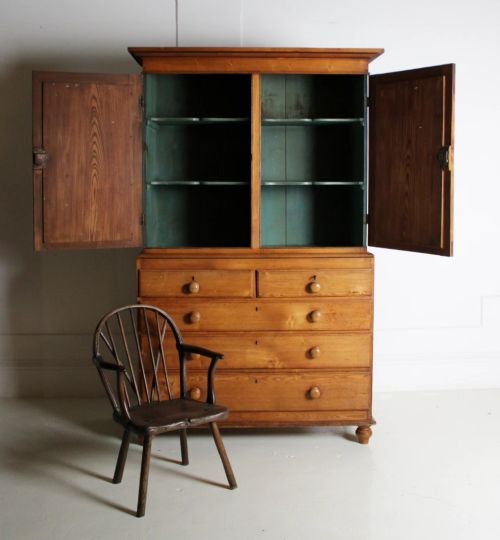
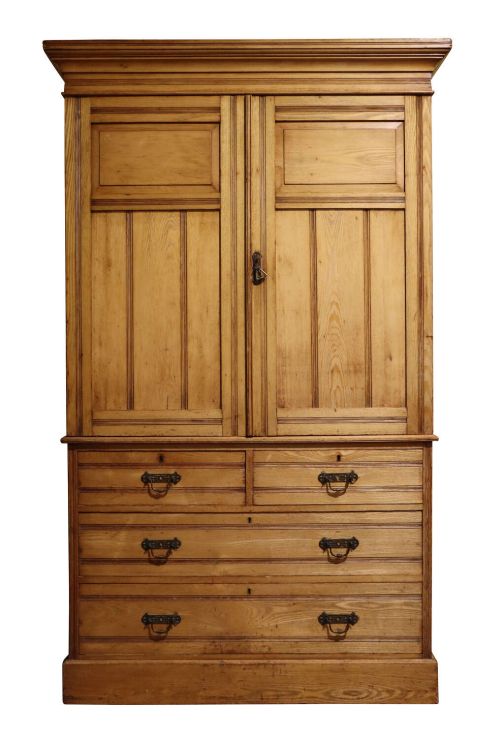
A victorian armoire cupboard encompasses large timber storage units, including double and triple wardrobes, linen presses, and compactum cabinets built during the nineteenth century. These items range from plain utilitarian pine pieces meant for farmhouse kitchens and larder spaces to polished walnut and mahogany wardrobe designs intended for grander bedrooms.
Materials and construction
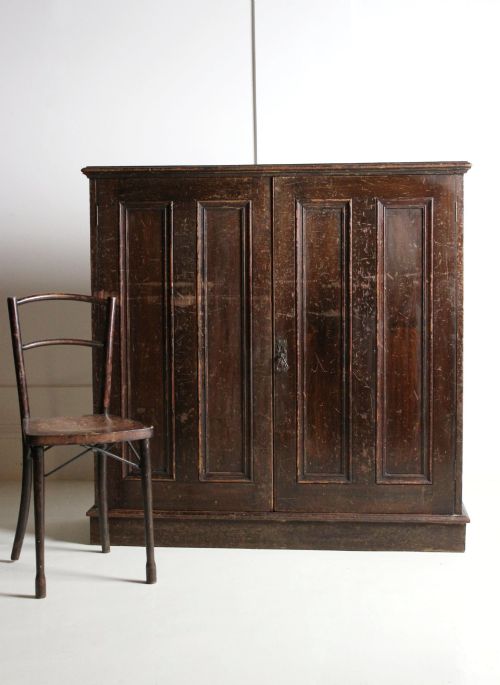
Cabinet makers relied primarily on solid pine, oak, walnut, and mahogany, often utilising secondary timbers like ash for internal fittings and drawer linings. Many pine pieces were left to a natural wax finish, treated with original scumble paint, or given faux oak and faux bamboo graining.
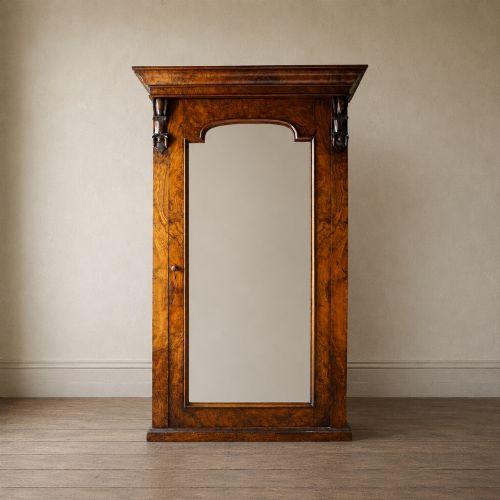
Larger items were constructed as knockdown wardrobes to facilitate transport into bedrooms, using pegged joints, panelled doors, and heavy brass or iron hardware. Finer output incorporated decorative elements such as blind fretwork cornices, carved panels, burr walnut veneers, and mirrored door plates.
Several pine wardrobes carry the label knockdown, ready to be taken apart and rebuilt by anyone willing to tackle nineteenth-century flat-pack assembly.
What separates the grades
Quality rests on the selection of timber and the ambition of the cabinetry, moving from simple softwood kitchen cupboards up to figured walnut and flame mahogany showpieces. Grain selection inveneers, depth of carving, and the sophistication of internal drawer configurations define the upper tiers.
Survival of original surface treatments also dictates distinction, separating pieces retaining untouched scumble paint or early wax finishes from those stripped down or heavily altered over time. The integration of functional details like original brass handles, working locks, and smooth knockdown assembly mechanisms further separates standard utilitarian items from refined examples.
maples & co
The Victorian Armoire Cupboard Glossary
- Armoire
- A tall cupboard or wardrobe used primarily for hanging clothes or storing linen. These pieces typically feature one or two large doors enclosing shelves or hanging rails.
- Compactum
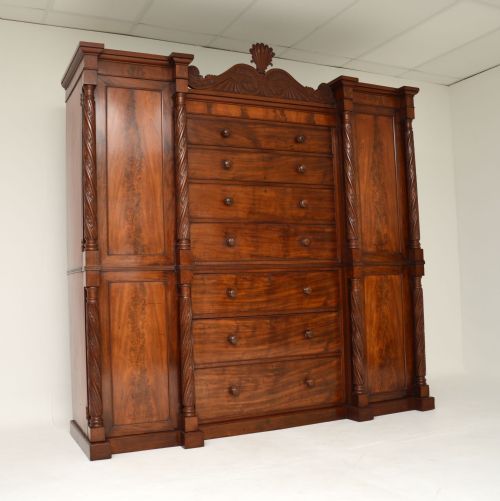
- A fitted wardrobe that combines hanging space with multiple internal drawers, compartments, and sometimes sliding trays. This form maximises storage efficiency within a single footprint.
- Linen press
- A tall storage piece featuring upper cabinet doors enclosing sliding trays or shelves above a base section of drawers. They were traditionally used to store folded linens and garments.
- Scumble paint
- A decorative surface finish applied to cheaper timbers to imitate finer grain patterns like oak or walnut. Craftsmen dragged combs or brushes through tinted glaze over a lighter base coat.
- Knockdown
- A piece of furniture engineered to be easily dismantled into separate panels and cornices for transport. This construction method was especially common in large nineteenth-century pine wardrobes.
Victorian Armoire Cupboard: Frequently Asked Questions
What is a compactum wardrobe?
A compactum is a specialised multi-functional wardrobe that integrates hanging space, shelving, and banks of internal drawers into a single large cabinet. These pieces provided comprehensive bedroom storage in the nineteenth century.
They are particularly useful for modern homes because they combine the storage capacity of a chest of drawers and a wardrobe within one footprint.
How do I assemble a knockdown wardrobe?
Knockdown wardrobes utilise interlocking panels, wooden pins, and internal bolts rather than permanent glue joints. This allows large pieces to be dismantled for transport and reassembled inside a bedroom.
Careful alignment of the cornice, sides, and base ensures the doors hang square and close properly once erected.
What is scumble paint?
Scumble paint is a decorative finishing technique where a translucent coloured glaze is manipulated over a pale painted base to simulate the appearance of figured timber. It was frequently applied to pine furniture.
Pieces retaining their original scumble work offer a distinct historic surface texture that differs from standard waxed or stripped pine.
Where were linen presses used?
Linen presses were traditionally housed in bedrooms, landings, or housekeepers rooms to store freshly laundered household textiles, sheets, and folded garments. The upper sliding shelves kept linens flat and organised.
Today, they function well in modern bedrooms or hallways as deep storage cupboards for clothing and blankets.