
Victorian Armchair with Desk
A victorian armchair with desk combines sturdy seating with an integrated writing surface, offering a practical workspace built for studies and libraries.
Victorian Armchair with Desk
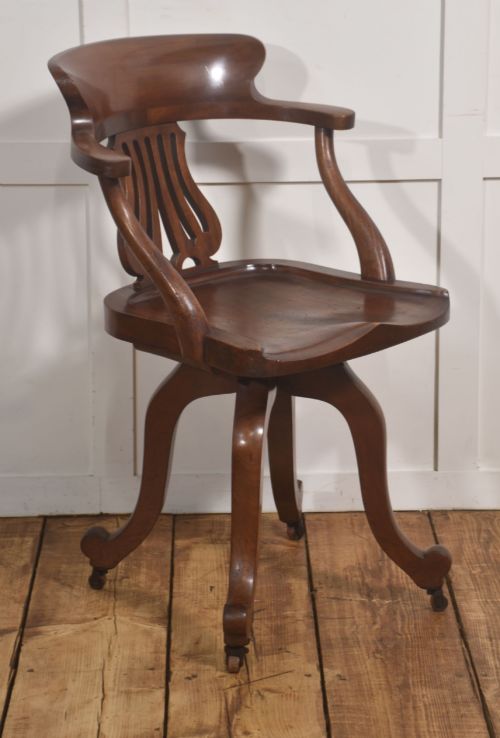
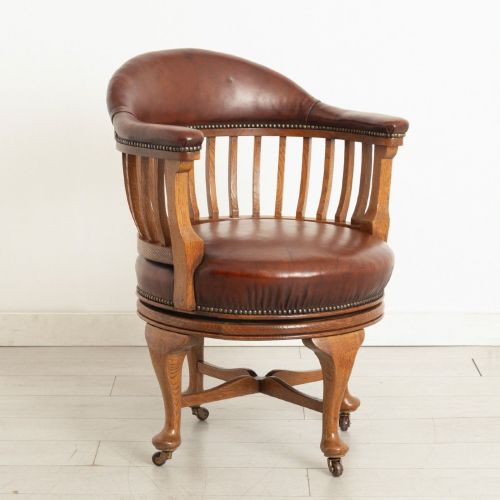
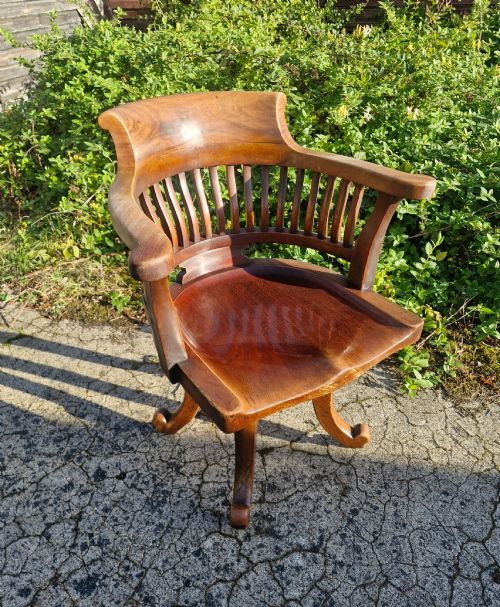
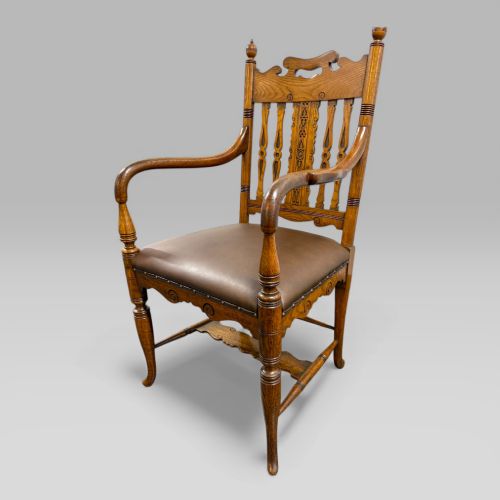
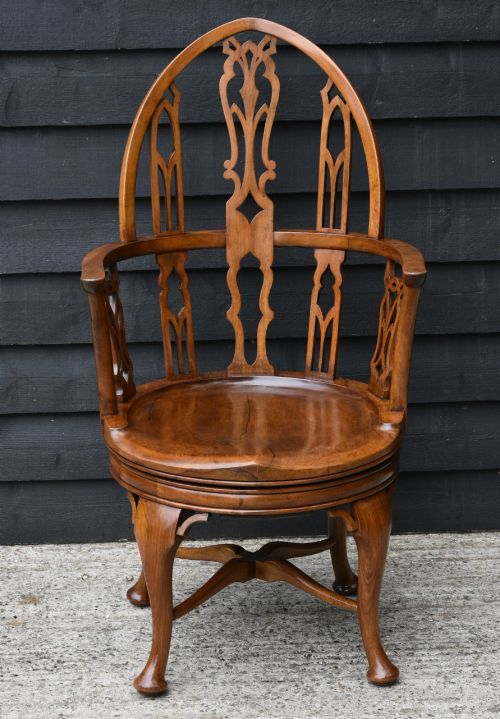
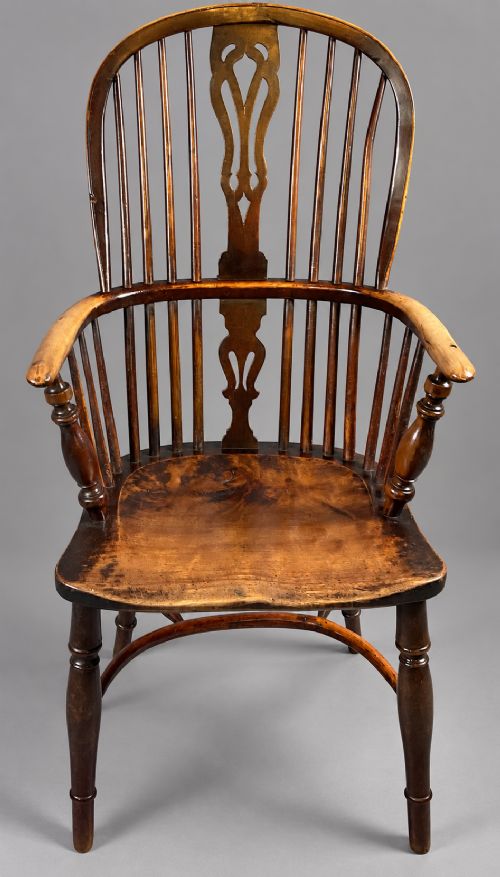
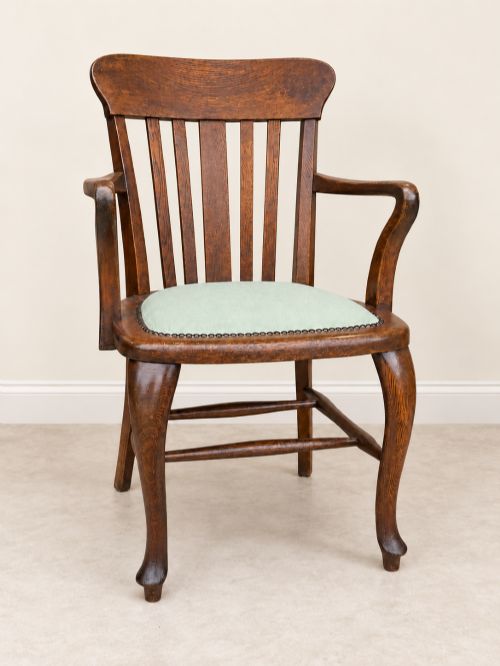
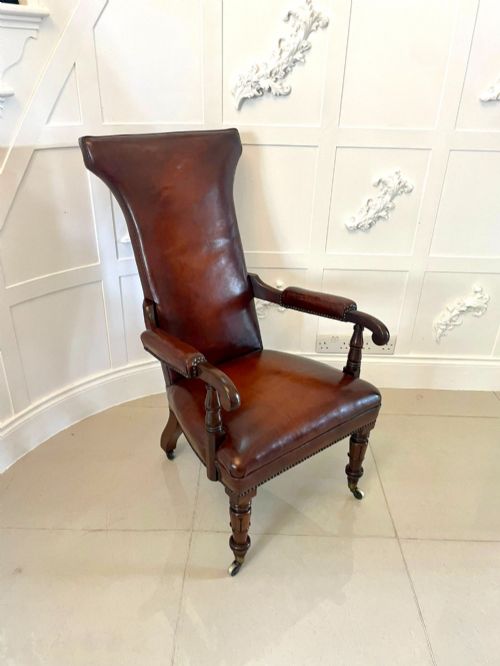
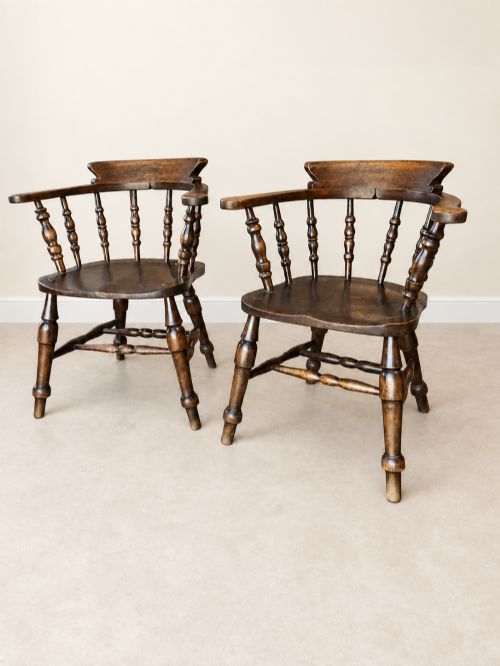
A victorian armchair with desk bridges the gap between a comfortable seat and a functional writing station, designed for nineteenth-century studies and libraries. The selection spans robust oak captain's chairs, library armchairs with reading stands, and swivel office armchairs equipped with leather inserts.
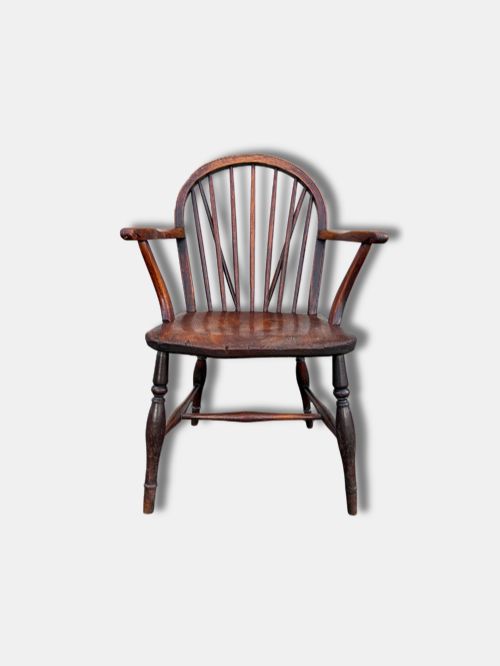
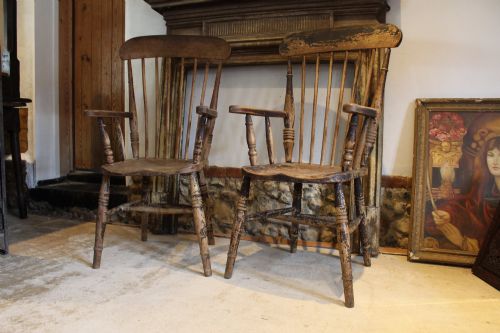
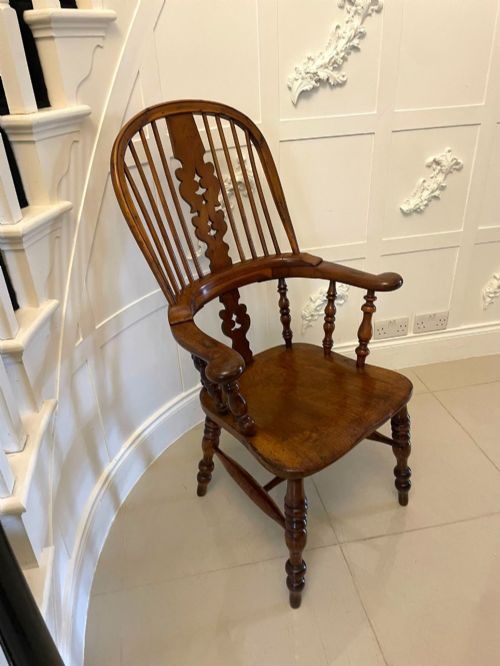
Makers of the period adapted familiar seating forms, such as Windsor chairs and mahogany office chairs, by incorporating writing slopes or reading attachments. These hybrid pieces reflect the domestic and professional working habits of the nineteenth century, ranging from the William IV era through to Edwardian interpretations.
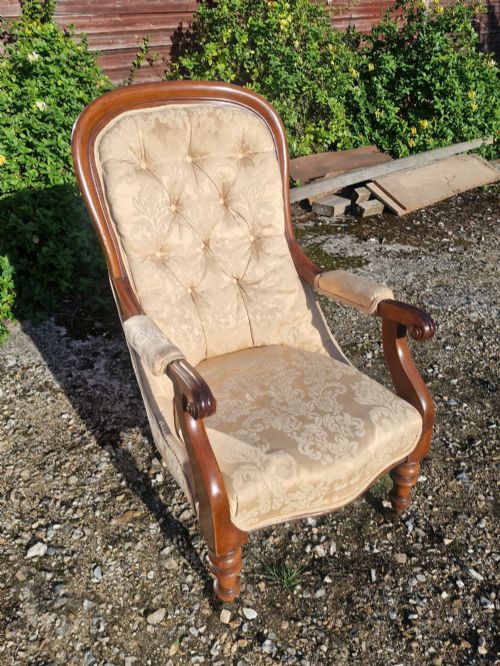
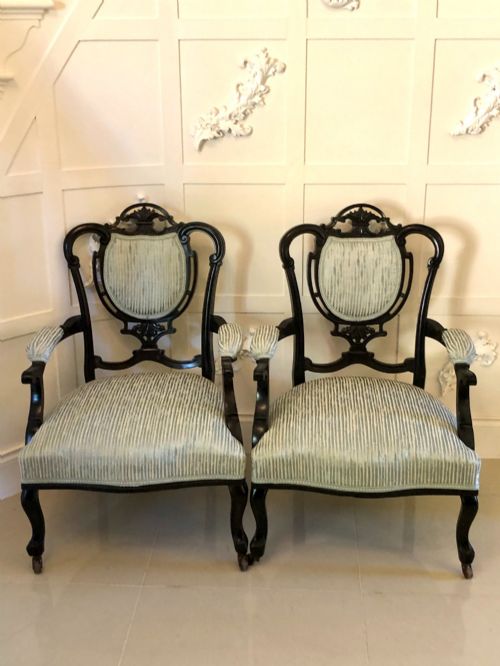
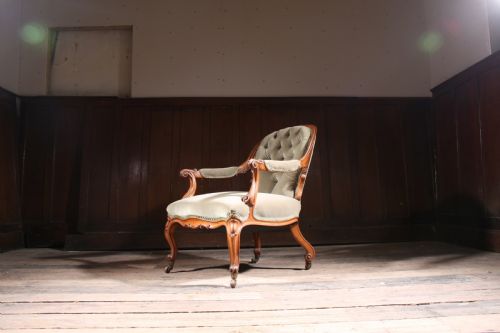
Buyers will encounter walnut fauteuils, oak ship's chairs, and mahogany desk chairs featuring fitted writing components. Each form provides a dedicated surface for correspondence or reading while maintaining the upholstered comfort of an open armchair.
How they were made
Craftsmen utilised dense hardwoods including mahogany, walnut, oak, elm, and yew to construct the supportive frames of these chairs. Turned spindles, curved armrests, and carved details were joined using traditional cabinet-making methods to withstand daily use at a desk.
Seat pads and writing surfaces commonly feature inset leather, oxblood leather, brown leather, or oil cloth. These materials were pinned with brass studs or secured around wooden frames to provide a durable writing surface and cushioned seat.
The listings show pieces spanning the nineteenth century, including William IV, Victorian, Edwardian, and Aesthetic Movement styles.
What varies in quality
The standard of carving and timber selection distinguishes standard seating from exceptional examples. Dense grain in mahogany and walnut, paired with deeply sculpted wooden components and finely detailed crest rails, marks the upper tier of production.
The integrity of the mechanism, the retention of original leather coverings, and the stability of the attached reading stand or writing slope determine the structural and historical worth of the piece.
The Victorian Armchair with Desk Glossary
- Bergere
- An enclosed upholstered armchair with wooden framing, often featuring cane panels on the back and sides. This style provides a lighter visual presence in a study.
- Captain's Chair
- A sturdy wooden armchair with a rounded back rail supported by spindles, designed for office or library use. Many examples incorporate upholstered seats in leather.
- Fauteuil
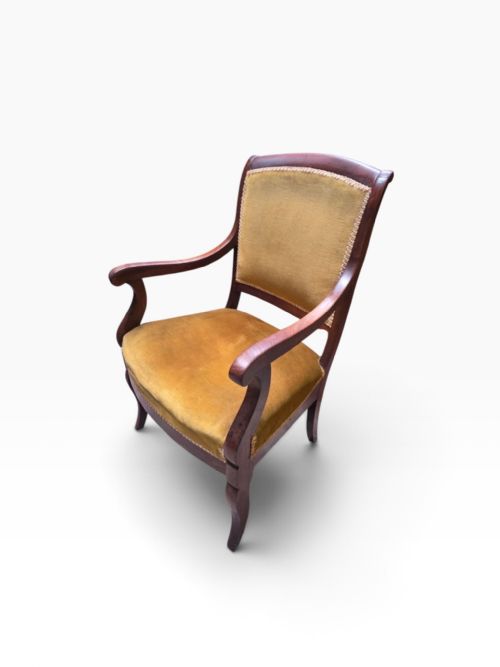
- An open-arm armchair with an exposed wooden frame, typically upholstered on the seat and back. Late nineteenth-century interpretations often follow earlier revival styles.
- Windsor Chair
- A traditional seating form constructed with a solid wooden seat into which the legs and back spindles are separately inserted. Smaller antique variants frequently feature crinoline stretchers.
- Writing Slope
- A slanted desk surface integrated into the chair arm or frame for correspondence. These fittings often lift to reveal small compartments for stationery.
Victorian Armchair with Desk: Frequently Asked Questions
How do I identify a desk armchair?
These chairs combine a supportive timber frame and upholstered seat with an attached writing surface or reading stand. They are built for stationary desk work rather than lounge relaxation.
Look for integrated wooden writing slopes, swivelling office bases, or reading attachments mounted to the armrests.
What woods were used for these chairs?
Cabinet-makers relied on durable native and imported hardwoods to ensure the frame could support daily use at a desk. Mahogany, walnut, and oak appear frequently across the period.
Softer woods like elm and yew were also utilised for specific components such as sculpted seats and bentwood arms.
Are the leather seats original?
Many nineteenth-century chairs retain their original leather coverings, often secured with brass studs around the seat perimeter. Patina and wear generally indicate age and period use.
Some pieces feature replaced leather or oil cloth inserts that match the traditional finish of nineteenth-century office furniture.
How do I date a library armchair?
Dating relies on the prevailing style, timber choice, and construction methods visible in the frame. Pieces span the William IV, Victorian, and Edwardian eras.
Design details such as Aesthetic Movement influences or William & Mary revival motifs help narrow the manufacturing window.