

Victorian Animal Portrait Painting
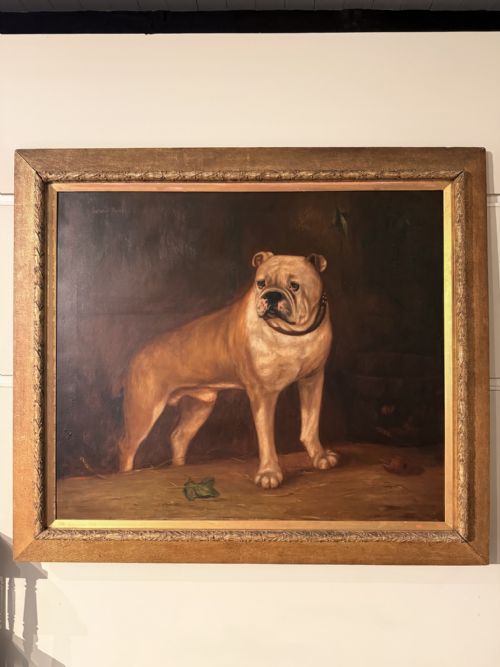
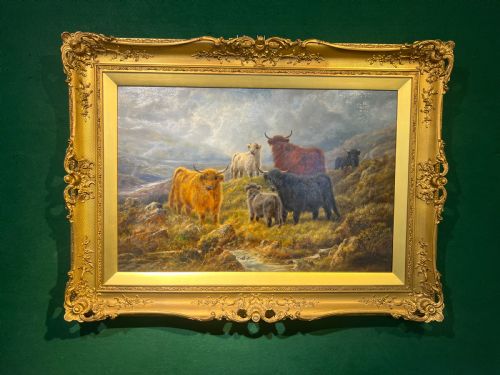
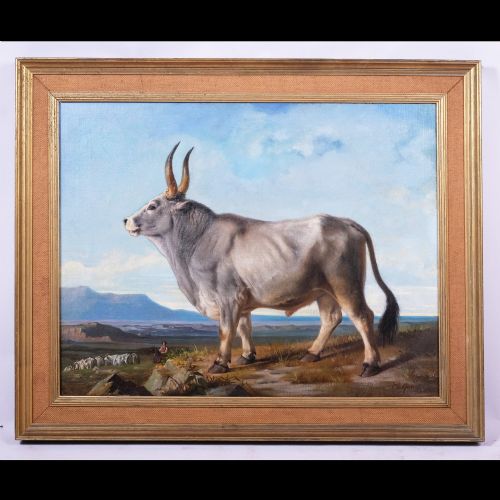
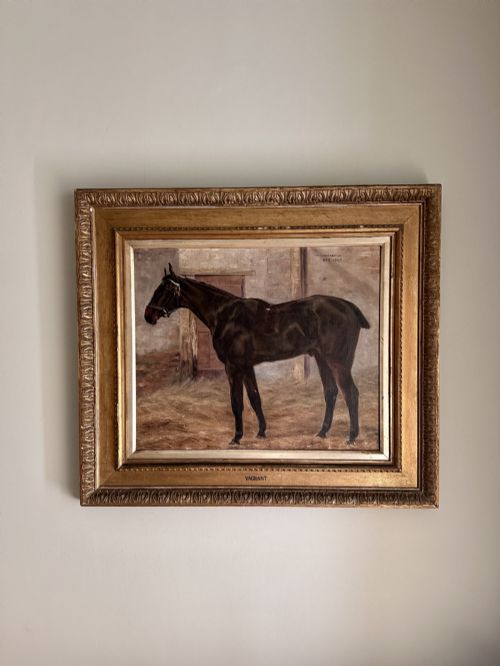
A victorian animal portrait painting captures horses, dogs, livestock and wild creatures with the distinct observation of the nineteenth century.
Victorian Animal Portrait Painting
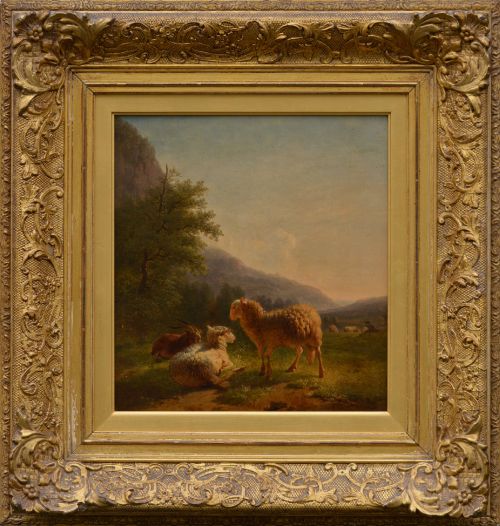
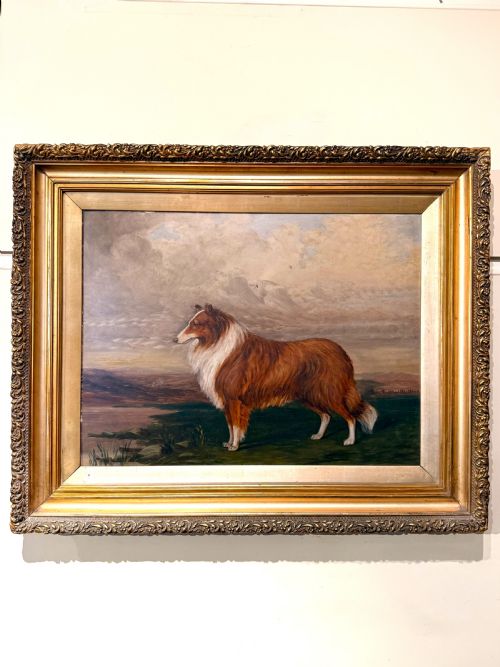
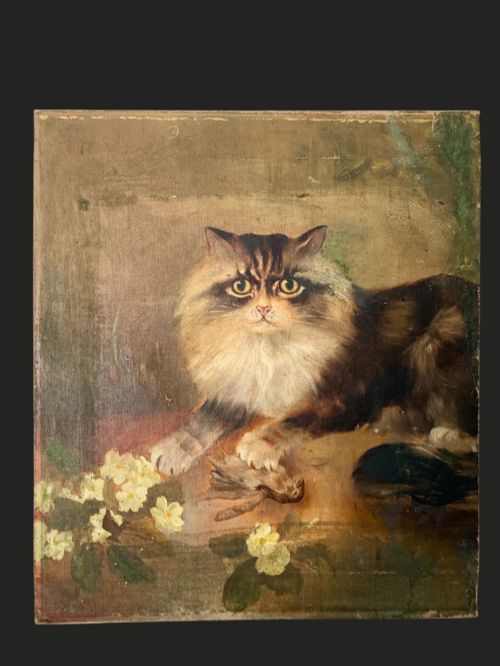
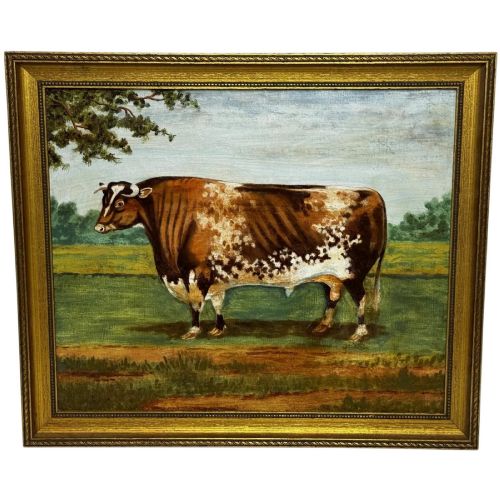
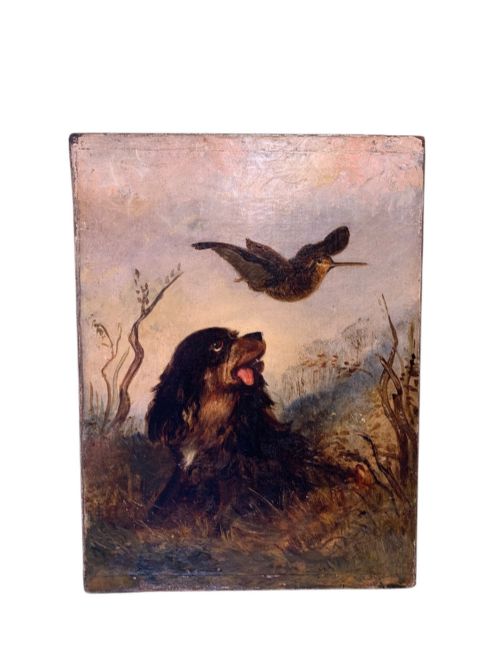
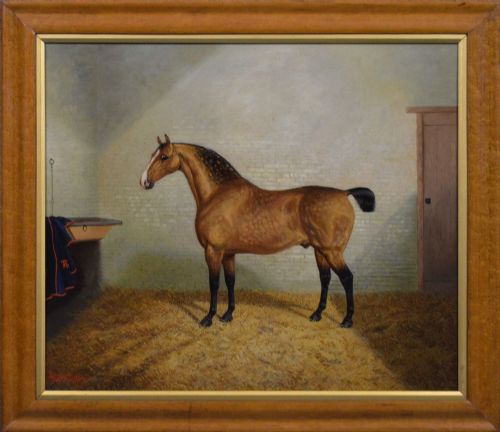
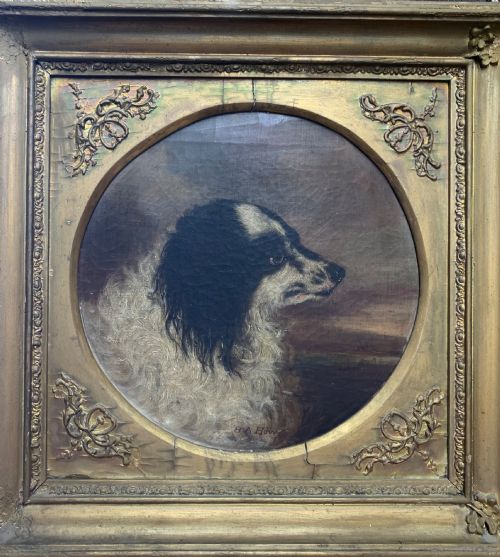
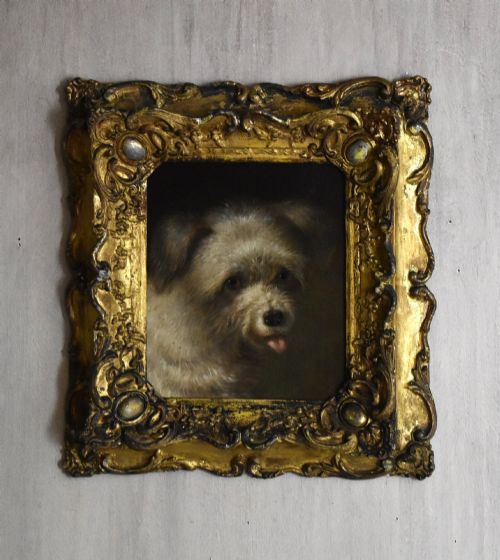
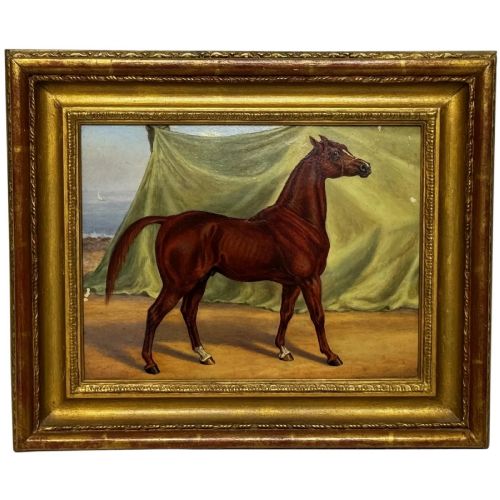
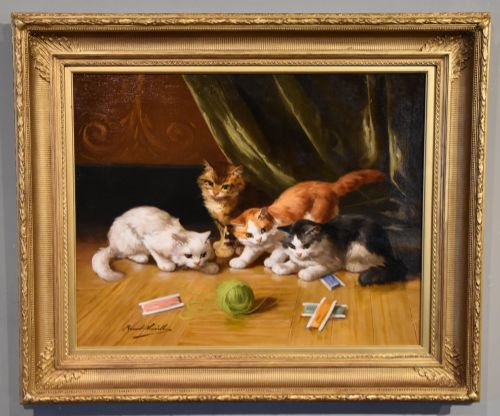
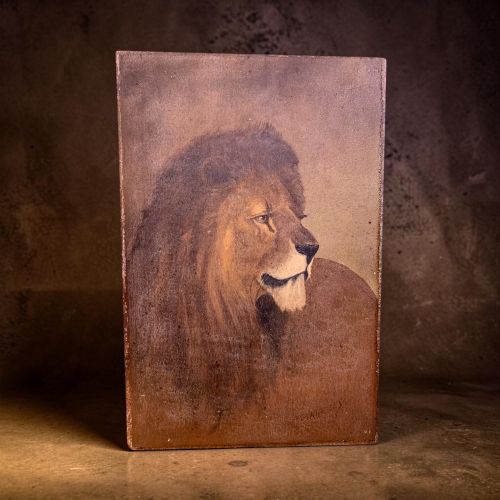
A victorian animal portrait painting typically focuses on individual dogs, prized livestock, horses and cats rendered in oil or watercolour. The pieces span domestic pets, working farm animals and hunting subjects created across the nineteenth century.
Most examples originate from British schools, ranging from naive folk art depictions to highly detailed academic commissions by named animal artists. Common formats include oil on canvas, oil on board and framed watercolours.
Many works place animals in distinct landscapes, farmyards or pastoral settings, while others present formal character studies against neutral backgrounds. The variety extends from intimate sketches of kittens to large canvases celebrating named racehorses and prize bulls.
Materials and Technique
Painters utilised oil paint applied to canvas, wood panels or boards, often building up rich textures to render coats, manes and feathers. Watercolours on paper appear alongside charcoal drawings, frequently finished with protective glazes.
Many surviving pieces retain their original period frames constructed from giltwood, gesso and gold leaf, which complement the tonal depth of the nineteenth-century palette. Support structures typically consist of wooden stretchers or sturdy timber panels.
Listings feature works spanning the nineteenth century, utilising oil paint, canvas, wood, giltwood and watercolour across diverse British and European schools.
Execution and Detail
Quality rests upon the artist's command of anatomy, bone structure and the specific textural rendering of fur, hair or wool. Stronger works convey individual animal character and precise lighting rather than generic representations.
The sophistication of the background landscape and the integration of the subject within its setting separate accomplished academic paintings from simpler naive school examples. Original period framing in giltwood also contributes to the integrity of the piece.
Eugène Verboeckhoven·Albert Clark·Martin Theodore Ward·John Sargent Noble·Robert Watson·Fred Fitzpatrick·Alfred Arthur Brunel de Neuville·John Emms·Arthur Wardle·William Henry Mander·Thomas Sidney Cooper·George Lance·William Barraud·Sir Edwin Landseer·Colin Graeme Roe·Valentine Thomas Garland·Agnes Augusta Talboys·John Trivett Nettleship·Helena Maguire·Samuel Spode·Fannie Moody·Robert Cleminson
The Victorian Animal Portrait Painting Glossary
- Oil on Canvas
- Pigment mixed with drying oil applied to a woven fabric stretched across a wooden frame. This medium allowed artists to achieve deep colour saturation and subtle blending.
- Giltwood
- Timber carved and coated with gold leaf or metallic powder. It provides the decorative, reflective border typical of nineteenth-century picture frames.
- Naive School
- Art produced by self-taught painters working outside formal academic traditions. These works prioritise direct expression and charm over strict proportion and perspective.
- Gesso
- A paint mixture consisting of a neutral binder mixed with chalk, pigment, or plaster. It served as a smooth preparation layer on wood panels or picture frames before gilding.
- Sporting Art
- Depictions of hunting, racing, shooting and domestic animals associated with rural pursuits. It formed a major genre for British painters throughout the Victorian era.
Victorian Animal Portrait Painting: Frequently Asked Questions
What animals appear most often?
Dogs, horses and cattle dominate the selection, reflecting the rural and domestic interests of the period. Working dogs, gun dogs and prized livestock frequently commanded dedicated portraiture.
Cats and farm animals also feature, alongside occasional wild creatures and exotic subjects painted from observation or menagerie studies.
How were these paintings displayed?
Original owners hung these works in country houses, libraries, stables and drawing rooms to celebrate prized possessions or sporting achievements. Many were commissioned directly by owners to document specific animals.
Heavily gilt frames suited the formal interior decoration of Victorian homes, designed to catch candlelight and daylight alike.
How do I date a painting?
Signatures, dates inscribed on the canvas reverse and artist biography records provide the most reliable chronological markers. Costume details in companion human figures or specific framing styles also offer clues.
Canvas stamps from nineteenth-century art suppliers help narrow down the period when the materials were purchased.
Are watercolours as durable as oils?
Watercolour paintings require protection behind glass and conservation-grade framing to prevent fading from light exposure. When kept away from direct sunlight, they survive in remarkably crisp condition.
Oils on canvas or board prove more resilient to environmental conditions, though both mediums benefit from stable indoor humidity.