





Framed Livestock Artwork
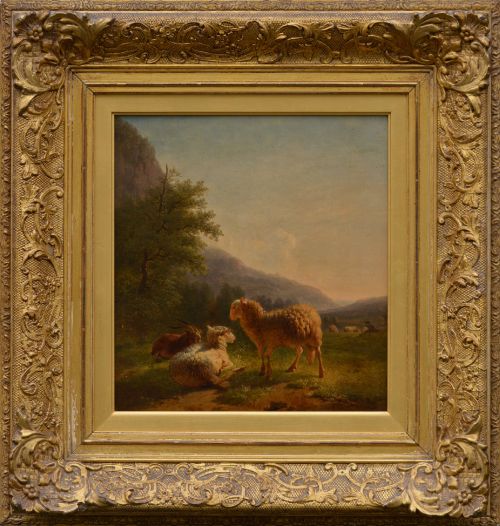
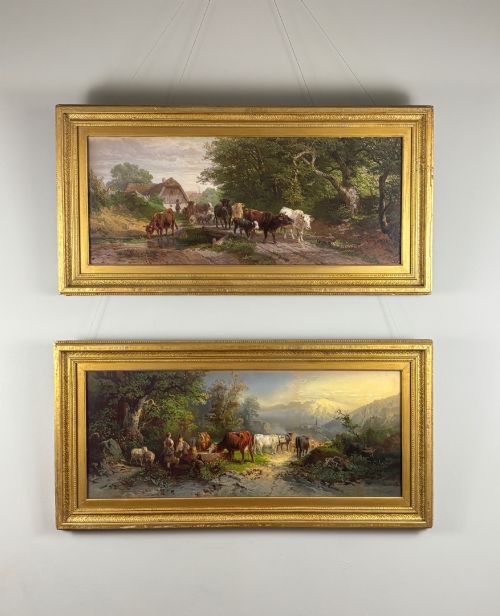
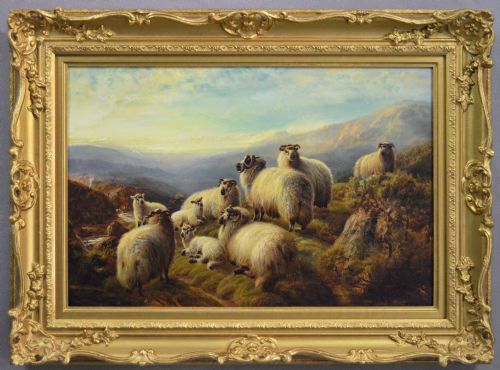
Framed livestock artwork brings pastoral landscapes, cattle, and sheep directly into rooms through 18th- to 20th-century paintings.
Framed Livestock Artwork
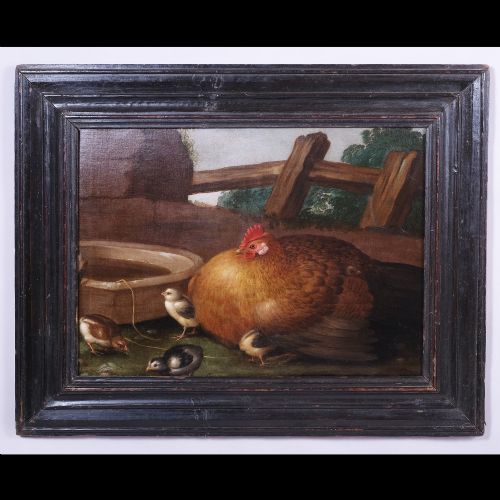
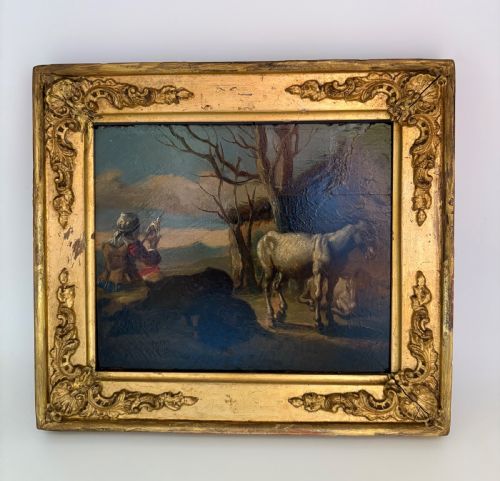
Framed livestock artwork comprises rural scenes, farmyard studies, and animal portraits created across the 18th, 19th, and early 20th centuries.
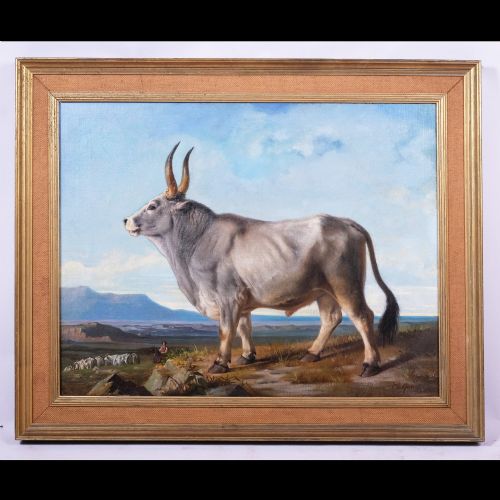
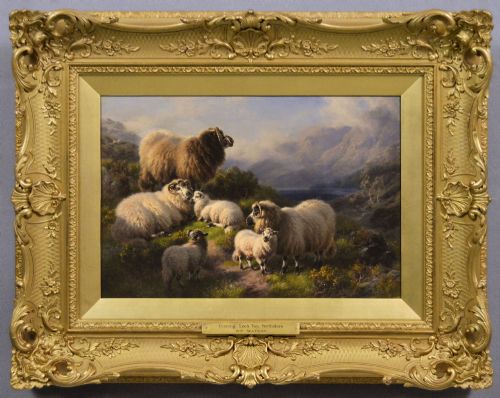
Most pieces encountered here are oil paintings on canvas or panel, alongside watercolours, depicting sheep, cattle, and horses in pastoral settings.
Makers and followers range from British, Scottish, and continental schools, capturing specific breeds like Highland cattle and shorthorn bulls.
Materials and technique
Artists painted primarily with oil paint on stretched canvas or oak panels, while others worked in watercolour on paper.
Original surrounds often feature giltwood, gesso, or burr wood frames, occasionally decorated with gold leaf.
Calves, ducks, and even stubborn ponies regularly share pasture with prize-winning bulls.
Determining quality
Quality rests in the anatomical accuracy of the animals, the handling of light and atmosphere in the landscape, and the cohesion of the composition.
The integrity of the original frame, whether gilded gesso or burr wood, contributes significantly to the piece's overall standing.
Eugène Verboeckhoven·William Watson Jnr·Thomas Sidney Cooper·Franz van Severdonck·Claude Cardon·Robert Watson
The Framed Livestock Artwork Glossary
- Gesso
- A plaster-like mixture applied to wood frames before gilding. It provides a smooth surface for laying gold leaf.
- Giltwood
- Wood carved and covered with a thin layer of gold leaf or metal powder. This finish was standard for fine antique frames.
- Canvas
- Heavy woven fabric stretched across a wooden frame to support oil paint. It remains the most common substrate for 19th-century paintings.
- Watercolour
- Paint made of pigments suspended in a water-based solution on paper. These works require protective glazing.
Framed Livestock Artwork: Frequently Asked Questions
What periods do these paintings come from?
The works span from the 18th century through the Victorian era and into the early 20th century.
Most items originate in the 19th century, reflecting rural realism and pastoral romanticism.
Are the frames original to the artwork?
Many pieces retain their period frames, constructed from giltwood, gesso, or wood.
Original frames often show age-appropriate wear that matches the canvas or paper within.
What subjects appear most frequently?
Cattle, sheep, and horses dominate the imagery, often placed within Scottish highlands, farmyards, or coastal landscapes.
Artists frequently depicted prized farm animals alongside shepherds or farmers.
How do I care for oil paintings on canvas?
Keep works away from direct sunlight and steady humidity levels to protect both the canvas and the painted surface.
Avoid using liquid cleaners on the paint or the giltwood frame.