


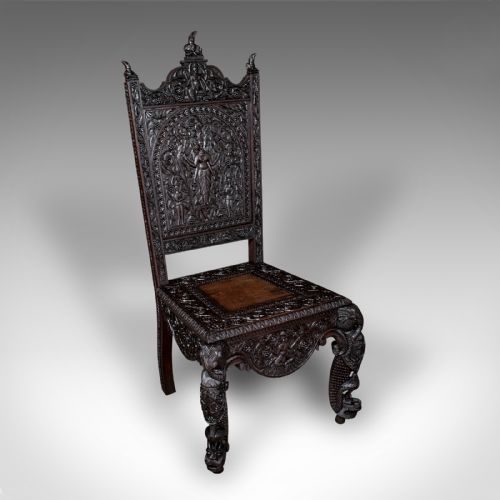

Victorian Anglo Indian Chair
These victorian anglo indian chair pieces bring colonial craftsmanship and intricate carved hardwoods directly into the home.
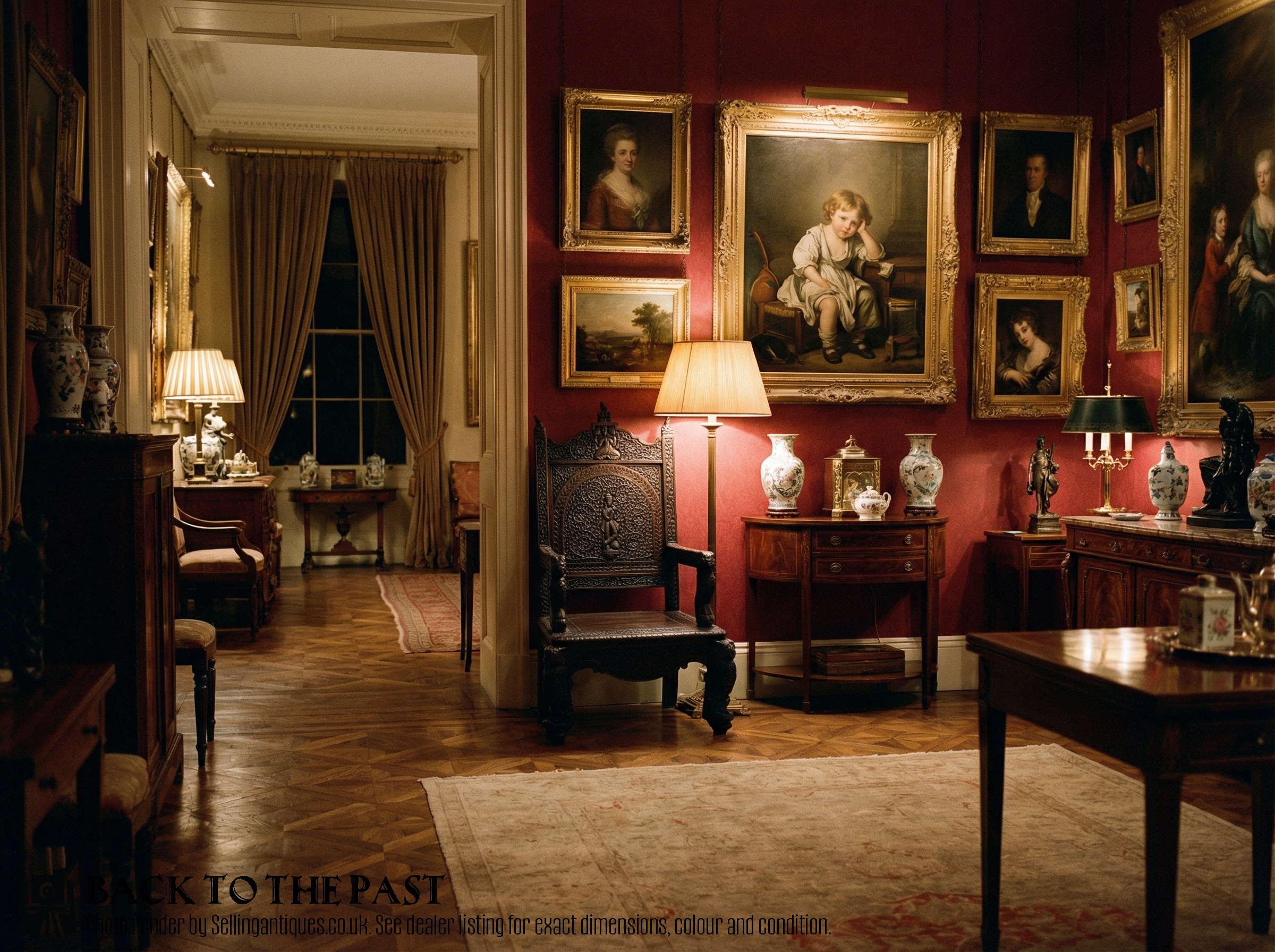
Victorian Anglo Indian Chair
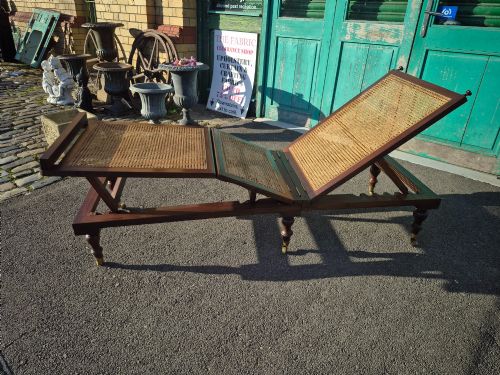
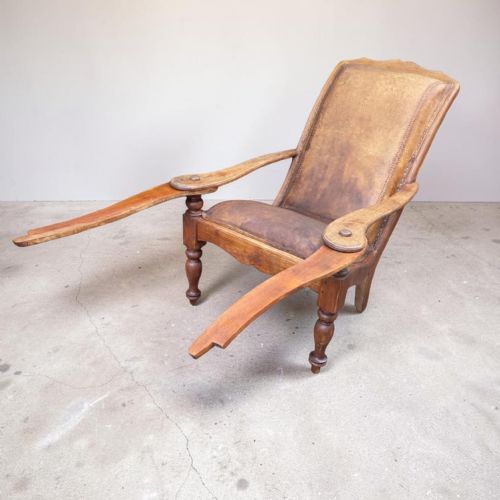
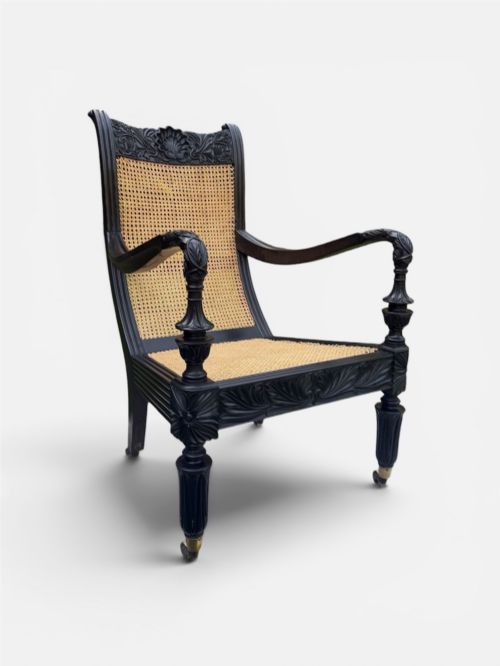
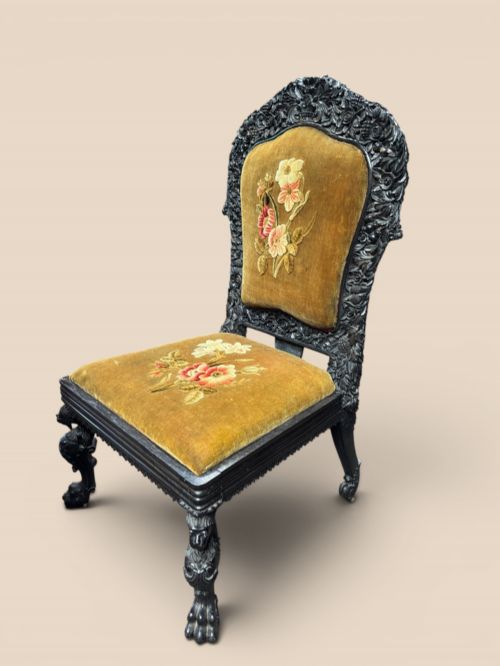
A victorian anglo indian chair encompasses heavily carved seating forms produced during the nineteenth century under British colonial influence. Buyers searching for a victorian anglo indian chair will frequently encounter armchairs, planter's chairs, and side chairs originating from various regions including India, Ceylon, and Burma.
The assortment on this page highlights diverse object types such as daybeds, hall chairs, and throne chairs alongside conventional seating. Construction spans periods from the Regency era through to the late nineteenth century, reflecting rich stylistic crossovers between British forms and local artisan traditions.
Materials and Construction
These chairs rely heavily on dense tropical timbers such as teak, ebony, padouk, satinwood, and rosewood, which permit exceptionally deep and crisp carving. Artisans often supplemented the heavy wood structures with cane panels or incorporated brass and velvet elements for functional and decorative contrast.
Joinery methods combined traditional British furniture skeletons with indigenous carving techniques, occasionally utilising folding mechanisms for campaign pieces or elaborate pierced ornamentation for ceremonial seating.
Certain nineteenth-century armchairs incorporate peacock motifs into their towering carved crest rails for dramatic effect.
Quality and Craftsmanship
Depth and crispness of the hand carving dictate the aesthetic hierarchy among these pieces, separating simple utilitarian items from masterwork ceremonial chairs. Dense hardwoods like solid ebony or rosewood generally indicate a higher grade of manufacture than secondary mixed timbers.
Structural integrity of the carved joints and the survival of original components such as cane work or leather upholstery heavily influence the standing of an individual piece within the range.
The Victorian Anglo Indian Chair Glossary
- Planter's chair
- A specialised armchair featuring extended, hinged armrests designed for reclining and resting the legs. These pieces originate predominantly from colonial plantation environments.
- Padouk
- A heavy, durable tropical hardwood with a reddish hue used extensively in Burmese and Indian furniture production. It resists decay and accepts intricate carving exceptionally well.
- Cane
- Woven rattan material utilised for seats and back panels to provide cool seating in warm climates. Its survival in good condition adds significant interest to antique seating.
- Ceylonese
- Pertaining to Ceylon, now Sri Lanka, describing furniture styles characterised by distinct local carving motifs and native timber utilisation.
- Campaign style
- Portable or folding furniture designed for military officers and administrators on the move. These pieces often incorporate collapsible frames and robust brass mounts.
Victorian Anglo Indian Chair: Frequently Asked Questions
What is an Anglo-Indian chair?
An Anglo-Indian chair is a piece of seating furniture made in the Indian subcontinent or neighbouring regions during the British colonial period. It combines traditional British furniture forms with local woodcarving styles and dense tropical timbers.
These chairs range from simple caned side chairs to monumental carved armchairs and planter's chairs. They reflect the exchange of design ideas between British occupants and local craftsmen.
How do I identify Burmese chairs?
Burmese chairs typically feature dense padouk wood and exceptionally deep, figurative carving depicting traditional motifs, figures, or animals. Forms like temple chairs and harpist chairs often display this distinctive Burmese workmanship.
Such pieces stand out through their heavy proportions and elaborate, narrative-driven surface decoration. The use of native hardwoods further confirms their regional origin.
How do I care for exotic hardwoods?
Exotic hardwoods like ebony, rosewood, and teak require stable indoor humidity levels to prevent timber movement or cracking. Regular dusting with a soft, dry cloth helps maintain the polished surface without chemical buildup.
Avoid placing these chairs in direct sunlight or near heat sources that might dry out the timber or fragile cane work. Professional waxing can be applied sparingly to nourish the wood grain.