


Victorian Anglo Burmese Table
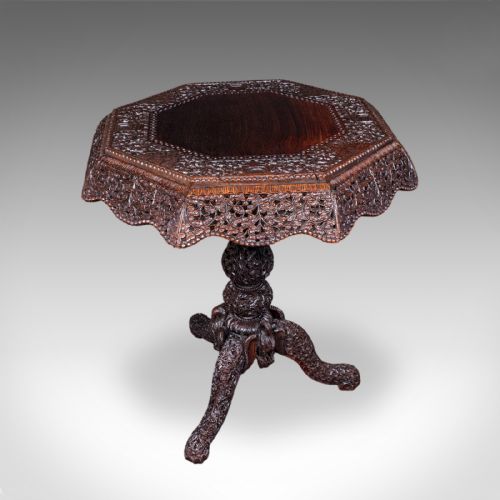
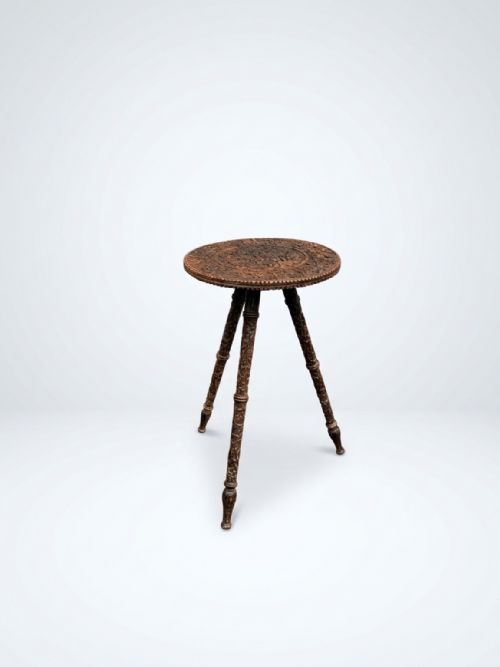
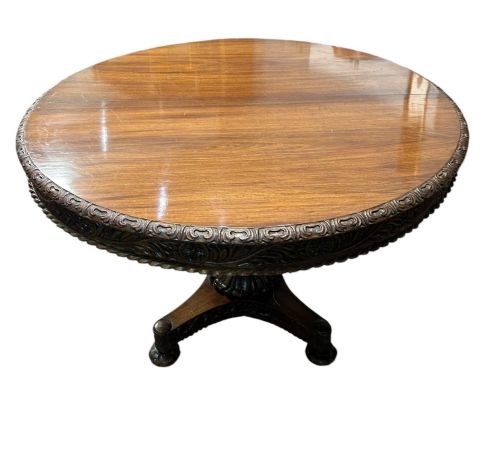
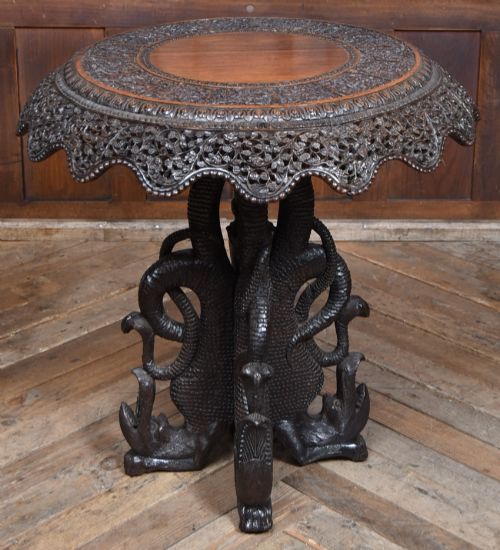
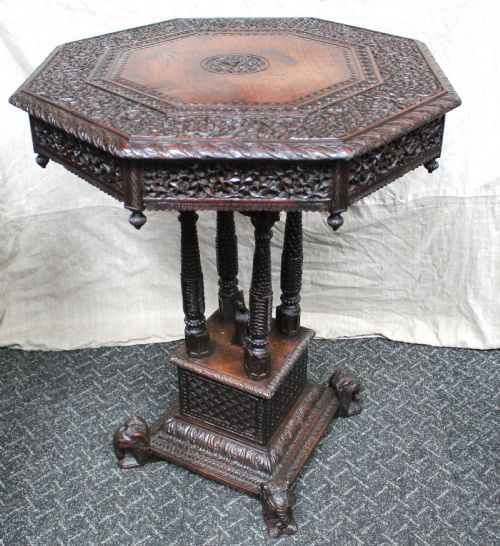
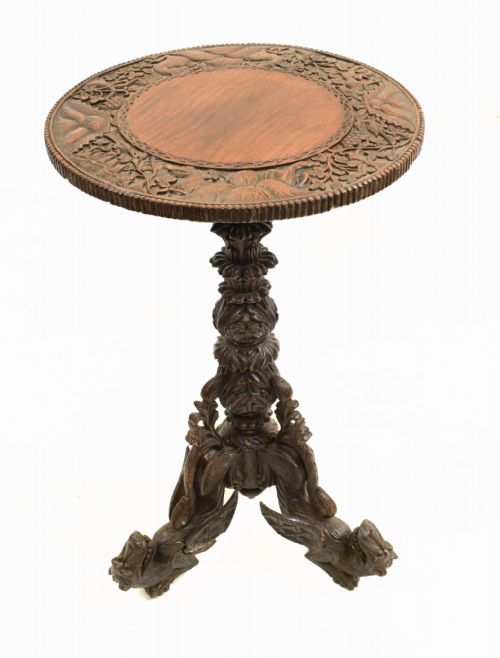
These carved pieces are a victorian anglo burmese table, bringing dense colonial craftsmanship and rich timber into the home.
Victorian Anglo Burmese Table
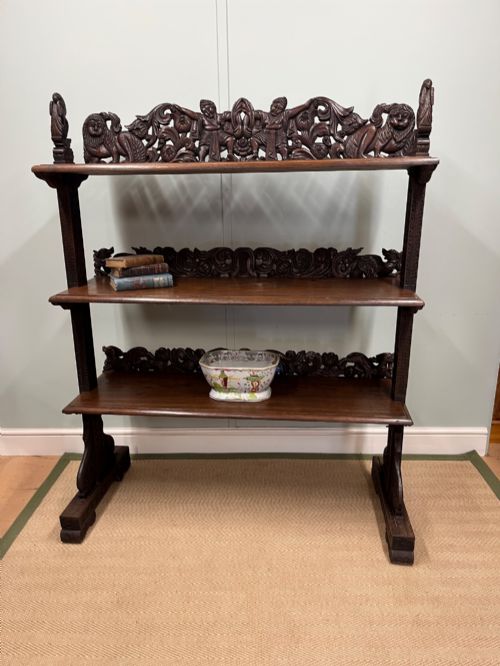
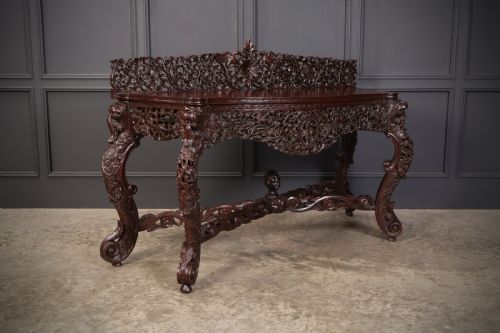
A victorian anglo burmese table encompasses practical domestic forms such as side tables, occasional tables, console tables, and multi-tiered buffets. These pieces emerge from the nineteenth century, capturing the ornate aesthetic of colonial production.
Makers shaped these items from dense Asian timbers, often combining deep carving with functional folding or multi-tier designs. Buyers encounter side tables and occasional tables most frequently in this selection.
The aesthetic blends traditional Burmese carving motifs with British furniture forms of the Victorian era. Console tables and book stands also appear, reflecting the diverse utility demanded by colonial households.
Materials and Technique
Construction relies heavily on dense hardwoods like teak and padauk wood, chosen for their strength and deep natural grain. Artisans employed elaborate hand-carving techniques to cover surfaces with intricate foliage, figures, and animal forms.
Secondary materials such as brass and bone appear in mounts, inlays, or hardware details. These components complement the heavy timber frames without disrupting the dominant carved decoration.
Listings span the nineteenth century, recording items produced between eighteen forty and nineteen hundred in teak and padauk wood.
Craft and Proportion
Quality rests in the crispness of the hand-carving and the structural integrity of the timber. Finer examples display deep, three-dimensional relief work that retains sharp edges across foliage and figures.
Proportion and the selection of timber dictate the standing of a piece within the range. Uniform grain in the padauk or teak and balanced joins elevate the item above simpler production.
The Victorian Anglo Burmese Table Glossary
- Padauk wood
- A heavy, dense tropical timber prized for its reddish-brown colour and durability. It takes fine detail during carving exceptionally well.
- Tip top
- A tabletop hinged to tilt vertically when not in use. This mechanism allowed for easier storage in period interiors.
- Tiered buffet
- A piece featuring multiple horizontal surfaces stacked vertically. These served to display objects or organise domestic items.
- Console table
- A wall-mounted or freestanding table designed to sit against a flat surface. They often feature prominent carved legs.
Victorian Anglo Burmese Table: Frequently Asked Questions
How do I use a tiered table?
Tiered tables and buffets provide multiple display surfaces for books, plants, or decorative objects. Their vertical arrangement saves floor space while offering generous storage capacity.
In living areas, a three-tier piece functions well as an open shelving unit. The lower platforms hold heavier volumes while the top surface displays smaller items.
What wood are these tables made from?
These tables are constructed predominantly from tropical hardwoods native to Southeast Asia. Teak and padauk wood form the structural foundation of almost every piece.
Padauk offers a rich reddish hue, whereas teak provides a warm brown tone. Both timbers resist wear and support the deep relief carving characteristic of the style.
Are these tables sturdy?
The dense hardwoods used in their construction grant these tables substantial natural weight and stability. Joints and frames are built to withstand daily domestic use over generations.
Care should be taken with folding mechanisms or tip-top hinges on occasional tables. Proper handling ensures the longevity of these moving joints.
How do I date these tables?
Dating relies on stylistic markers and recorded periods spanning the nineteenth century. Most examples date from the Victorian era up to nineteen hundred.
Carving depth and the complexity of animal or figural supports often indicate the specific decade of manufacture. Consultation with listed dates helps narrow the timeline.