


Victorian and Edwardian Silver
Victorian and Edwardian silver brings domestic metalwork and pocket items from the late nineteenth and early twentieth centuries into daily use.
Victorian and Edwardian Silver
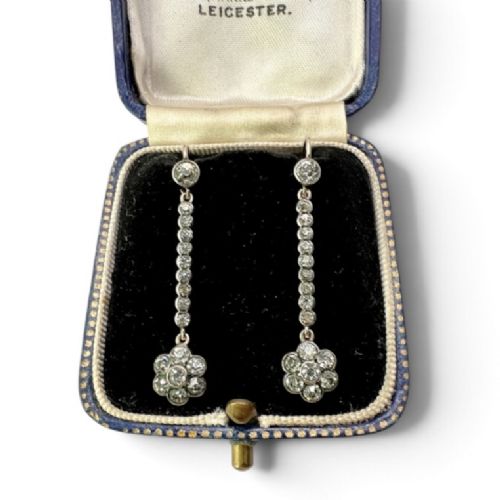
When a buyer searches for victorian and edwardian silver, they encounter a broad inventory spanning pocket watches, cruet sets, scent bottles, and desk accessories. These pieces originate from the Victorian and Edwardian periods, stretching into the early decades of the twentieth century.
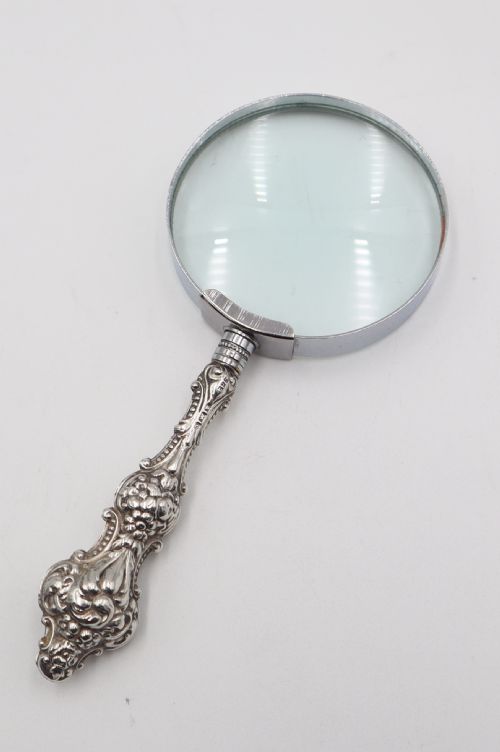
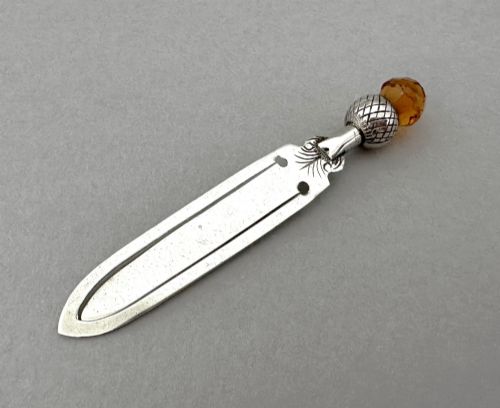
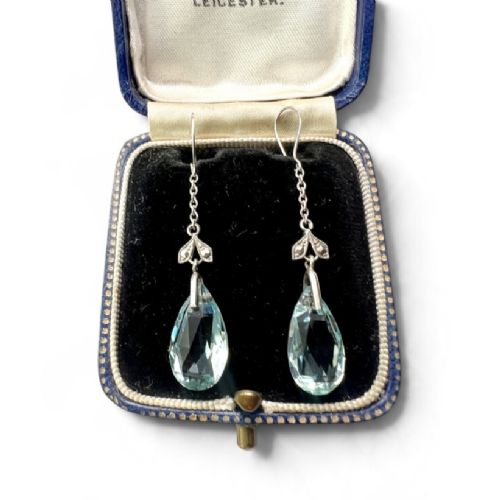
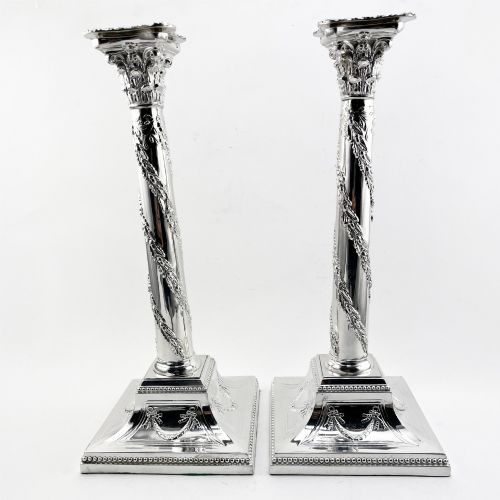
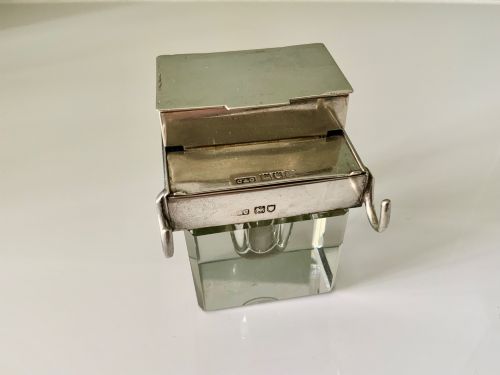
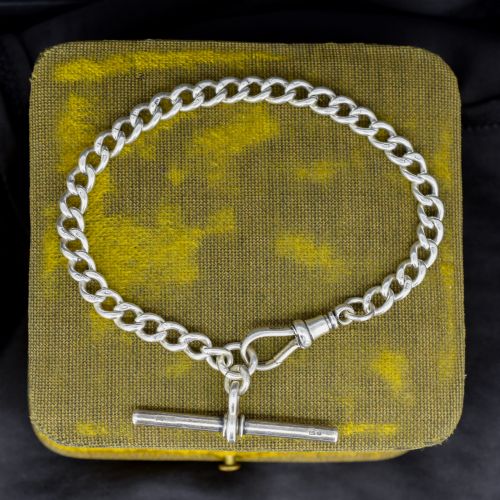
The objects most frequently met on this page include sterling silver long guard chains, novelty pin cushions shaped as chairs or animals, and various silver-mounted desk or dressing table items. Alongside solid sterling pieces, the selection incorporates silver plate combined with oak, glass, and enamel.
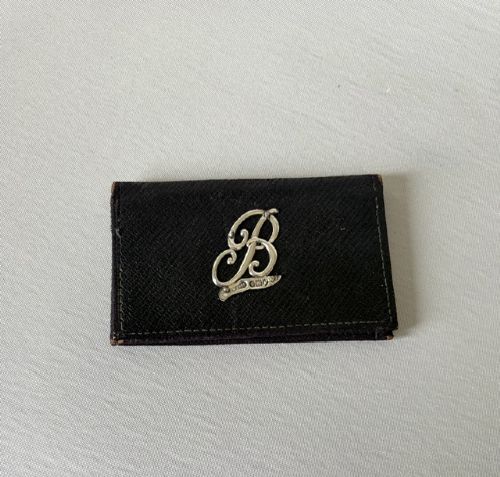
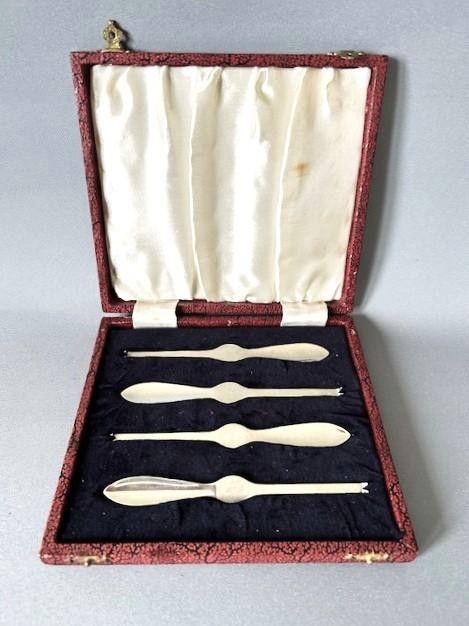
Makers and workshops of the era produced items that served practical functions in the home or personal attire, ranging from card cases and stamp holders to hip flasks and flatware. Each form reflects the domestic habits and personal accessories characteristic of late nineteenth and early twentieth-century life.
How they were made
Metals such as sterling silver and silver plate form the primary structural basis for these items, frequently paired with secondary materials like figured oak, cut glass, velvet, and enamel. Workshops utilised hammering, casting, and repoussé techniques to shape the metal and create raised decorative motifs.
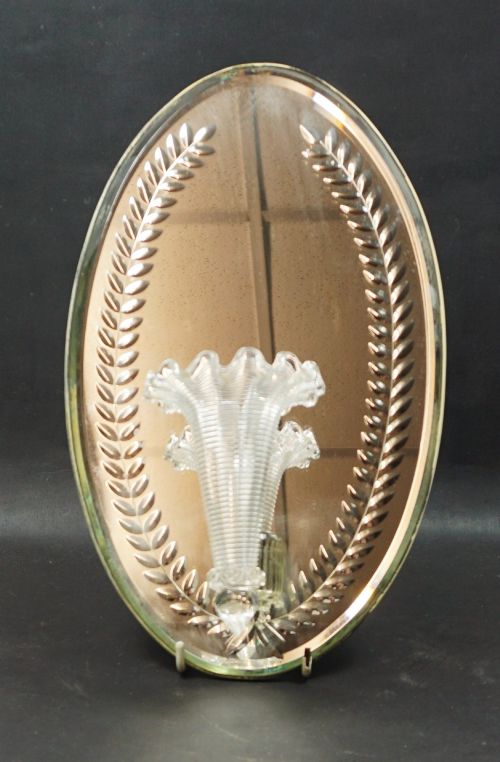
Surface ornamentation relied heavily on hand-chased repoussé work, enamel painting, and engraved detailing to add texture and pattern to snuff boxes, hand mirrors, and photo frames. Mixed-media pieces integrated wood and metal, as seen in oak gallery trays, wine coolers, and tantalus sets fitted with silver-plated mounts.
Victorian and Edwardian Silver Retail Price Guide 2026
Typical asking prices for victorian and edwardian silver among the pieces listed under this phrase on Sellingantiques today, from the lower quarter to the upper quarter. They describe what is for sale here now, not the wider market.
Among the miniature creatures guarding pins on dressing tables, a silver-mounted otter and a seated camel wait patiently.
What varies in quality
Quality separates mass-produced utility wares from pieces that exhibit meticulous hand-finishing, such as crisp repoussé relief on snuff boxes or finely detailed casting on novelty pin cushions. The depth and clarity of hallmarks and maker marks indicate the standard of production and the integrity of the silver.
The integration of mixed materials also defines the tier of an object, distinguishing standard mounted items from those featuring superior glass cutting, enamel work, or dense figured oak cabinetry fitted with secure locks.
SAMPSON MORDAN·CARLTONWARE·William Comyns
The Victorian and Edwardian Silver Glossary
- Sterling silver
- A silver alloy containing 92.5 percent pure silver and 7.5 percent other metals, usually copper, ensuring durability for tableware and personal items.
- Repoussé
- A metalworking technique where the artisan hammers the metal from the reverse side to form a raised design in relief on the front.
- Tantalus
- A locking wooden beverage cabinet fitted with a metal frame that secures decanters in place while displaying their contents.
- Vesta
- A small pocket box designed to hold matches, often fitted with a striking surface on the base.
- Cruet set
- A matched collection of small glass bottles or jars mounted in a metal frame for holding condiments at the dining table.
Victorian and Edwardian Silver: Frequently Asked Questions
What is a silver guard chain?
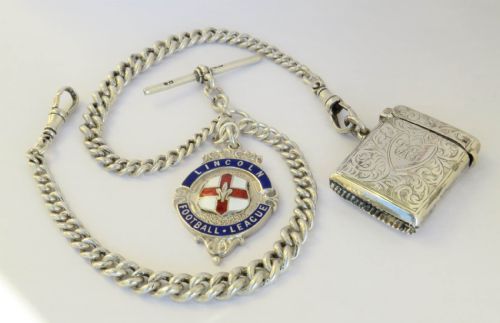
A long guard chain is a heavy silver chain designed to be worn around the neck, often measuring over fifty inches in length. They frequently feature clips or dog clips intended for suspending pocket watches, lockets, or muff items.
These chains reflect the practical requirements of Victorian and Edwardian dress, keeping timepieces secure and accessible during daily wear.
How do I identify a novelty pin cushion?
Novelty pin cushions take whimsical sculptural forms, such as chairs, animals, or wheeled objects, cast in solid silver and fitted with a fabric cushion. Makers utilised these playful shapes to appeal to the Victorian market for decorative desk and dressing table accessories.
Examining the base reveals hallmarks that confirm the silver standard and production period of the piece.
What is a tantalus used for?
A tantalus is a locking wooden box or frame that holds two or three decanters filled with spirits. The locking mechanism prevents unauthorized access to the contents while displaying the glass bottles through a wooden or metal framework.
Victorian homes utilised these cabinets in studies or dining rooms to secure alcoholic beverages from household staff.
How are silver hallmarks read?
Hallmarks stamped into silver items indicate the metal standard, the assay office, and the year of manufacture through specific alphabetical and symbol codes. These official marks provide evidence of authenticity and origin for pieces produced by British and international workshops.
Collectors examine these tiny punch marks with a loupe to trace the history and maker of each item.