


Victorian Accent Stand
A Victorian accent stand brings purposeful mobility and rich timber character to a room, functioning equally as a lamp table, wine table or display whatnot.
Victorian Accent Stand
A Victorian accent stand covers a diverse group of portable occasional furniture designed to hold lamps, drinks or decorative objects within a nineteenth century interior. Pieces span from mid nineteenth century examples in burr walnut and mahogany to later manifestations in oak, bamboo and ebonised wood.
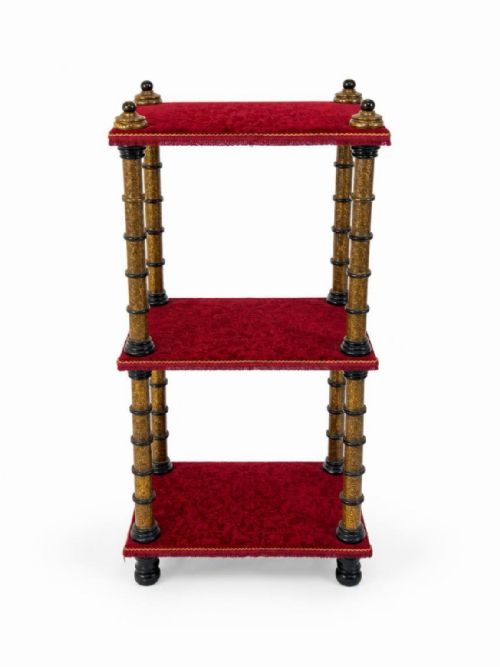
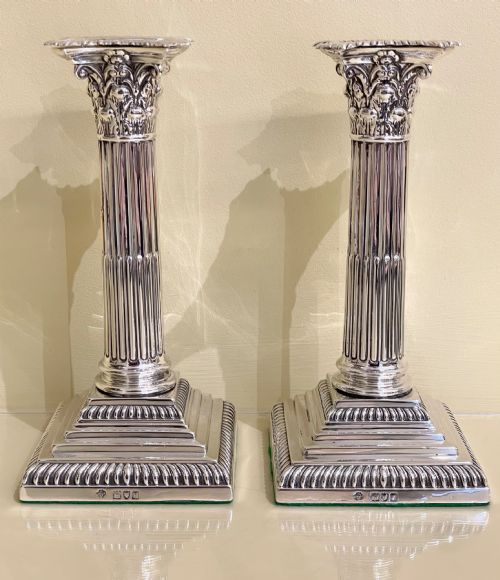
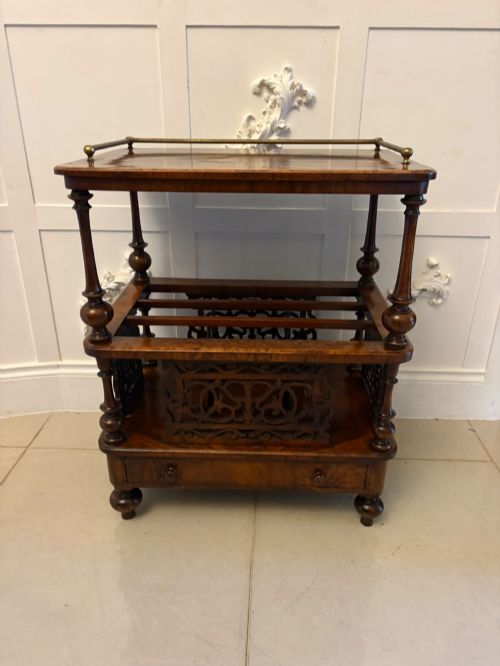
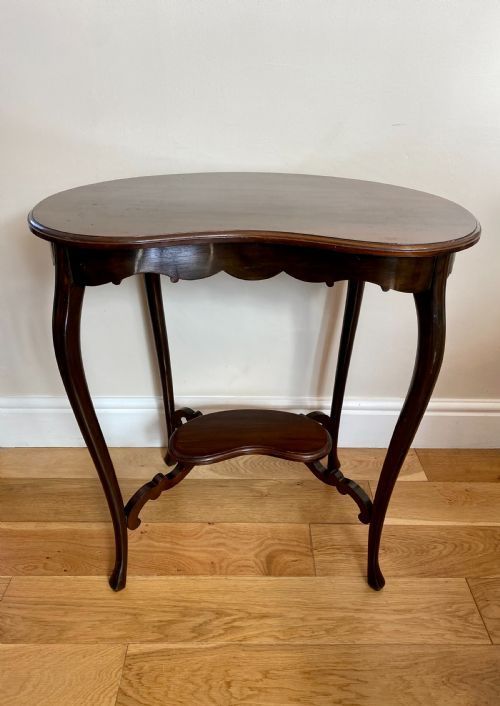
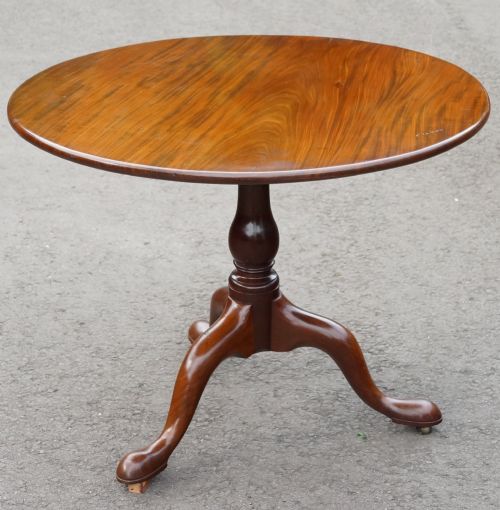
The selection here encompasses side tables, wine tables, canterburys, etageres and candlesticks spanning the nineteenth century alongside select Regency and Edwardian pieces. Buyers meet tripod tables, kidney shaped lamp tables and tiered display shelves reflecting styles from Aesthetic Movement to Arts and Crafts.
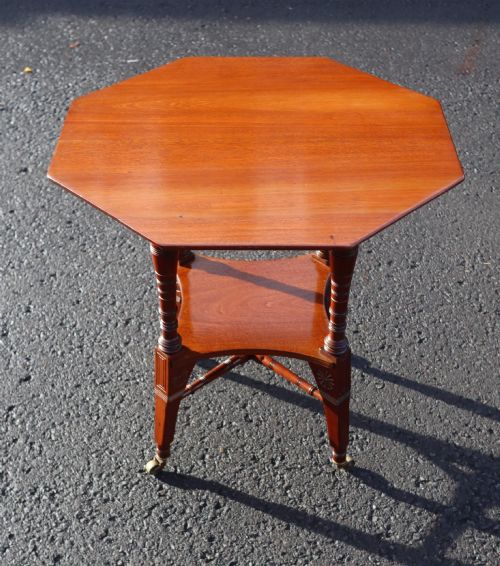
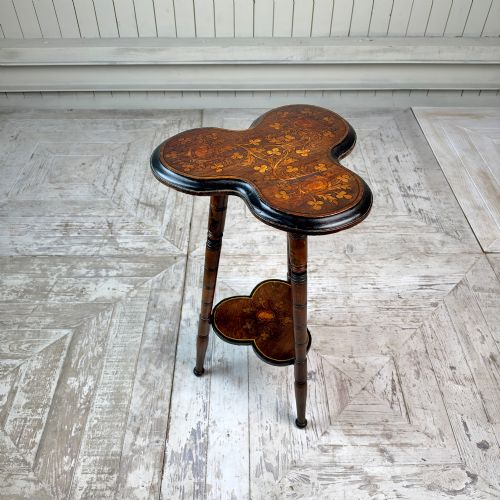
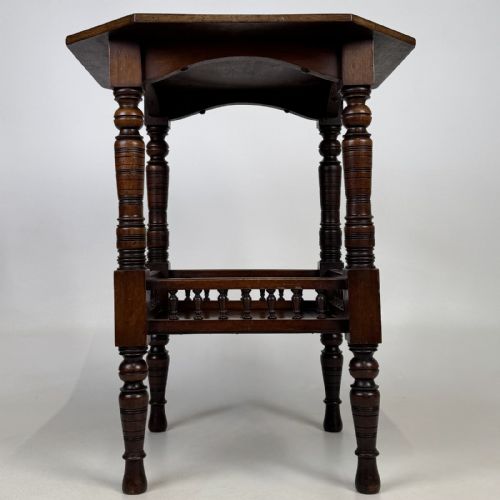
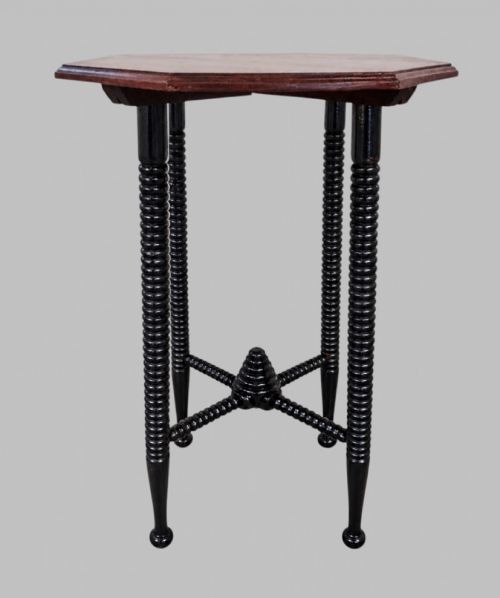
Makers and designers of the period utilised varied silhouettes, ranging from octagonal and oval table tops to rustic twig structures and penwork decorated surfaces. This variety provides functional accent furniture suited to modern living spaces while retaining distinct nineteenth century origins.
Materials and construction
Cabinetmakers constructed these stands predominantly in solid timbers and rich veneers, favouring mahogany, burr walnut and oak alongside fruitwood, satinwood and pine. Workshops applied decorative techniques including marquetry inlay, penwork, lacquer, brass galleries and gilded brass mounts.
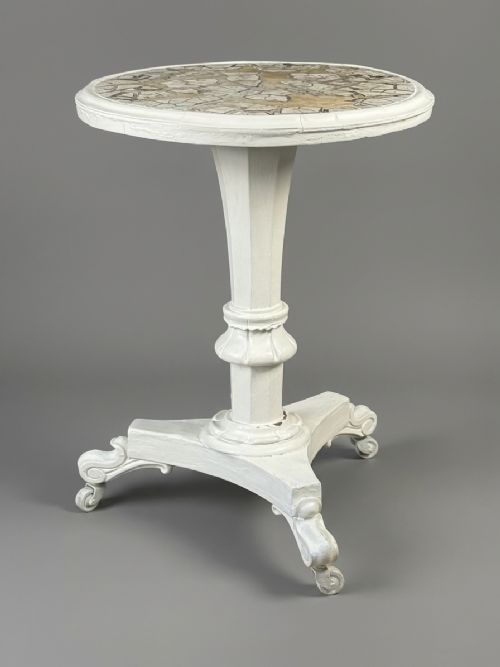
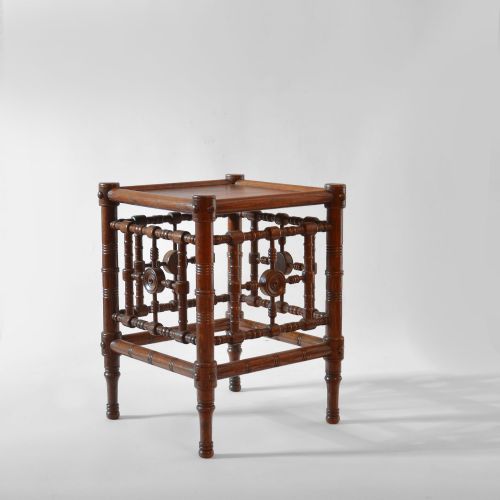
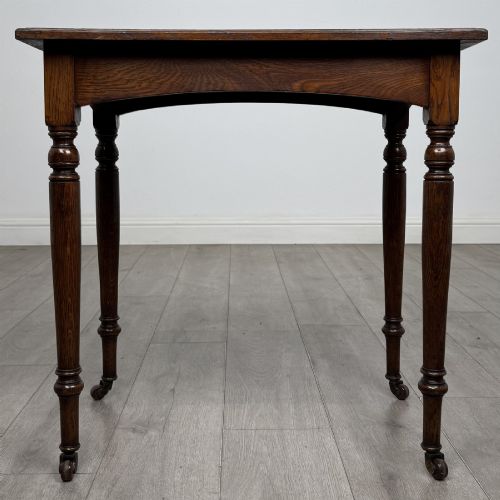
Structural methods involve turned legs, barley twists, bobbin turning and tripod bases, occasionally incorporating brass castors or detachable tilt tops. Surface ornamentation ranges from geometric specimen stone panels and Chinoiserie painting to elaborate wood carving and bamboo framing.
Victorian Accent Stand Retail Price Guide 2026
Typical asking prices for victorian accent stand among the pieces listed under this phrase on Sellingantiques today, from the lower quarter to the upper quarter. They describe what is for sale here now, not the wider market.
Craftsmanship and design
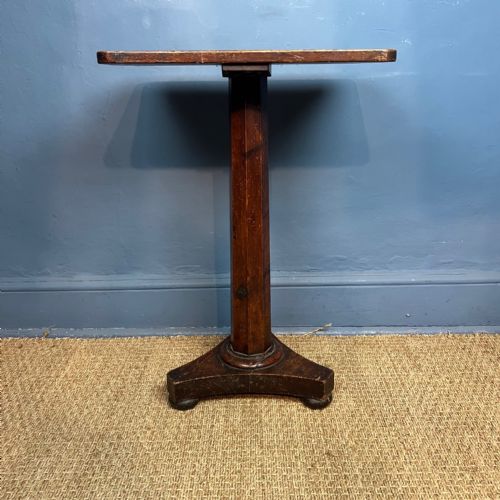
Quality reveals itself in the selection of timber veneers, such as richly figured burr walnut or figured mahogany, paired with crispness in turned legs and inlaid marquetry. Finer examples display thoughtful proportions, integrated brass galleries and stable tripod or four pillar bases.
Execution of decorative details separates standard production from superior workshop output, distinguishing simple vernacular items from sophisticated cabinetwork. Subtle elements like balanced carving, secure joints and refined surface finishes dictate the standing of each piece.
Edwards and Roberts
The Victorian Accent Stand Glossary
- Whatnot
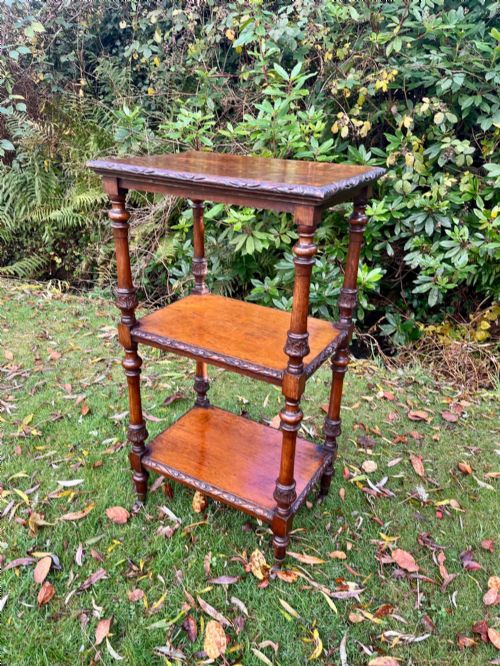
- A piece of furniture consisting of open shelves for displaying books or ornaments. These typically feature three or more tiers supported by slender uprights.
- Etagere
- A set of open shelves for displaying small objects or bric-a-brac. French in origin, these frequently incorporate multiple tiers and decorative woodwork.
- Canterbury
- A low stand designed for holding sheet music, folios or newspapers. Victorian examples often combine this function with a small display whatnot top.
- Tripod table
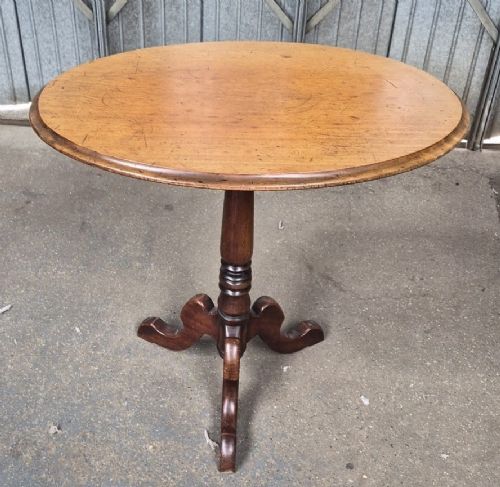
- A small table supported by a pillar resting on three legs. The design allows stable placement on uneven floors and frequently includes a tilt top mechanism.
- Gipsy table
- A light occasional table with a cloth draped top or simple wooden surface supported on three slender turned legs. These emerged as popular informal furniture during the late nineteenth century.
Victorian Accent Stand: Frequently Asked Questions
What is a Victorian accent stand used for?
These versatile pieces serve as convenient surfaces for lamps, books, drinks and decorative objects beside seating or in hallways. Their portable nature allowed nineteenth century households to move them easily around rooms according to immediate needs.
Today they function as practical lamp tables or plant stands while adding period character to contemporary interiors. Their compact footprints suit awkward corners and smaller spaces where larger furniture fails to fit.
Where should I place a wine table?
Wine tables work effectively beside armchairs or sofas to hold glasses, cups or small reading lamps without cluttering the floor space. Their compact circular or octagonal tops make them ideal companions for seating areas.
They also sit comfortably as independent display surfaces in landings, bedrooms or quiet corners. Placing them away from direct heat sources protects vulnerable nineteenth century veneers and polished finishes.
What is an etagere?
An etagere is a multi-tiered freestanding shelving unit designed specifically for the display of ornaments and decorative objects. Originating in France, these stands became fashionable in Victorian drawing rooms for showing off porcelain and curiosities.
They combine vertical display capacity with a minimal floor footprint, making them practical for showcasing collections in smaller rooms. Their open structure ensures light passes through the shelves freely.