



Victorian Decorative Shelf
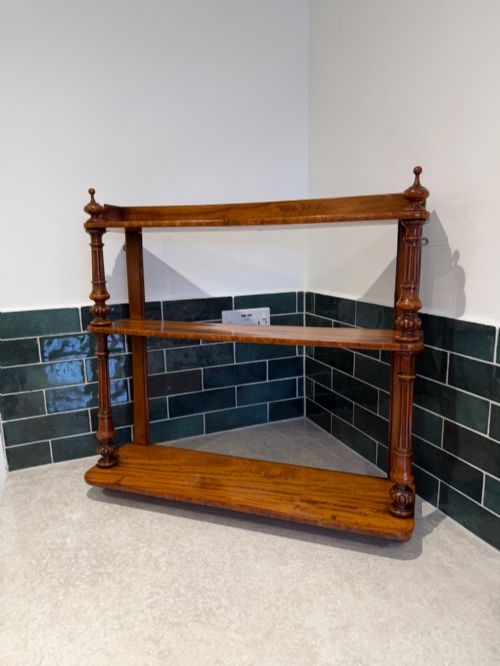
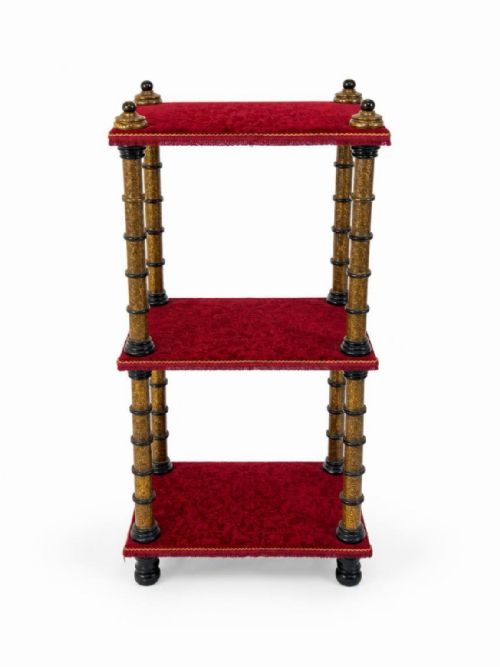
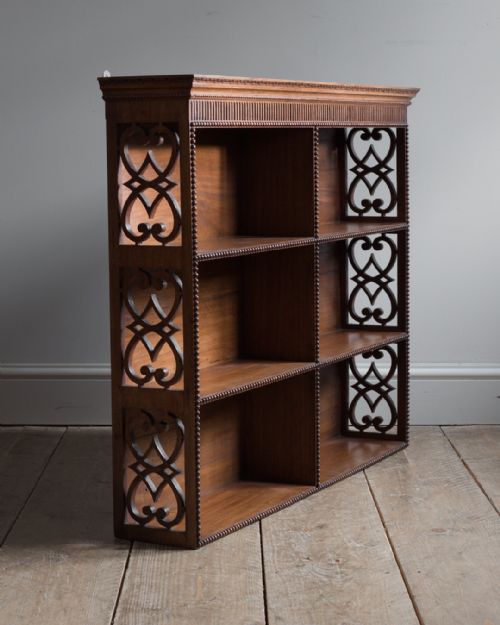
A victorian decorative shelf brings intricate woodwork and architectural character to a room, offering a display space that defines its surroundings.
Victorian Decorative Shelf
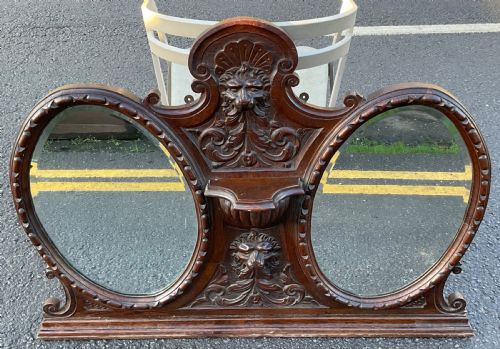
When searching for a victorian decorative shelf, collectors encounter various forms including wall brackets, whatnots, overmantel mirrors, and tiered displays. These items emerge primarily from the nineteenth century, spanning decades from the eighteen-fifties through the nineteen-hundreds.
Many items display revival influences, touching upon Rococo, Gothic, and Louis styles through carved ornamentation and applied details. The form functions both as a practical ledge for ornaments and as a decorative focal point in its own right.
How they were made
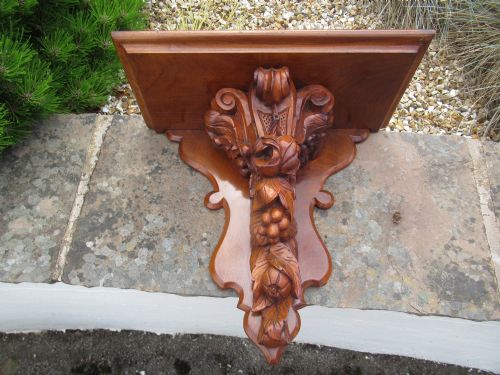
Carpenters and cabinetmakers utilised woods such as walnut, mahogany, oak, and red walnut, often employing marquetry, ebonising, or intricate carving to shape the surface. Solid timbers and veneers give these shelves their structural integrity and decorative grain patterns.
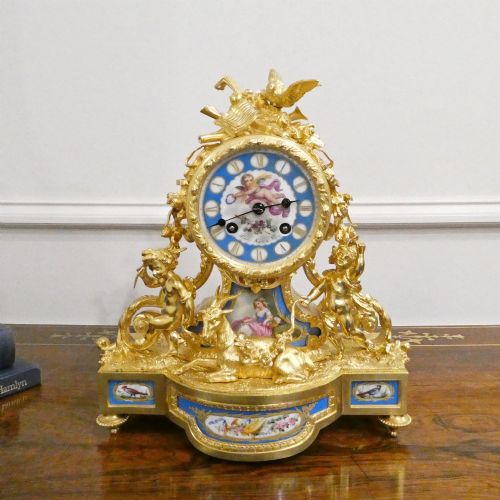
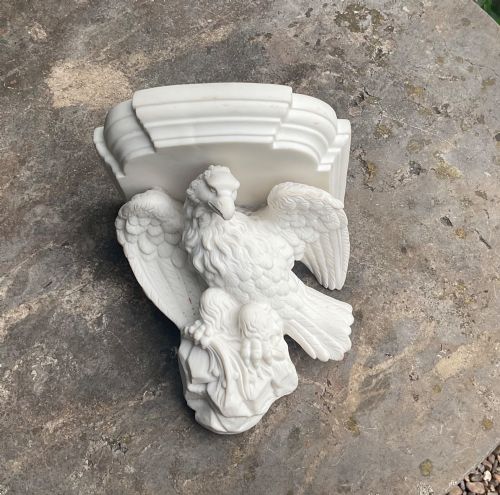
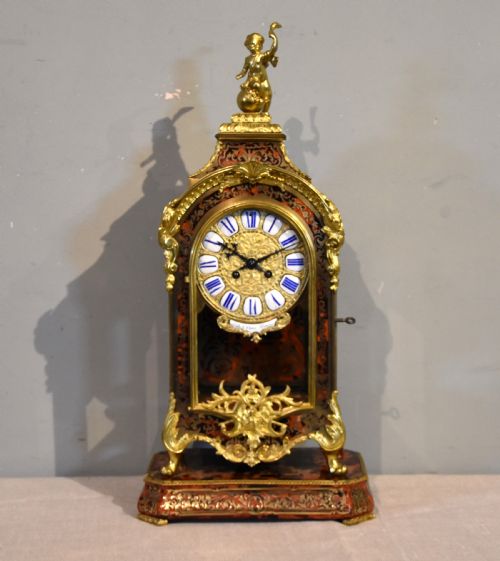
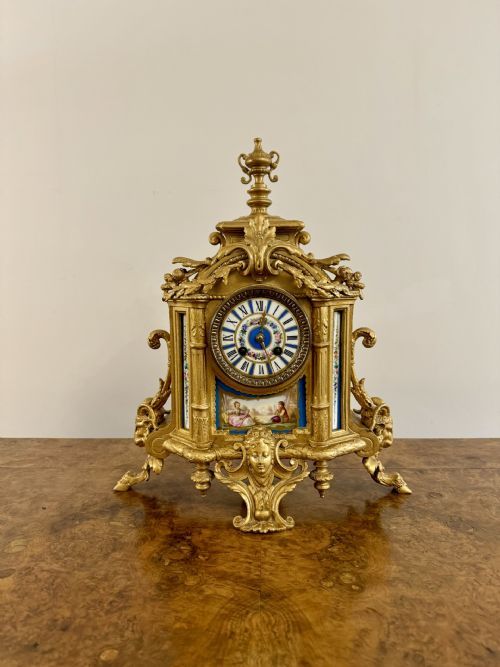
Makers incorporated cast metals, gilt bronze, ormolu, and porcelain elements into French and English designs, mounting brackets and shelves with robust iron or bronze hardware. Carved corbels and fretwork panels required skilled hand-tooling to achieve the dimensional depth seen across the period.
Victorian Decorative Shelf Retail Price Guide 2026
Typical asking prices for victorian decorative shelf among the pieces listed under this phrase on Sellingantiques today, from the lower quarter to the upper quarter. They describe what is for sale here now, not the wider market.
Listings feature items spanning the seventeenth to the twentieth century, with a strong concentration of Victorian pieces from eighteen-eighty.
What varies in quality
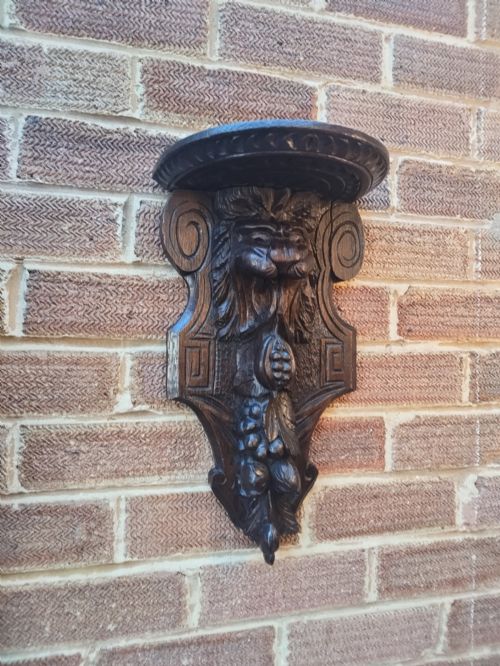
The depth and crispness of the hand-carving separate standard utility items from superior examples, particularly on walnut and oak brackets where crisp foliage or figural elements show the carver's hand. The choice of timber grain, such as burr walnut or figured mahogany, indicates the ambition of the original maker.
Integration of contrasting materials, including porcelain plaques, gilt bronze mounts, or inlaid veneers, determines the refinement of the piece. Construction methods, from joined corners to heavy cast iron bracing, dictate how securely a shelf bears weight on a wall.
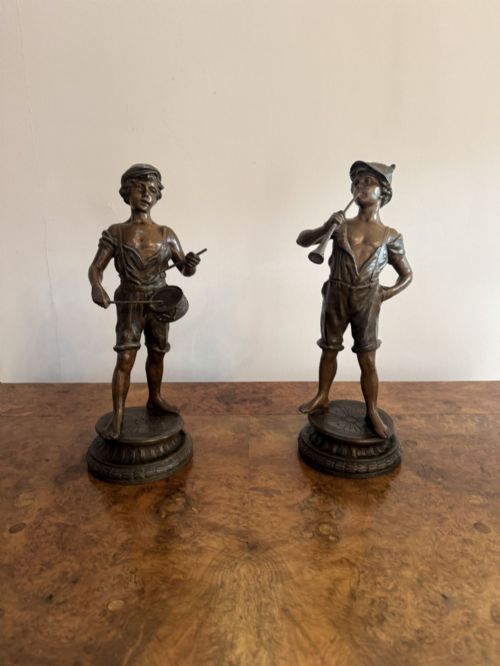
Henry Marc·Royal Dux
The Victorian Decorative Shelf Glossary
- Corbel
- A projecting bracket of stone, wood, or metal supporting a weight above it. In wall shelves, it provides both structural support and decorative scrollwork.
- Ormolu
- Gilded bronze applied to furniture mounts and clock cases. The technique involves coating bronze with a mercury-gold amalgam and heating it.
- Marquetry
- Decorative veneer work arranged in pictorial or geometric patterns using various coloured woods. It creates complex surface designs on tabletops and cabinet fronts.
- Etagere
- A piece of furniture consisting of a set of open shelves for displaying trinkets. The term often overlaps with the definition of a whatnot.
Victorian Decorative Shelf: Frequently Asked Questions
How were wall shelves used in Victorian homes?
Victorians mounted these shelves on walls to display porcelain, small clock cases, and decorative ornaments. They served to break up flat expanses of wallpaper and organise cabinet collections.
Heavier brackets supported architectural elements or large clocks, while lighter tiered shelves held delicate ornaments within parlours and drawing rooms.
What woods are typical for these shelves?
Makers utilised walnut, mahogany, oak, and pine for the primary structure of wall brackets and display shelves. Burr walnut and ebonised finishes appear on finer display pieces.
Softer pine and heavier oak served architectural functions or supported cast iron and bronze hardware components.
How do I distinguish revival styles?
Rococo revival pieces display asymmetrical scrollwork, C-scrolls, and naturalistic foliage carved into the wood or cast in bronze. Gothic revival examples incorporate pointed arches, trefoils, and heavy carved oak.
French Louis influences introduce gilt bronze mounts, porcelain plaques, and symmetrical classical motifs across the wooden framework.
Are these shelves sturdy enough for heavy items?
Many wall brackets feature cast iron or heavy bronze supports designed to bear substantial weight, such as large clocks or architectural elements. Solid oak and walnut corbels offer strong structural anchorage when properly fixed to wall studs.
Lighter fretwork shelves and delicate whatnot tiers suit small porcelain figures and ornaments rather than heavy objects.