




Vernacular Oak Tripod Table
These vernacular oak tripod table examples are sturdy country pieces built for everyday use, offering rustic charm and honest timber construction.
Vernacular Oak Tripod Table
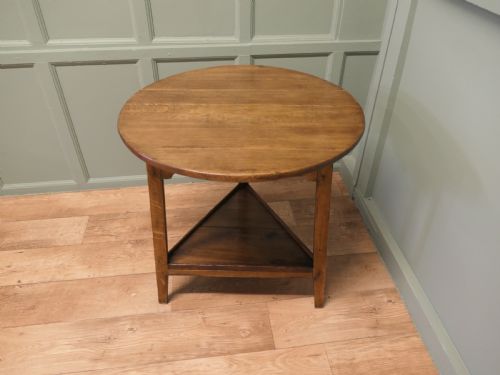
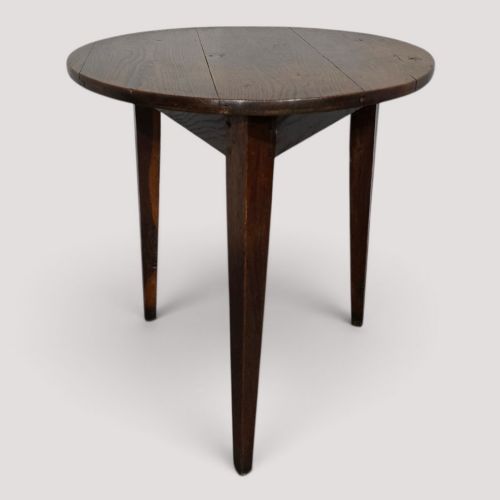
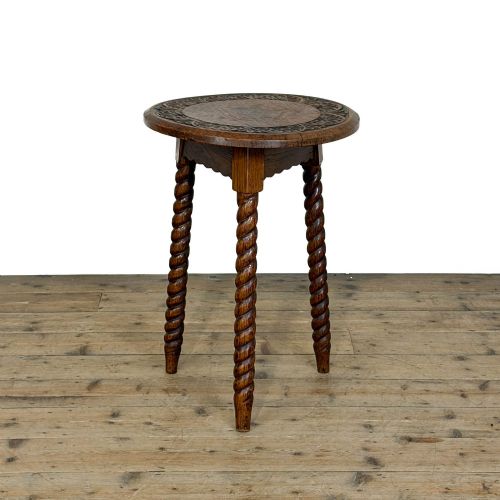
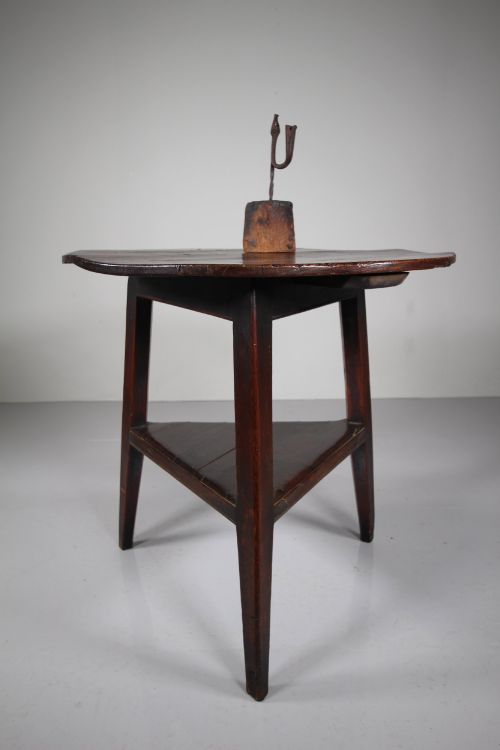
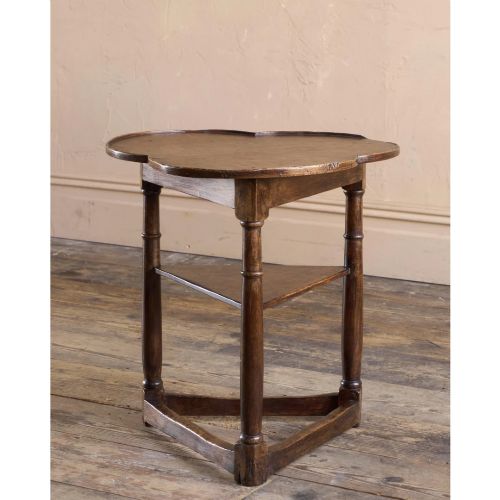
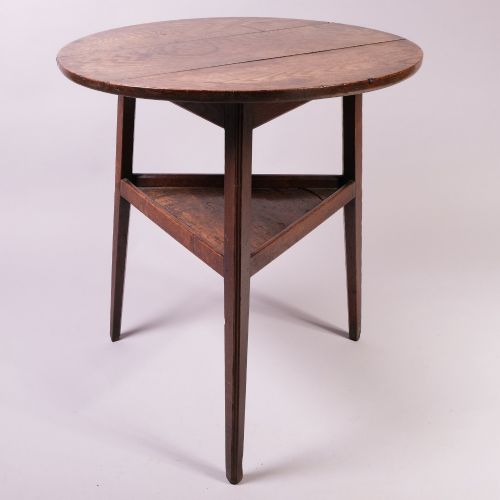
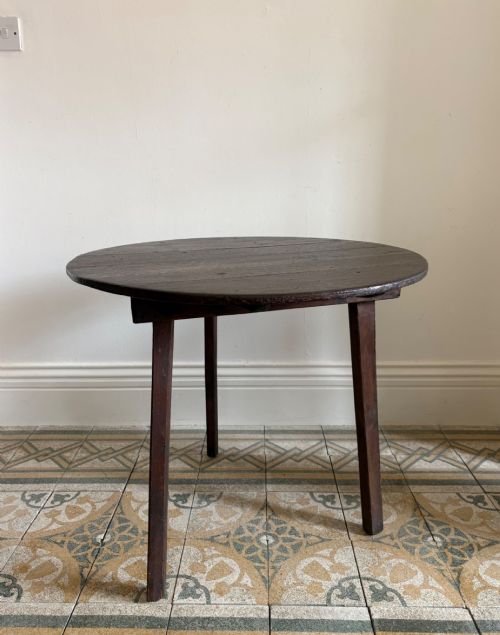
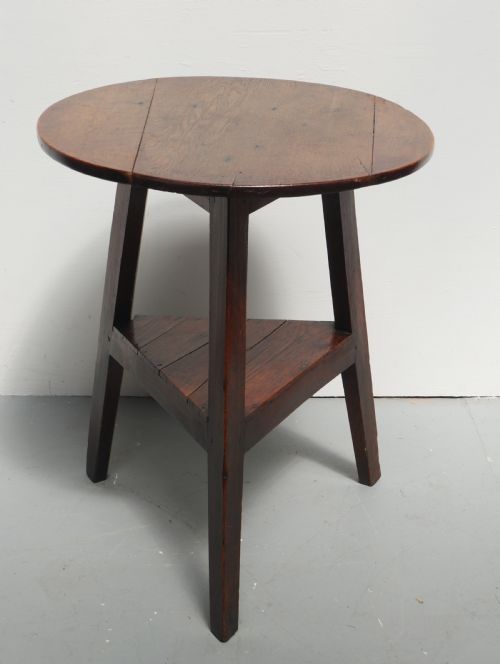
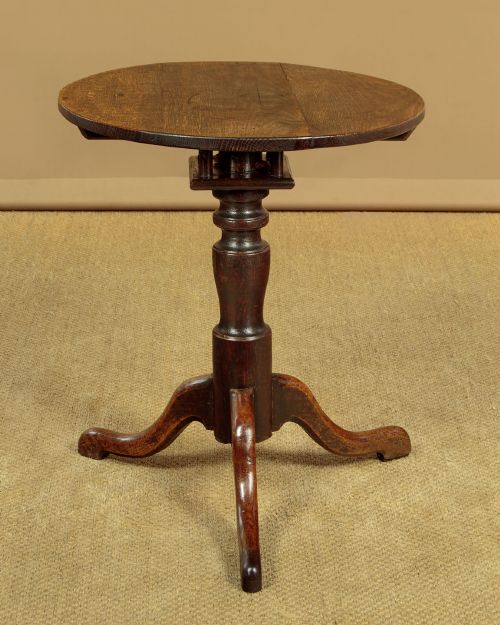
A vernacular oak tripod table is a practical piece of country furniture, most often appearing here as a three-legged cricket table originating from the seventeenth, eighteenth, and nineteenth centuries. These items serve as side tables or occasional tables in rustic settings, featuring plank or trefoil tops supported by three splayed legs.
The regional variety spans English country pieces as well as examples originating from Wales, sometimes constructed with pine bases or elm components. Alongside standard circular tops, variants include specific shapes like the trefoil top, reflecting the utilitarian needs of rural households.
Materials and construction
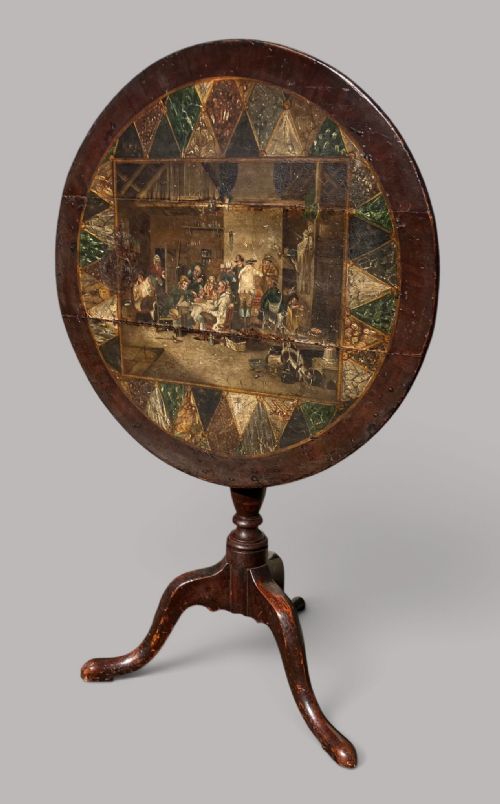
Makers relied primarily on native timbers, combining oak for stable plank tops with ash, elm, or fruitwood for legs and structural supports. Secondary woods such as pine occasionally form the base structure, while surviving painted finishes demonstrate early surface treatments.
Joinery methods reflect a primitive, practical approach designed for stability on uneven floors rather than courtly refinement. Tops are joined directly to the three legs, which wedge into the underside to create a rigid tripod stance.
Vernacular Oak Tripod Table Retail Price Guide 2026
Typical asking prices for vernacular oak tripod table among the pieces listed under this phrase on Sellingantiques today, from the lower quarter to the upper quarter. They describe what is for sale here now, not the wider market.
Object forms include side tables, occasional tables, tripod tables, and milking stools.
Judging quality and character
Quality in a vernacular oak tripod table rests in the unadulterated state of the timber and the honesty of the construction. Pieces retaining original naive paintwork or untouched surface patination stand apart from those stripped or overly restored.
Proportion and timber selection also dictate desirability, with well-balanced legs and characterful grain patterns elevating simple domestic objects into notable examples of country craftsmanship.
The Vernacular Oak Tripod Table Glossary
- Cricket table
- A small three-legged vernacular table typically featuring a circular wooden top and splayed legs. This form gained popularity in domestic spaces for light tasks.
- Trefoil top
- A tabletop shaped to resemble a three-leaf clover, providing a distinct geometric variation on standard round surfaces. This design appears on specific early examples.
- Vernacular
- Furniture made by local craftsmen for everyday domestic use rather than following high-style urban fashions. These pieces utilise regional materials and traditions.
- Plank top
- A tabletop constructed from solid boards joined together rather than a single wide slab. This method was essential for creating stable surfaces from native timber.
Vernacular Oak Tripod Table: Frequently Asked Questions
What is a cricket table?
A cricket table is a small three-legged occasional table designed for domestic use in country settings. The three-legged construction provided stability on uneven farmhouse floors.
Most examples feature a round wooden top supported by three splayed wooden legs pegged into the underside.
How old are these tables?
The pieces listed span from the seventeenth century through the Georgian era and into the nineteenth century. Earlier examples often show simpler construction methods and deeper timber patination.
Dating relies on stylistic clues, nail types, and the wear patterns accumulated across centuries of domestic use.
Where were they made?
These tables originated in rural workshops across England and Wales, using locally sourced native timbers. Regional variations include Welsh vernacular pieces and specific local styles from areas like Snowdonia.
Local craftsmen built them for practical household tasks without following formal London furniture designs.