






Georgian Painted Tripod Table
A georgian painted tripod table brings warmth and colour to a corner, offering a clever surface that folds away when needed.
Georgian Painted Tripod Table
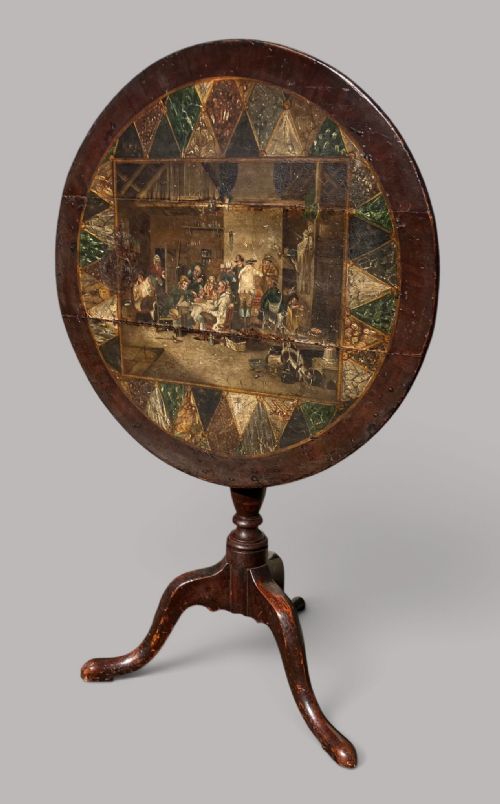
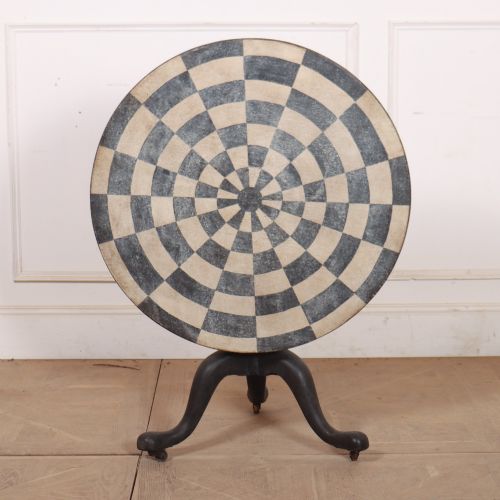
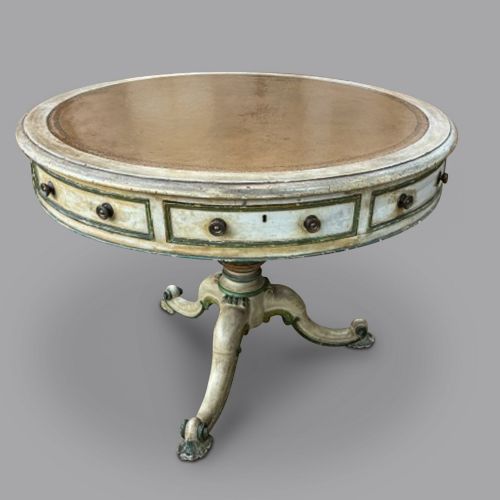
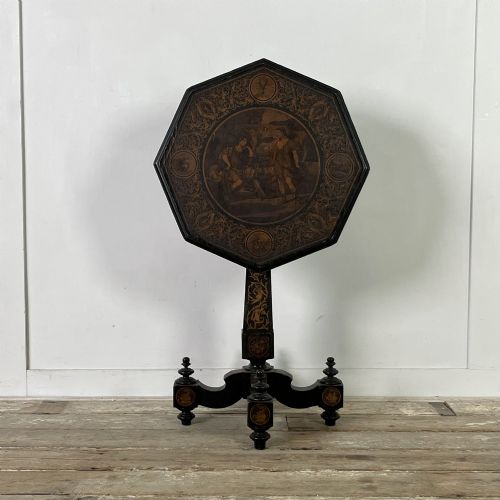
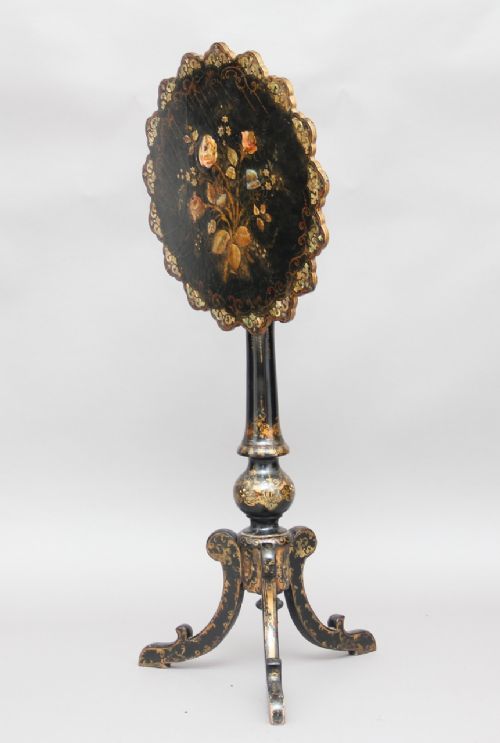
When you search for a georgian painted tripod table, you find small occasional furniture designed for domestic use during the eighteenth and nineteenth centuries. These pieces stand on three-legged pedestals and often feature tilting tops or drum surfaces.
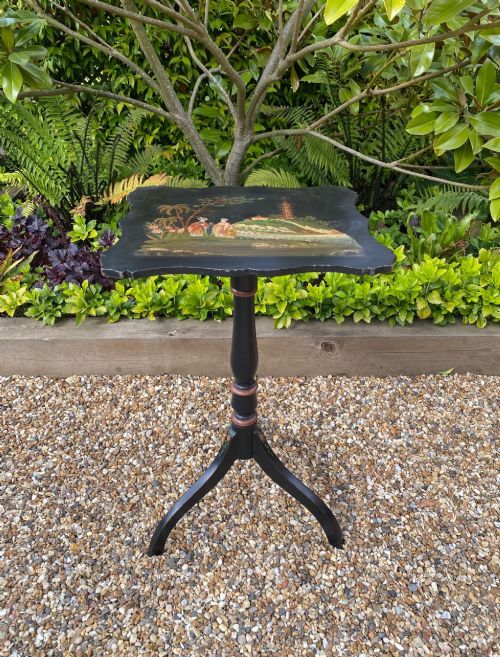
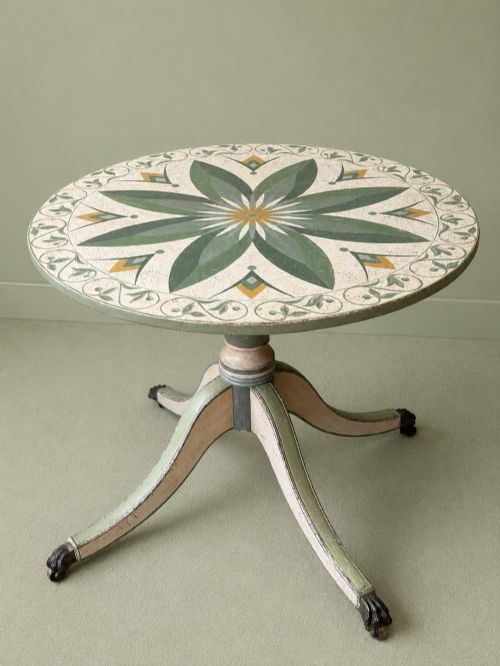
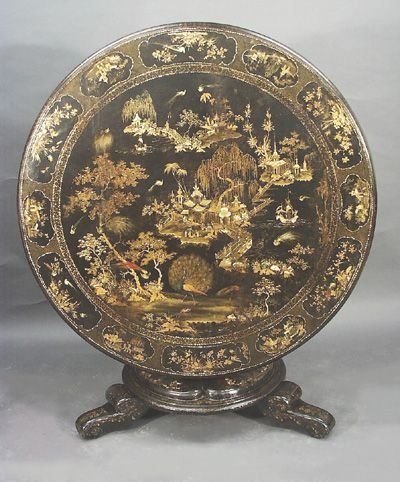
The versions you meet on this page range from vernacular oak examples with naive paintwork to refined satinwood designs influenced by the Regency period and Adam style. Chinoiserie and japanned finishes also appear, showing oriental taste through lacquer and gilt.
Makers produced these tables as side, lamp or wine stands, making them versatile additions to period rooms. Their forms include tilt-top mechanisms and multi-tiered pedestals alongside simpler fixed surfaces.
How they were made
Cabinetmakers constructed the frames using native and exotic timbers such as oak, mahogany, satinwood and satin birch. Carpenters turned the central pedestals on lathes and joined them to three spreading legs.
Surface decoration involved layers of paint, lacquer and gilt applied over wood. Artisans created intricate oriental motifs through chinoiserie techniques or employed ink work on tilt-top surfaces.
Georgian Painted Tripod Table Retail Price Guide 2026
Typical asking prices for georgian painted tripod table among the pieces listed under this phrase on Sellingantiques today, from the lower quarter to the upper quarter. They describe what is for sale here now, not the wider market.
The listings show pieces spanning the eighteenth and nineteenth centuries, incorporating oak, satinwood, brass and lacquer.
What varies in quality
The distinction between pieces rests on the integrity of the original paintwork and the precision of the timber turning. Untouched vernacular surfaces with early pigment hold different appeal compared to later decorated examples.
Proportion and stability in the pedestal mechanism dictate the standard of construction. Finer tables balance delicate satinwood veneers with crisp joinery, while simpler oak versions rely on robust utility.
The Georgian Painted Tripod Table Glossary
- Tripod table
- A small freestanding table supported by a central pillar resting on three legs. This design became popular in the eighteenth century for serving tea and holding candles.
- Tilt top table
- A table featuring a mechanism that allows the surface to hinge vertically when not in use. This clever engineering saved valuable floor space in period rooms.
- Chinoiserie
- European imitation and interpretation of Chinese and East Asian artistic traditions. It frequently appears on furniture through lacquerwork, gilt and painted figures.
- Japanned
- A European process of finishing furniture with heavy varnishes in imitation of Japanese lacquer. Artisans built up layers to achieve a dark, glossy surface.
- Satinwood
- A hard, durable timber with a golden sheen used in fine cabinetmaking. Regency makers favoured it for smooth, light surfaces.
Georgian Painted Tripod Table: Frequently Asked Questions
How do I spot later decoration?
Later decoration often appears on older oak or mahogany frames where paint was applied long after manufacture. Close inspection reveals how the pigment sits over existing wear and tear.
Original paintwork shows uniform ageing integrated into the timber beneath. Experts look for craquelure and consistency in the underlying material.
Where were these tables used?
These pieces served as versatile furnishings in drawing rooms, parlours and bedchambers. Owners moved them easily to hold lamps, wine glasses or books.
Their three-legged design kept them stable on uneven floorboards. This made them practical for everyday domestic tasks in period homes.
What is the difference between japanned and chinoiserie?
Japanned surfaces imitate Japanese lacquerwork using dark varnishes and raised metallic details. The finish creates a glossy, dark background often accented in gold.
Chinoiserie is a broader European style interpreting East Asian motifs. It encompasses painted scenes, figures and pavilions across various furniture types.