


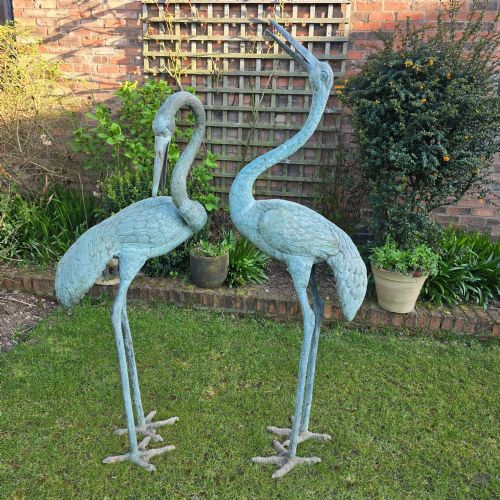


Verdigris Bronze Sculpture
These verdigris bronze sculpture pieces bring classical antiquity, natural history and decorative craft into interiors and gardens through patinated metal and sculptural forms.
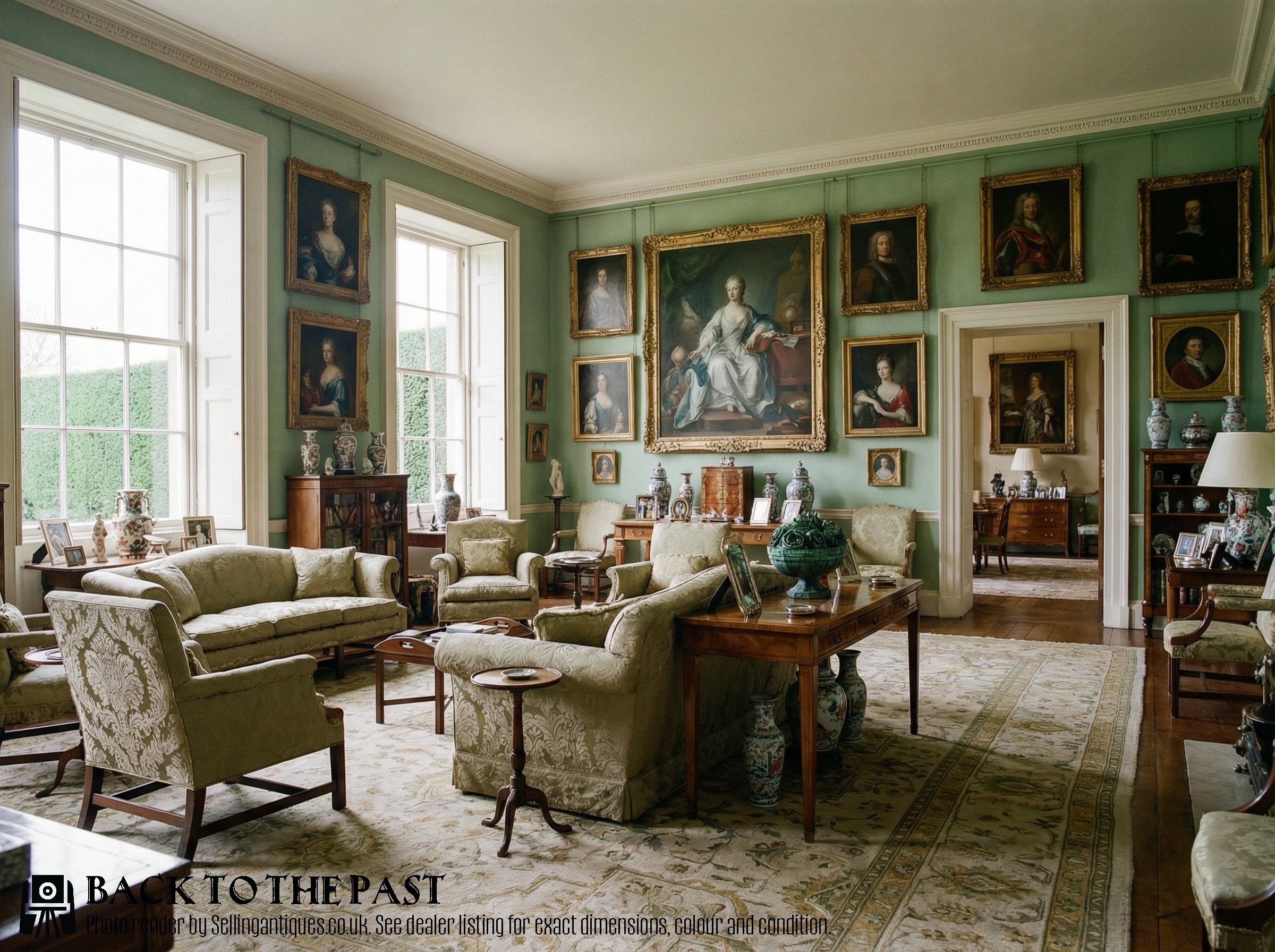
Verdigris Bronze Sculpture
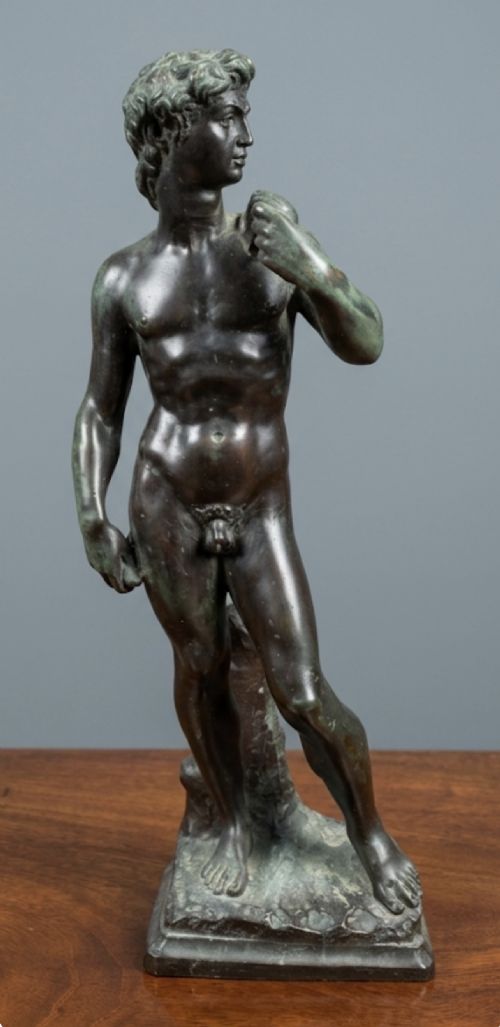
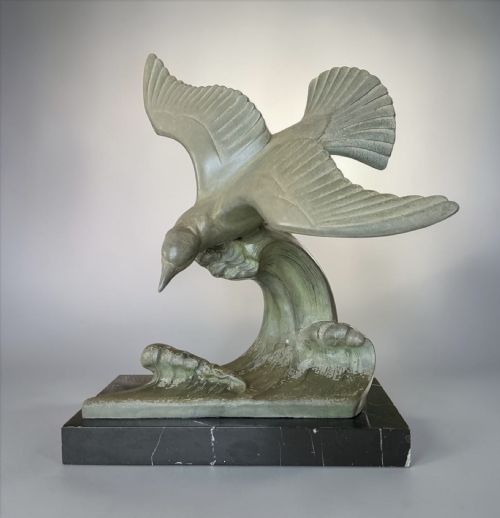
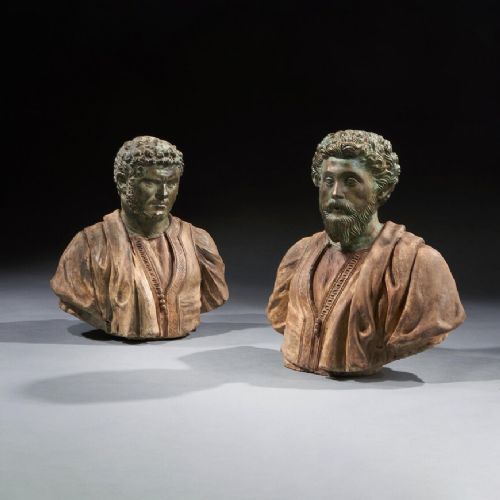
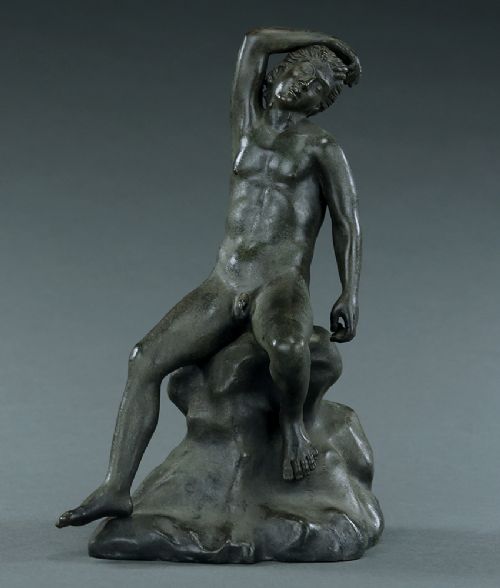
A verdigris bronze sculpture encompasses figurative figures, animals, architectural elements and portrait busts created across the nineteenth and twentieth centuries. These works draw upon neoclassical traditions, Grand Tour souvenirs, Art Deco styling and Japanese naturalist art.
Originating from periods including the Victorian era, the early twentieth century and the interwar decades, these sculptures reflect diverse global aesthetics ranging from Italian classical revivals to Meiji period Japanese metalwork.
Materials and construction methods
The primary material is cast bronze, frequently paired with black marble bases, stone plinths or terracotta elements to support the main composition. Certain items utilise alternative metal alloys such as patinated spelter or bronzed copper relief work.
Verdigris Bronze Sculpture Retail Price Guide 2026
Typical asking prices for verdigris bronze sculpture among the pieces listed under this phrase on Sellingantiques today, from the lower quarter to the upper quarter. They describe what is for sale here now, not the wider market.
Listings feature works spanning the nineteenth century through the 1940s, incorporating bronze, black marble, terracotta and stone.
Assessing quality and craftsmanship
Quality reveals itself in the crispness of the casting and the sensitivity of the finishing handwork across feathers, musculature and facial expressions. Superior examples demonstrate a careful balance between the underlying metallic form and the applied surface patination.
The integrity of the mountings, whether a polished black marble plinth or an integrated garden water spout, contributes significantly to the overall presence of the object. Weight, proportion and fidelity to the classical or naturalist source material separate standard commercial production from accomplished artistic output.
Elizabeth Anna Clapp
The Verdigris Bronze Sculpture Glossary
- Verdigris
- A green patina or crust formed on bronze, copper, or brass surfaces through natural weathering or chemical treatment. This coloration emulates the appearance of ancient buried statuary.
- Grand Tour
- A traditional trip through Europe undertaken by upper-class Europeans in the eighteenth and nineteenth centuries. Souvenirs included small bronze sculptures reproducing classical antiquities.
- Spelter
- A zinc alloy frequently used as a less expensive substitute for bronze in decorative figures. It is often given a bronze-like metallic coating.
- Okimono
- A Japanese decorative statue designed for display in a household alcove or room. These pieces often depict birds, animals or figures rendered with close attention to natural detail.
Verdigris Bronze Sculpture: Frequently Asked Questions
How do I clean verdigris bronze sculpture?
Dust gently with a soft, dry cloth to prevent the accumulation of grit in the recesses of the casting. Avoid chemical cleaners or metal polishes that can strip away the intentional verdigris patina.
For garden pieces exposed to the elements, periodic washing with plain water helps remove environmental debris without harming the metal surface.
Where should I place these sculptures?
Smaller cabinet bronzes and marble-mounted studies suit tabletops, mantelpieces and enclosed display cabinets where details can be closely observed. Larger animal figures and architectural elements function effectively as focal points in gardens or hallways.
Ensure interior placements avoid direct, prolonged moisture while exterior garden statues are secured against shifting ground.
How can I tell the age of a bronze?
Examine the casting method, the composition of the base materials, and the wear patterns on the underside or mounting points. Nineteenth-century and early twentieth-century pieces often exhibit hand-finished tooling marks distinct from modern mass production.
Stylistic cues, such as Art Deco geometric lines or Victorian neoclassical motifs, also provide reliable indicators of the period of manufacture.
Are these pieces suitable for outdoor gardens?
Certain items, such as Japanese garden okimono and bronze fountain spouts, are specifically designed to withstand outdoor placement. The durable nature of bronze allows it to weather gracefully in exterior environments over time.
Indoor pieces mounted on marble or delicate bases should remain protected within climate-controlled spaces to prevent environmental damage.