

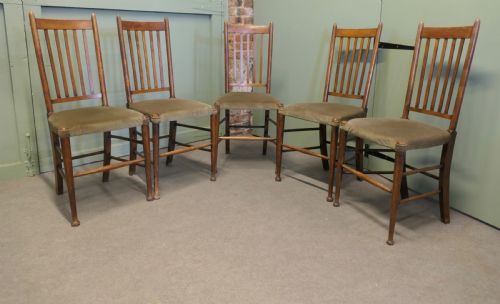


Velvet Oak Side Chair
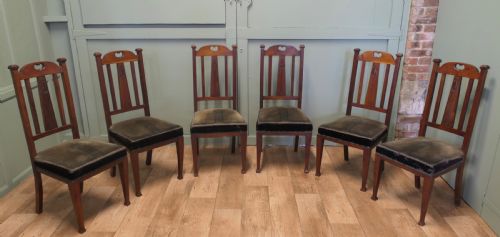
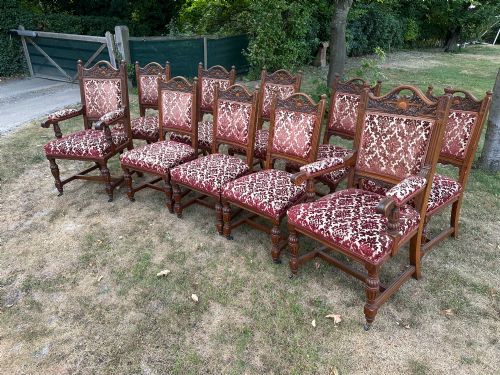
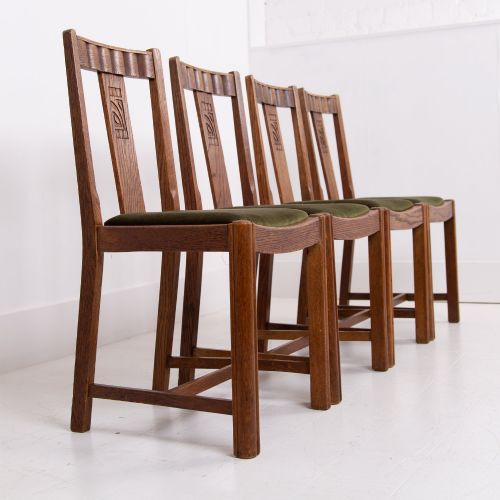
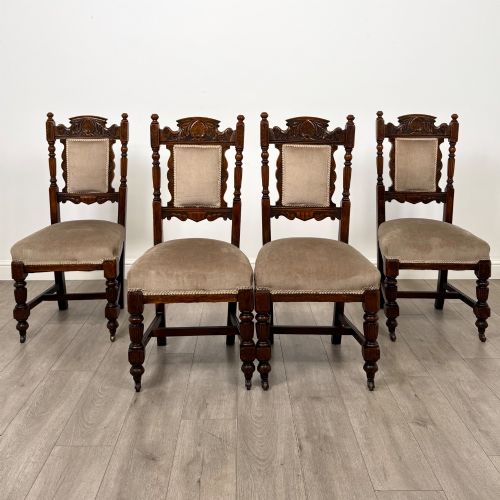
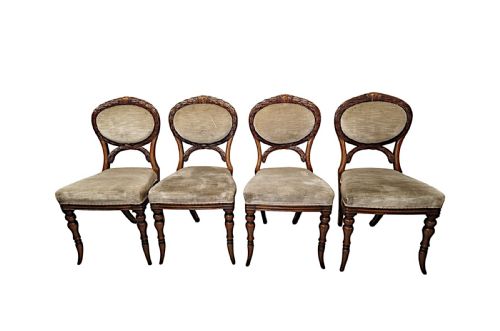
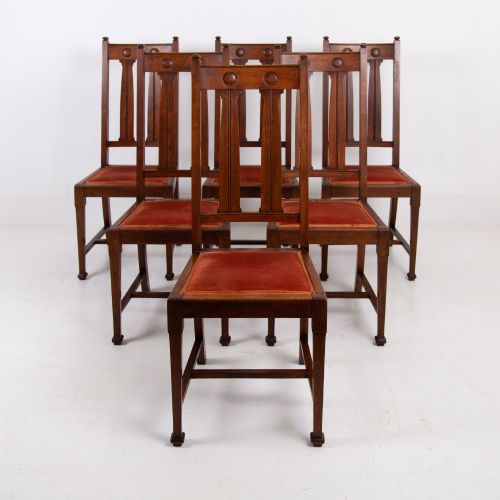
A velvet oak side chair brings together robust timber frames and tactile textiles across periods from the seventeenth century to the 1930s.
Velvet Oak Side Chair
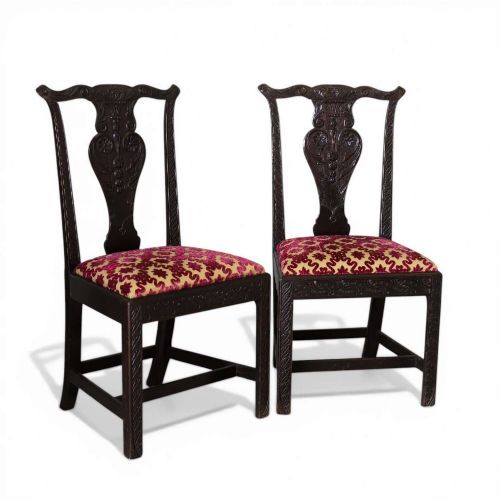
A velvet oak side chair combines sturdy wooden frames with soft textile upholstery, appearing frequently in Victorian, Arts and Crafts, and twentieth-century designs. Buyers hunting for a velvet oak side chair encounter everything from simple vernacular forms to heavily carved revival styles produced across British and European workshops.
The selection ranges from individual seating pieces to large matched dining sets upholstered in plush fabrics, metallic fringe, or historical cut-silk velvet. Surviving examples demonstrate how makers combined substantial oak structures with comfortable padding for domestic interiors.
Materials and construction
Makers utilised solid oak for the structural frames, often employing traditional joinery techniques like mortise and tenon to ensure long-term stability. The timber surfaces display natural grain patterns, sometimes enhanced through carving or polishing.
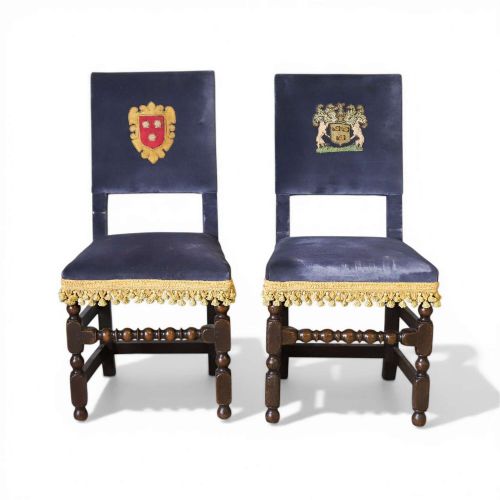
Upholstery involved securing fabric or velvet over padding, frequently finished with brass details, metallic fringe, or fabric trim. These textile elements softened the rigid wooden silhouettes of the chairs.
Listings feature oak frames combined with velvet, brass, and metallic fringe across Victorian, Edwardian, and Arts and Crafts styles.
Assessing quality and craftsmanship
Quality rests upon the integrity of the timber frame, the depth and execution of any carved ornamentation, and the preservation of the original upholstery materials. Pieces retaining maker stamps or documented historical provenance command higher regard among collectors.
Subtleties in proportion, the weight of the solid oak used, and the integration of decorative elements such as heraldic crests or specialised fabric trims distinguish standard domestic seating from master-workshop commissions.
Strahan·Shapland and Petter·George Morant
The Velvet Oak Side Chair Glossary
- Side chair
- A chair without arms designed primarily for use at a dining table or alongside a wall. These pieces form the majority of standard seating listings.
- Arts and Crafts
- A design movement prioritising traditional craftsmanship and visible construction methods. Chairs from this period frequently display honest oak frames and simpler geometric lines.
- Gothic Revival
- An architectural and decorative style drawing inspiration from medieval forms. Pieces often incorporate pointed arches, tracery, and heavy carved details.
- Cut-silk velvet
- A luxurious textile featuring patterns created by varying pile heights in the weave. This material appears on high-status historical upholstery.
- Carolean style
- A decorative aesthetic dating from the late seventeenth century marked by rich ornamentation and scrolling woodwork. Later revival pieces emulate these elaborate motifs.
Velvet Oak Side Chair: Frequently Asked Questions
How do I date an oak chair?
Dating relies on observing construction methods, tool marks, and stylistic indicators that align with specific periods like the Victorian era or the Arts and Crafts movement. Secondary elements like hardware and upholstery remnants also provide chronological clues.
Comparing the framing techniques to dated examples helps confirm the approximate decade of production without relying solely on surface appearance.
Were these chairs used for dining?
Many examples function as dining chairs, sold individually or in coordinated sets of varying sizes to accommodate large tables. Their sturdy timber construction suited daily domestic use.
Other variants served as gossip chairs, children's seating, or high-back side chairs positioned in hallways and parlours.
How should I care for velvet upholstery?
Velvet requires gentle brushing to maintain the nap and prevent flattening over time. Keeping pieces away from direct sunlight protects both the fabric colour and the underlying oak timber.
Professional textile cleaning is recommended for historical or delicate cut-silk velvet surfaces to avoid damaging the fibres.
What is the difference between revival styles?
Revival pieces imitate historical aesthetics from earlier centuries, such as Jacobean, Gothic, or Queen Anne designs, but were manufactured during later periods like the nineteenth or early twentieth century. Makers reinterpreted these older forms using contemporary workshop methods.
Examining the wood seasoning, interior joints, and wear patterns helps distinguish an original period piece from a later revival interpretation.