


Uzbekistan Tribal Textile
An uzbekistan tribal textile brings bold Central Asian handwork and rich historic textiles directly into a modern interior.
Uzbekistan Tribal Textile
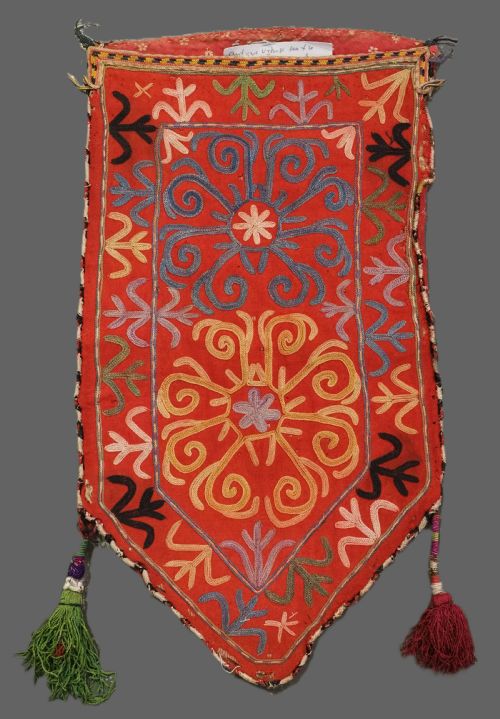
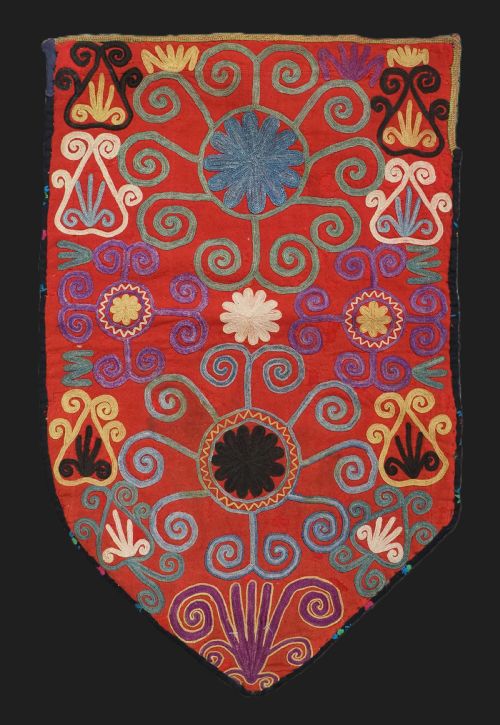
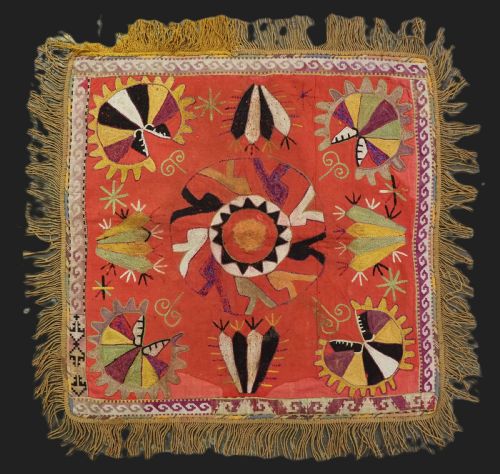
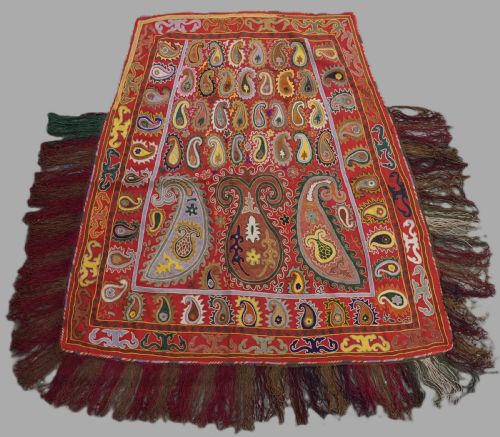
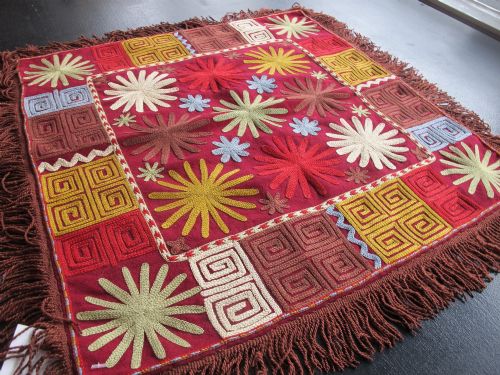
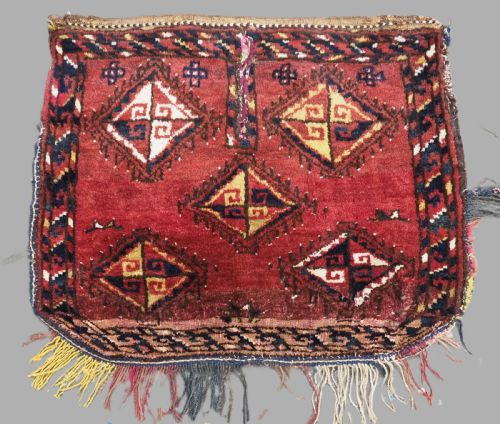
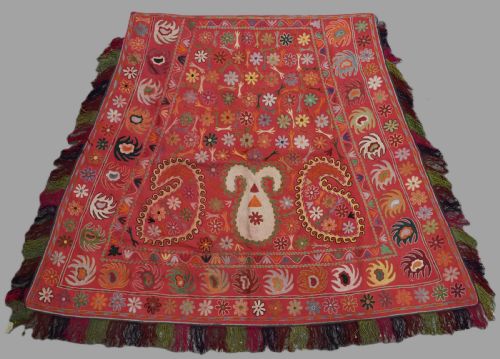
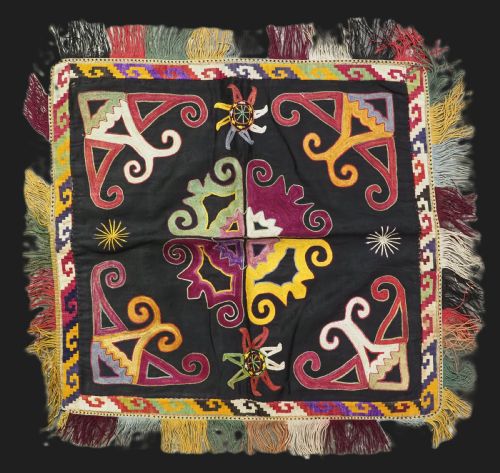
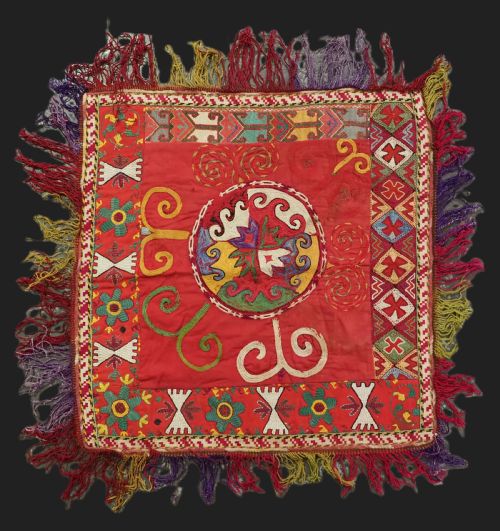
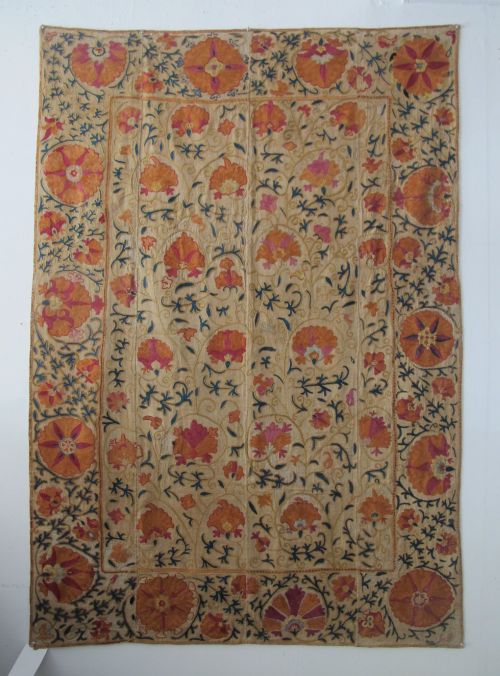
When you search for an uzbekistan tribal textile, you are looking at historic Central Asian handwork including embroidered wall hangings, dowry pieces, and saddle covers. The pieces most likely to be met on this page are Lakai tribe ilgiches, suzanis, and kilim panels originating from regions such as Shakrisabz and Tashkent.
These textiles served specific roles in nomadic and traditional village life, functioning as ceremonial horse covers, amulets, purses, and decorative wall hangings. Surviving examples date from the mid nineteenth century through the early twentieth century, reflecting the rich folk art traditions of the area.
The assortment spans diverse utilitarian and decorative forms, including smaller bag faces and larger covers made from multiple joined strips. Buyers will encounter both fine silk needlework and flatwoven wool or camel hair panels reflecting distinct tribal aesthetics.
Materials and Technique
Central Asian artisans utilised local natural materials, mounting vibrant silk thread embroidery onto sturdy cotton foundations. Certain panels incorporate wool, camel hair, and glass beads to add texture and contrasting colour to the woven or stitched surface.
Makers constructed larger textiles such as suzanis and kilims by joining multiple narrow vertical strips together before applying intricate needlework. Specialised regional formats include double-faced ilgifches, amulets, and structured saddle rugs designed for practical nomadic use.
Materials recorded across the inventory include cotton, silk, wool, camel hair, and glass beads.
Assessing Quality
Quality rests upon the density and precision of the needlework, the vibrancy and integrity of the original dyes, and the overall survival of the textile structure. Finer pieces demonstrate meticulous silk embroidery with complex repeat patterns and well-balanced compositions.
The choice of ground material and the complexity of the tribal iconography further separate standard items from exceptional examples. Surviving pieces with complete edges, clear regional attributions, and substantial silk work stand at the upper end of the range.
The Uzbekistan Tribal Textile Glossary
- Suzani
- An embroidered Central Asian hanging or cover created with silk threads on a cotton or linen ground. These large textiles traditionally formed part of a bride's dowry.
- Ilgich
- A specific type of wall hanging or dowry embroidery associated with the Lakai tribes of Central Asia. They often feature bold geometric motifs and dense needlework.
- Kilim
- A flatwoven textile made without a pile, produced using interlocking or slit-weave techniques. In this region, they appear as panels, tent bands, or covers.
- Torba
- A small storage bag or hanging piece used within nomadic households. Examples often display specialised tribal weaving and embellishment.
- Gajeri
- A type of flatwoven rug or band originating from Central Asian nomadic traditions. They are frequently constructed in narrow strips for utility.
Uzbekistan Tribal Textile: Frequently Asked Questions
How were suzanis used?
Suzanis were primarily created as decorative wall hangings or covers as part of a traditional bride's dowry in Uzbekistan. Families displayed them during wedding ceremonies and inside the home.
Over time, these large embroidered textiles became central decorative elements representing the wealth and artistry of the household.
How do I date these textiles?
Dating relies on examining the types of dyes used, the construction methods, and the specific tribal motifs present in the embroidery. Pieces from the nineteenth century often show distinct natural colour palettes and hand-spun foundation materials.
Comparing structural details against documented regional examples helps narrow down the period of production between the mid nineteenth and early twentieth centuries.
Where were these pieces made?
These textiles originated across various regions of Uzbekistan, including Shakrisabz, Tashkent, and areas associated with the Lakai and Kungrad tribes. Each region developed distinct aesthetic preferences and working methods.
Nomadic groups and sedentary village workshops each contributed their own recognizable styles of embroidery and weaving to the local tradition.