



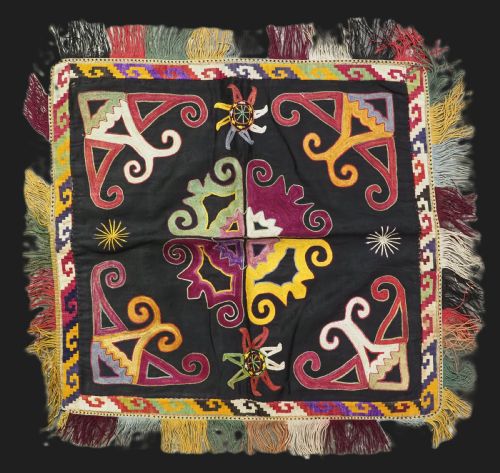

Uzbek Lakai Tribal Rug
An uzbek lakai tribal rug brings bold Central Asian folk art into a room through vibrant silk embroidery and tactile wool grounds.
Uzbek Lakai Tribal Rug
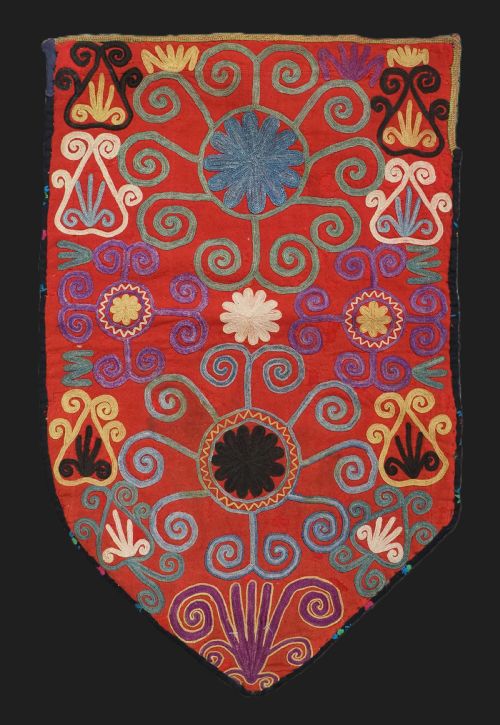
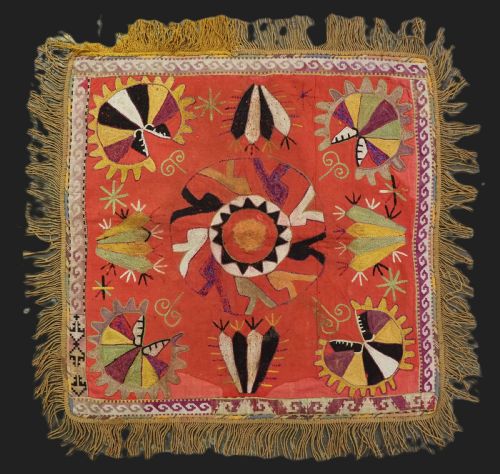
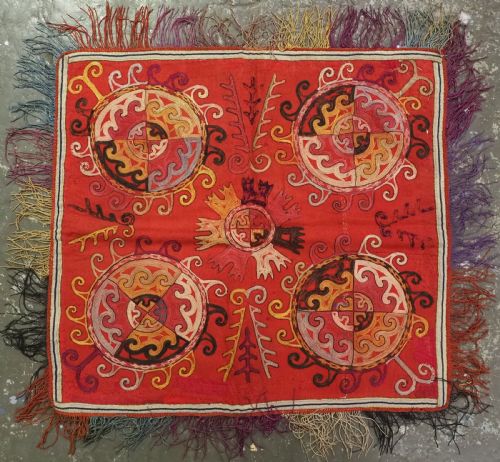
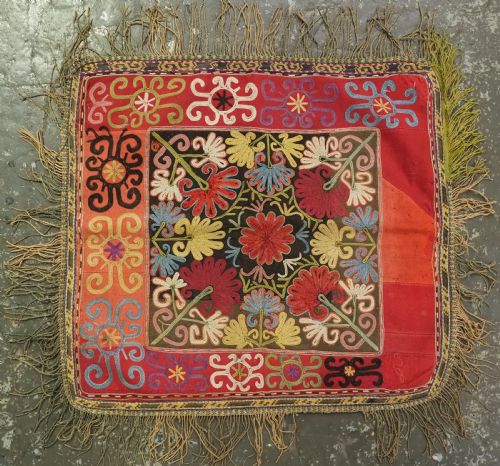
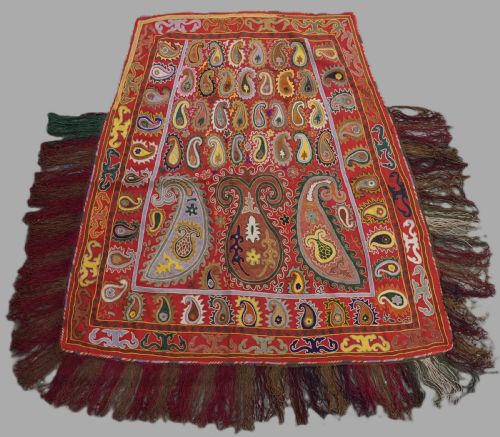
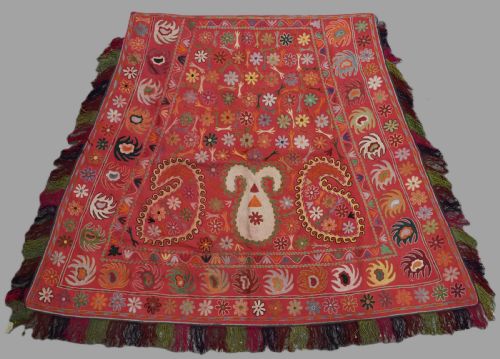
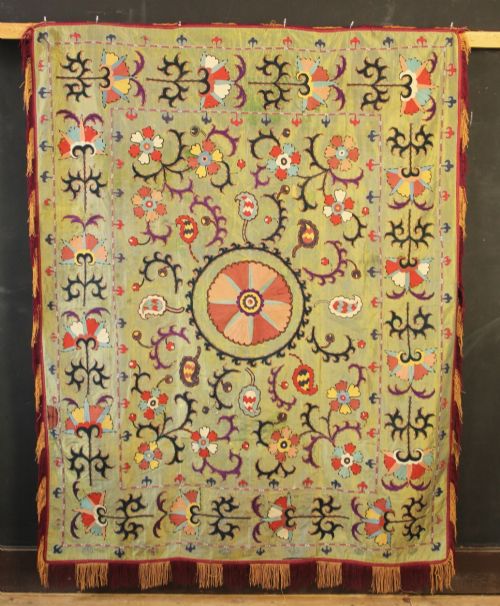
When searching for an uzbek lakai tribal rug, buyers encounter distinctive Central Asian textiles made as wall hangings, dowry embroideries, and ceremonial horse covers. The pieces meeting this search phrase span from the late nineteenth century into the early twentieth century, originating from regions such as Shakrisabz in Uzbekistan.
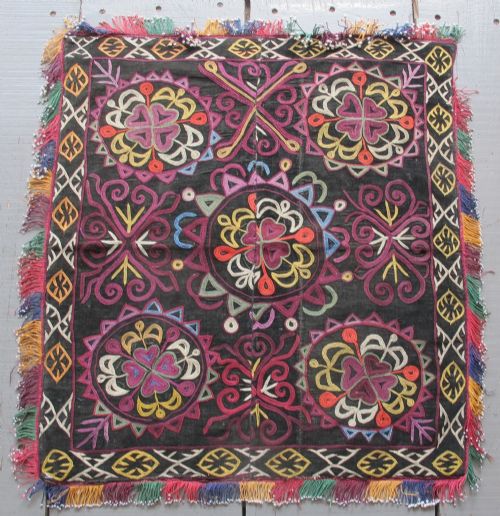
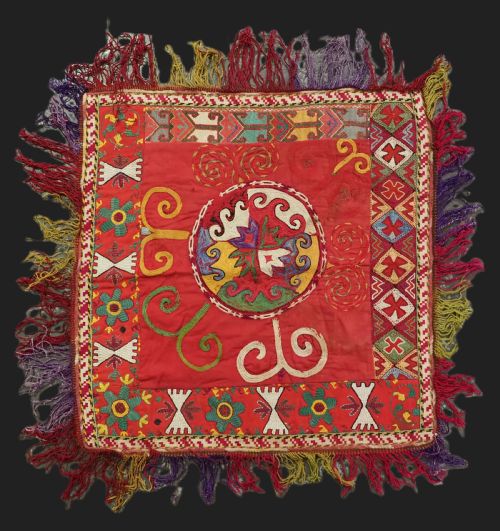
The version most commonly met on this page is the ilgich or uut kap ilgich, which functions as a wall hanging or domestic storage bag panel. These objects display energetic tribal motifs rooted in nomadic traditions rather than standard geometric rug weaving.
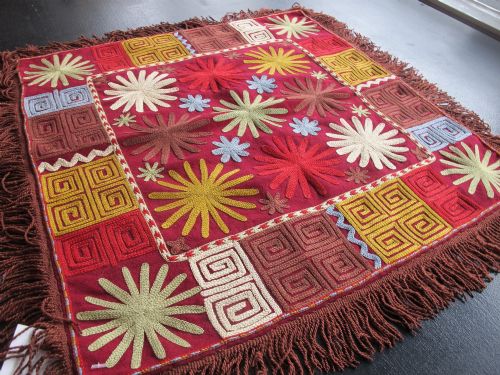
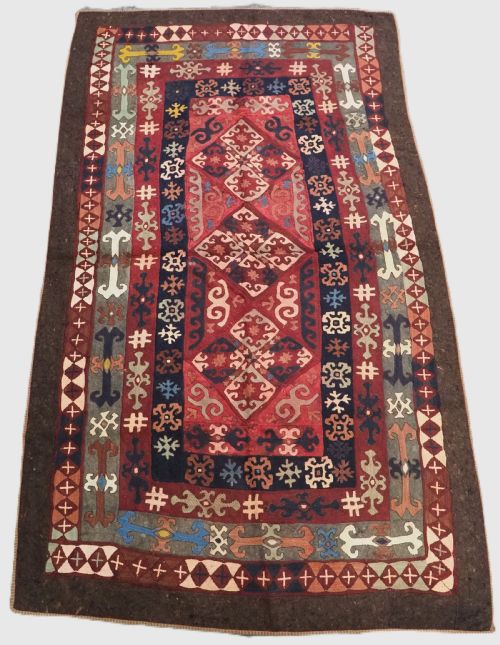
Other variations include nim suzani panels and embroidered felt rugs, providing collectors with diverse formats of Central Asian folk art. Each piece reflects the distinctive aesthetic of the Lakai tribe through dynamic compositions and heavy needlework.
Materials and construction
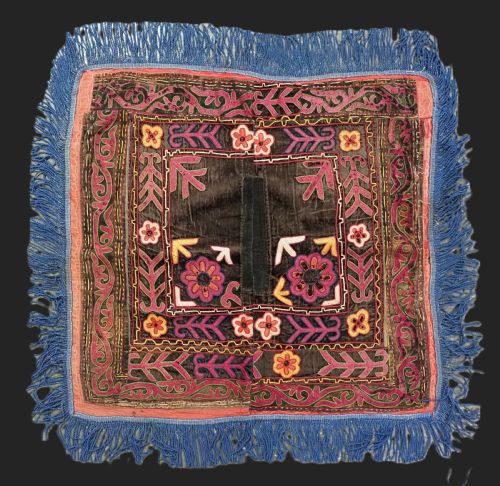
Artisans constructed these textiles by working vibrant silk thread onto supportive foundations of wool, cotton, or felt. This surface embroidery creates high-relief patterns that dominate the visual texture of the piece.
Certain works incorporate supplementary elements such as glass beads and velvet to enhance the decorative scheme. These mixed media details highlight the traditional craftsmanship of Central Asian nomadic groups.
Uzbek Lakai Tribal Rug Retail Price Guide 2026
Typical asking prices for uzbek lakai tribal rug among the pieces listed under this phrase on Sellingantiques today, from the lower quarter to the upper quarter. They describe what is for sale here now, not the wider market.
Horses in Lakai culture dressed better than most humans, wearing heavily embroidered felt and silk ceremonial covers.
Judging quality in tribal textiles
Quality rests upon the density of the embroidery and the complexity of the tribal design work. Denser silk needlework and more dynamic composition distinguish superior examples from simpler panels.
The preservation of the ground materials, whether wool, cotton, or felt, influences the overall integrity of the textile. Distinct visual clarity in the traditional motifs marks the upper tier of these regional works.
The Uzbek Lakai Tribal Rug Glossary
- Ilgich
- A Central Asian embroidered wall hanging created as part of a traditional dowry. These pieces often feature bold geometric and figurative motifs.
- Uut Kap
- A small storage bag or bag face used within nomadic tents. Examples are heavily embroidered by tribal makers.
- Nim Suzani
- A smaller scale embroidered wall cover originating from Uzbekistan. The prefix indicates a half-sized format compared to large bed covers.
- At Torba
- A ceremonial horse cover or saddle bag associated with Central Asian tribes. These textiles served decorative purposes during tribal events.
Uzbek Lakai Tribal Rug: Frequently Asked Questions
What is an ilgich used for?
An ilgich served primarily as a dowry embroidery intended for wall hanging within a Central Asian household.
Families created these decorative textiles to mark significant cultural and domestic milestones.
How do you date these textiles?
Dating relies upon examining the materials, natural dye usage, and stylistic markers consistent with late nineteenth and early twentieth century production.
Comparison with documented tribal examples helps establish the likely period of origin.
Where were these pieces made?
These textiles originate from Central Asia, specifically associated with the Lakai tribe in regions such as Shakrisabz in Uzbekistan.
Nomadic and semi-nomadic groups produced them within local tribal workshops and domestic settings.
How should I display a wall hanging?
Wall hangings and textile panels require careful mounting methods that distribute the weight evenly across the entire fabric ground.
Avoiding direct strong sunlight helps preserve the vibrant silk threads and dyed wool or cotton foundations.