
Uzbek Embroidered Wall Hanging
An uzbek embroidered wall hanging brings vibrant Central Asian textile art into a room with rich silk stitching and tribal motifs.
Uzbek Embroidered Wall Hanging
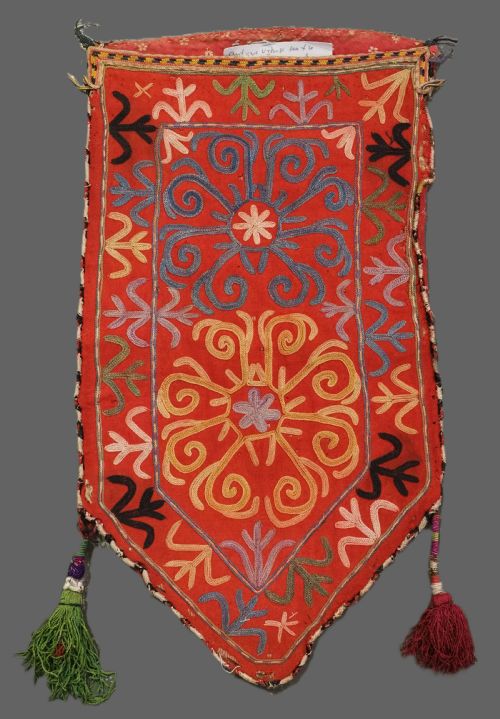
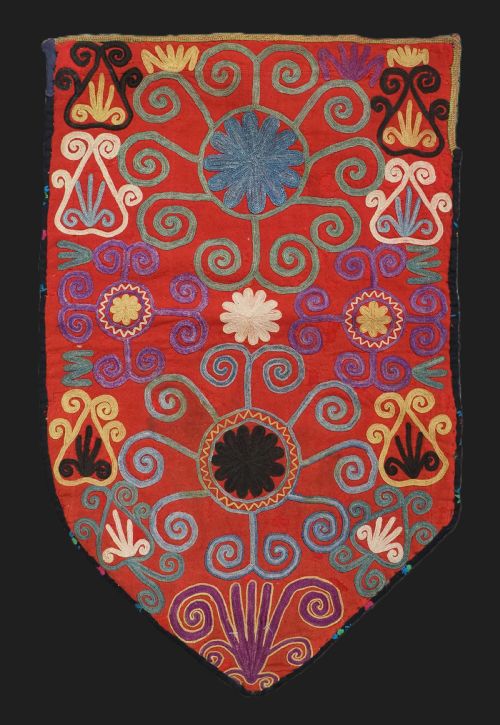
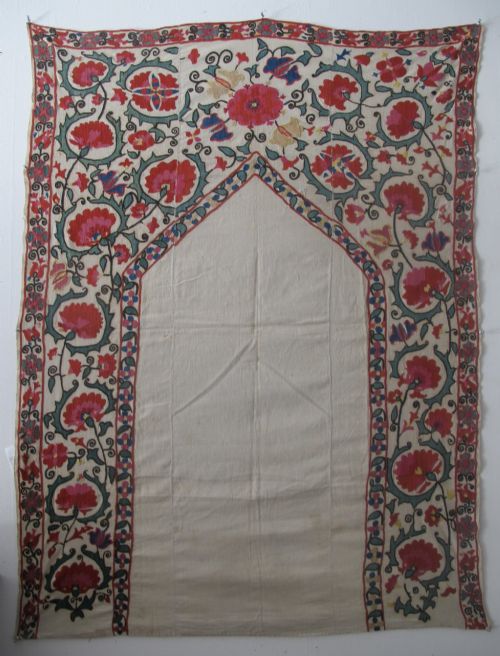
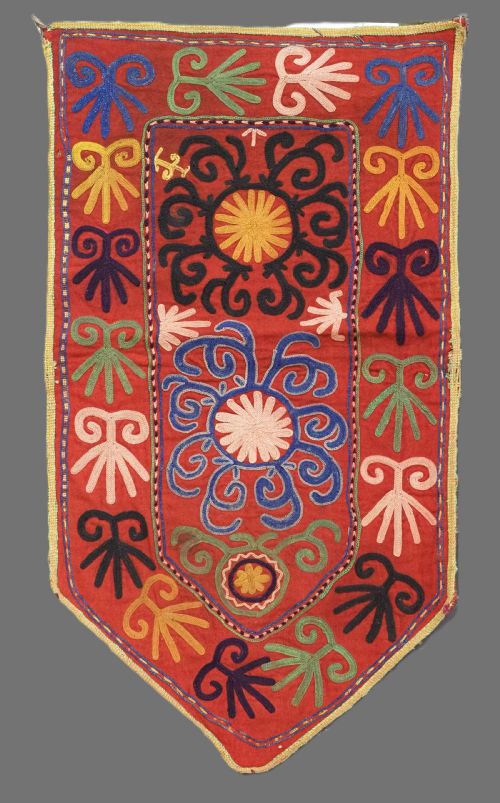
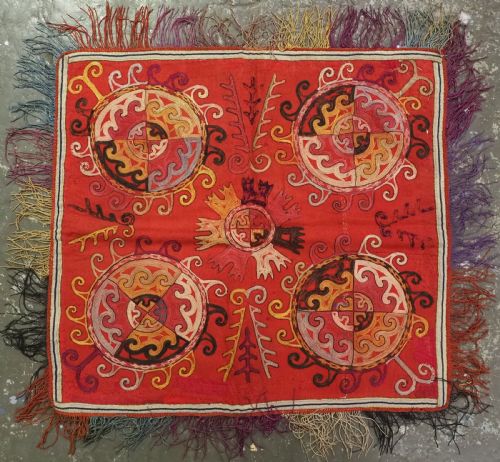
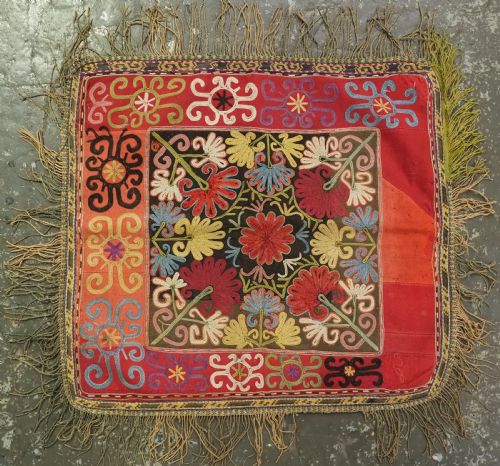
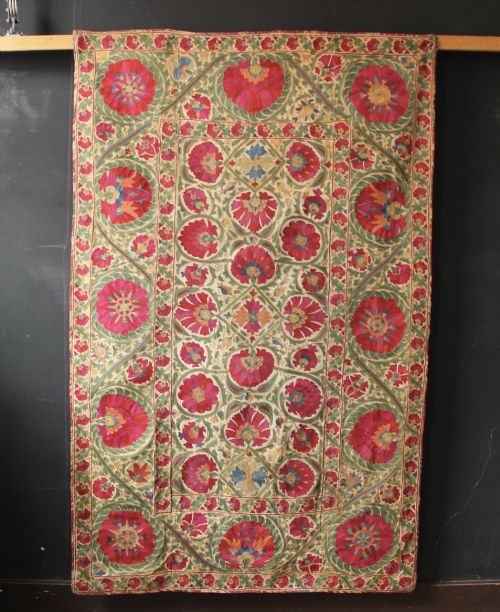
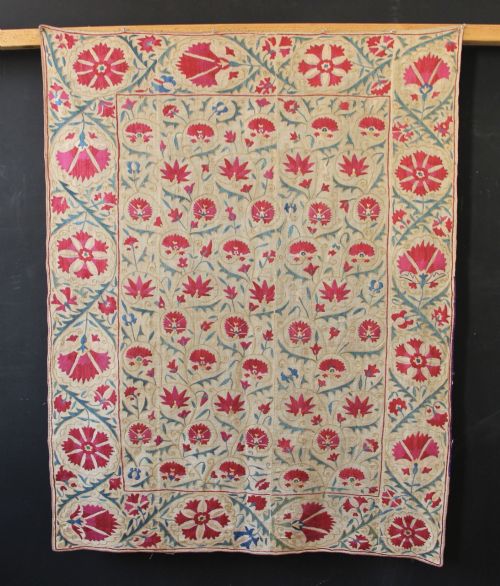
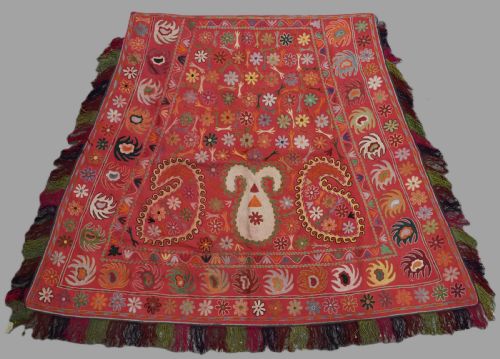
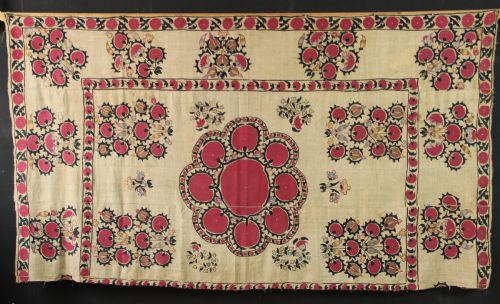
An uzbek embroidered wall hanging encompasses a range of traditional Central Asian textiles, including suzanis, ilgichs, and ceremonial saddle covers originating from towns and nomadic groups across the region. Buyers searching for an uzbek embroidered wall hanging frequently encounter nineteenth and early twentieth century dowry embroideries, bed covers, and wall panels created by Lakai and Tajik makers.
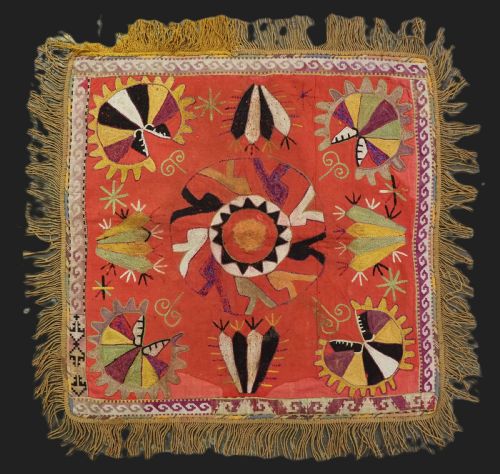
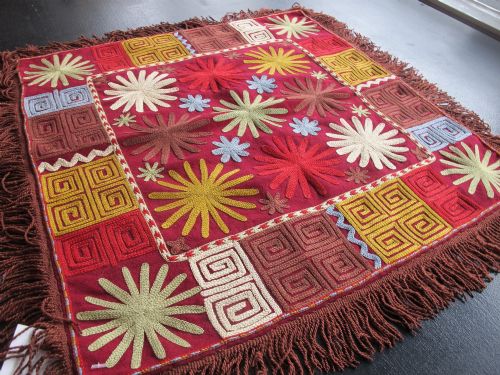
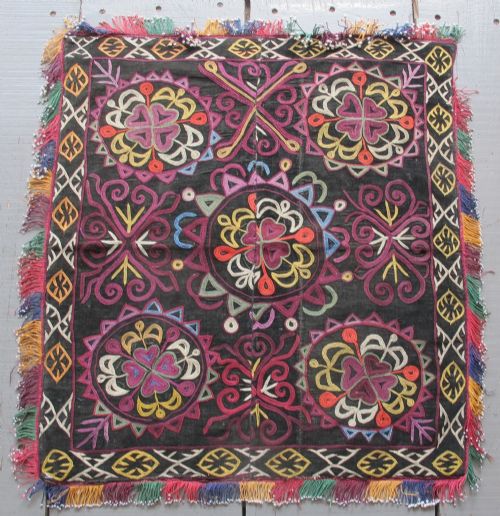
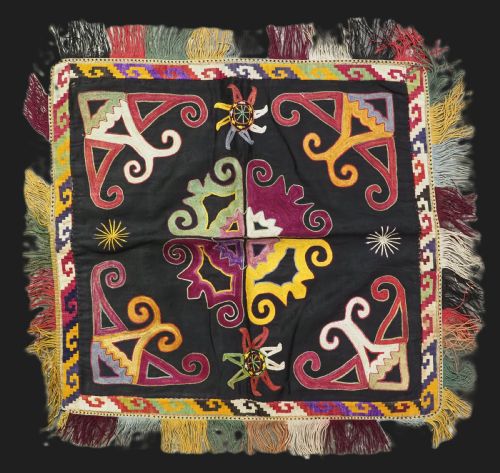
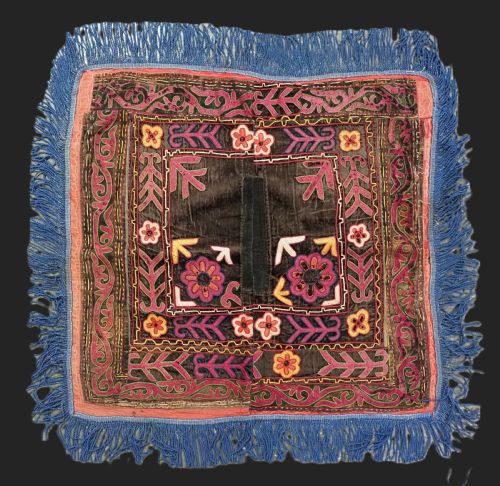
The objects span varied formats from large medallion suzanis to smaller horizontal panels and square format domestic items repurposed for display. Pieces attributed to workshops in Bukhara, Nurata, Shakrisabz, and Ura Tube appear regularly within the selection.
Materials and construction
Makers utilised silk thread for dense, vibrant surface embroidery, working freehand or on looms across grounds composed of cotton, woven silk, wool, or felt. Silk on silk combinations and wool or cotton foundations dyed in red or yellow tones provide the structural base for intricate needlework.
Specialised items incorporate backing fabrics such as adras, alongside details like glass beads integrated into tribal patterns. Needlework techniques rely heavily on silk tambour or surface laid and couched stitches executed by hand.
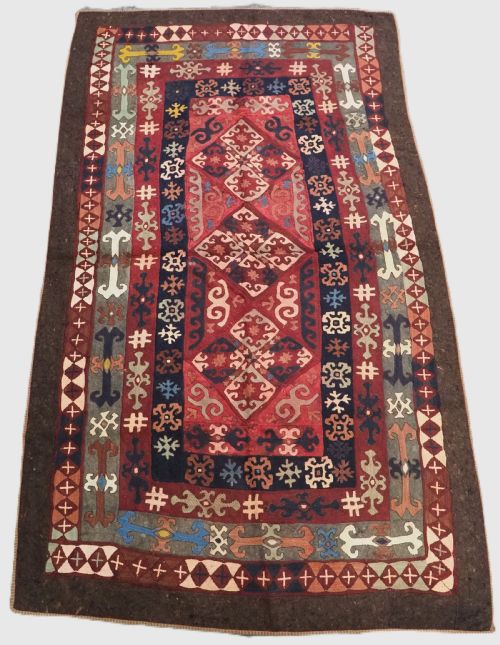
Listings feature textiles spanning the nineteenth and twentieth centuries, including felt rugs, horse covers, and silk panels from Central Asia.
Evaluating craftsmanship and execution
Quality rests upon the density of the silk embroidery, the precision of the needlework, and the complexity of the design layout. Superior examples display fluid execution of traditional motifs across the ground fabric without stiffness in the stitching.
The choice of foundation material and dye stability also dictate standard, where fine cotton, silk grounds, or rich wool textiles elevate the visual depth of the panel. The articulation of regional styles, from geometric Lakai tribal motifs to refined floral medallions in Bukhara pieces, marks the distinction between ordinary and exceptional output.
The Uzbek Embroidered Wall Hanging Glossary
- Suzani
- A large embroidered wall hanging or domestic textile from Central Asia, traditionally worked in silk on a cotton or linen ground. These panels often feature floral or medallion layouts associated with specific regional centres.
- Ilgich
- A specific form of hanging or dowry embroidery produced by Central Asian tribal groups. They served decorative and functional roles within nomadic households.
- Lakai
- A Central Asian nomadic tribe known for distinctive, energetic embroidery featuring bold geometric shapes and glass bead embellishments. Their work often appears on small panels, horse covers, and torbas.
- Adras
- A traditional Central Asian fabric woven from a blend of silk and cotton yarns. It frequently serves as the ground cloth for embroidered panels.
- Torba
- A small hanging bag or utilitarian textile produced by tribal groups for domestic storage. Examples are often adapted into wall displays due to their intricate needlework.
Uzbek Embroidered Wall Hanging: Frequently Asked Questions
What is a suzani?
A suzani is a traditional embroidered textile from Central Asia, created as a decorative wall hanging, bed cover, or dowry piece. These large panels are worked by hand with silk thread on cotton or silk grounds.
Craftsmen in towns such as Bukhara, Nurata, and Shakrisabz developed distinctive floral and medallion styles that define the genre. Families traditionally prepared these textiles over years to mark significant life events.
How were these textiles used?
Nomadic and settled communities used these embroideries for domestic decoration, ceremonial displays, and practical household functions. Items such as bed covers, mirror covers, and horse trappings formed essential components of a bride's dowry.
Families hung large panels on interior walls to provide insulation and decoration within traditional dwellings. Smaller pieces served as decorative covers for household items and ceremonial transportation.
How do I hang a textile safely?
Mounting a fragile textile requires distributing the weight evenly across the entire piece without puncturing the fabric. Conservation specialists often use a cotton sleeve stitched to the upper edge and supported by a wooden slat.
Direct sunlight and high humidity damage historic silk threads and natural dye grounds over time. Placing the textile away from direct windows preserves the colours of the embroidery.
How are regional styles told apart?
Regional attribution relies on examining the specific colour palette, ground fabric, and motif structure. Town workshops such as Nurata and Bukhara favour botanical sprays and balanced floral medallions.
Nomadic groups like the Lakai employ abstracted geometric shapes, hooked motifs, and bright red wool or felt grounds. These distinct aesthetic choices reflect the differing cultural backgrounds of the makers.