
Uzbek Embroidered Suzani
When acquiring an uzbek embroidered suzani, collectors secure a textile tradition rooted in Central Asian folk art and domestic ceremony.
Uzbek Embroidered Suzani
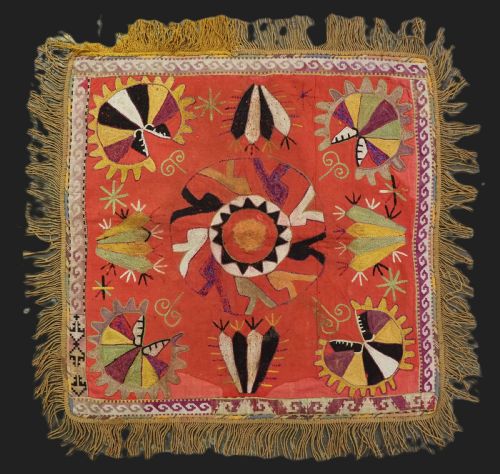
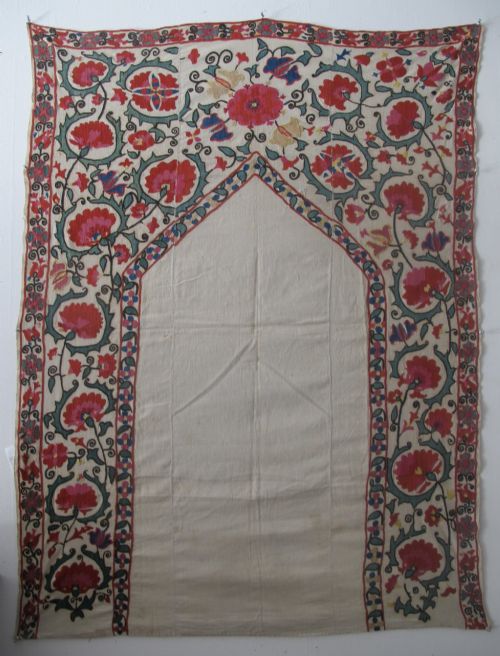
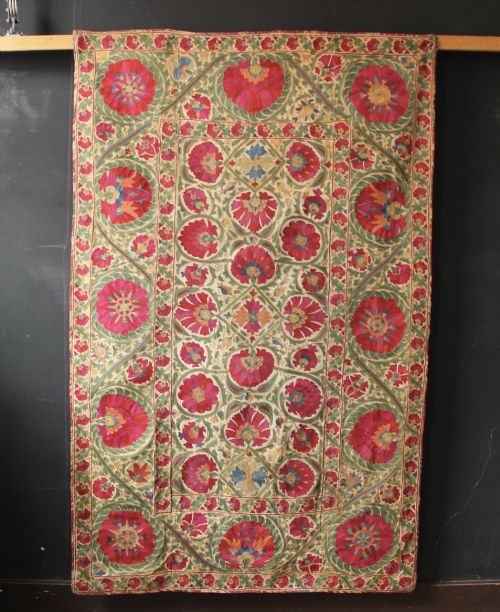
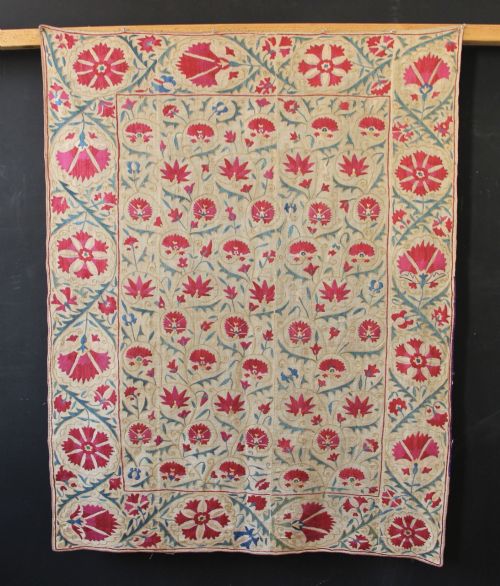
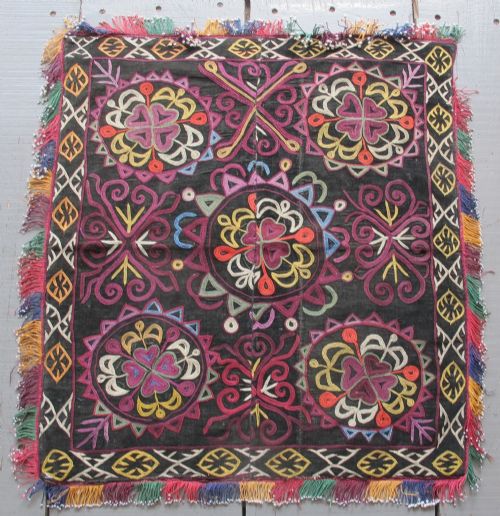
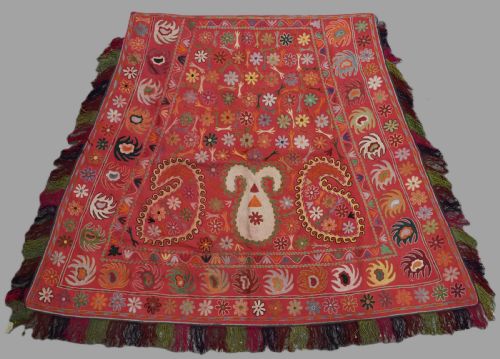
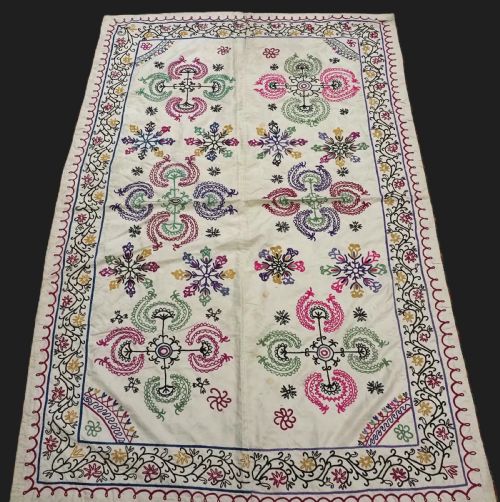
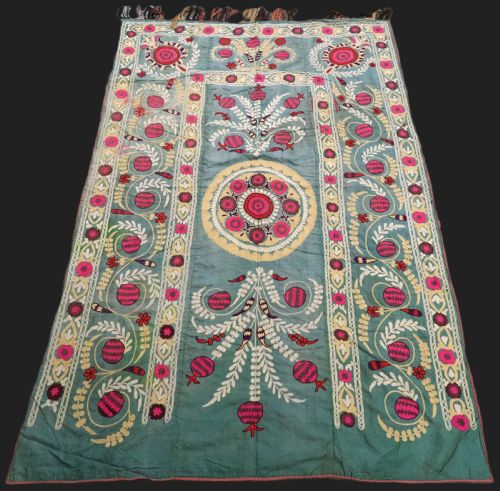
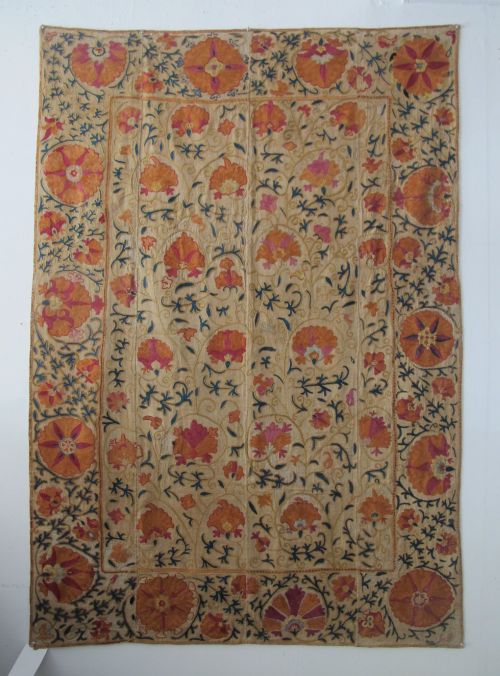
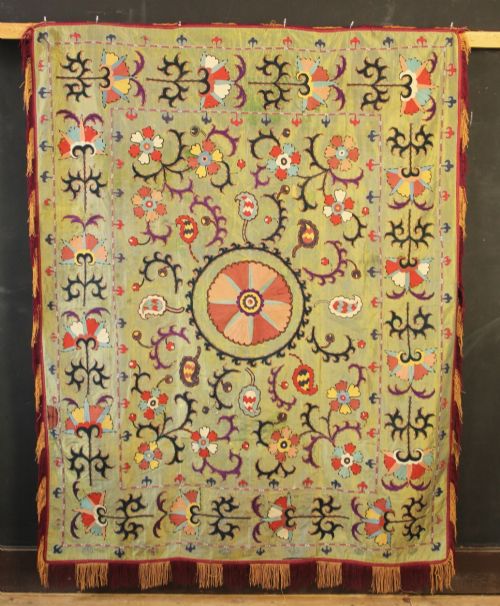
An uzbek embroidered suzani encompasses large wall hangings, bed covers, and smaller dowry items created across Uzbekistan. The examples gathered here span from the early nineteenth century through the early twentieth century, showing regional styles from centres like Bokhara, Nurata, and Shakrisabz alongside tribal pieces from the Lakai.
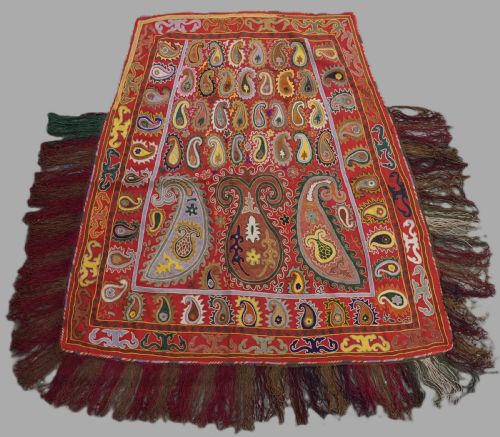
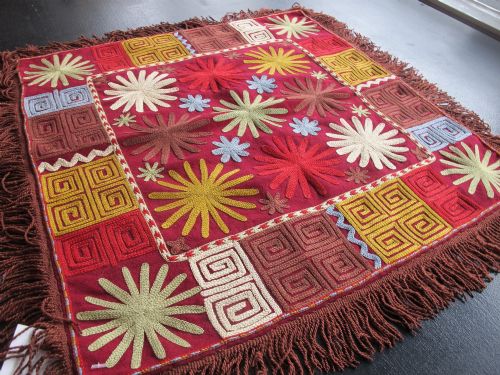
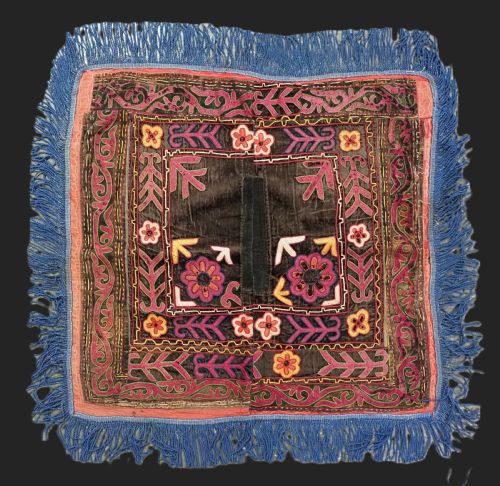
Buyers will encounter specific forms including the Nim suzani, which is a half-size format, alongside specialised household and ceremonial objects. These range from mirror covers and saddle rugs to specific dowry textiles such as the ilgich and the ru-i-jo bed cover.
How they were made
The primary construction relies on silk thread embroidery worked onto foundational grounds of cotton, linen, wool, or blended adras fabrics. Glass beads occasionally appear on specific tribal works to add textural contrast and detail to the composition.
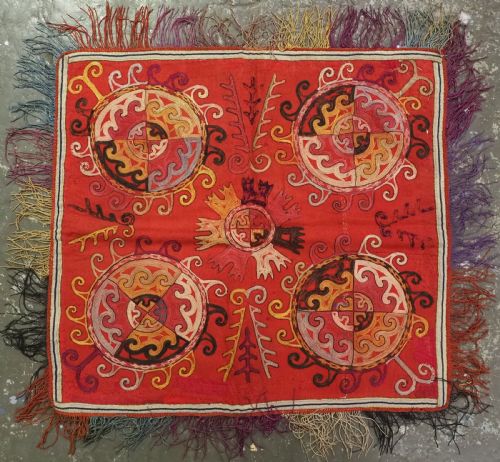
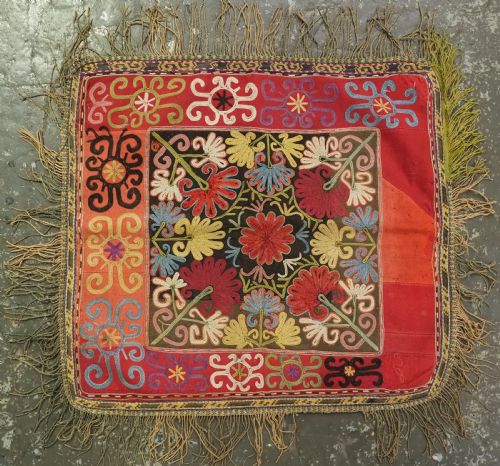
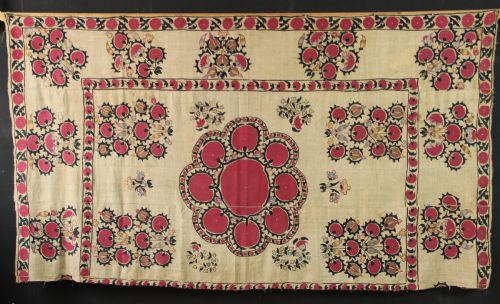
The needlework demonstrates various regional stitches and technical approaches, executed by skilled hands working within traditional Central Asian design frameworks. The ground fabrics provide contrasting colour backdrops, such as mogul red wool or yellow cotton, which accentuate the dense silk needlework.
Several horse covers in the collection ensure that even Central Asian steeds enjoyed exceptional needlework.
What varies in quality
Quality rests upon the density and precision of the silk thread embroidery and the artistic cohesion of the design layout. Finer examples display intricate botanical motifs, architectural elements, or medallions executed with superior control over the needle.
The choice and preservation of the foundational ground material, whether fine cotton, silk, or wool, also influence the overall character of the piece. Superior textiles maintain vibrant coloration and structural integrity across the embroidered surface.
The Uzbek Embroidered Suzani Glossary
- Suzani
- An embroidered textile panel originating from Central Asia, typically produced as a wall hanging or domestic furnishing. The word derives from the Persian term for needle.
- Nim suzani
- A smaller or half-scale version of the traditional suzani format, often utilised for compact spaces or specific domestic functions.
- Ilgich
- A specific type of dowry embroidery created by the Lakai tribe in Uzbekistan, frequently used for wall decoration. These pieces showcase distinctive tribal layouts and geometric or stylized motifs.
- Ru-i-jo
- A traditional Central Asian bed cover suzani designed to adorn the nuptial bed. They are generally worked in silk on silk or supportive cotton grounds.
- Torba
- A utilitarian bag or hanging associated with nomadic and tribal groups in Central Asia. They often feature dense embroidery reflecting local folk art traditions.
Uzbek Embroidered Suzani: Frequently Asked Questions
How were these textiles used originally?
These pieces served practical and ceremonial roles within Central Asian households, functioning as wall decorations, bed covers, and dowry items for marriages. They were also adapted for specialised uses such as saddle covers and mirror hangings.
Families treasured these textiles as expressions of status and artistic skill, displaying them prominently during important domestic ceremonies and daily life.
How do I care for an antique suzani?
Protect these historic textiles from direct sunlight to prevent the fading of natural silk threads and dyed cotton or wool grounds. Gentle vacuuming through a mesh screen can remove dust without damaging the delicate embroidery.
Avoid hanging them in areas of high humidity and consult a textile conservator for professional cleaning when necessary to preserve the structural integrity of the fabric.
What is the difference between regional and tribal suzanis?
Regional suzanis from urban centres like Bokhara, Nurata, or Shakrisabz typically feature sophisticated floral layouts, medallion variants, and architectural designs. These urban workshops produced balanced compositions with refined botanical detailing.
Tribal pieces, particularly those attributed to the Lakai, showcase distinct folk art aesthetics with bold geometric motifs, asymmetrical arrangements, and vibrant use of colour on varied ground fabrics.
How can I tell the age of a suzani?
Dating relies on examining the specific types of ground fabrics, the chemical or natural characteristics of the dyes, and the stylistic evolution of the embroidery motifs. Pieces from the early nineteenth century often exhibit different colour palettes and design structures compared to twentieth-century examples.
Evaluating the wear patterns, thread types, and regional construction techniques helps place the textile within its correct historical period.