

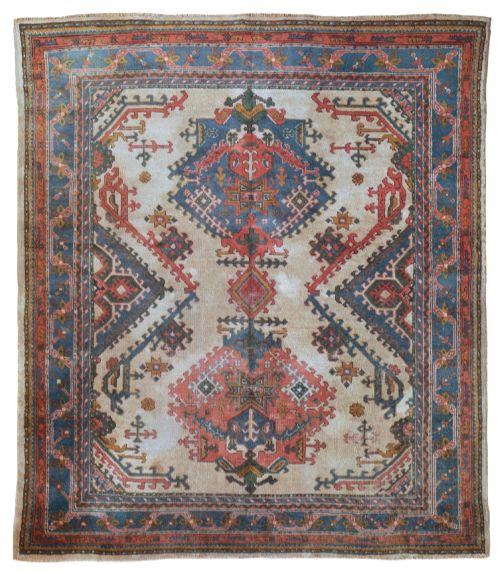
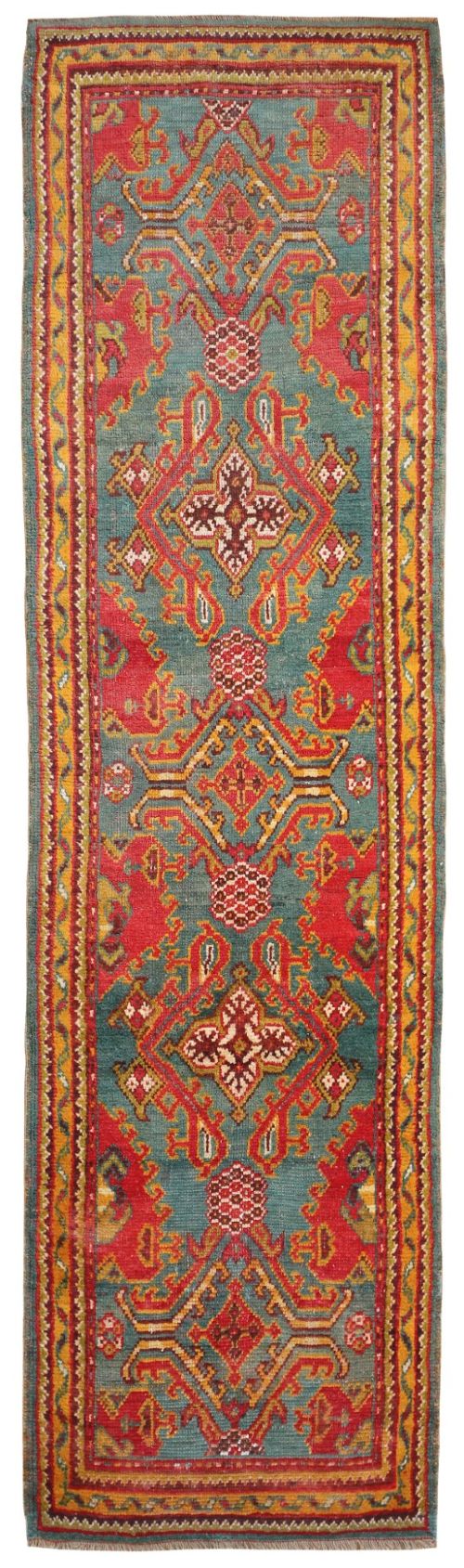


Ushak Pattern Carpet
These ushak pattern carpet pieces bring grand Ottoman character and enduring wool floor coverings directly into your interior.
Ushak Pattern Carpet
When you search for ushak pattern carpet, you are looking at substantial floor coverings rooted in traditional Anatolian design traditions. The pieces available span decades from the Victorian era into the early twentieth century, including runners and large carpets.
You are most likely to meet nineteenth-century rugs dating from the eighteen-seventies through to eighteen-ninety. These items carry distinct Ottoman and Anatolian stylistic influences, alongside occasional interpretations from the Arts and Crafts movement.
The selection ranges from standard room-sized carpets down to narrow runner rugs and specific Donegal reinterpretations of eighteenth-century designs. Each piece reflects historical weaving practices tied to the Ushak region and its stylistic legacy.
How they were made
These carpets rely upon a foundation of durable cotton warp and weft threads to support the heavy pile. Artisans knotted natural wool tightly into this structural grid to create a resilient surface capable of withstanding heavy daily use.
Certain finer examples incorporate soft angora wool within the pile to achieve a distinct tactile quality and subtle sheen. The combination of these traditional materials results in textiles that hold their structure across generations.
Ushak Pattern Carpet Retail Price Guide 2026
Typical asking prices for ushak pattern carpet among the pieces listed under this phrase on Sellingantiques today, from the lower quarter to the upper quarter. They describe what is for sale here now, not the wider market.
Sheep supplied the wool, artisans tied every single knot by hand, and somehow these rugs still outlive our best flooring intentions.
What varies in quality
The distinction between ordinary and exceptional examples rests upon the density of the weave and the clarity of the underlying pattern. Tighter knotting allows complex Ottoman motifs to resolve with sharp definition rather than blurring across the field.
Material selection also dictates the tier of the piece, particularly where finer angora wool introduces an elevated softness to the handle. The harmony of the dye palette and the integrity of the surviving foundation threads complete the measure of quality.
The Ushak Pattern Carpet Glossary
- Ushak
- A traditional style of carpet originating from a major weaving centre in western Anatolia known for grand scale designs. These patterns often feature large medallions and subdued, harmonious colour palettes.
- Angora wool
- A soft fibre derived from specific goats, prized in textile production for its silk-like lustre and warmth. When utilised in carpet pile, it imparts a distinct tactile richness.
- Runner
- A long, narrow format of rug specifically proportioned for hallways, corridors, or alongside beds. This shape displays repeating motifs designed to lead the eye along a linear path.
- Victorian
- A nineteenth-century period associated with the reign of Queen Victoria, frequently referenced to date British and European imports of the era. Pieces from this time often show eclectic stylistic revivals.
Ushak Pattern Carpet: Frequently Asked Questions
Where should I place an ushak pattern carpet?
These carpets suit principal reception rooms, long hallways, or studies where their traditional motifs can anchor the furniture scheme. Their generous proportions make them ideal for defining conversation areas within large spaces.
Ensure you place them away from direct, harsh sunlight to protect the natural wool fibres and historic dyes from fading over time.
How do I care for historic wool carpets?
Regular, gentle vacuuming without a rotating brush roll helps remove embedded dust from the wool pile without pulling the structural knots. Professional cleaning tailored to antique textiles is essential for maintaining the material.
Avoid using harsh chemical spot cleaners on the cotton foundation or wool pile, as these can permanently alter the natural fibres.
What defines the Ottoman aesthetic in these rugs?
The Ottoman aesthetic relies upon balanced geometric or floral arrangements, often dominated by large central medallions and subdued secondary borders. This visual language evolved through centuries of Anatolian court and village weaving traditions.
Makers translated these classical motifs into formats that appealed to Western collectors throughout the nineteenth and early twentieth centuries.
How can I tell a runner from a standard carpet?
Runners feature an elongated, narrow rectangular proportion designed strictly for corridors and passages rather than open floor spaces. Standard carpets offer balanced square or wide rectangular dimensions suited to rooms.
Examining the overall format reveals the intended architectural placement of the textile within a nineteenth-century interior.