

Upholstered Dressing Table Stool
An upholstered dressing table stool brings comfort and period character to a bedroom, pairing practical seating with decorative woodwork from the Victorian, Edwardian, and Art Deco eras.
Upholstered Dressing Table Stool
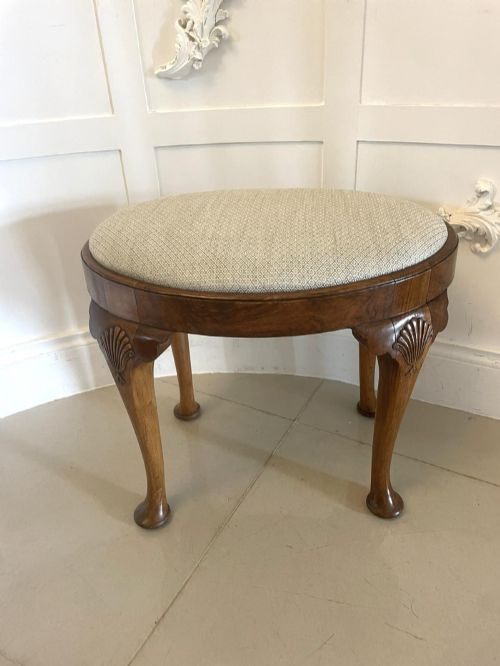
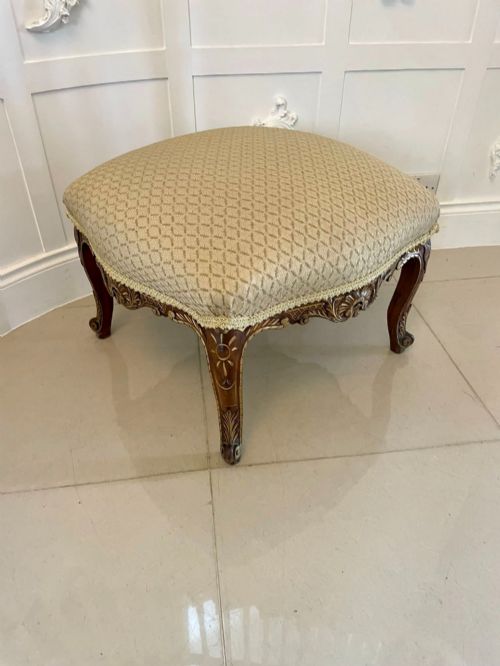
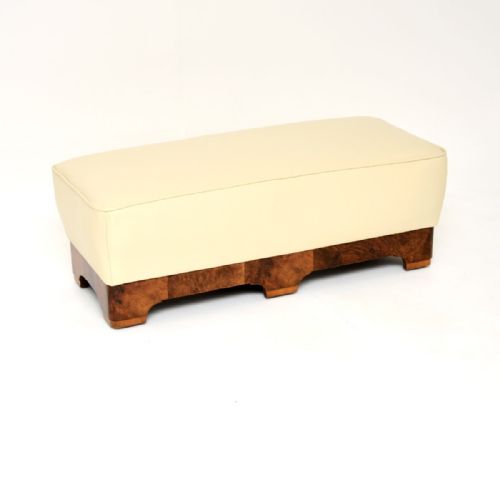
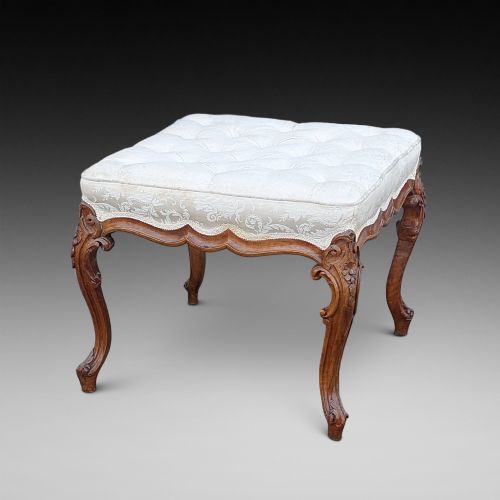
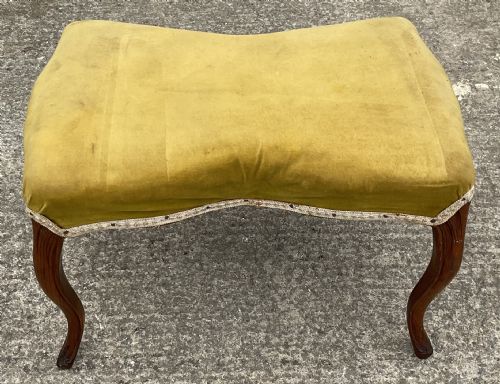
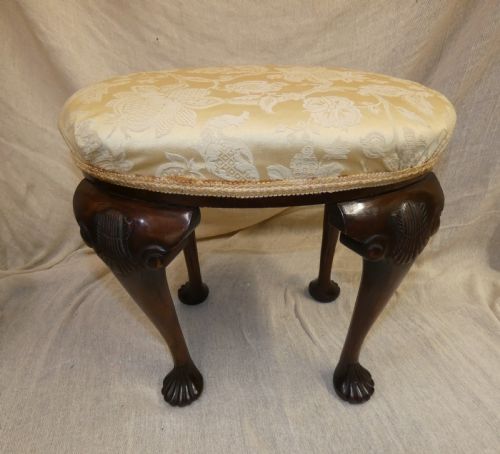
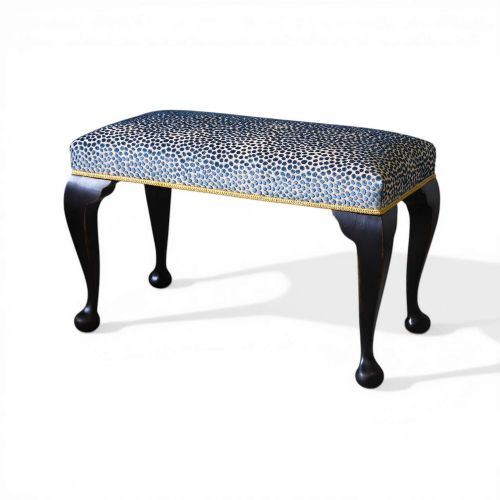
When you search for an upholstered dressing table stool, you encounter a variety of compact seating pieces designed to sit neatly beneath vanity tables. The selection ranges from nineteenth-century Victorian walnut and rosewood designs to twentieth-century Art Deco walnut and leather examples.
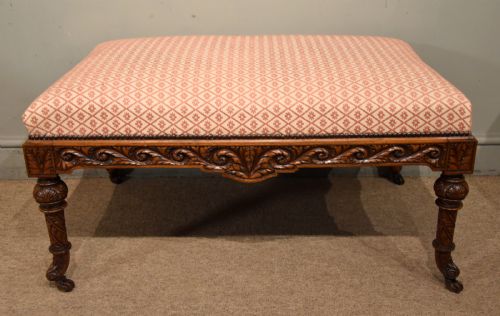
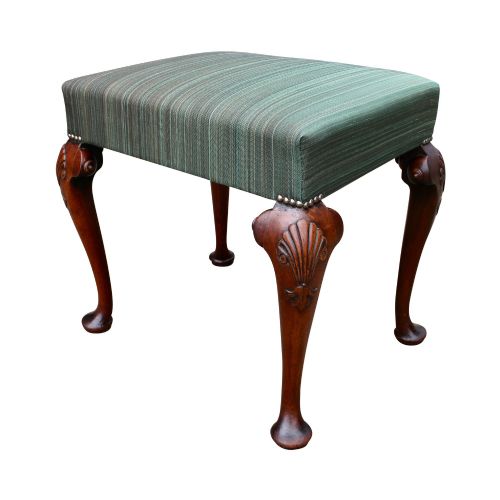
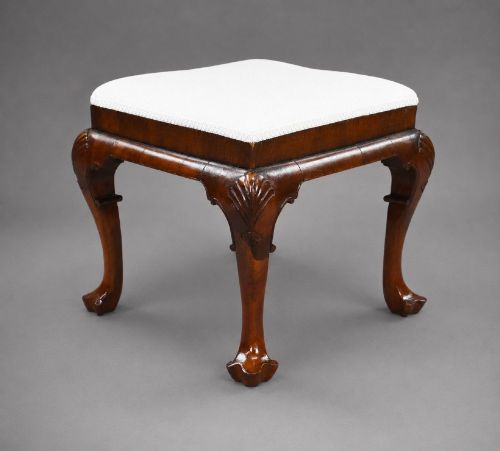
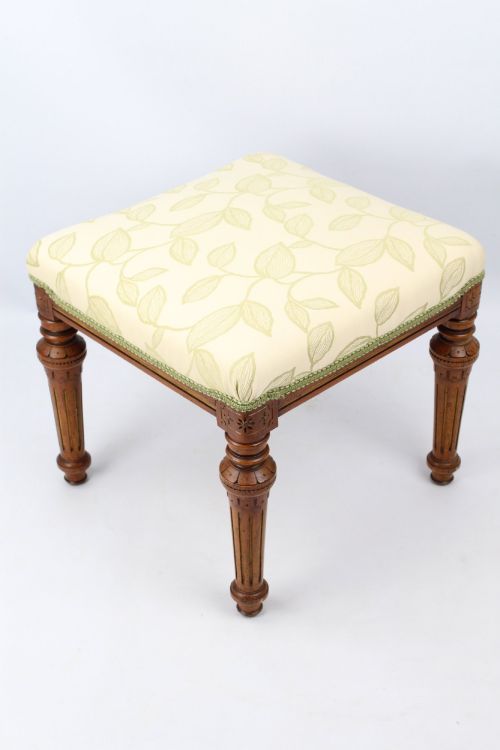
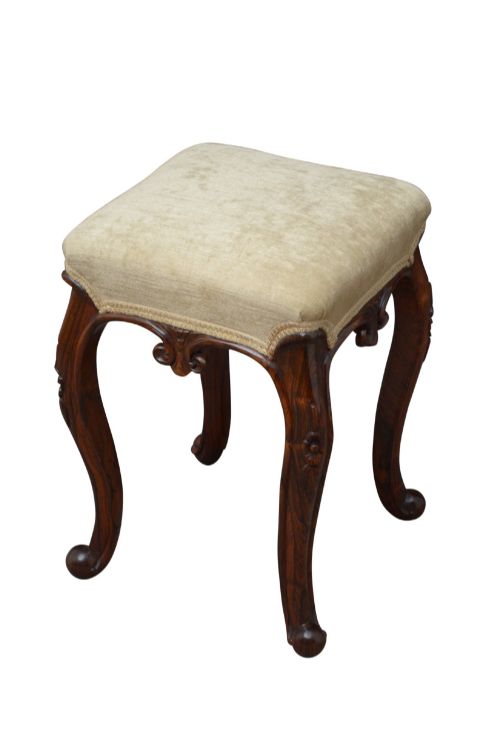
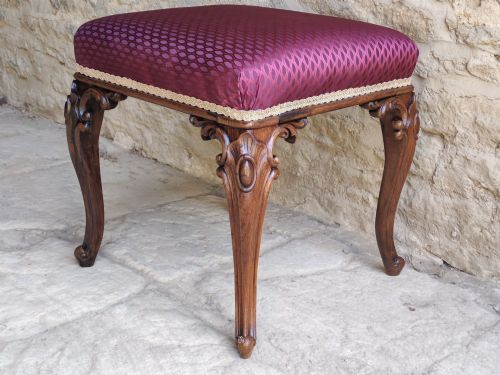
You meet rectangular, oval, and square forms across these listings, often supported by cabriole legs, turned supports, or cross stretchers. Many pieces hail from specific revival movements, including Queen Anne style and Georgian style furniture.
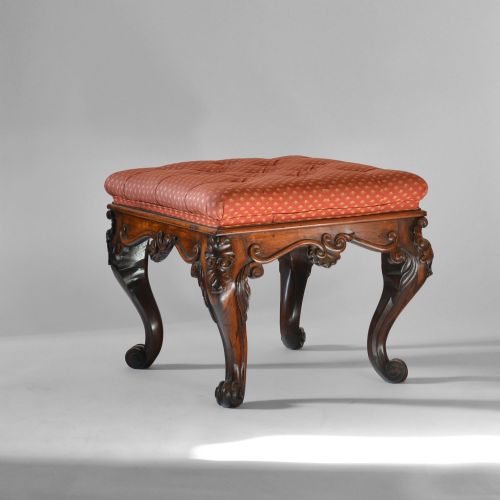
Victorian and Edwardian versions often feature elaborate carved frames in mahogany or walnut, while Art Deco pieces showcase figured walnut, sycamore, and birds eye maple paired with clean leather or textile covers.
Materials and construction
Cabinet makers utilised dense hardwoods such as walnut, mahogany, and rosewood for the frames, frequently shaping them with cabriole legs, bobbin turns, or carved details. Exotic timbers like goncalo alves and sycamore appear alongside gilt oak and ebonised finishes.
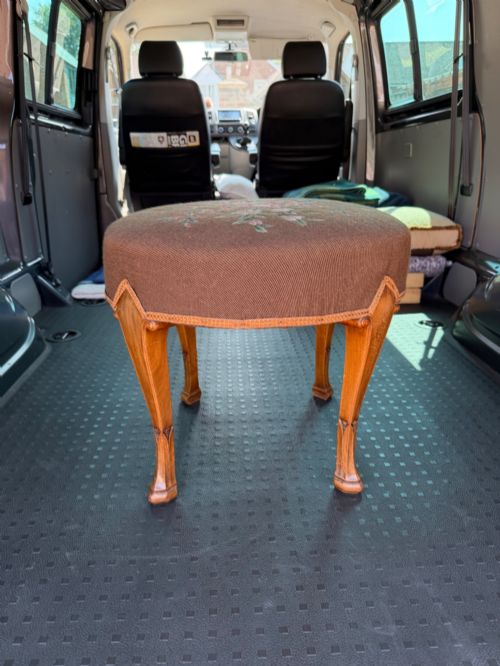
Upholstery techniques combined traditional textile covers, velvet, and leather with supportive interior stuffing. Needlepoint tops and flowery fabric covers provide decorative surfaces, sometimes updated with new cloth during restoration.
Seating forms recorded here include oval, rectangular, and square stools supported by cabriole legs, turned supports, and cross stretchers.
Distinctions in craftsmanship
The distinction between standard examples and the finest pieces lies in the crispness of the frame carving and the selection of timber veneers. Figured walnut, burr walnut, and birds eye maple denote higher ambition in cabinet work.
Structural integrity depends on sturdy joinery at the leg junctions and stretchers, alongside the quality of the timber seasoning. Original brass or gilt details and well-executed upholstery work further separate ordinary workshop output from superior items.
The Upholstered Dressing Table Stool Glossary
- Cabriole leg
- A furniture leg that curves outward at the knee and tapers inward to an ankle or foot, common in Victorian and Queen Anne style seating.
- Cross stretcher
- An interconnecting set of horizontal wooden braces between the legs that adds structural rigidity to a stool.
- Burr walnut
- A prized timber harvested from walnut tree growths, displaying complex swirling grain patterns used on Art Deco and antique frames.
- Needlepoint
- A form of canvas work embroidery traditionally used to create durable, patterned upholstery covers for seats and footstools.
- Goncalo Alves
- A dense exotic hardwood with distinctive contrasting dark streaks, occasionally utilised for nineteenth-century English frames.
Upholstered Dressing Table Stool: Frequently Asked Questions
What is a dressing table stool?
A dressing table stool is a low, compact seat designed specifically to accompany a vanity or dressing desk. These pieces provide a comfortable place to sit while grooming.
They coordinate with bedroom furniture through matching periods like Victorian or Art Deco, utilising wood frames and upholstered tops.
How do I date an antique stool?
Dating relies on identifying the primary wood species, leg shape, and decorative style characteristic of periods like the Victorian era or 1930s Art Deco. Walnut and mahogany were popular in the nineteenth century, while exotic veneers emerged later.
Construction methods and joinery details underneath the frame also offer clues to the exact decade of manufacture.
Can these stools be used as footstools?
Many examples function interchangeably as footstools, ottomans, or piano stools due to their similar height and upholstered surfaces. The sturdy timber frames support varied daily uses around the home.
Their compact footprints make them versatile additions to living rooms as well as bedrooms.
How do I care for antique upholstery?
Maintenance involves gentle vacuuming of fabric or leather surfaces and protecting the wood frame with appropriate wax polish. Keeping wooden furniture away from direct heat sources prevents timber splitting.
Original needlepoint or delicate textile covers require particular care to preserve the historical fabric.