





Upholstered Coffee Stool
An upholstered coffee stool offers a practical low surface and generous padding, perfect for modern living spaces.
Upholstered Coffee Stool
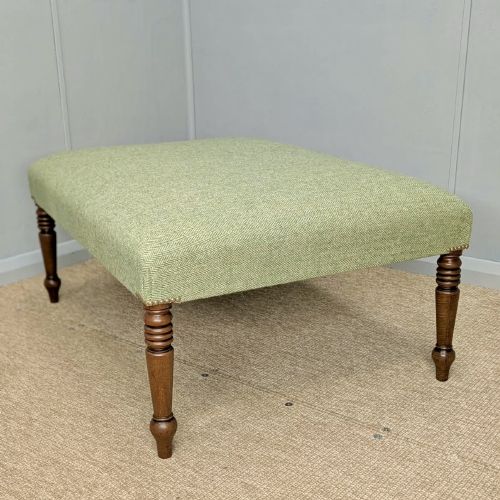
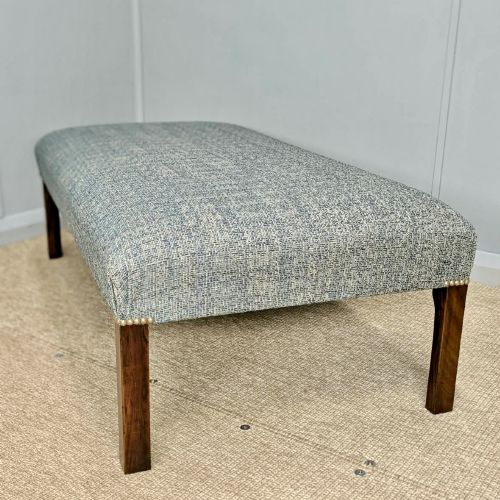
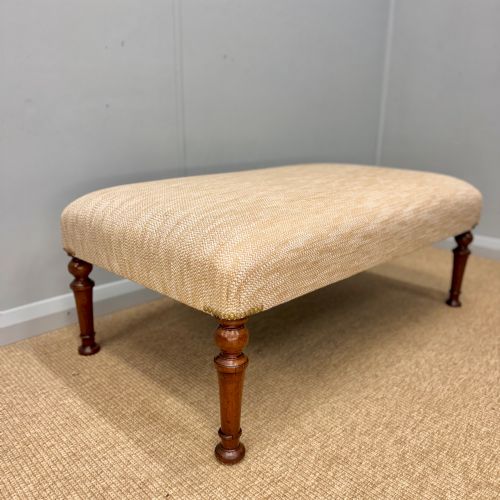
When you search for an upholstered coffee stool, you find low-profile seating pieces adapted for resting trays and books alongside feet. The pieces listed span periods from the Georgian era through the nineteenth century to the early twentieth century, taking the form of footstools, ottomans, and centre stools.
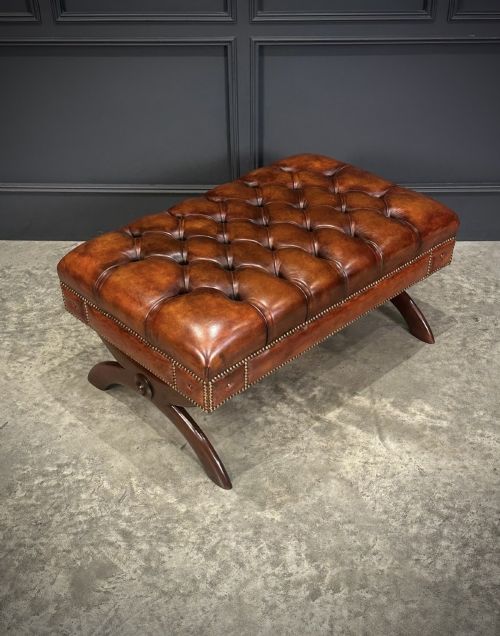
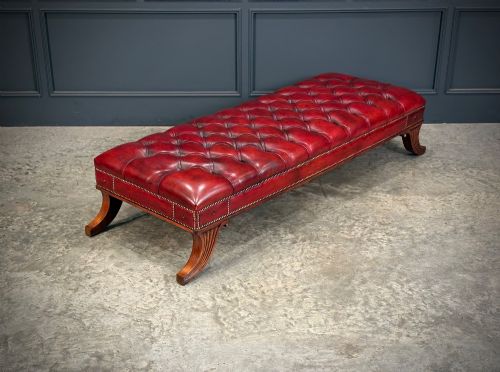
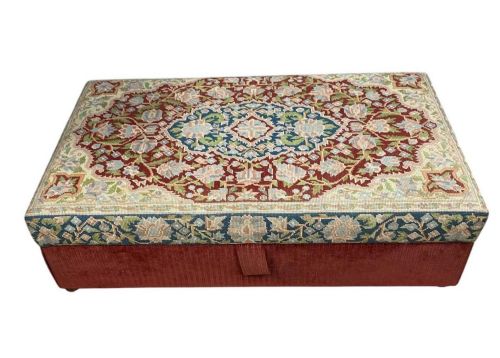
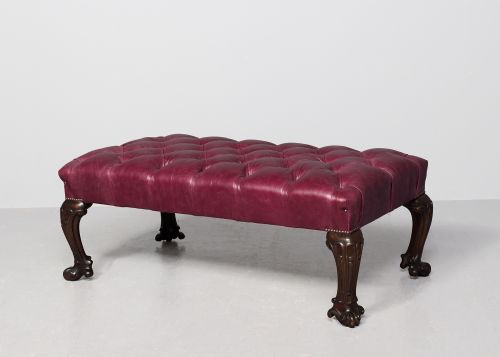
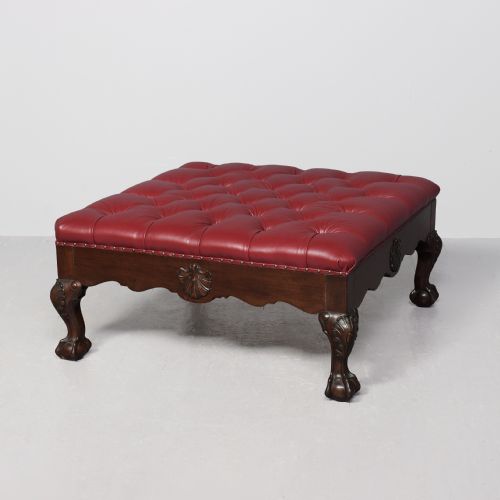
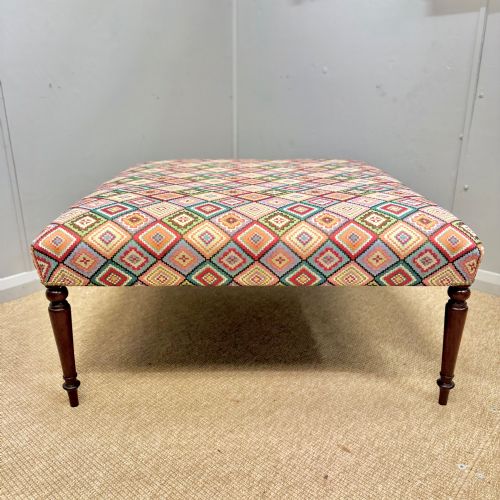
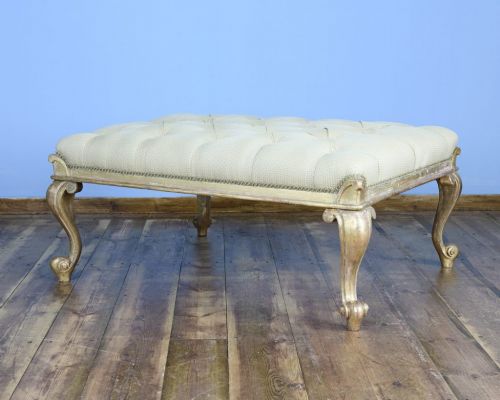
Most examples you meet here are nineteenth century creations, often featuring buttoned leather, tapestry, or newly applied fabrics such as Harris Tweed and chenille. Frames range from simple oak and mahogany to carved rosewood and parcel gilt structures.
These items originate in various traditions, including English country house styles, French chateau aesthetics, and Anglo-Indian designs. They function equally well as central coffee tables or generous footstools in domestic settings.
How they were made
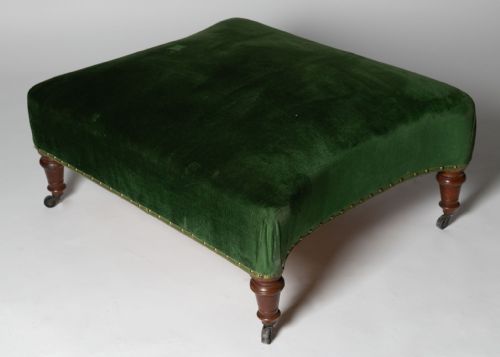
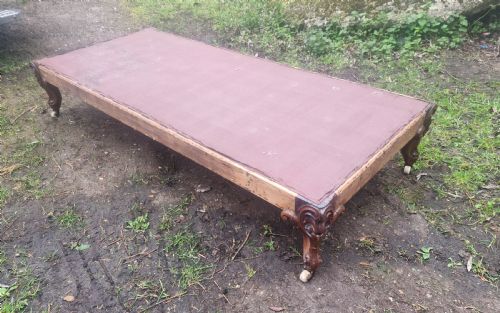
Makers constructed the supportive frameworks using hardwoods such as mahogany, walnut, and oak, occasionally incorporating carved details or square legs on brass castors. These sturdy wooden bases ensure stability when the pieces support both feet and heavier household objects.
Upholstery techniques involve deep buttoning, hide coverings, and woven textiles like velvet, wool, and tapestry. The combination of dense internal padding and robust timber framing gives each piece its distinct tactile and visual weight.
Upholstered Coffee Stool Retail Price Guide 2026
Typical asking prices for upholstered coffee stool among the pieces listed under this phrase on Sellingantiques today, from the lower quarter to the upper quarter. They describe what is for sale here now, not the wider market.
Stilistic influences span Victorian, Georgian style, English country house, and French chateau aesthetics.
What varies in quality
The sophistication of the timber frame and the depth of the carving set certain examples apart from simpler utilitarian pieces. Mahogany-framed structures with detailed buttoning display a higher degree of cabinet-making skill.
The choice of covering materials, from hand-dyed leather to intricate tapestry tops, determines the visual richness of the object. Proportions also vary, with grand scale items commanding more presence in a room than smaller footstools.
The Upholstered Coffee Stool Glossary
- Buttoned leather
- A traditional upholstery technique where the leather surface is pulled into deep recesses and secured with buttons, creating a cushioned diamond pattern. This method adds both texture and structural tension to the hide.
- Centre stool
- A large, freestanding stool designed to sit in the middle of a room rather than against a wall. These pieces often feature finished sides all around and substantial proportions.
- Castor
- A small wheel attached to the base of furniture legs to ease movement across floors. Brass variants are common on nineteenth century footstools.
- Parcel gilt
- A decorative treatment where specific carved areas of a wooden frame are partially covered in gold leaf. It highlights structural details against a darker wood background.
- Tapestry top
- A decorative woven fabric surface depicting pictorial or geometric scenes. These textiles provide a traditional decorative top layer to ottomans and footstools.
Upholstered Coffee Stool: Frequently Asked Questions
Can I use an upholstered coffee stool as a table?
Yes, many large footstools and centre stools function effectively as coffee tables when paired with a sturdy tray for drinks and books.
The padded surface also allows the piece to double as extra seating when entertaining guests in a living room.
How do I care for antique leather upholstery?
Antique leather benefits from regular dusting and occasional treatment with appropriate conditioning balms to prevent the hide from drying out. Avoid placing the stool in direct sunlight to protect the natural tone of the leather.
Hand-dyed and buttoned surfaces require gentle cleaning to preserve the integrity of the material and the surrounding stitching.
What periods do these stools come from?
The selection includes pieces from the Georgian era, the nineteenth century, and early twentieth century revivals. Styles range from Victorian walnut frames to English country house ottomans.
Each period brings distinct wood types and upholstery choices, reflecting the interior fashions of its time.
Are these stools suitable for daily use?
Sturdy hardwood frames and dense padding make these pieces durable enough for everyday domestic tasks. Whether supporting feet or serving as a central surface, they are built to endure regular activity.
Many nineteenth century examples retain their structural strength thanks to quality timber construction.