



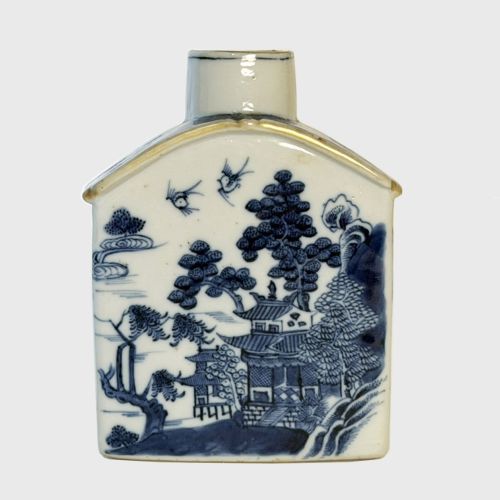
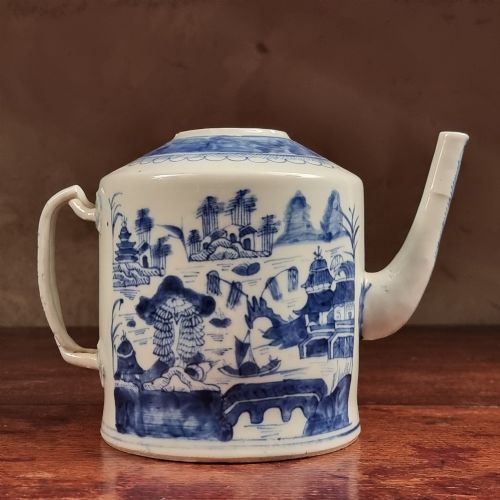
Underglaze Painted Porcelain
Underglaze painted porcelain brings together centuries of cobalt pigment and fired clay, offering robust domestic vessels and striking chargers that endure.
Underglaze Painted Porcelain
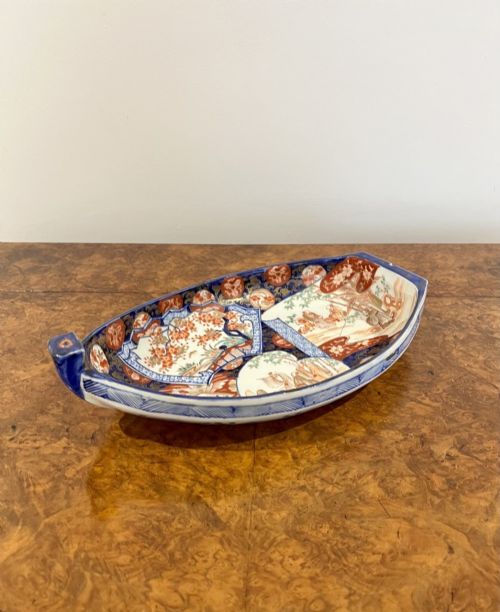
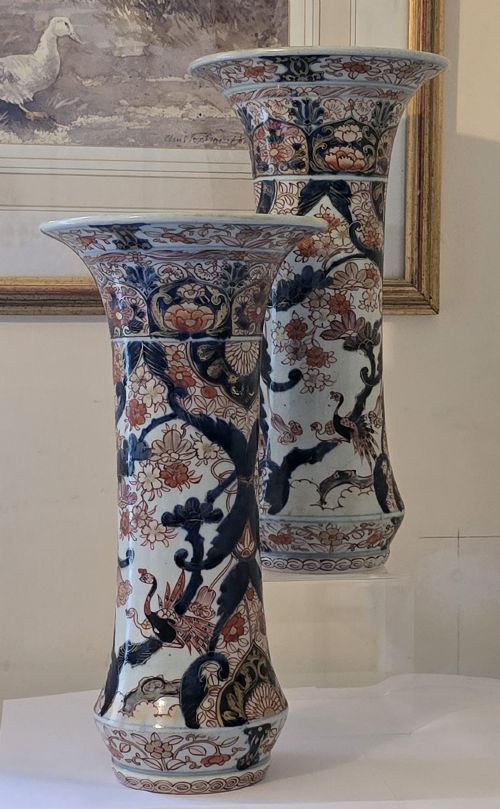
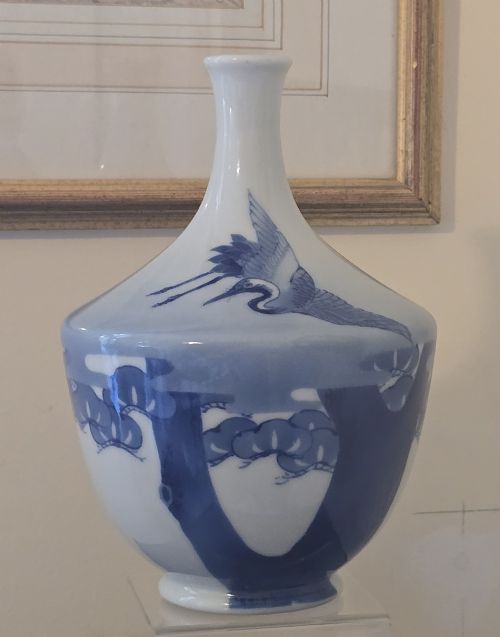
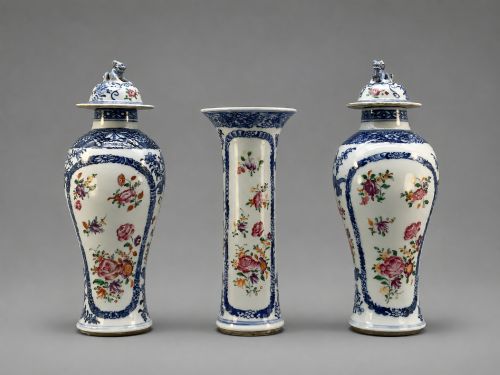
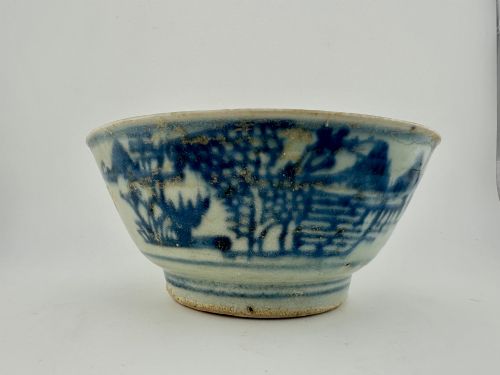
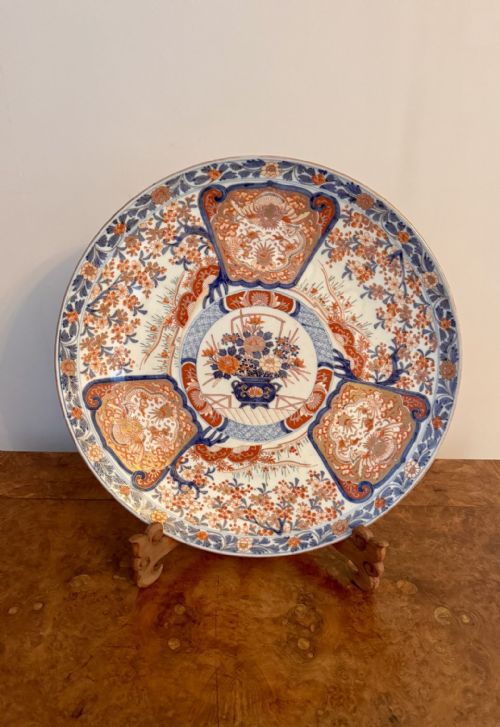
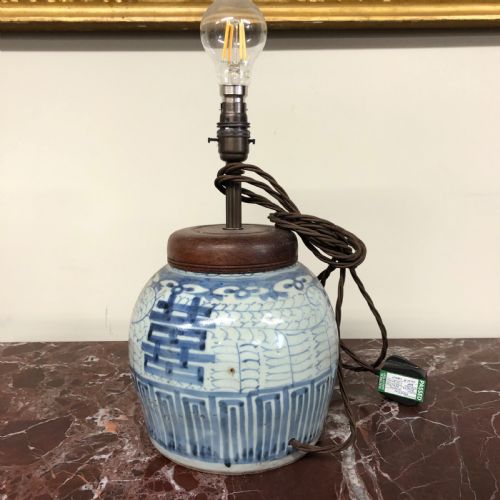
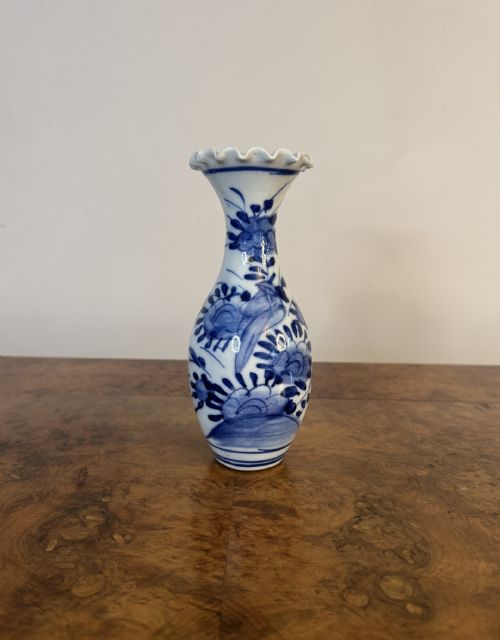
When you search for underglaze painted porcelain, you encounter items shaped by long traditions of ceramic production across Asia and Europe. The selection spans domestic vessels and display pieces, including decorative plates, chargers, bowls, vases, and teapots.
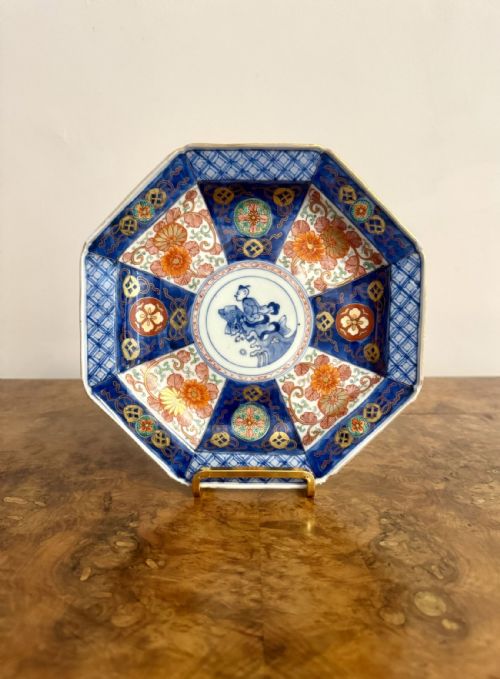
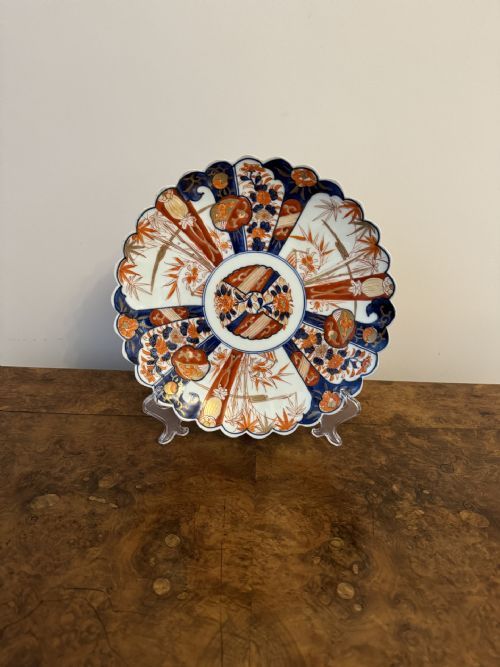
The objects most frequently met on this page belong to Japanese Imari and Chinese Qing Dynasty wares, alongside pieces from European factories such as Royal Copenhagen and Worcester. These examples stretch across periods from the seventeenth century through to the early twentieth century.
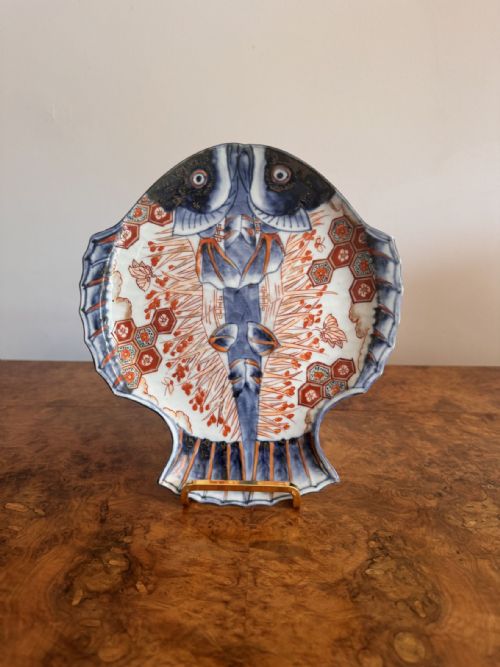
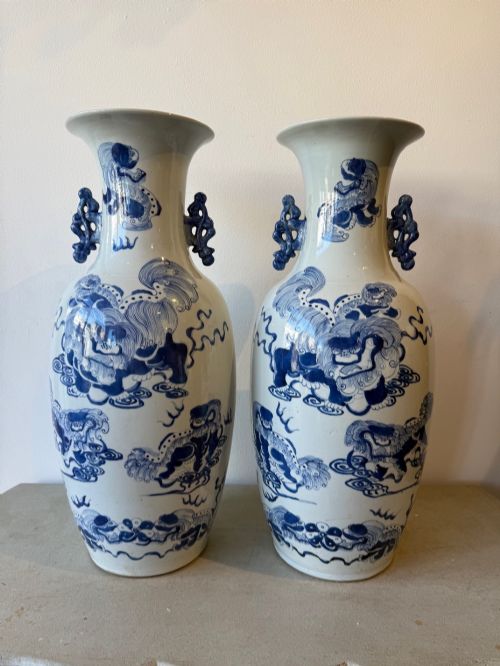
Forms vary from standard circular bowls and baluster vases to octagonal covered boxes, fish-shaped plates, and double-gourd vessels. Each piece demonstrates how makers adapted ceramic bodies for both utility and ornamentation.
How they were made
Makers applied cobalt pigment and other metallic colours directly onto the unfired ceramic body or porcelain substrate before applying a transparent glaze. This pigment withstood the intense heat of the kiln, fusing beneath the glassy surface during firing.
Selected works incorporate additional decorative elements such as enamel highlights, gold leaf, and copper-red pigments to enrich the painted designs. The application required steady brushwork, as the porous clay body absorbed the liquid pigment immediately without room for correction.
Underglaze Painted Porcelain Retail Price Guide 2026
Typical asking prices for underglaze painted porcelain among the pieces listed under this phrase on Sellingantiques today, from the lower quarter to the upper quarter. They describe what is for sale here now, not the wider market.
Listings feature porcelain pieces spanning the seventeenth century through to 1900, incorporating cobalt glaze, enamel, and gold leaf.
What varies in quality
The strength and clarity of the cobalt pigment against the white porcelain ground dictate the visual impact of each piece. Precision in brushwork, especially on complex motifs like dragons, phoenixes, or scholarly figures, separates standard production wares from finer workshop outputs.
The symmetry of the thrown ceramic body and the smoothness of the final glaze surface indicate the maker's skill. Pieces exhibiting balanced proportions and controlled colour application hold greater visual harmony.
The Underglaze Painted Porcelain Glossary
- Underglaze
- Pigment applied to ceramic ware before it is glazed and fired in a kiln. This technique protects the painted design beneath a glassy layer.
- Cobalt Pigment
- A metallic colourant used to produce blue decoration on ceramics. It remains stable at high kiln temperatures.
- Imari
- A style of Japanese porcelain featuring blue underglaze and iron red, often supplemented with gold. Production centred on the town of Arita.
- Baluster
- A vase form with a rounded body that tapers toward the base and swells outward near the centre. The shape resembles a traditional architectural baluster.
- Biscuit
- Fired but unglazed ceramic ware. It provides a porous base ready for the application of liquid pigments and glazes.
Underglaze Painted Porcelain: Frequently Asked Questions
What is underglaze painted porcelain?
Underglaze painted porcelain consists of ceramic objects decorated with pigments applied before the final glaze and high-temperature firing. The protective glassy layer seals the painted design permanently.
This method keeps the decoration intact through daily use and prevents the colours from wearing away over time.
How do I care for antique porcelain?
Antique porcelain requires gentle washing by hand in warm water using mild soap. Avoid harsh scrubbers and sudden temperature changes to protect the glaze.
Display vessels safely away from heavy foot traffic or unstable edges where accidental knocks might occur.
How are periods identified?
Periods are identified through specific painting styles, glaze characteristics, and potting techniques recorded across different centuries. Reign marks or factory stamps also provide chronological markers.
Comparing the weight, clay body texture, and cobalt tone helps place an object within its historical era.
Were these pieces used daily?
Many items, such as bowls, teapots, and plates, served practical functions in domestic dining and tea preparation. Other forms like large chargers and brush washers were intended for display or scholarly use.
Wear patterns and interior staining often reflect the practical history of individual serving vessels.