




Underglaze Blue Imari
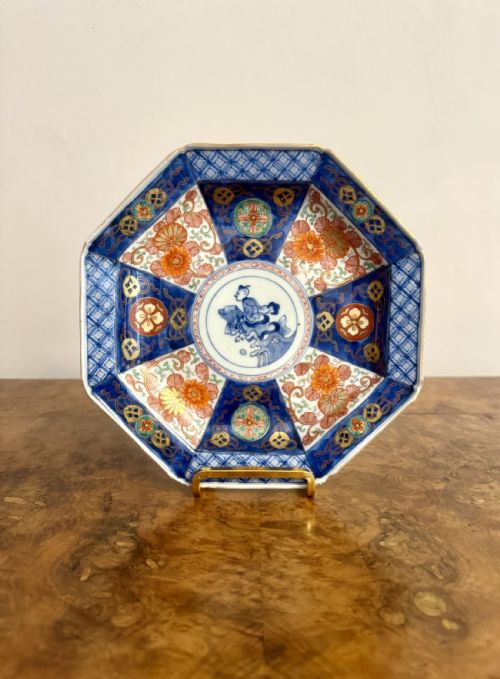
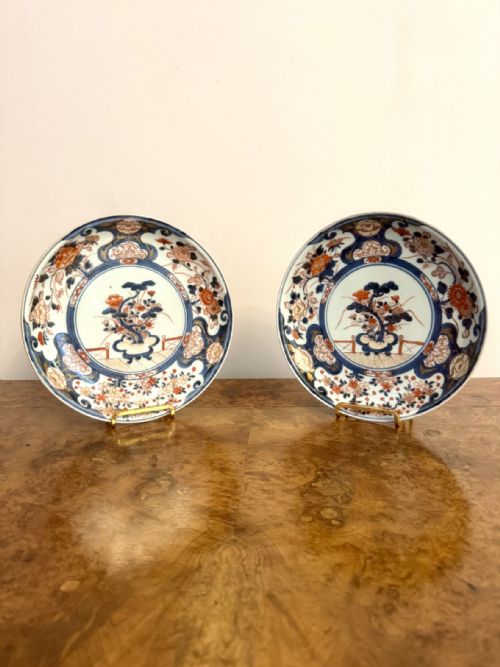
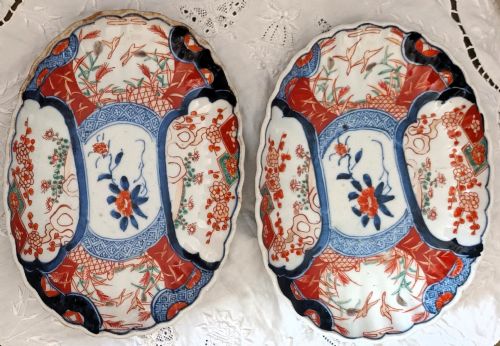
These pieces of underglaze blue imari porcelain combine rich cobalt painting with vibrant enamel and gilt highlights for a striking decorative display.
Underglaze Blue Imari
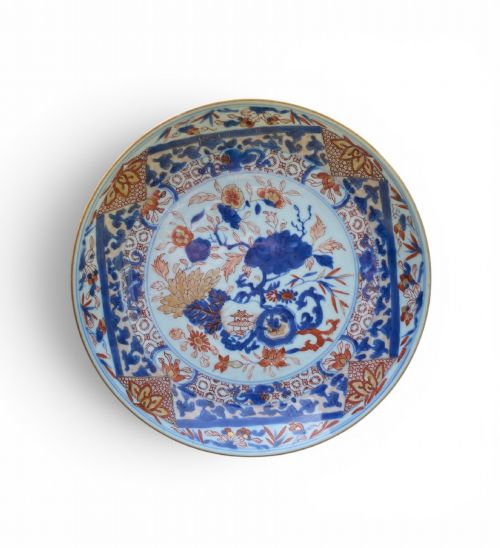
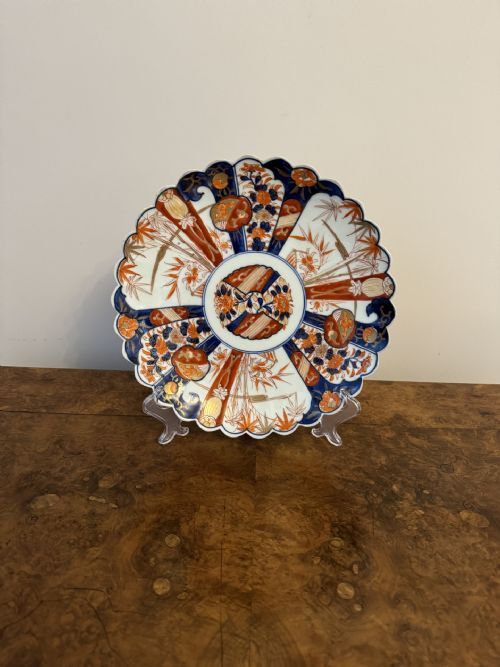
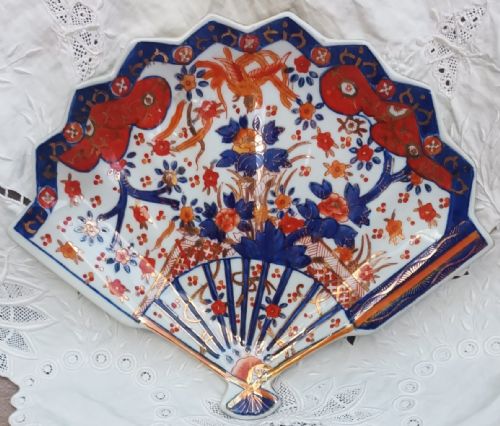
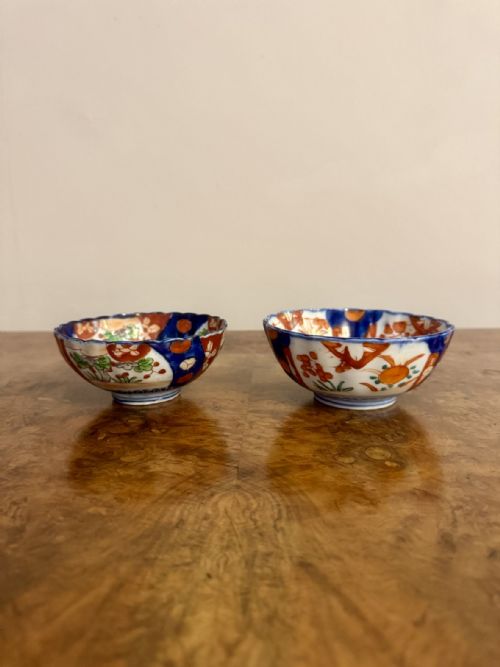
When you search for underglaze blue imari, you encounter decorative plates, bowls, dishes, chargers, and vases originating from Japanese and Chinese kilns. The selection spans the Edo and Meiji periods alongside the Qing Dynasty and Georgian eras, reflecting centuries of skilled potting and cross-cultural trade.
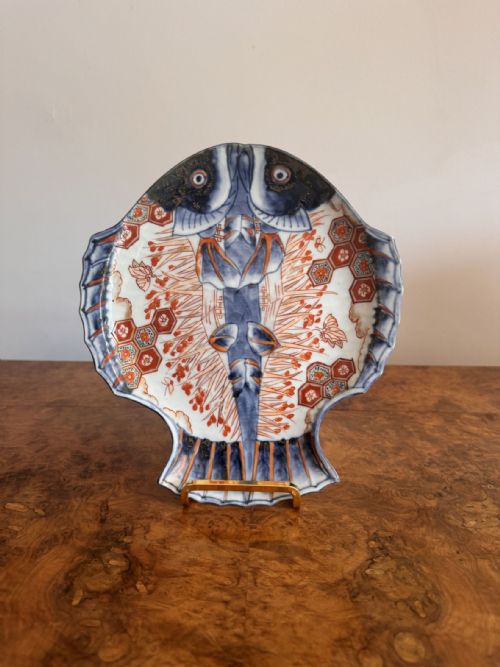
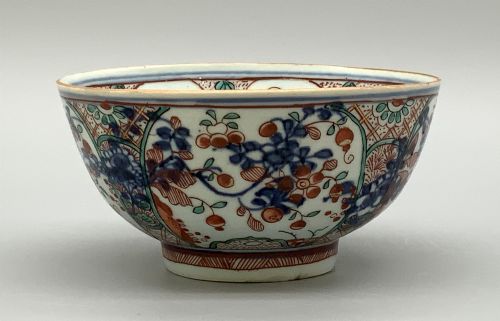
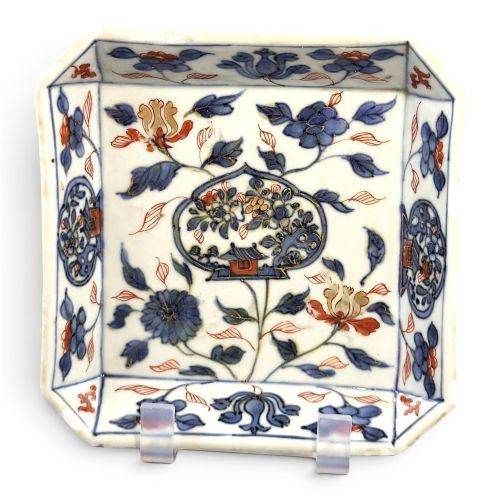
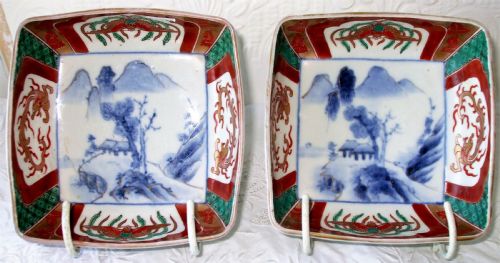
The most common examples on this page are Japanese Arita imari plates and chargers from the nineteenth and early twentieth centuries, often shaped with scalloped edges or unusual fish and hexagonal outlines. Alongside these sit eighteenth-century Chinese Kangxi porcelain bowls and dishes created in the classic imari palette.
Materials and technique
Potters constructed these vessels from hard-paste porcelain, applying cobalt blue pigments directly beneath the clear glaze before the primary high-temperature kiln firing. This underglaze cobalt gives the deepest blues their permanent, protected depth.
After the initial glaze firing, artisans added overglaze enamels in iron red and other colours, frequently finishing the decoration with gold leaf, gilt, or gilding before a subsequent low-temperature fixation.
Listings feature porcelain pieces spanning the eighteenth century through to the Meiji period, utilising cobalt glaze, enamel, and gold leaf.
Assessing quality and craftsmanship
The distinction between standard commercial output and exceptional works lies in the precision of the underglaze cobalt painting and the crispness of the moulded form, whether a fish-shaped plate or a large charger. Superior pieces display harmonious balance across complex enamelled motifs without muddying the underlying blue lines.
The density and richness of the applied gilding also separate ordinary items from finer examples, as does the potting weight and the delicacy of scalloped or chamfered edges achieved by the maker.
The Underglaze Blue Imari Glossary
- Imari
- A style of ceramic decoration originating in Japan and subsequently copied in China, characterised by a palette of underglaze blue, iron red, and gilt. The name derives from the port from which these wares were shipped to Europe.
- Underglaze
- Pigment applied to an unglazed ceramic body before the glaze is applied and fired. This technique seals the colour permanently beneath a glassy protective layer.
- Arita
- The Japanese town and surrounding region in Hizen province where the production of porcelain began. Arita kilns produced the bulk of Japanese imari exported worldwide.
- Gilding
- The application of gold leaf or gold powder to the surface of porcelain. It provides the metallic highlights characteristic of imari wares.
- Charger
- A large decorative plate or platter. These substantial pieces were often displayed upright on plate rails or tables.
Underglaze Blue Imari: Frequently Asked Questions
How should I display a large imari charger?
Large chargers work best secured in sturdy plate stands or mounted securely on walls where their intricate enamel and cobalt patterns can catch the light.
Keep them away from direct, harsh sunlight to protect the overglaze enamels and gold leaf from fading over time.
Can I use these antique bowls for serving food?
While these porcelain vessels were originally functional tableware, centuries of age and delicate overglaze enamels mean modern owners generally treat them as decorative display pieces.
Hand washing in tepid water with mild soap is recommended if cleaning is necessary, avoiding dishwashers entirely.
What is the difference between Japanese and Chinese imari?
Chinese imari pieces, particularly from the Kangxi period, often feature brighter white porcelain bodies and slightly different enamel hues compared to their Japanese Arita counterparts.
Japanese imari typically showcases bolder, more asymmetrical interpretations of natural forms like fish and floral arrangements.
How do I identify a Meiji period piece?
Meiji period items date from 1868 to 1912 and frequently exhibit highly detailed, busy compositions with intense cobalt blue and heavy gilding.
They represent a period when Japanese kilns ramped up production for international export markets.