

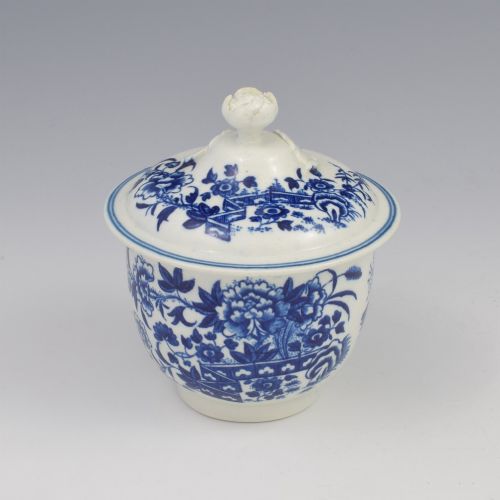


Underglaze Blue Ceramic Pot
An underglaze blue ceramic pot brings centuries of cobalt painting and high-fired clay into daily domestic spaces.

Underglaze Blue Ceramic Pot
An underglaze blue ceramic pot encompasses utility vessels and decorative containers painted in cobalt before firing. When you search for an underglaze blue ceramic pot, you encounter forms ranging from scholars' brush pots and tea vessels to large jardinieres and ginger jars. The pieces span centuries of production, originating primarily from Chinese dynasties, Japanese kilns, and eighteenth-century English factories.
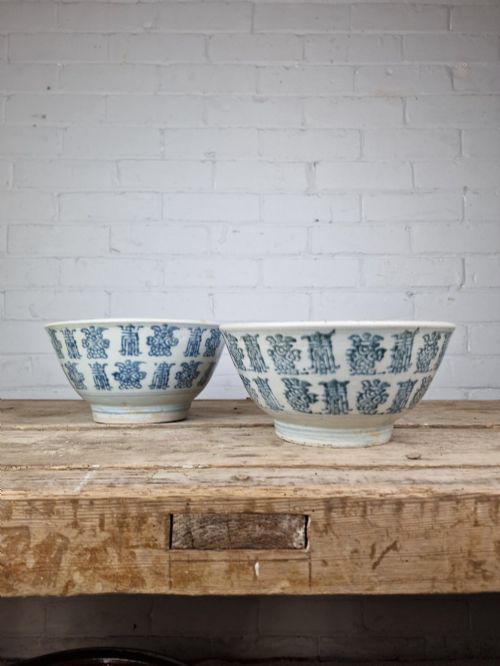
The domestic application of these vessels varied widely according to their historical context. Smaller pieces functioned as brush pots, sugar bowls, and opium pots, while larger examples served as jardinieres, fish bowls, and storage jars. Provincial bowls and decorative jars also appear frequently, reflecting both utilitarian tasks and ornamental display in historic interiors.
How they were made
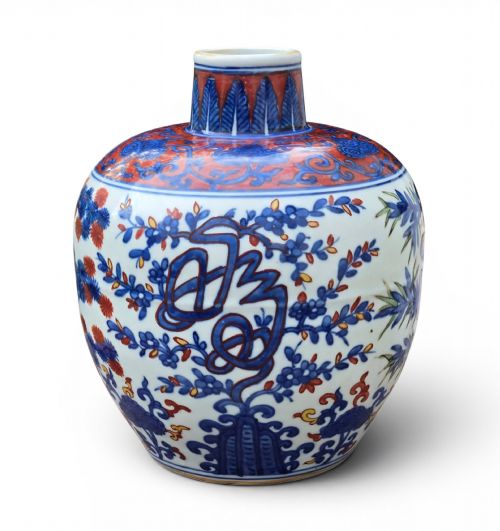
Makers applied cobalt pigment directly to the ceramic body before coating the piece in a clear glaze and firing it at high temperatures. This underglaze technique allowed the cobalt to fuse with the glaze, creating durable blue decoration that resists fading. Potters in various regions also incorporated iron-red and green enamels over the glaze for supplemental colour.
Porcelain and ceramic bodies provided the stable base required for high-temperature kilns. The resulting pieces combined refined Chinese export porcelain with sturdy provincial ceramics, Japanese Arita wares, and early English soft-paste porcelain from factories such as Worcester.
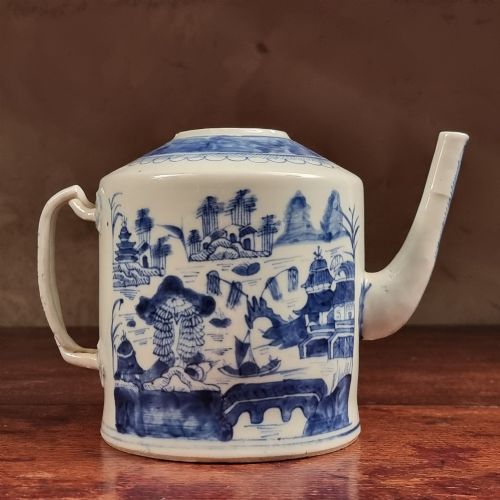
An eighteenth-century tea pot might still smell faintly of ancient leaves if you lean in close enough after a long journey.
What varies in quality
The clarity and depth of the cobalt painting set the visual standard for these vessels. Controlled brushwork and deep, vibrant cobalt tones distinguish finer scholarly and imperial pieces from simpler provincial wares.
The precision of the form and the purity of the porcelain body also influence the character of each pot. Well-balanced thrown vessels with even glaze coverage demonstrate superior kiln control and skilled craftsmanship.
The Underglaze Blue Ceramic Pot Glossary
- Underglaze
- A decoration method where pigment is applied to the raw ceramic body before glazing and firing. This technique protects the painted design beneath a glassy protective layer.
- Cobalt
- A mineral oxide used to produce blue pigment on ceramics. It withstands the extreme temperatures required for high-fired porcelain.
- Bitong
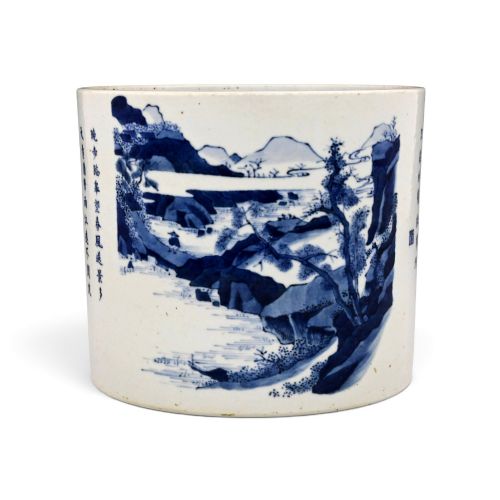
- A cylindrical brush pot used by scholars in East Asia. These vessels held writing brushes on a scholar's desk.
- Jardinerie
- A large decorative pot or stand designed to hold live plants or flowers. They often sit on floors or heavy tables.
- Sucrier
- A small covered pot or bowl designed to hold sugar for tea service. Eighteenth-century examples often include matching lids.
- Arita
- A Japanese town and production centre renowned for porcelain manufacture. Wares from this region often feature intricate cobalt painting.
Underglaze Blue Ceramic Pot: Frequently Asked Questions
Can I use these pots for plants?
Jardinieres and large jars were originally built to house plants or water. Ensure you use a protective inner nursery pot to prevent moisture damage to the antique ceramic body.
Delicate tea pots and brush pots are unsuited for modern planting and function best as decorative objects. Handle them with care to preserve their historic surfaces.
What does underglaze blue mean?
Underglaze blue describes decoration painted onto raw clay using cobalt oxide before applying a transparent glaze. The piece is then fired once at a high temperature, sealing the blue pigment beneath the glassy surface.
This process ensures the decoration remains permanent and protected from daily wear. It differs from overglaze enamel, which sits on top of the fired glaze.
How can I tell Japanese from Chinese porcelain?
Japanese wares, such as Arita pieces, often feature distinct glaze characteristics and stylistic traits developed by regional kilns. Chinese export ceramics reflect specific dynastic periods and traditional motifs like the Kangxi or Qing styles.
Comparing the potting style, foot rim execution, and cobalt tone helps clarify the origin of each vessel. Expert reference books provide further guidance on regional variations.
What were brush pots used for?
Brush pots held writing brushes upright on the desks of scholars and literati in traditional East Asian studies. Their cylindrical form provided stable storage for tools used in calligraphy and painting.
Over time, these functional vessels became prized art objects displayed in studies and reception rooms. Their painted scenes often depicted scholarly landscapes or symbolic flora.