


Two Tier Pedestal Table
A two tier pedestal table offers double the surface space in a compact footprint, making it a practical choice for displaying plants, lamps, or small objects.
Two Tier Pedestal Table
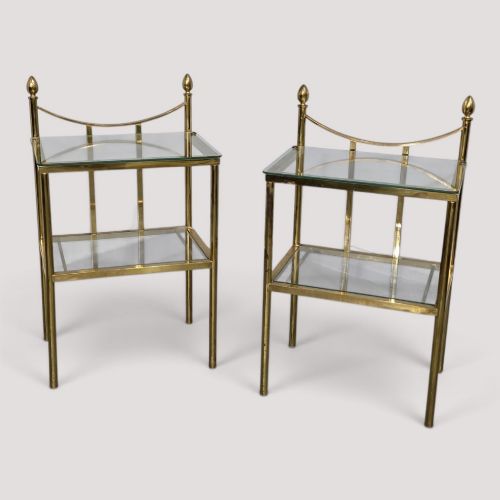
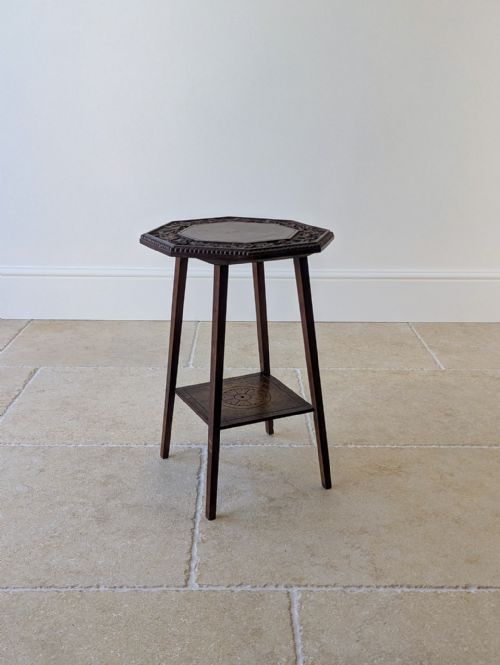
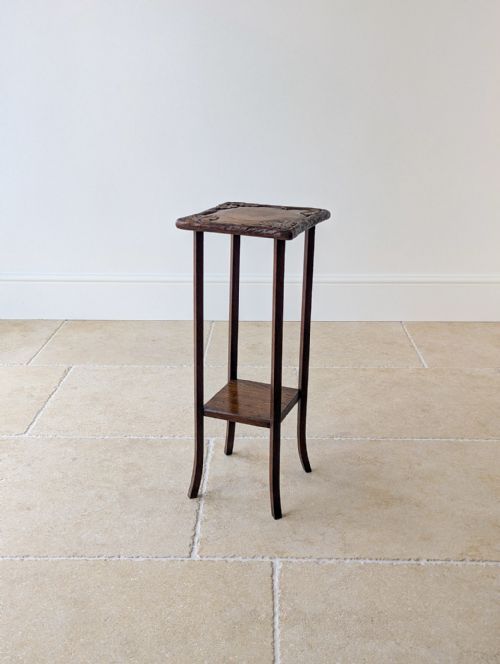
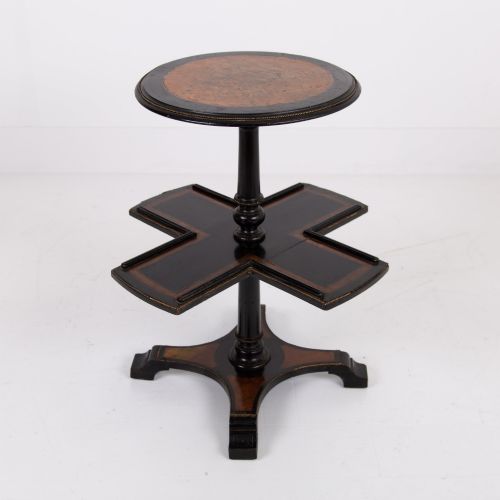
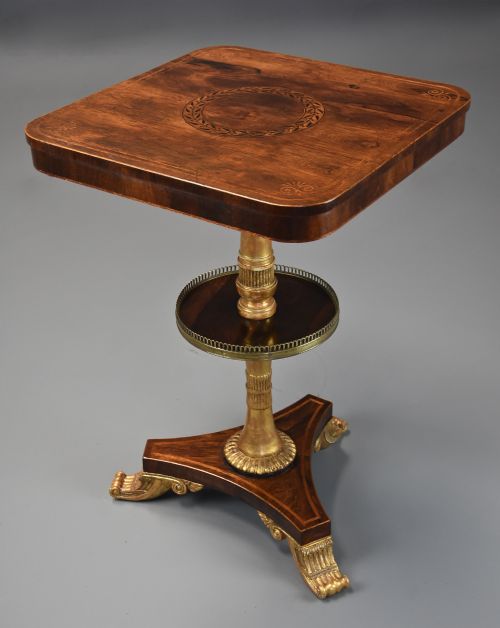
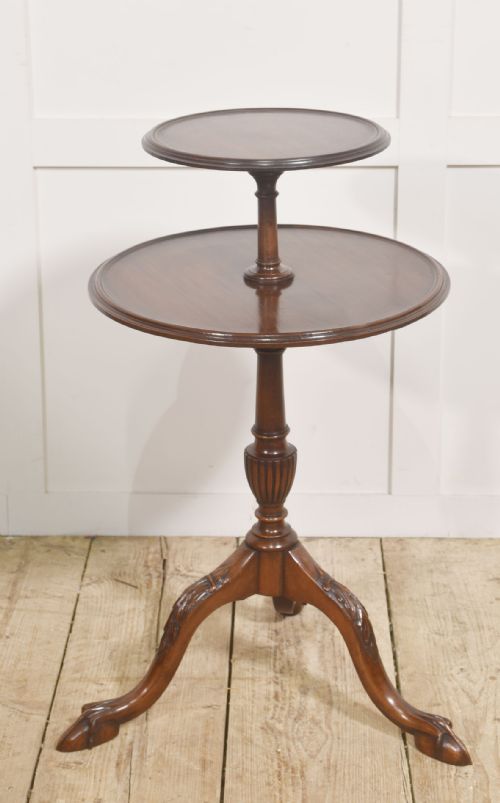
A two tier pedestal table provides vertical storage and display options through stacked circular or square surfaces supported by a central column. These pieces appear across the Victorian, Edwardian, and Regency periods, alongside earlier stylistic revivals and overseas imports from China and Japan. Buyers encounter formats ranging from plant stands and jardiniere stands to dumb waiters and compact occasional lamp tables.
The lower tier often serves to stabilise the central shaft while offering an additional platform for books or decorative items. Proportions vary from tall, slender plant stands designed for a single urn to broader side tables meant to sit beside seating. Material choices span traditional British hardwoods like mahogany and oak to exotic rosewood, bamboo, and carved Asian hardwoods.
Materials and construction methods
Cabinetmakers utilised solid timbers such as mahogany, oak, walnut, and rosewood alongside specialised finishes like ebonised wood and amboyna. Turning, carving, and joinery define the structural integrity of the central column and the fitting of the tiers. Inlaid decoration, brass fittings, marble inserts, and glass panels frequently augment the primary wooden structures.
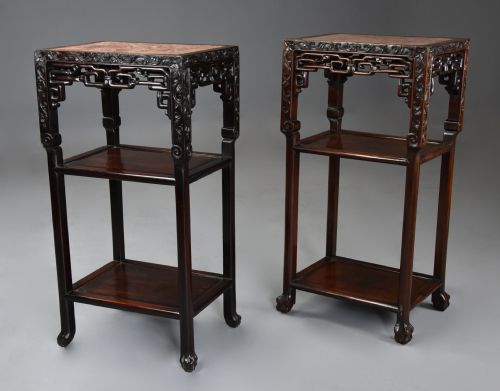
Asian imports showcase intricate hand carving in dense hardwoods like Hongmu, constructed without relying on modern fasteners. British pieces employ traditional framing, turning techniques such as barley twist legs, and carefully matched wood veneers. Secondary materials like leather, porcelain, and cane appear on specific surfaces depending on the intended function of the table.
Some Victorian plant stands come equipped with rotating tiers, proving that our ancestors also struggled to reach the foliage at the back.
Distinctions in craftsmanship
Quality rests in the selection of timber grain, the precision of the joinery connecting the tiers to the central pedestal, and the crispness of any hand carving. Superior examples demonstrate stability across both tiers without wobble in the central shaft, reflecting sound internal construction.
The sophistication of decorative details, such as fine inlay work, matched veneers, or substantial brass mounts, elevates a piece above standard utility items. Maker attribution, through retailer marks or distinct regional carving styles, also distinguishes exceptional historical specimens from straightforward vernacular furniture.
Liberty of London·George Bullock
The Two Tier Pedestal Table Glossary
- Dumb waiter
- A multi-tiered stand originally used for serving food or holding tableware without the need for servants. These tables feature graduated tiers supported by a central pillar.
- Jardiniere stand
- A tall pedestal specifically designed to hold heavy plant pots or floral arrangements. They frequently incorporate waterproof insets or robust hardwood platforms.
- Hongmu
- A dense, dark traditional Chinese hardwood utilised for carved furniture and pedestal stands. The term translates literally to red wood.
- Ebonised
- Wood treated with a dark stain or finish to imitate the appearance of solid ebony. This technique gained popularity during the Victorian period for accentuating carved details.
- Gueridon
- A small French occasional table supported by a central column or figures. These often feature marble tops and decorative canework.
Two Tier Pedestal Table: Frequently Asked Questions
What rooms suit a two tier pedestal table?
These compact tables fit easily into narrow hallways, corners, or beside seating where floor space is limited. The dual surfaces allow for a lamp on top and books below.
Larger versions function effectively as central display surfaces in reception rooms or as serving stations in dining spaces.
How do I identify the period of a two tier pedestal table?
Examine the primary timber, the style of the turning on the central column, and any edge mouldings. Regency and Victorian pieces often feature dense mahogany or rosewood with heavy turned pillars.
Edwardian items frequently display lighter oak construction or inlaid stringing, while Asian hardwood stands exhibit traditional Qing Dynasty carving techniques.
Can these tables hold heavy items?
Solid hardwood construction and sturdy central columns allow many plant stands and jardiniere units to support substantial ceramic pots or bronze urns. Tables with wide, heavy bases offer greater stability for heavier objects.
Lighter occasional tables with slender legs or delicate tiers are better suited to lamps, books, and small decorative items rather than heavy loads.
How do I care for antique wood surfaces?
Maintain the finish by dusting regularly with a dry cloth and occasionally applying traditional beeswax to nourish the timber. Avoid placing tables in direct sunlight or near heat sources to prevent the wood from splitting.
Protect marble or glass inserts with appropriate coasters and pads to prevent scratching the surrounding wooden frame.