




Traditional Wooden Display Table
Traditional wooden display table designs encompass nineteenth-century Chinese hardwood stands, Edwardian occasional pieces, and mahogany side tables built to showcase prized objects.
Traditional Wooden Display Table
When you search for a traditional wooden display table, you encounter a varied selection of nineteenth-century and Edwardian forms intended for holding ornaments and daily items. The pieces span Chinese hardwood stands, occasional tables, and mahogany side tables.
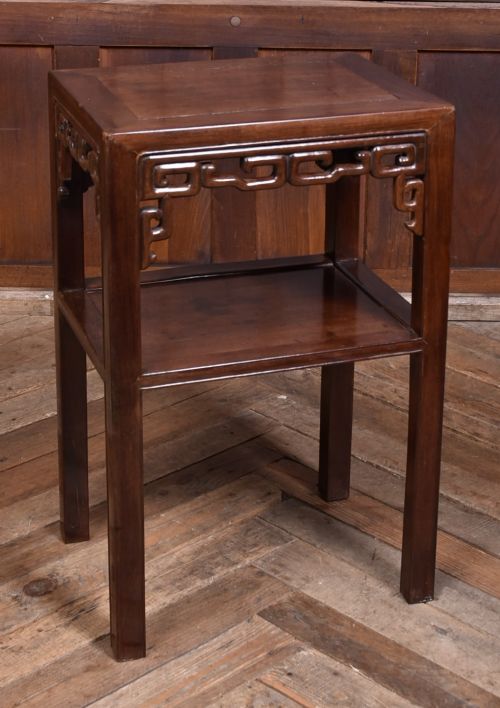
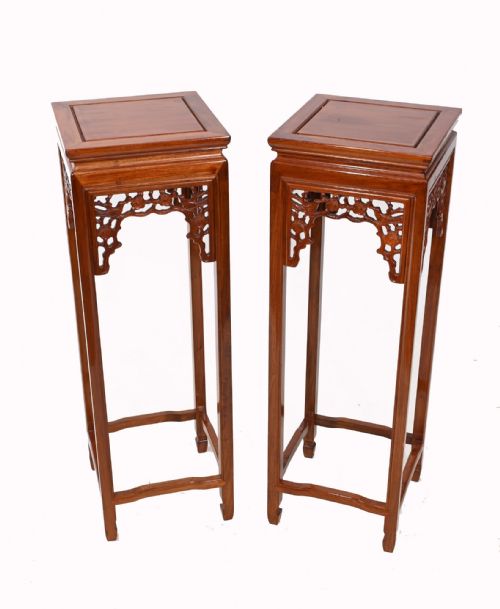
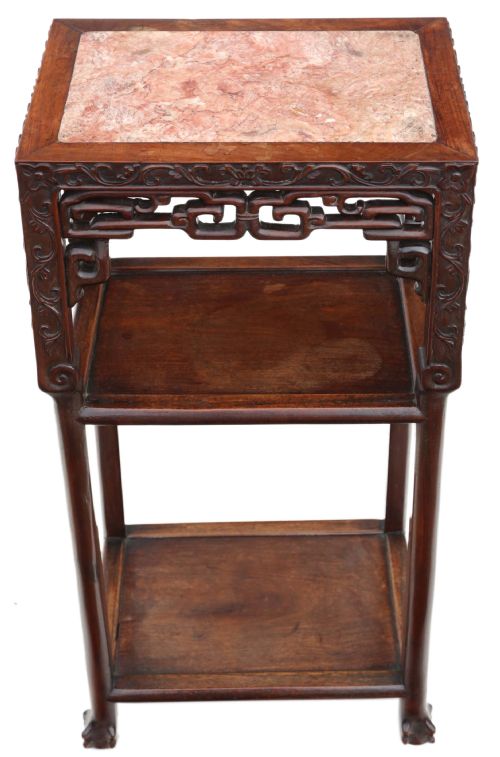
The inventory on this page leans toward nineteenth-century Chinese hardwood tables, pedestal stands, and altar tables alongside Edwardian and Victorian mahogany side tables. These furnishings served diverse domestic functions, from supporting planters to displaying porcelain.
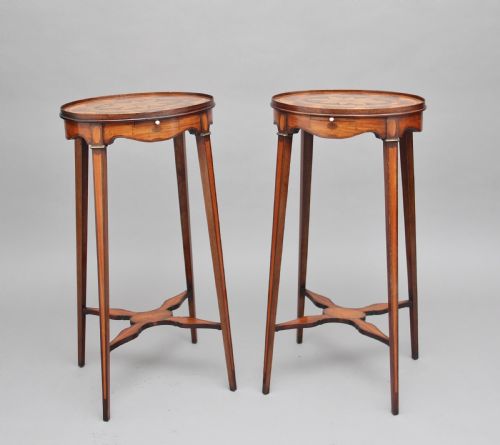
Buyers frequently find side tables, occasional tables, plant stands, and nest of four tables created within stylistic revivals such as Sheraton, Jacobean, and George III style. Each form brings specific proportions suited to corner placements or central display.
How they were made
Cabinetmakers utilised hardwoods, mahogany, and oak as the primary structural timbers, often turning legs into barley twist shapes or carving surfaces with intricate detail. Joinery traditions dictated strong frames capable of supporting heavy marble inserts and porcelain vessels.
Inlay work and brass hardware appear across European revival pieces, contrasting with the dense grains of Chinese hongmu and hardwood stands. Surfaces received polished finishes that protected the timber while highlighting natural figuring.
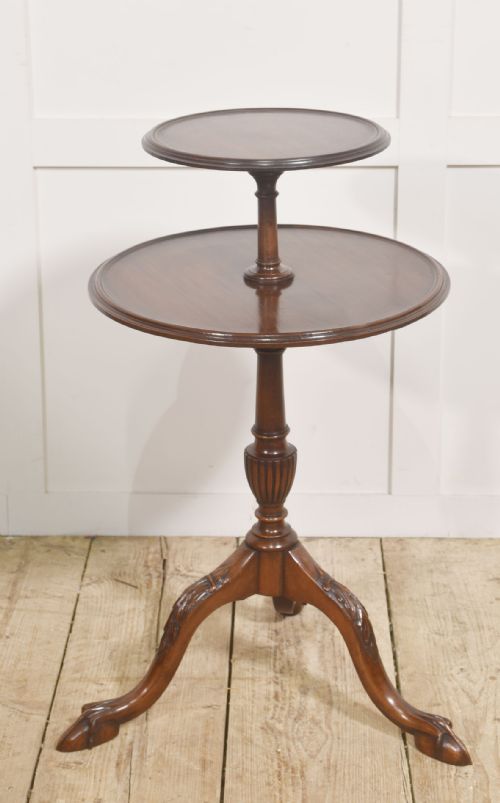
Specialised forms incorporate inset marble tops and multi-tiered shelving, requiring precise carpentry to maintain stability without detracting from the decorative aesthetic of the furniture.
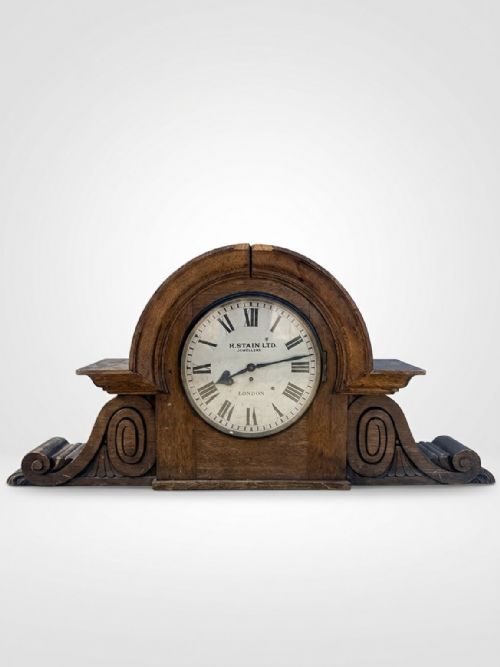
Object forms represented include side tables, occasional tables, plant stands, mantel clocks, pedestal stands, urn stands, stools, and console tables.
What varies in quality
The standard of carving and inlay separates standard utility furniture from finer collector pieces, particularly evident in Sheraton revival stands and Victorian side tables. Crisp edges on carved motifs and tight joints indicate superior workshop production.
Material selection dictates much of the inherent value, with dense hardwoods like hongmu commanding attention alongside figured mahogany and intact marble inserts. The choice of secondary timbers and the retention of original brass elements also influence the overall standard.
The Traditional Wooden Display Table Glossary
- Hongmu
- A traditional Chinese term for dense hardwoods, frequently used in nineteenth-century stands and tables. These timbers provide exceptional weight and dark, rich colour.
- Jardiniere
- An ornamental stand or container designed to hold plants and flowers. In nineteenth-century interiors, these often featured turned wooden legs and waterproof inserts.
- Nest of four tables
- A set of graduating tables designed to slide neatly beneath one another when not in use. They became popular in the nineteenth century for serving tea or displaying small items.
- Barley twist
- A spiral turning technique applied to wooden table legs and supports. This decorative joinery style appears frequently on nineteenth-century oak and hardwood furnishings.
Traditional Wooden Display Table: Frequently Asked Questions
What is a traditional wooden display table used for?
These tables served primarily to elevate decorative objects, clocks, and plants within period reception rooms and parlours. Their varied heights and surfaces accommodated specific display needs.
Today, they function similarly in modern interiors, offering sturdy platforms for lamps, ceramics, and personal collections while adding architectural interest to empty corners.
How do I identify nineteenth-century Chinese tables?
Nineteenth-century Chinese tables typically utilise dense hardwoods such as hongmu, often featuring conservative joinery without metal nails. Many incorporate recessed panel tops or stone inserts.
Form styles range from low altar tables to tall pedestal stands and nest sets, reflecting traditional craftsmanship intended for scholarly or formal domestic spaces.
What is a Sheraton revival table?
A Sheraton revival table is a later piece, often dating around nineteen hundred, inspired by the lighter neoclassical furniture designs of the eighteenth century. They frequently showcase fine mahogany and delicate inlay work.
These tables tend to have tapered legs and geometric stringing, balancing aesthetic lightness with practical surface utility.
Where should I place a plant stand?
Plant stands and jardiniere tables suit well-lit corners, window bays, or hallway spaces where greenery benefits from natural light. Their compact footprints allow them to fit into narrow gaps.
Ensure the timber surface is protected from moisture by using saucers or liners beneath pots, preserving the polish of the antique wood.