
Tripod Leg Side Table
A tripod leg side table brings compact support and agile proportions to any room, offering versatile surfaces for lamps, wine or books.
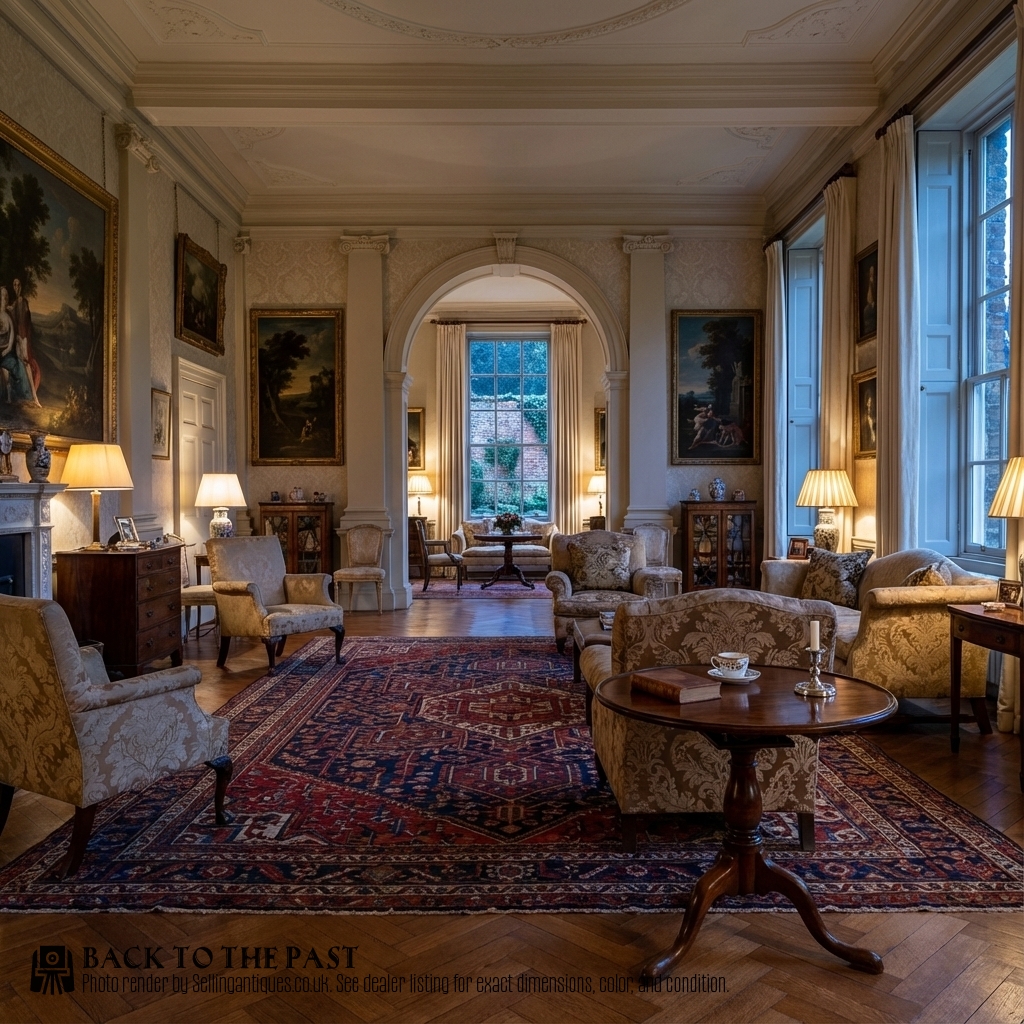
Tripod Leg Side Table
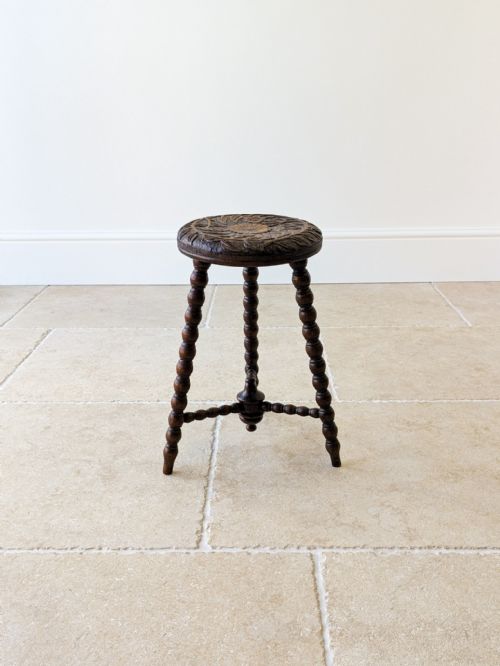
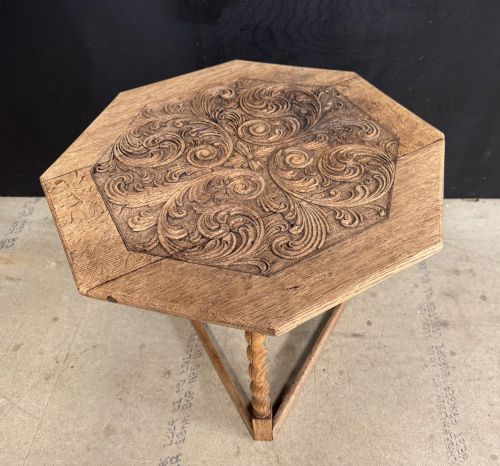
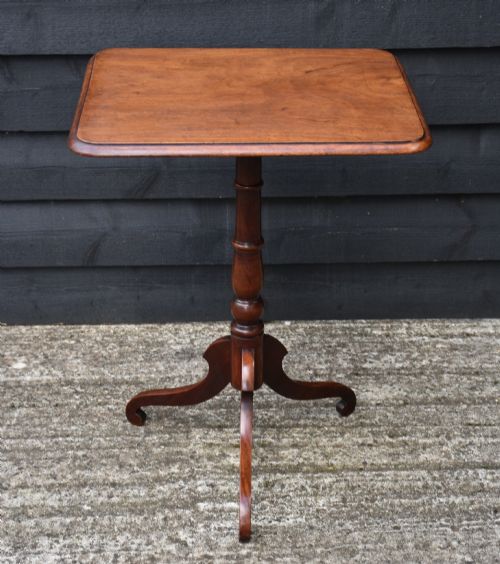
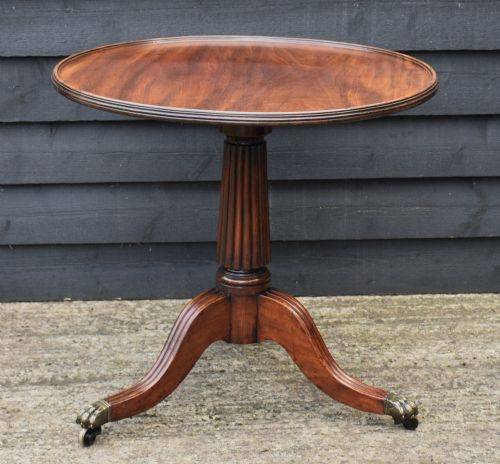
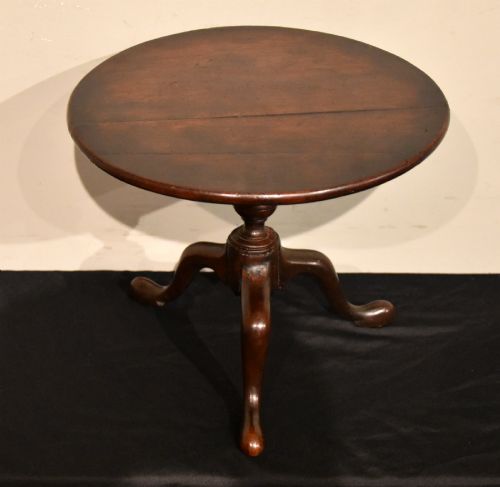
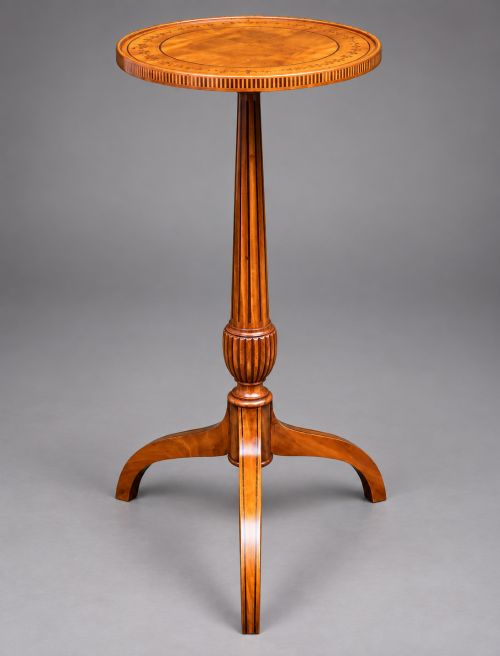
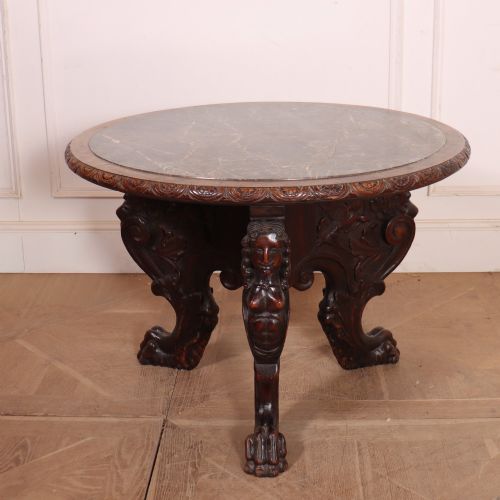
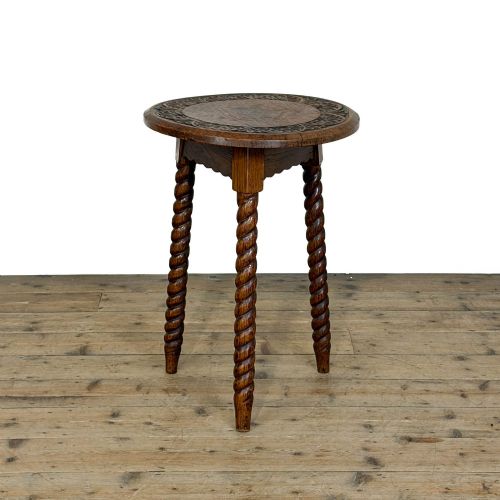
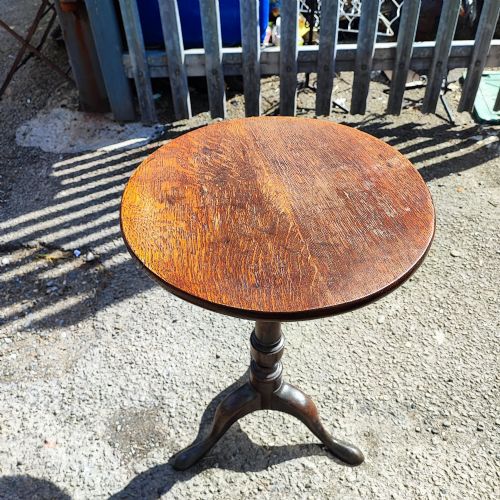
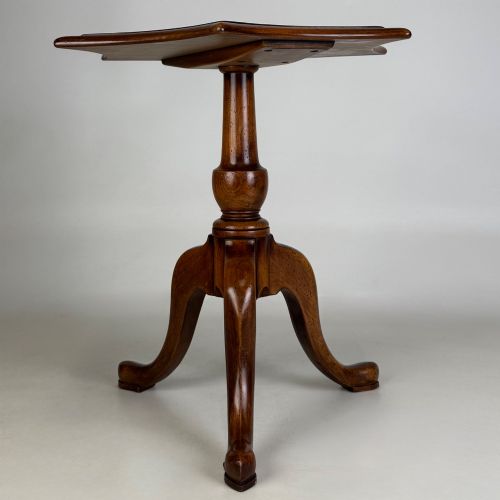
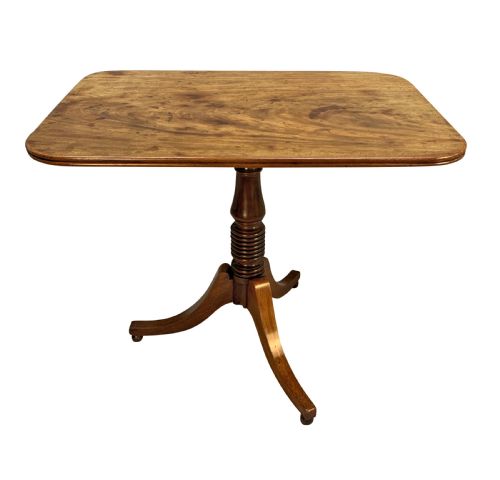
When you search for a tripod leg side table, you encounter compact occasional furniture designed with a central pillar supported by three feet. These pieces frequently appear as wine tables, cricket tables, or candlestands dating from the Georgian and Victorian eras up through Edwardian production.
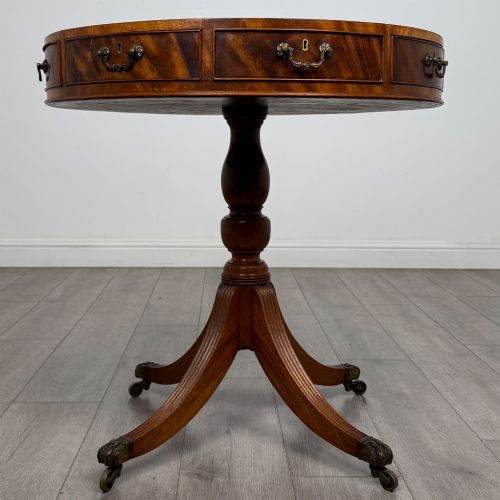
The format serves multiple domestic uses, functioning readily beside armchairs or in hallways. Examples span simple country vernacular pine or oak cricket tables to sophisticated George III mahogany pie crust and tilt-top designs.
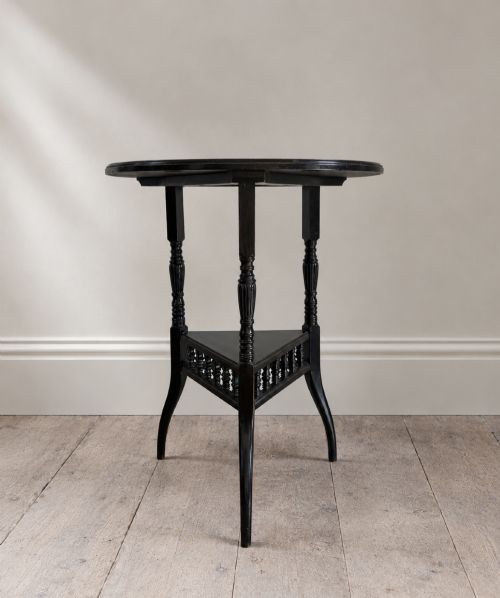
Makers produced these tables across diverse stylistic revivals, incorporating Regency, Arts and Crafts, and Chippendale influences. You regularly find variants featuring detachable tops, snap mechanisms, or adjustable heights intended for specific household tasks.
How they were made
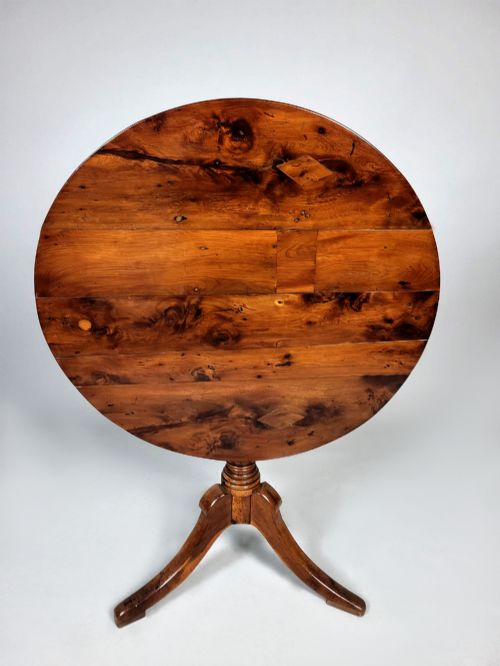
Joiners and cabinet makers utilised solid hardwoods such as mahogany, oak, walnut, and elm, often turning the central pillar on a lathe before shaping the three individual legs. Tops were fashioned from single boards or matched timber sections, sometimes enhanced with boxwood inlay, carved rims, or tilting mechanisms.
Country vernacular pieces relied on simpler pegged construction in pine or fruitwood, whilst high-status urban workshops employed dense Cuban mahogany and intricate pie crust moulding. Surface finishes ranged from clear polish displaying natural grain to ebonised treatments and painted pine.
Some nineteenth-century variants known as gipsy tables arrived draped in fabric skirts, hiding their humble three-legged frames beneath bohemian textiles.
What varies in quality
Quality rests in the selection of timber and the precision of the turning on the central column. Dense mahogany and figured burr walnut demonstrate superior material choice compared to utilitarian pine or fruitwood variants.
The stability of the three-legged base and the tight integration of the tilt or snap mechanism dictate structural merit. Finer versions exhibit crisp hand-carved details on the knees and feet, whereas simpler pieces rely on unadorned surfaces.
The Tripod Leg Side Table Glossary
- Tilt-top
- A tabletop hinged to the central pillar so it can pivot vertically when not in use. This clever mechanism allowed tables to be stored flat against a wall to save floor space in smaller rooms.
- Cricket table
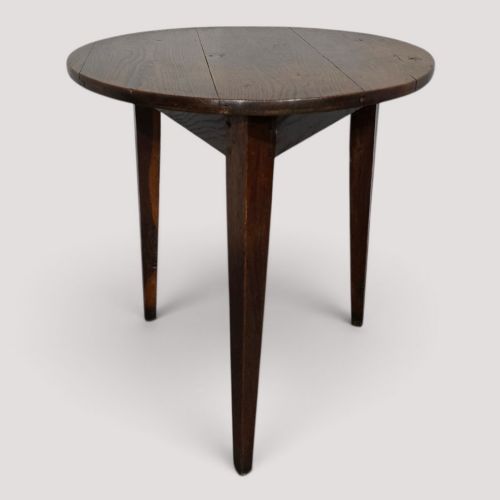
- A small, sturdy round table standing on three splayed legs, traditionally constructed from oak or pine. The three-legged design remained steady on uneven floors found in older domestic interiors.
- Pie crust rim
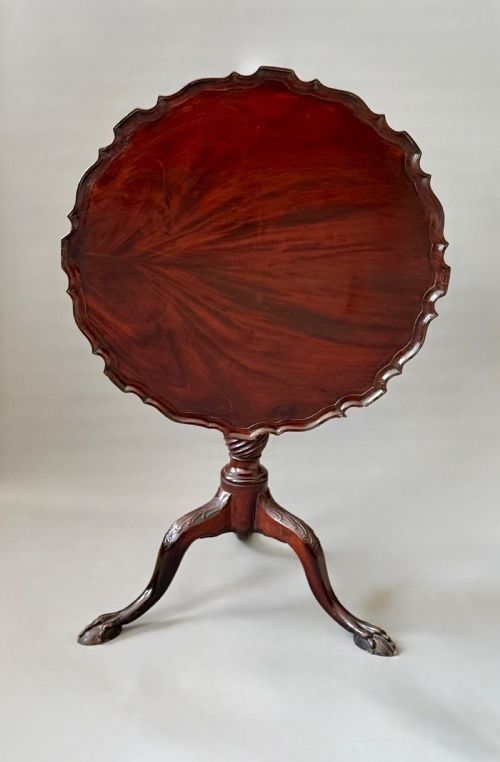
- A raised, scalloped wooden edge carved along the perimeter of a tabletop. Cabinet makers shaped these decorative borders by hand to resemble pastry crusts on high-end Georgian furniture.
- Snap top
- A spring-loaded catch or block securing a tilting tabletop in its horizontal position. This feature prevented the surface from wobbling or tipping unexpectedly during use.
- Candlestand
- A diminutive table designed specifically to hold lighting equipment next to seating areas. These slender examples usually date from the mid-eighteenth century and feature adjustable height columns.
Tripod Leg Side Table: Frequently Asked Questions
What is a tripod leg side table used for?
These pieces traditionally served as wine tables, candlestands, or small surfaces for holding books and tea apparatus beside seating. Their compact footprint made them easily portable around the home for various daily tasks.
Today, they function effectively as accent pieces in reception rooms or hallways, providing a convenient resting place for lamps and decorative objects without crowding the floor space.
How do I identify a Georgian tripod table?
Georgian examples typically display substantial mahogany, oak, or walnut construction with finely turned central pillars and disciplined proportions. Look for period joinery methods such as pegged joints and hand-cut dovetails where applicable.
Many of these eighteenth-century pieces feature tilt-top mechanisms or shaped pie crust rims, reflecting the high standards of cabinet making characteristic of the George III era.
Are all three-legged tables called cricket tables?
No, the term cricket table applies specifically to simpler, vernacular three-legged tables usually made of oak or painted pine with plain circular tops. Other three-legged forms include wine tables, candlestands, and occasional tables.
Cricket tables generally originate from country workshops and possess a sturdier, more rustic character than the polished mahogany or walnut tripod tables made for formal urban parlours.