
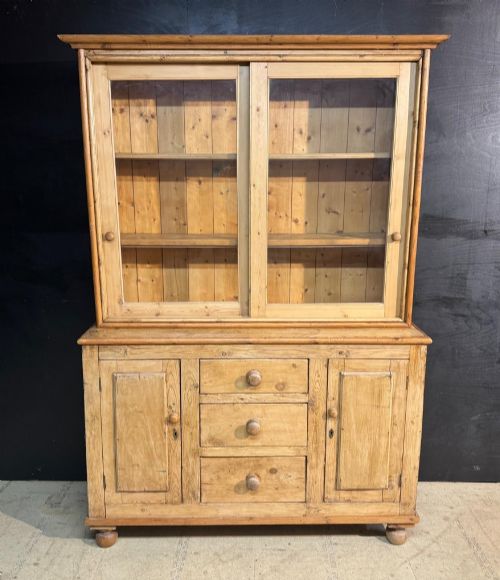
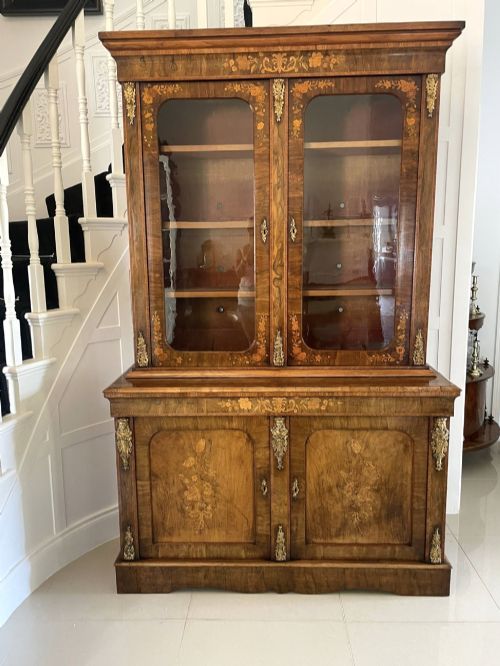
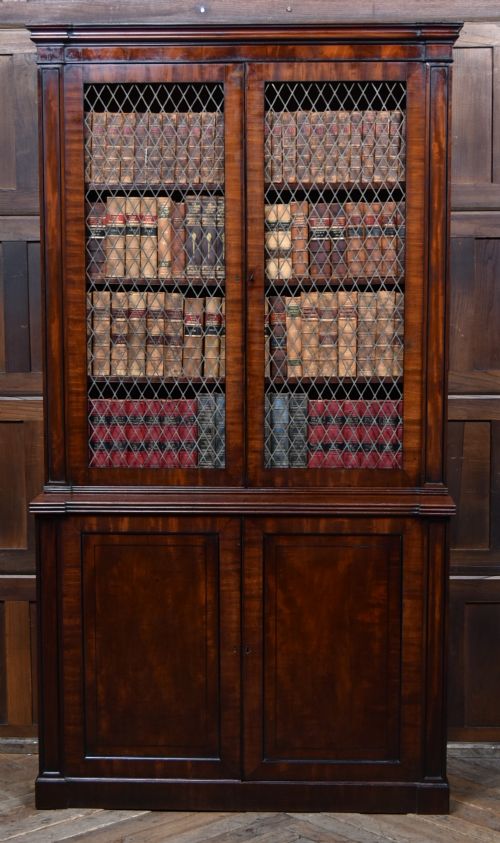
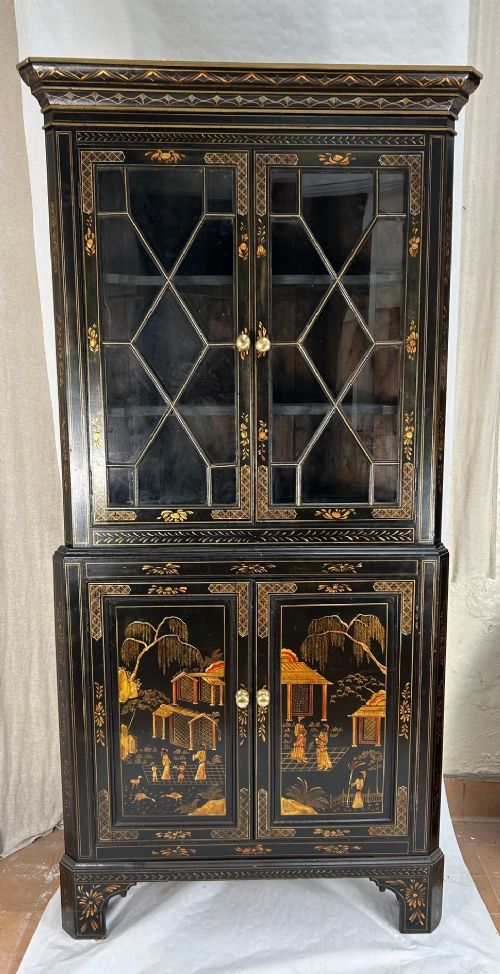
Two Tier Glazed Cabinet
A two tier glazed cabinet offers layered display space behind glass doors, making it an essential piece for showcasing collections while keeping items protected.
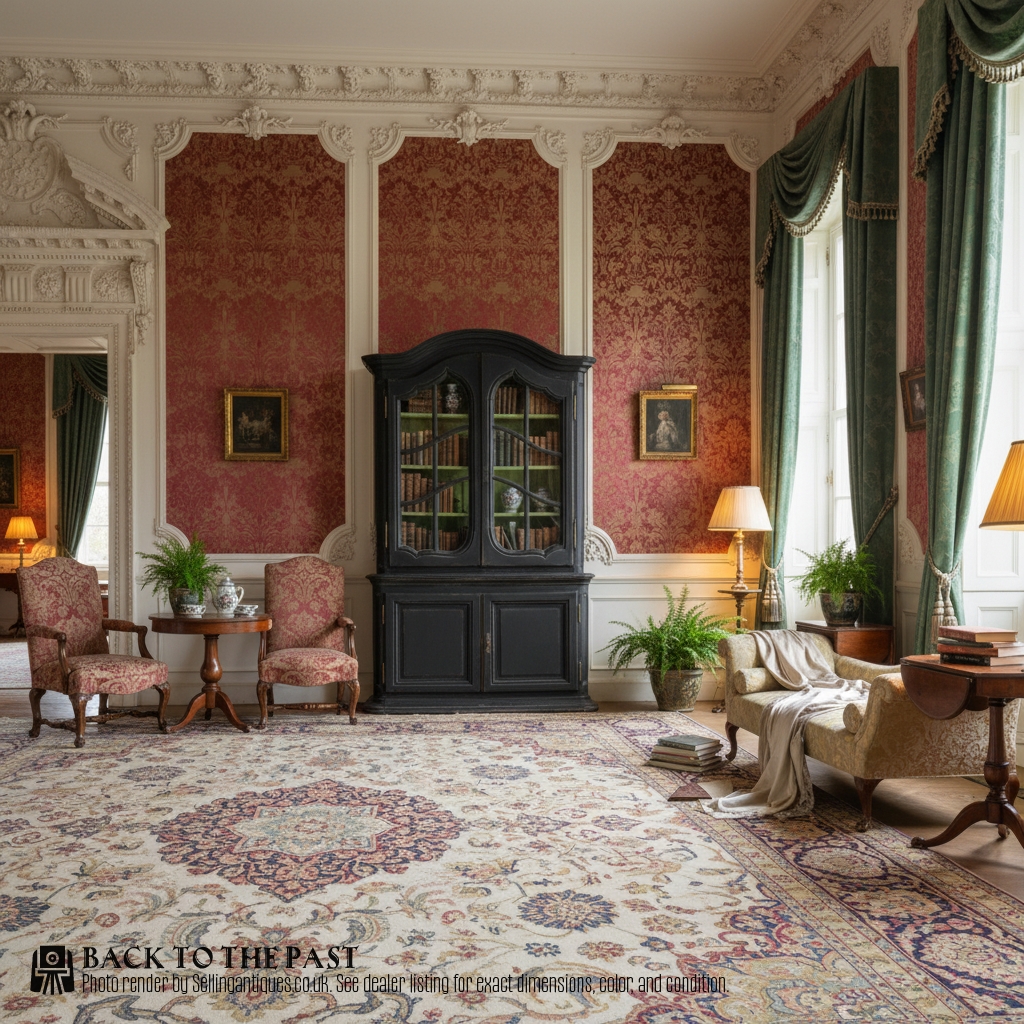
What They Are
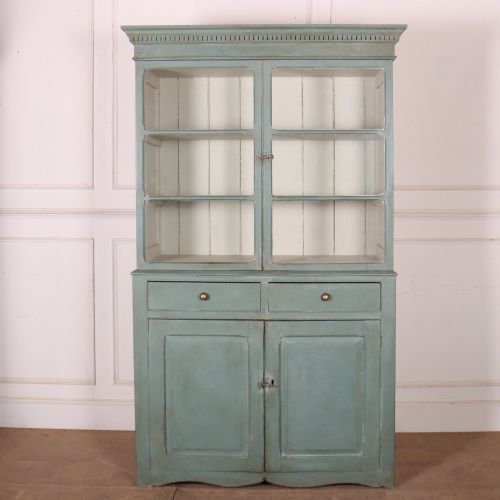
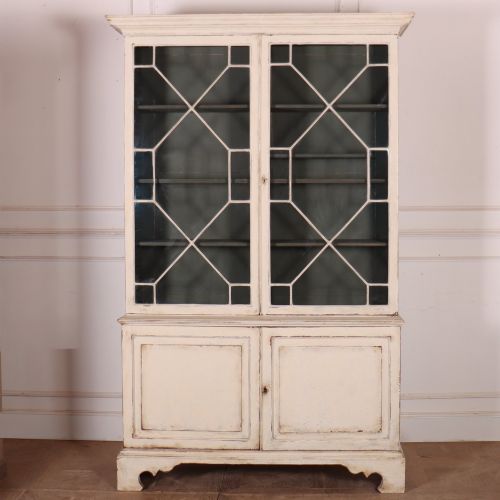
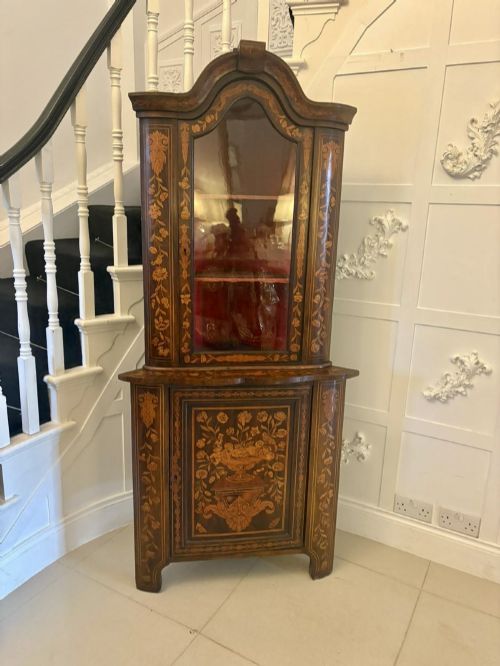
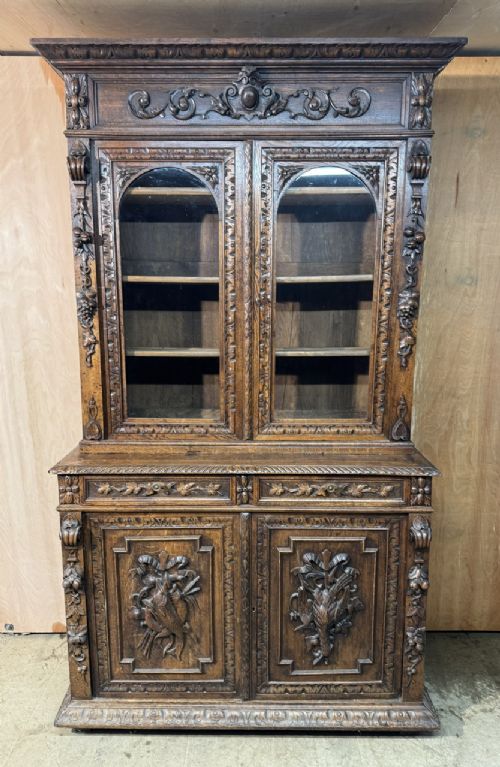
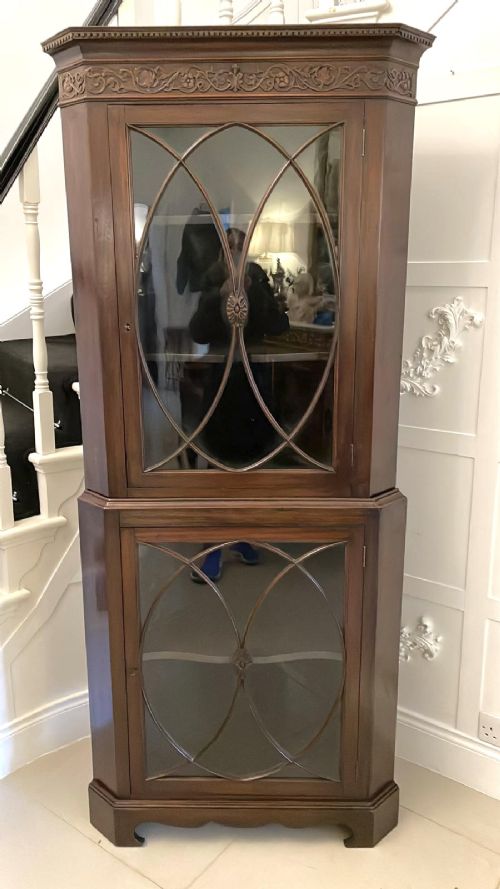
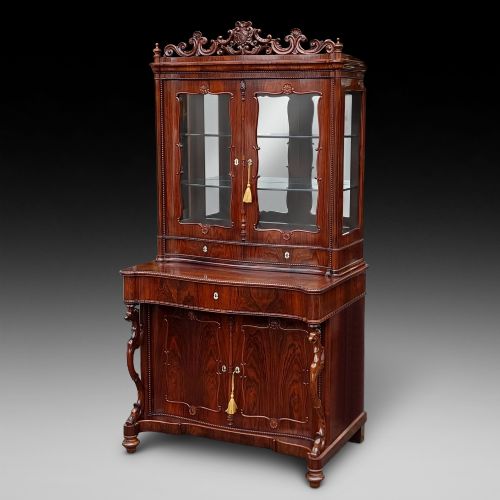
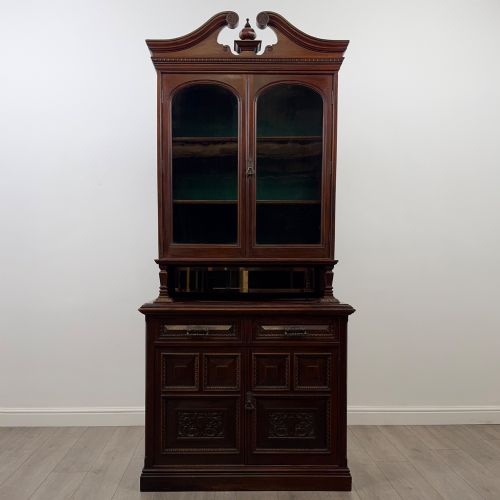
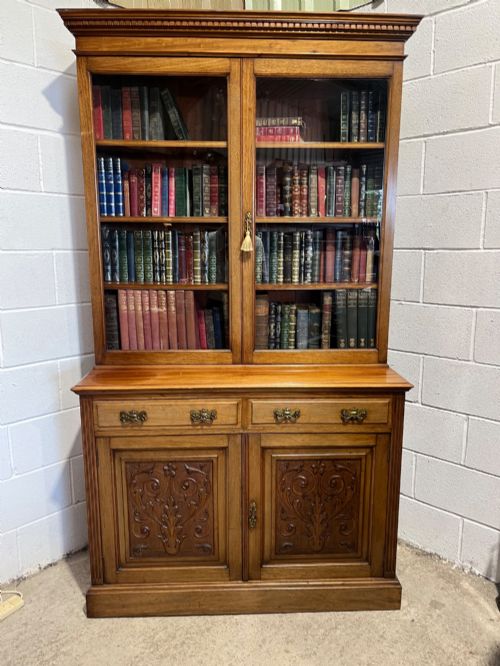
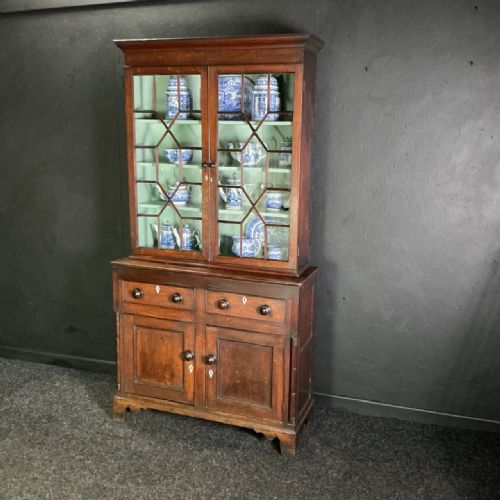
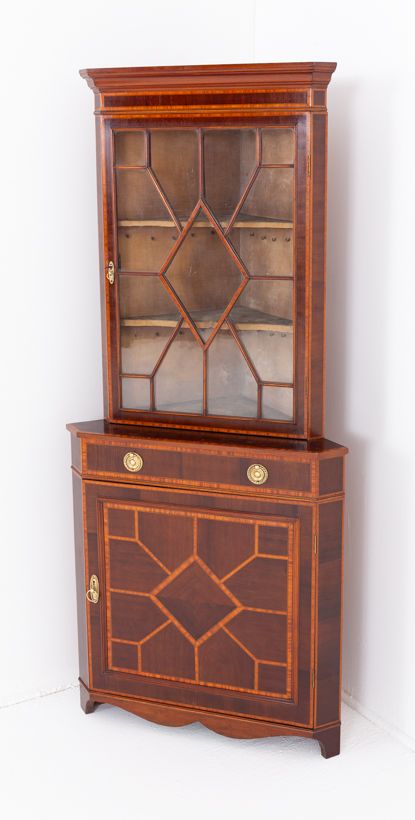
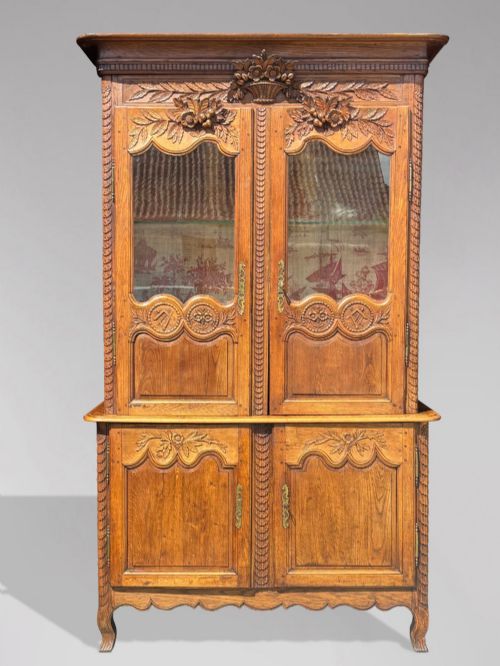
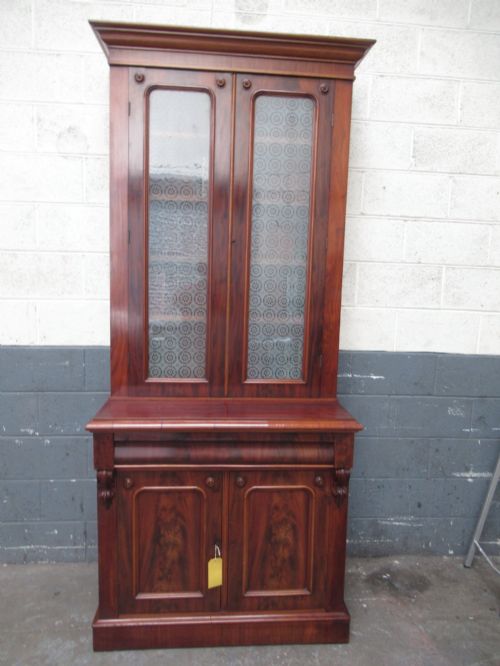
A two tier glazed cabinet combines enclosed shelving with glass panels to display books, porcelain, and curiosities across distinct levels. These items appear in formats ranging from early twentieth-century school library bookcases to eighteenth-century Dutch display cabinets and mid-nineteenth-century colonial pieces.
The materials and styles span English painted timber, oak, walnut, and mahogany, reflecting influences from English country houses to French provincial and Victorian Gothic revival designs. Buyers frequently encounter variations in painted wood, ebony, and brass fittings that distinguish one regional workshop from another.
The structural layout generally relies on a stacked vertical arrangement, separating upper viewing areas from lower storage or secondary display tiers. This configuration serves both functional library needs and formal parlour display requirements.
How They Were Made
Cabinet makers utilised solid hardwoods such as oak, mahogany, walnut, and ebony, alongside painted timber and softer woods for internal framing. Glazing bars were meticulously jointed to hold individual panes of glass securely within the doors.
Hardware details incorporated brass hinges, handles, and locks, fitted flush into the timber doors to ensure smooth operation. Painted finishes were applied in multiple layers over prepared wood surfaces to achieve durable colour coats.
Retail Price Guide 2026
Typical UK retail prices for two tier glazed cabinet, calculated from the Sellingantiques database of over a million retail prices indexed since 2003. This retail price guide relies exclusively on Sellingantiques data; no external sources or auction records are used, so the figures do not describe the wider market.
Recorded styles range from Dutch rococo and colonial pieces to English country furniture and 1920s institutional library cabinets.
What Varies in Quality
The refinement of timber selection and the precision of joinery determine the standing of an individual piece within its period. Superior examples exhibit tightly fitted mitres in the glazing bars and carefully selected grain patterns across large surfaces.
Regional execution dictates the overall artistic weight, where Dutch colonial carving or French provincial proportions display distinct sculptural confidence compared to institutional library furniture. The integrity of the original glass panes and brass hardware further separates standard utility pieces from exceptional decorative works.
The Two Tier Glazed Cabinet Glossary
- Glazing bar
- A wooden or metal strip that holds individual panes of glass within a sash. These bars divide the window or cabinet door into smaller geometric sections.
- Tier
- One of two or more levels arranged one above another in a piece of furniture. In these cabinets, tiers separate display compartments vertically.
- Colonial
- A style of furniture produced in European settlements overseas, often incorporating native timbers and hybrid design motifs. These pieces blend metropolitan fashions with local craftsmanship.
- Dresser
- A piece of shelving or cabinetry traditionally used for storing and displaying kitchenware or household goods. In continental traditions, this form often includes upper glazed display sections.
Frequently Asked Questions
What is a two tier glazed cabinet?
A two tier glazed cabinet is a piece of furniture featuring two distinct vertical sections enclosed by glass doors. It provides visible storage for books, ceramics, and ornaments.
These cabinets evolved across various European and institutional traditions, adapting their proportions for both practical library use and formal domestic display.
How do I date a glazed cabinet?
Dating relies on examining the timber species, construction methods, and hardware styles characteristic of specific centuries. Eighteenth-century pieces display different joinery techniques compared to nineteenth-century Gothic revival or 1920s institutional items.
Secondary woods and the characteristics of the glass panes also offer reliable clues to the period of manufacture.
Where should I place a glazed cabinet?
These cabinets suit dining rooms, libraries, and living spaces where collections benefit from dust-free visibility. Their vertical proportions allow them to fit well against substantial wall spaces without dominating a room.
Keep them away from direct sunlight to protect antique timber finishes and any paper items stored inside.
Can I use these cabinets for books?
Many examples originate from library settings, making them well-suited for housing book collections behind protective glass. Adjustable shelving in institutional models accommodates volumes of varying heights.
Ensure the shelf depth matches your book sizes before arranging a library display.