

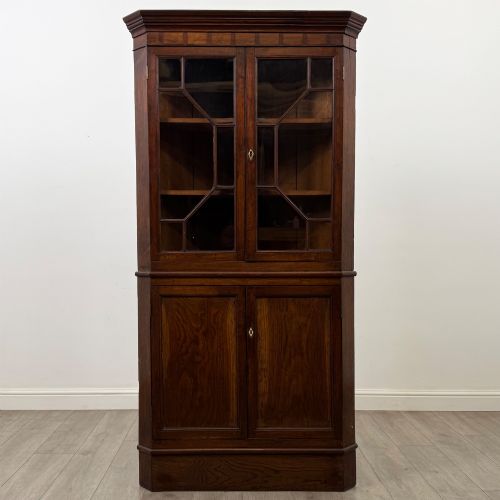
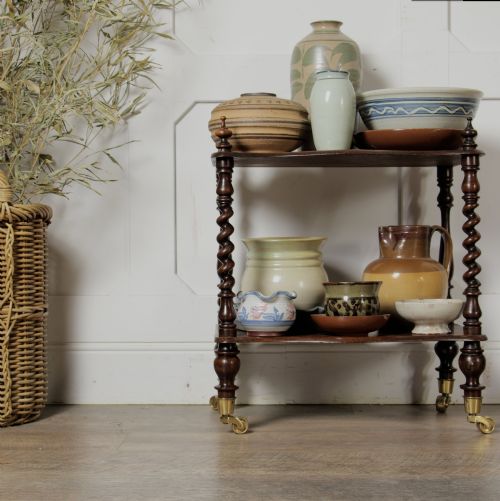
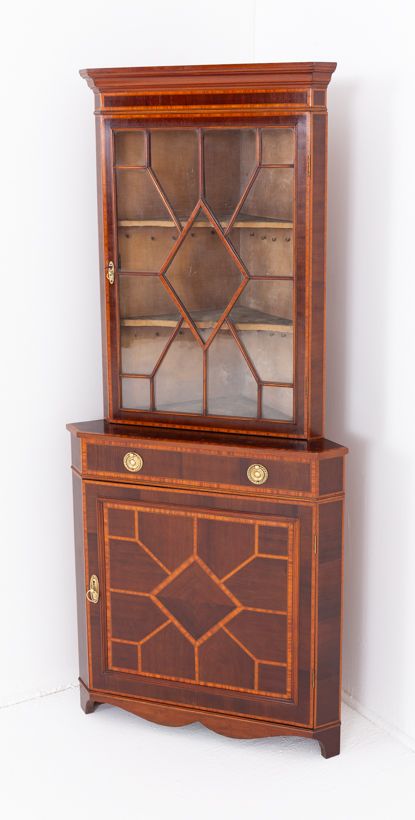
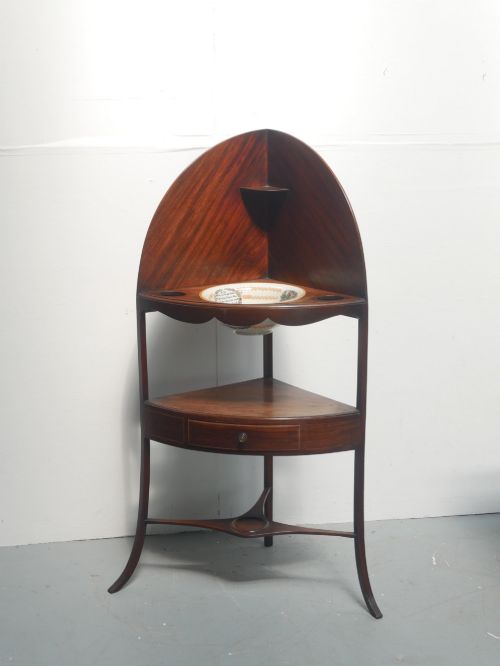
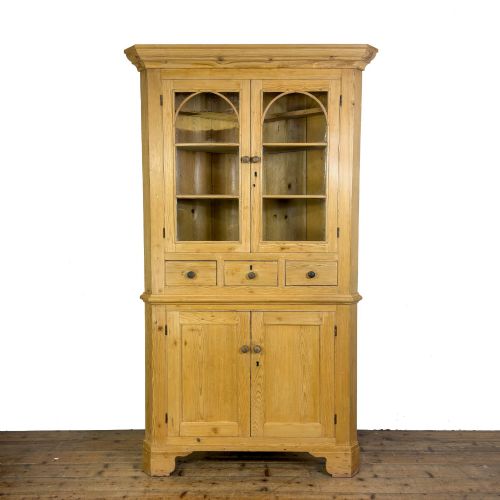
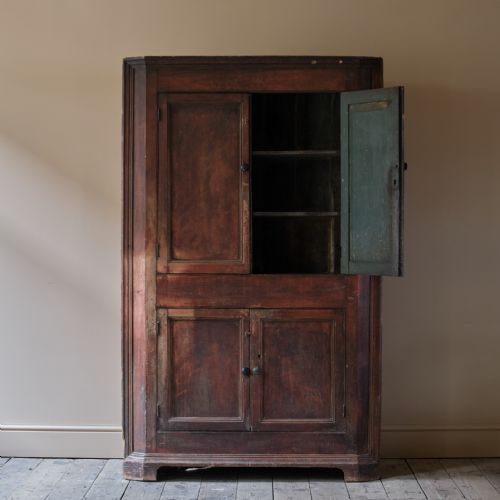


Two Tier Corner Stand
A two tier corner stand solves awkward empty spaces while offering sturdy surfaces crafted from timber.
Two Tier Corner Stand
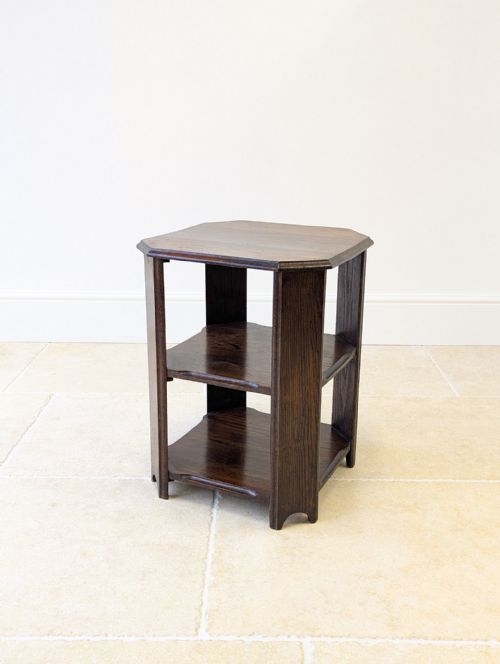
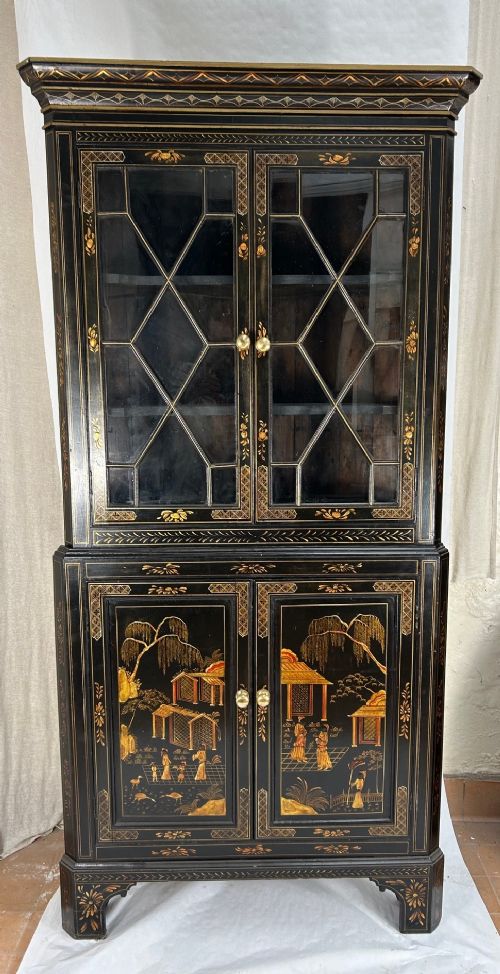
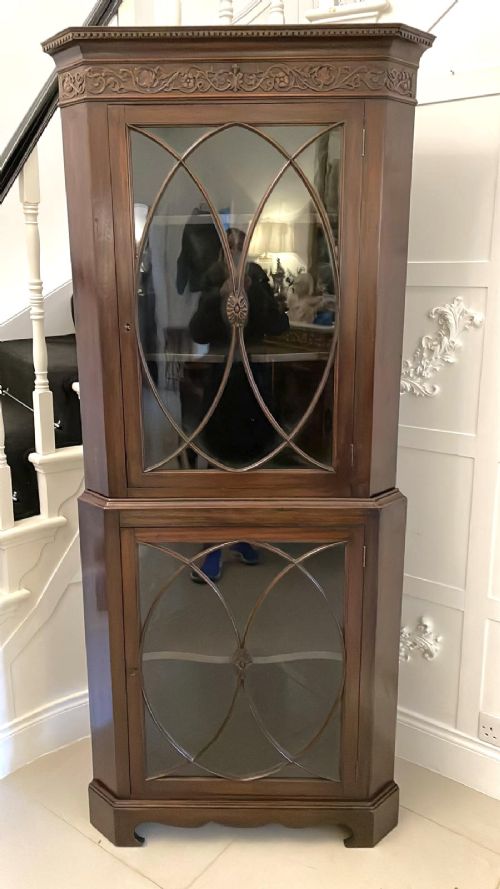
A two tier corner stand makes efficient use of room angles by combining multiple display levels within a compact footprint. These pieces appear across periods ranging from the eighteenth century through to the Edwardian era, constructed predominantly as freestanding furniture.
The selections on this page bridge utilitarian storage and decorative display. Buyers frequently encounter mahogany and oak constructions designed to fit snugly into architectural corners.
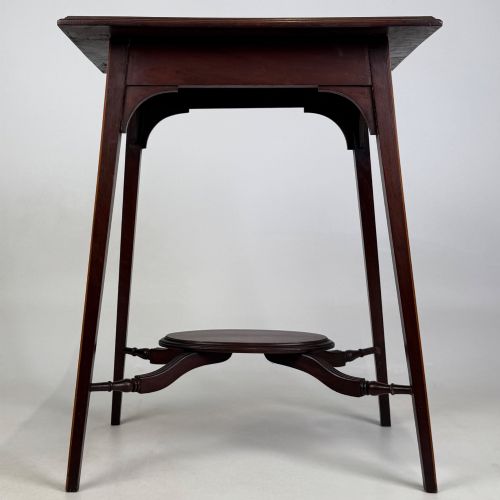
Forms vary from glazed display cabinets to open washstands and occasional tables. The surviving examples demonstrate how makers adapted standard furniture types to suit domestic room layouts.
Materials and construction methods
Makers relied heavily on mahogany and oak as the structural foundation for these corner pieces, often applying satinwood inlay, brass hardware, or painted surfaces for visual contrast. Glazed doors utilise glass panels, whilst occasional variations incorporate pine, walnut, or limed finishes.
Carpenters employed traditional joinery techniques to construct sturdy frames capable of supporting multiple tiers. Turned legs, barley twist supports, and carved detailing further define the physical build of these stands.
Two Tier Corner Stand Retail Price Guide 2026
Typical asking prices for two tier corner stand among the pieces listed under this phrase on Sellingantiques today, from the lower quarter to the upper quarter. They describe what is for sale here now, not the wider market.
The listings span multiple centuries, ranging from eighteenth-century Georgian oak cupboards to Edwardian inlaid mahogany occasional tables.
Markers of distinction
Quality rests upon the selection of timber veneers and the crispness of inlaid details such as Sheraton Revival motifs. Superior examples display thoughtful grain matching and well-proportioned tiered shelves rather than purely utilitarian assembly.
The integrity of original brass fittings, glass panes, and surface finishes elevates an item's standing. Refined carving and stable structural framing separate standard domestic furniture from finer workshop productions.
Liberty of London
The Two Tier Corner Stand Glossary
- Astragal glazed
- Glass doors divided into small panes by narrow wooden strips. This technique allowed cabinet makers to create lighter, more decorative display fronts.
- Washstand
- A specialised piece of furniture designed to hold washing basins and pitchers. Many versions include multiple tiers or cut-out tops specifically for bowls.
- Dumb waiter
- A tiered stand used for serving food or holding tableware without requiring a servant. These structures utilise stacked revolving or fixed circular trays.
- Sheraton Revival
- A late nineteenth and early twentieth century design style reviving the classical lines of Thomas Sheraton. Pieces often feature delicate mahogany frames and contrasting inlay.
- Barley twist
- A turned wooden column carved in a spiral rope-like pattern. This decorative support appears frequently on nineteenth and early twentieth century stands.
Two Tier Corner Stand: Frequently Asked Questions
What is a two tier corner stand used for?
These stands serve as practical furniture for displaying ornaments, books, or wash accessories in unused room angles.
Their dual-level design maximises display capacity without occupying central floor space.
How do I identify a Georgian corner stand?
Georgian pieces typically feature solid mahogany or oak timbers, often with panelled doors and classical architectural mouldings.
Earlier iterations prioritize robust proportions and functional joinery over ornamental inlay.
Are these stands freestanding or wall-mounted?
The pieces shown here are predominantly floor-standing furniture designed to rest securely against two meeting walls.
Their stable base construction allows them to support heavy items across multiple tiers.
What woods were commonly used?
Mahogany and oak form the primary structural materials across most periods.
Cabinet makers also incorporated walnut, satinwood, pine, and painted finishes depending on the stylistic period.