


Two Seat Wooden Bench
A two seat wooden bench spans formal salon settees and rustic garden seats, offering compact seating across centuries of design.
Two Seat Wooden Bench
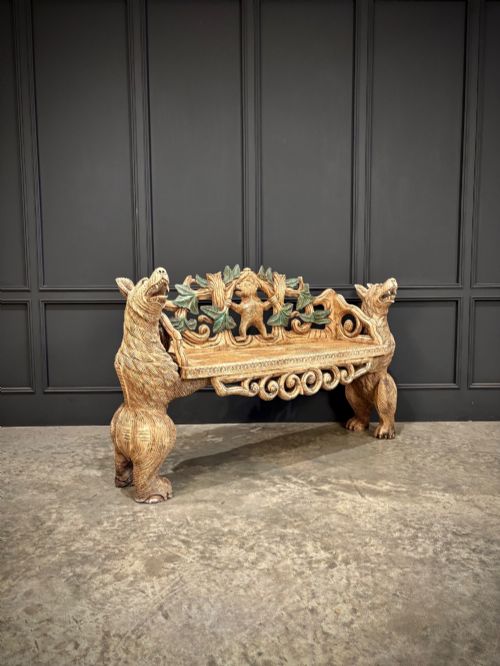
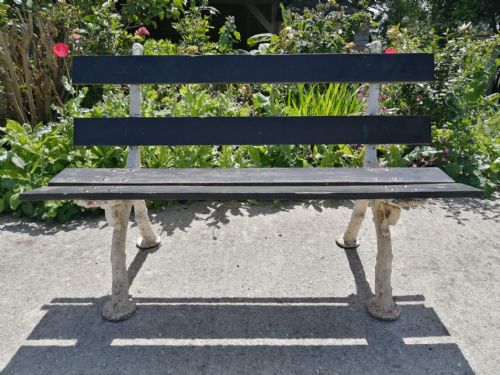
When searching for a two seat wooden bench, buyers encounter a diverse selection of compact seating ranging from formal Edwardian and Victorian salon settees to robust garden benches and carved Black Forest pieces. The pieces on this page heavily feature Edwardian and Victorian examples, alongside Georgian styles, French Louis designs, and rustic outdoor forms.
Makers utilised various timber frames and upholstery types, creating pieces designed for parlours, bedrooms, and window recesses. Common formats include inlaid mahogany salon settees, caned window seats, and heavy carved wooden frames that accommodate two people comfortably in a compact footprint.
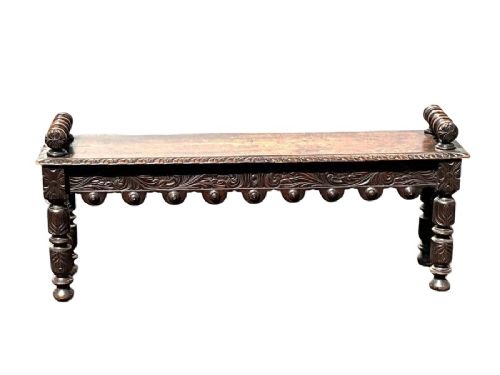
Origins stretch from the eighteenth century through to the early twentieth century, showing revivals of Chippendale, Hepplewhite, and Jacobean styles. Buyers will frequently meet Edwardian mahogany pieces finished with satinwood inlay or simple painted surfaces alongside older Victorian iterations.
How they were made
Craftsmen built these frames primarily using solid mahogany, oak, and walnut, often applying delicate satinwood inlay or paint to the show wood. Structural integrity depended on traditional joinery techniques suited to supporting two sitters on a restricted seat length.
Surface decoration varied from deeply carved Black Forest motifs and faux bois metalwork to crisp fluted legs and intricate chair-back designs. Upholstered variants combined webbed frames with fabric, velvet, or woven cane panels to create supportive seats and backs.
The documented periods range from the eighteenth century through Victorian and Edwardian eras up to the nineteen-twenties.
What varies in quality
Quality rests upon the crispness of the timber carving, the precision of any satinwood inlay, and the structural soundness of the frame joints. Superior examples display carefully selected grain patterns and balanced proportions that reflect meticulous workshop execution.
Condition of secondary elements such as original canework, carved details, and intact upholstery foundations distinguishes standard production items from finer salon pieces. Weathering on garden benches or patination on older mahogany surfaces also alters the visual appeal.
Coalbrookdale·Thonet
The Two Seat Wooden Bench Glossary
- Settee
- A small upholstered sofa designed to seat two or more people. These pieces often feature wooden frames with exposed carved or inlaid details.
- Canework
- Woven cane or rattan material used for seat panels and backs. This technique provides a lightweight and decorative alternative to heavy upholstery.
- Inlay
- A decorative technique where contrasting woods like satinwood are inserted into recesses in the primary timber surface. This creates geometric or floral patterns.
- Faux bois
- An artistic imitation of wood grain applied to metal or stone surfaces. It appears on nineteenth-century garden furniture.
- Settle
- A wooden bench with a high back and solid arms, often featuring panelled construction. They originate from earlier domestic traditions and provide draught-proof seating.
Two Seat Wooden Bench: Frequently Asked Questions
Where were these benches placed?
These compact seats fit easily into narrow hallways, bedroom window recesses, and smaller parlour spaces where a full-size sofa would prove too large. Garden variants occupied terraces and lawns.
Indoor salon pieces complemented drawing room layouts, while window seats provided a dedicated spot for reading and viewing.
How do I identify an Edwardian piece?
Edwardian examples frequently combine lighter mahogany frames with delicate satinwood inlay and tapered legs. They lean towards refined elegance rather than heavy Victorian mass.
Upholstered salon settees from this period often show lighter construction and brighter decorative finishes designed for airy Edwardian interiors.
Can I use an antique salon settee daily?
Most antique wooden benches and settees remain sturdy enough for regular sitting, provided the frame joints and internal webbing are secure. Checking the structural stability before use is essential.
Pieces designated for re-upholstery will require new interior foundations before enduring heavy daily household use.