


Two Seat French Canape
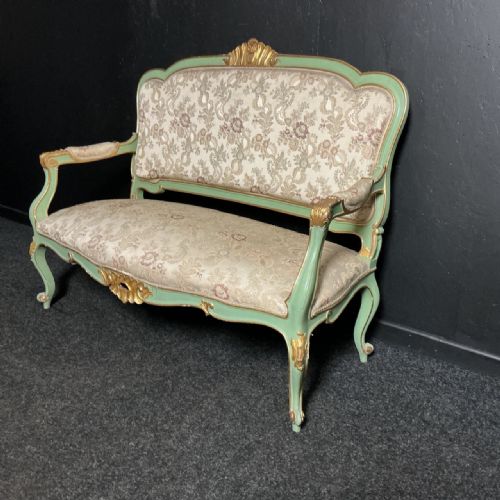
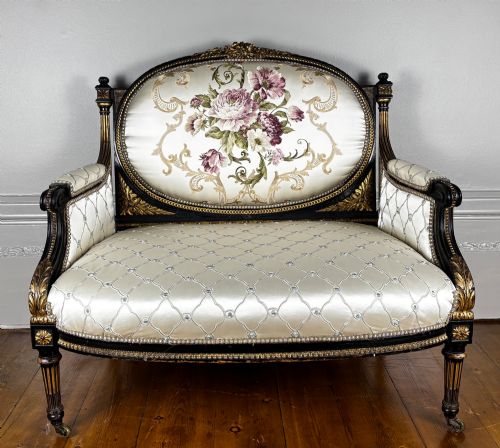
These two seat french canape pieces bring compact salon seating into modern rooms, offering graceful carved woodwork and traditional upholstery.
Two Seat French Canape
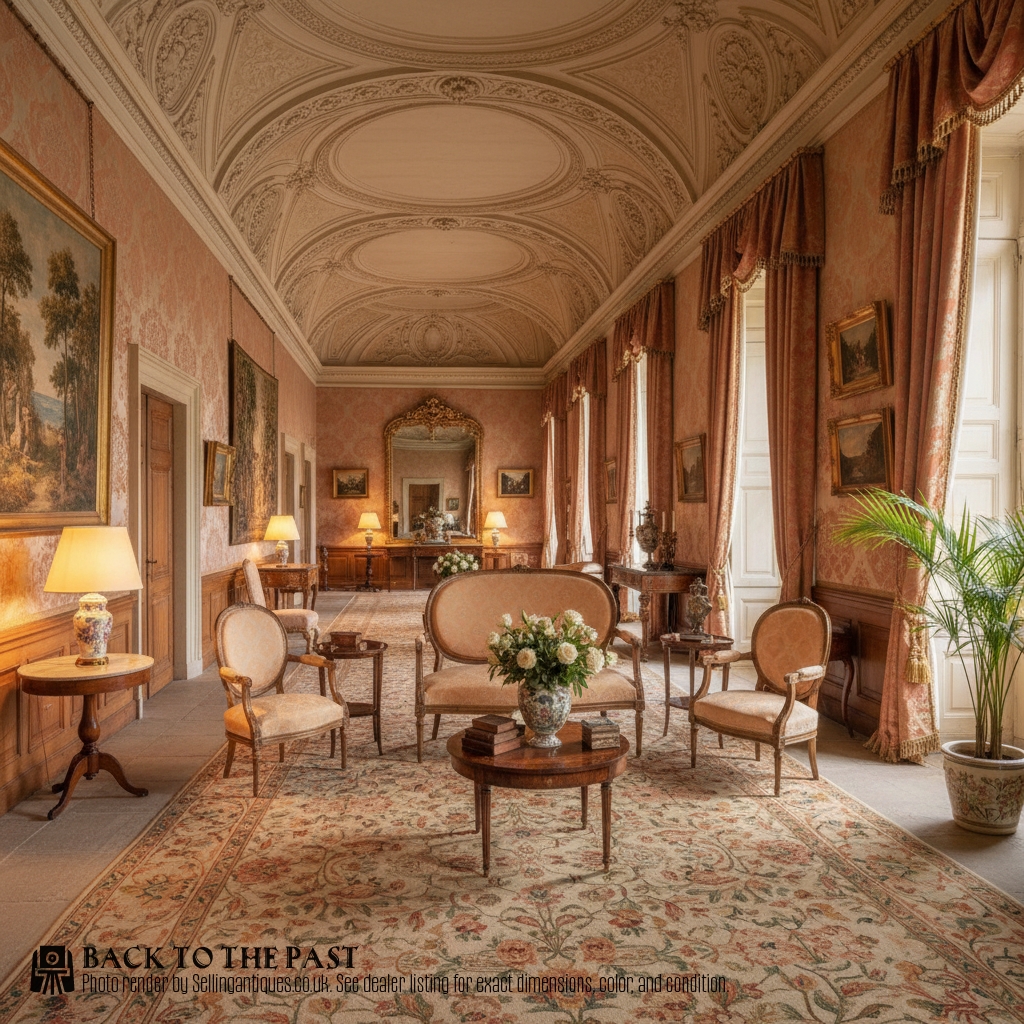
A two seat french canape provides intimate seating through a scaled-down sofa form, appearing frequently in nineteenth century and early twentieth century variations. These pieces often reflect revival designs such as Louis XV and Louis XVI styles, bringing classic continental elegance to smaller spaces.
The inventory demonstrates forms ranging from open arm walnut frames to giltwood and painted settees. Buyers encounter pieces described variously as settees, love seats, and canapes, all sharing a compact two-seat capacity suitable for boudoirs and halls.
Construction and materials
Frames rely on traditional timbers such as walnut, fruitwood, and mahogany, shaped through detailed hand carving. Artisans applied finishes including gold leaf, ebonising, paint, and parcel gilt to enhance the exposed wooden structures.
Upholstery incorporates traditional textiles like silk, velvet, and tapestry, alongside canework panels. These materials are fitted to supporting structures dating from the mid nineteenth century through to the mid twentieth century.
One notably compact piece is specifically designated as a carved end-of-bed two-seater sofa.
What drives quality
Quality rests upon the crispness of the hand carving on the wooden frame and the structural integrity of the timber joints. Finer examples display deep, deliberate relief work in walnut or giltwood rather than soft or shallow detailing.
The harmony between the original frame and the choice of textile also dictates excellence. Pieces retaining sympathetic upholstery or refined gilding stand apart from heavily altered or clumsily restored examples.
The Two Seat French Canape Glossary
- Canape
- A traditional French settee or small sofa featuring an upholstered back and seat within an exposed wooden frame. This form provides seating for two persons.
- Giltwood
- Timber coated with gold leaf or gold paint to create a lustrous decorative surface. This finish appears frequently on formal revival frames.
- Louis XV Style
- A decorative aesthetic characterised by asymmetrical curves, naturalistic foliage, and flowing cabriole lines. It heavily influences nineteenth-century French seating.
- Parcel Gilt
- A finishing technique where portions of a painted or ebonised wooden surface are highlighted with gold leaf. It creates a subtle contrast across carved details.
- Canework
- Woven cane material used for panels in seat backs or frames. This technique offers a light, textured alternative to solid wood or upholstery.
Two Seat French Canape: Frequently Asked Questions
What is a two seat french canape?
A two seat french canape is a compact antique settee designed in a continental style, usually featuring an exposed carved wooden frame and upholstered seating for two.
These pieces were traditionally used in intimate reception rooms and chambers, offering a smaller alternative to full-length sofas while retaining decorative presence.
How do I identify a Louis XV style frame?
Louis XV style frames are distinguished by flowing curved lines, asymmetrical foliate carving, and cabriole legs. These elements give the woodwork a natural, organic movement.
In contrast, Louis XVI style pieces typically exhibit straight tapered legs, symmetry, and classical architectural motifs such as fluting.
Are these settees comfortable for daily sitting?
These settees provide firm upright support typical of period salon seating, rather than deep modern lounging comfort. Their proportions are generally compact and tailored.
Many examples feature traditional sprung or stuffed upholstery that suits light daily use in a hallway, bedroom, or drawing room.
How should I care for gilded wood?
Gilded wood requires gentle dusting with a soft dry cloth and protection from direct sunlight and moisture. Avoid using liquid cleaners or abrasive materials.
Maintaining stable room humidity prevents the underlying gesso and wooden substrate from expanding or cracking beneath the gold leaf.