

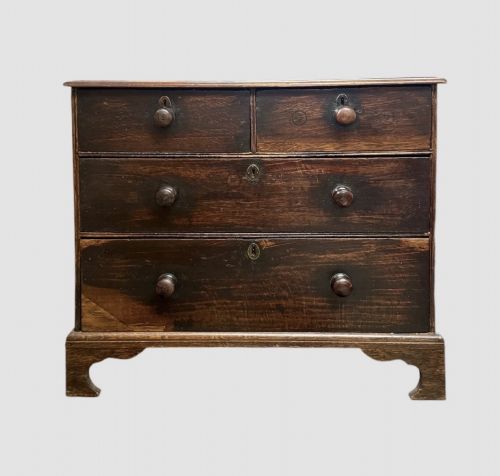

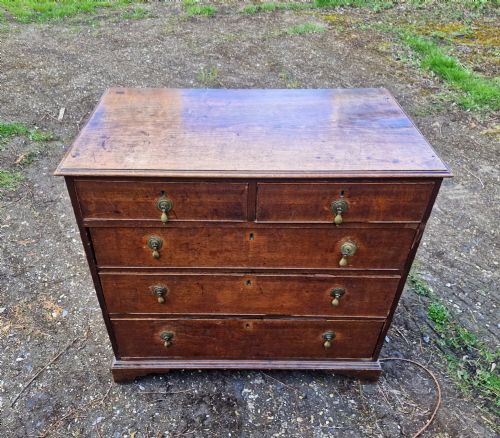
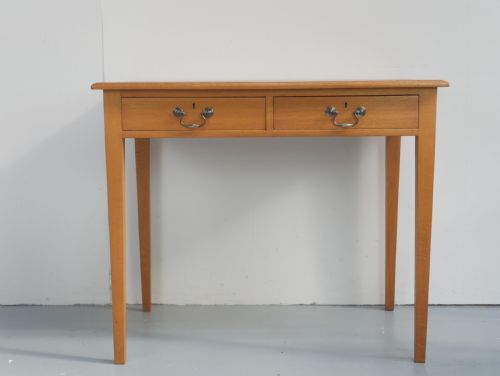


Two Drawer Oak Bureau
A two drawer oak bureau offers a working surface and storage, combining practical writing space with compact proportions found across several centuries.
Two Drawer Oak Bureau
When you search for a two drawer oak bureau, you are looking at practical writing furniture built from sturdy timber, spanning periods from the 18th century through to the Edwardian era and the 1920s. These pieces frequently appear alongside related forms like chests of drawers and writing tables, sharing similar construction and regional English country origins.
The selection on this page demonstrates the variety within the category, ranging from simple country pieces to more elaborate bureau bookcases and secretaire variants. Oak is the primary timber seen, often complemented by brass handles, leather inserts, and fitted internal compartments for stationery.
Materials and construction
Cabinetmakers utilised solid oak for the primary carcass and drawer construction, sometimes incorporating secondary woods such as pine or mahogany alongside decorative veneers like pollard oak. Metalwork was largely restricted to brass for handles and key escutcheons, while leather surfaces occasionally appeared on writing desks.
Construction techniques relied on traditional joinery methods appropriate to the period, creating robust furniture designed for daily use. Interiors often featured fitted compartments with small drawers and pigeonholes accessed via a fall-down front or sloping writing flap.
A surprising number of surviving desks still retain their original working keys tucked neatly into the brass escutcheons.
Judging quality and character
The quality of these pieces rests upon the selection of the timber and the crispness of the cabinetmaker's joinery. Fine examples display well-figured oak grain, smooth drawer operation, and retained original brass hardware rather than later replacements.
Proportions and internal arrangement also distinguish the better specimens, particularly where fitted stationery interiors and fall fronts align precisely. The presence of secondary details such as key-operated locks and clean interior compartments elevates an ordinary storage item to a finer piece of furniture.
Gillows of Lancaster·Jenners
The Two Drawer Oak Bureau Glossary
- Bureau
- A desk with a sloping lid that opens to form a writing surface, usually above a set of drawers. It provides both enclosed storage and a dedicated workspace.
- Secretaire
- A piece of furniture containing a drawer or compartment that pulls out or folds down to form a writing desk. It often sits within the upper section of a bookcase.
- Escutcheon
- A flat plate of brass surrounding a keyhole. It protects the surrounding wood from wear caused by the key.
- Fall front
- A hinged flap that drops down to create a horizontal writing surface. When closed, it conceals the interior pigeonholes and small drawers.
Two Drawer Oak Bureau: Frequently Asked Questions
What is a two drawer oak bureau?
A two drawer oak bureau is a compact writing desk featuring a fall-down front or sloping lid above two storage drawers. These pieces combine practical workspace with enclosed internal compartments for stationery.
They appear in various styles from the 18th century onwards, often constructed from solid oak with brass hardware and fitted wooden interiors.
How do I date an oak bureau?
Dating relies on observing construction methods, timber choice, and the prevailing style of the period, such as Georgian or Edwardian. Details like drawer construction, handle design, and internal layout offer strong clues to age.
Earlier pieces from the 18th century often feature hand-cut dovetails and simpler country craftsmanship, whereas later 19th and 20th-century examples may show machine assistance or revival styling.
Where were these desks used?
These bureaus were primarily used in domestic settings such as parlours, bedrooms, or studies for managing correspondence and household accounts. Their compact size made them suitable for smaller rooms where a full-sized desk would prove too large.
They served as private spaces for writing letters and storing important documents securely behind locked drop-fronts.
How do I care for antique oak furniture?
Maintain oak furniture by keeping it away from direct heat sources and strong sunlight, which can dry out the timber and cause splitting. Regular dusting with a soft, dry cloth preserves the finish without the need for heavy chemical polishes.
Applying occasional traditional wax helps nourish the wood and maintain a natural sheen across the surface and drawers.