






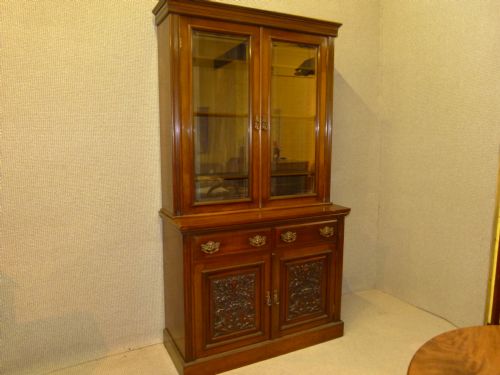
Two Door Walnut Sideboard
A two door walnut sideboard brings rich grain and practical storage to a room, ranging from formal Victorian pieces to clean Art Deco forms.
Two Door Walnut Sideboard
A two door walnut sideboard serves as a substantial storage cabinet in a dining room, hallway or living space. When you search for a two door walnut sideboard, you encounter forms that span several centuries and distinct regional traditions.
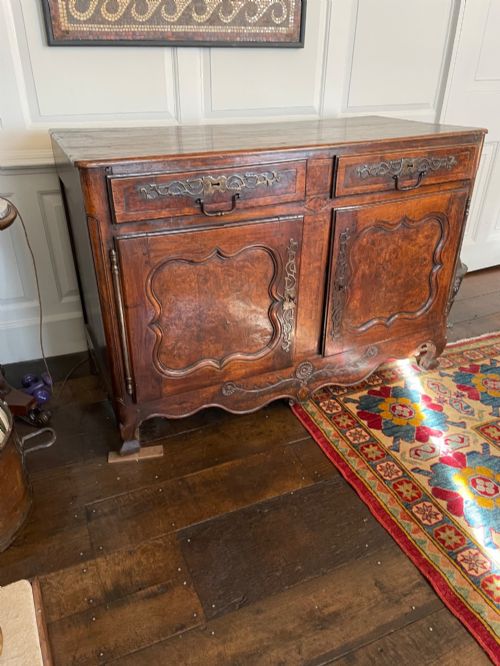
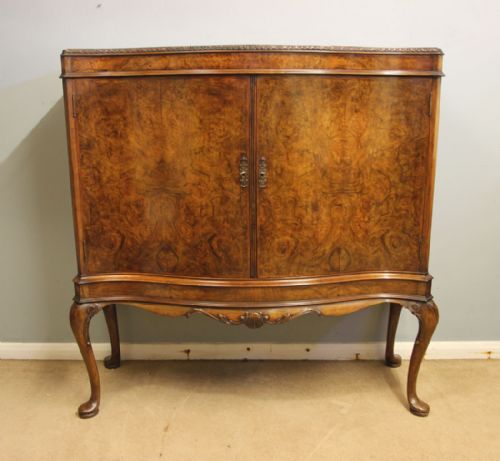
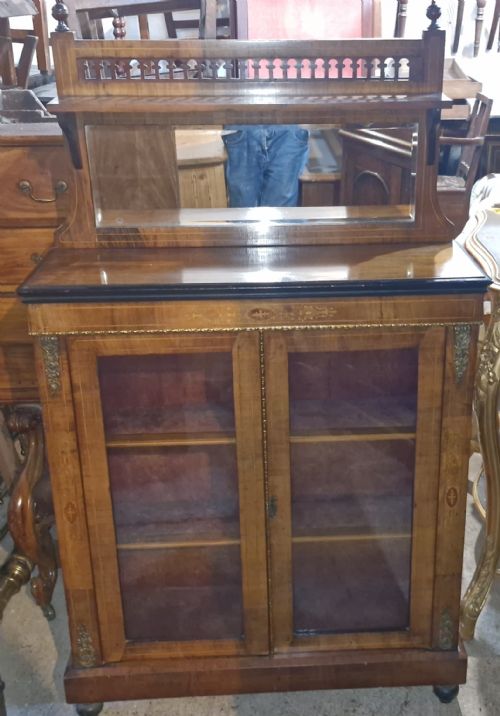
The pieces listed here appear in styles such as Victorian, Edwardian, William IV, Queen Anne Revival and Art Deco. Alongside traditional sideboards and buffets, the selection includes side cabinets, drinks cabinets, chiffoniers and linen cupboards featuring two doors.
Origins vary between British workshops and French provincial makers, offering everything from heavy inlaid Victorians to lighter 1930s geometric designs and 18th century buffets.
What varies in quality
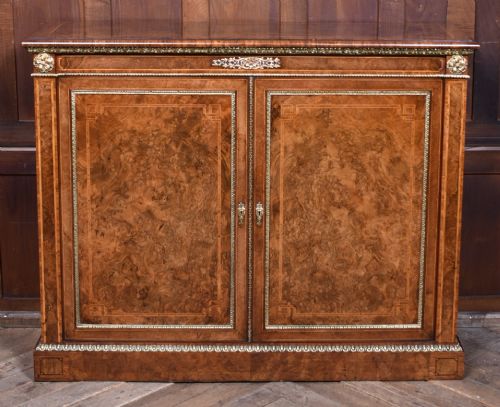
The selection of timber veneer dictates much of the visual appeal, with richly figured burr walnut commanding attention for its depth of grain. The symmetry of the veneer layout across the two doors demonstrates the maker's skill and ambition.
Proportion and decorative restraint separate standard production from superior examples. Finely executed details such as boxwood inlay, carved mouldings or original brass hardware elevate a piece.
The integrity of the carcase and the smooth operation of the doors and internal drawers reflect the original standard of craftsmanship and subsequent care.
Two Door Walnut Sideboard Retail Price Guide 2026
Typical asking prices for two door walnut sideboard among the pieces listed under this phrase on Sellingantiques today, from the lower quarter to the upper quarter. They describe what is for sale here now, not the wider market.
Several cabinets conceal their spirits behind locked doors, proving that Victorians and 1930s hosts took their evening routines very seriously.
Whytock & Reid of Edinburgh
The Two Door Walnut Sideboard Glossary
- Burr walnut
- A thin slice of wood taken from a growth or burl on a walnut tree, yielding a swirling, highly decorative grain pattern used for veneering.
- Chiffonier
- A low sideboard or cabinet, popular in the 19th century, often fitted with shelves, doors or a mirror-backed superstructure.
- Buffet
- A French or English side table or low cabinet utilised for serving food or storing dining china and silver.
- Escutcheon
- A protective plate surrounding a keyhole, usually fashioned from brass to complement the hardware of the cabinet.
- Serpentine
- A curved front shape on a piece of furniture, featuring a convex centre flanked by concave ends.
Two Door Walnut Sideboard: Frequently Asked Questions
Where should I place a two door walnut sideboard?
These cabinets suit dining rooms, living areas and hallways where surface space and enclosed storage are both required. Their moderate footprint allows them to fit against walls without dominating the room.
Consider the clearance needed for the two doors to swing open fully, particularly in narrower hallways or compact dining spaces.
How do I care for walnut furniture?
Keep walnut out of direct sunlight to prevent the rich timber tones from fading unevenly over time. Maintain a stable indoor humidity to protect the wood and any applied veneer from movement.
Dust regularly with a soft, dry cloth and apply a quality wax polish sparingly only when the wood appears dry.
What is the difference between a sideboard and a side cabinet?
Sideboards traditionally served dining rooms for holding food and tableware, often sitting lower and longer. Side cabinets generally offer enclosed cupboard storage and can appear in various heights across different rooms.
Both forms utilise two doors in this collection, though side cabinets may incorporate glass panels or specialised internal fittings like drinks storage.
How do I identify a 1930s walnut piece?
Art Deco pieces from the 1930s often display geometric lines, streamlined forms and striking book-matched burr walnut veneers without traditional carved ornamentation. Hardware tends to be minimalist or stepped to match the architectural style of the period.
Look for construction details and internal layouts typical of the interwar period, which favour clean surfaces and functional interior compartments.