
Two Door Sideboard Cabinet
When you search for two door sideboard cabinet, you meet timber storage furniture designed to anchor dining rooms and halls.
Two Door Sideboard Cabinet
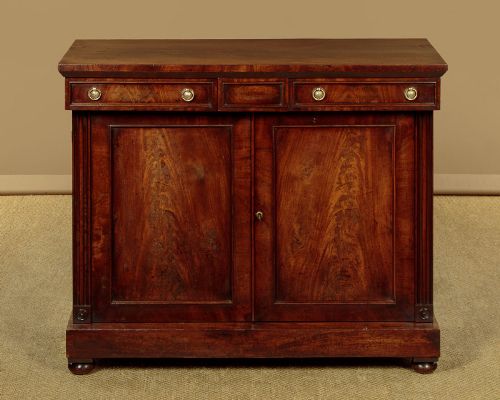
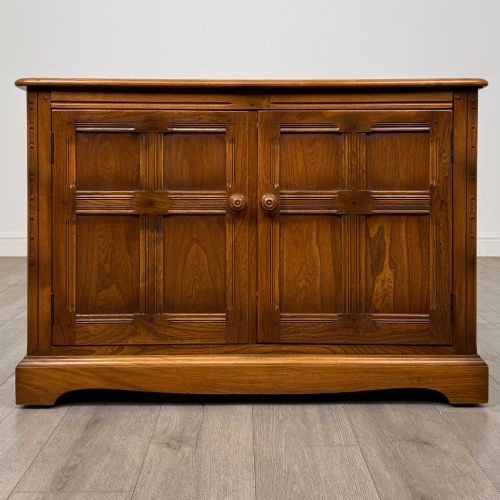
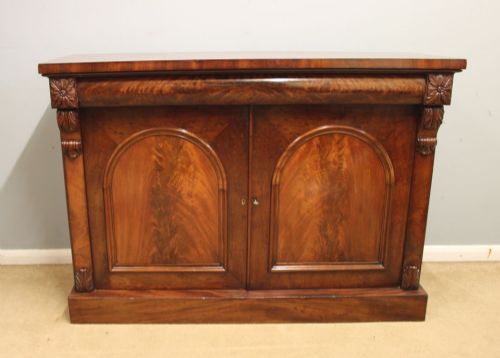
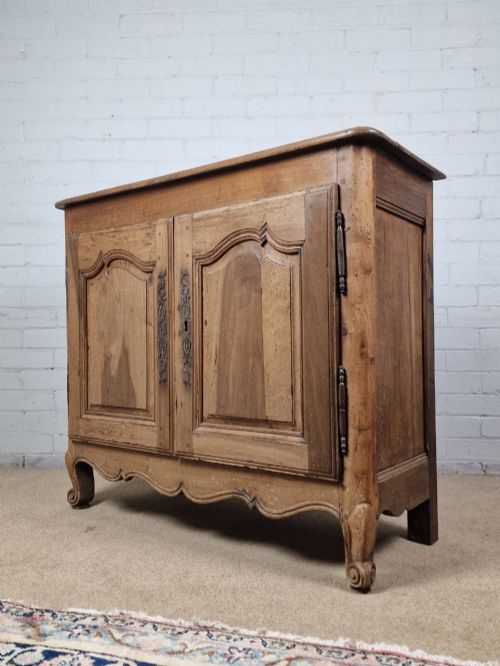
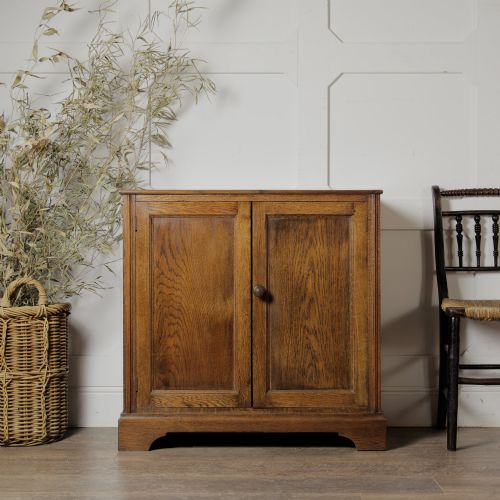
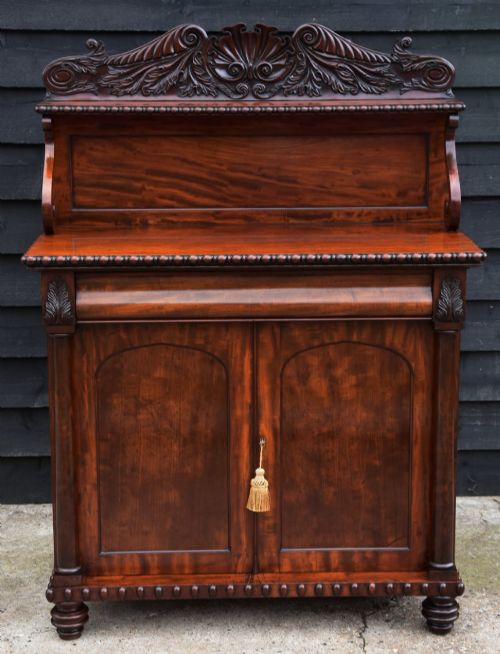
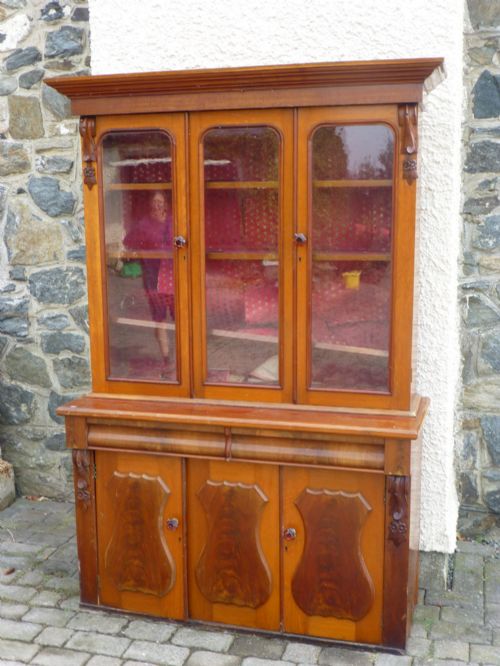
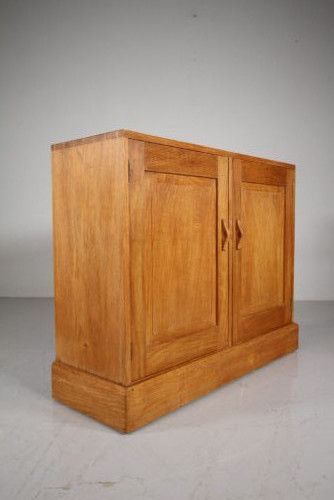
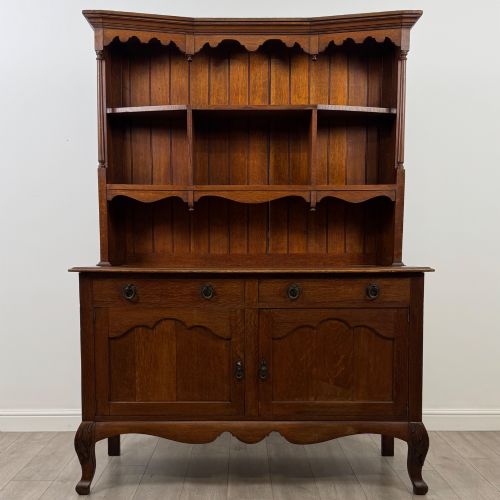
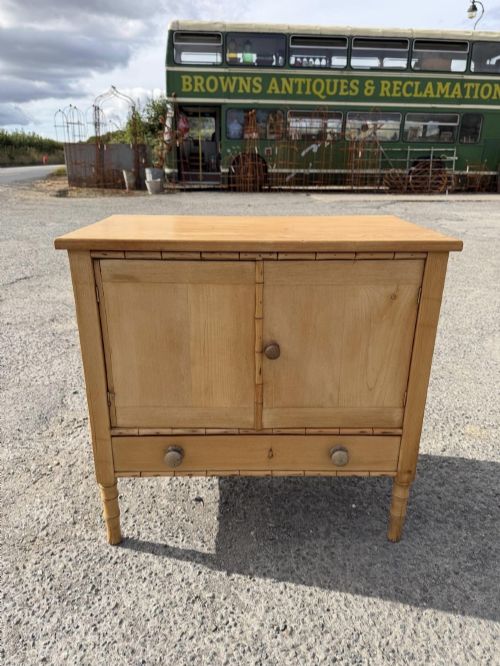
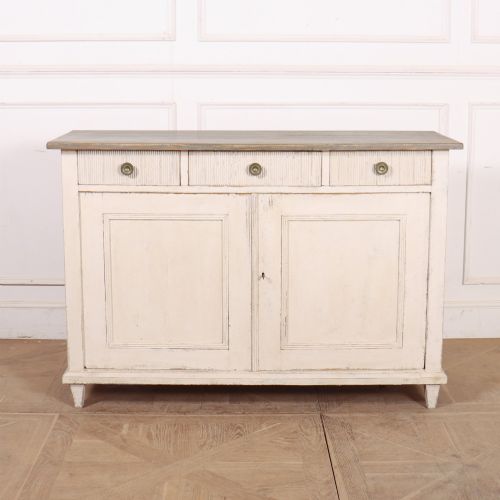
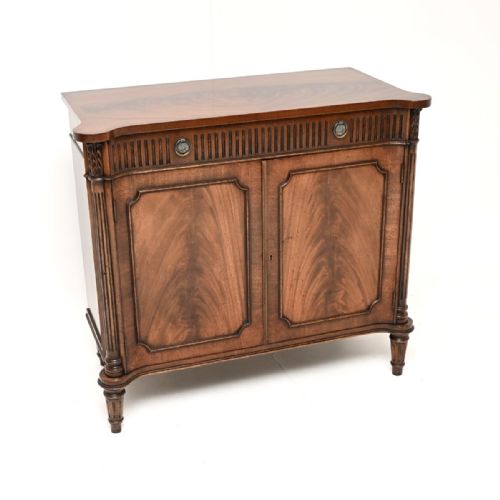
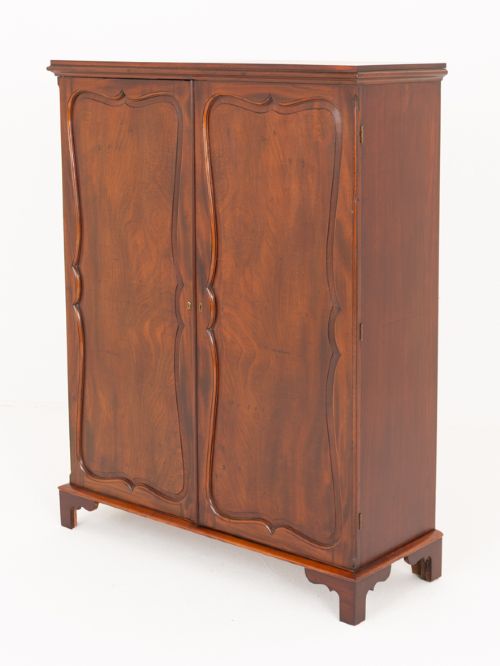
A two door sideboard cabinet provides enclosed shelving beneath a surface, taking forms such as chiffoniers, low cupboards, and dresser bases. These items emerge primarily from the nineteenth and early twentieth centuries, spanning Georgian, Victorian, Edwardian, and Regency periods.
Makers utilised various woods including mahogany, oak, pine, and rosewood, sometimes finished with paint, lacquer, or glass panels. Pieces range from formal mahogany dining room pieces to rustic pine kitchen furniture and painted continental buffets.
How they were made
Cabinet makers built these carcasses using solid timbers like oak, mahogany, and pine, frequently applying figured veneers or burr walnut to primary display surfaces. Joinery often involved traditional framing methods suited to housing doors and internal shelves.
Surface treatments included wax polishing, French polishing, and applied paint finishes, complemented by brass hardware and occasional ormolu mounts. Regional workshops also employed fruit wood and bamboo simulation techniques to achieve specific decorative effects.
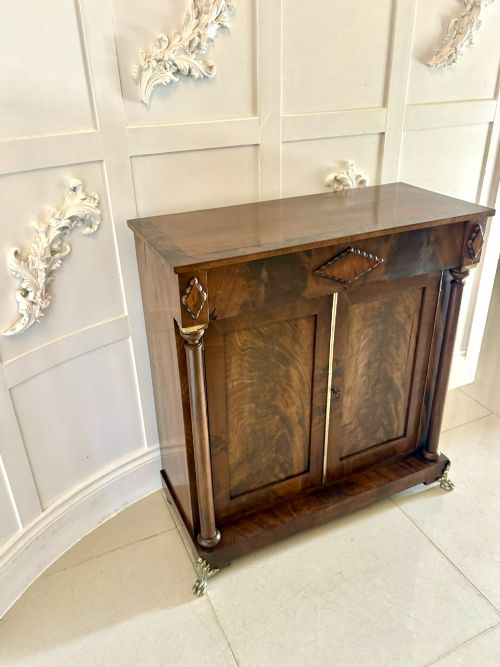
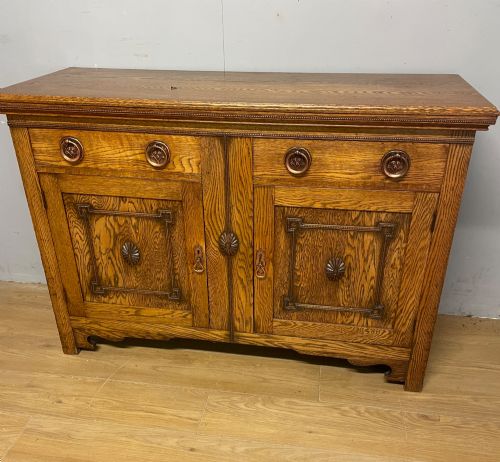
Listings demonstrate that golden oak dominates Edwardian examples, while flame mahogany defines the Regency period.
What varies in quality
Quality rests upon the selection of timber, such as flame mahogany or figured oak, and the precision of the cabinet maker's joinery. Superior examples maintain structural integrity in their doors and carcasses without relying on heavy restoration.
The sophistication of decorative details, from brass mounts to hand-applied lacquering and interior fittings, separates standard utility cupboards from fine regional or workshop pieces.
Peter Waals·Gillows
The Two Door Sideboard Cabinet Glossary
- Chiffonier
- A compact sideboard or low cabinet equipped with doors enclosing shelves, often featuring a raised back tier. This form gained popularity during the Regency and Victorian periods.
- Bowfront
- A convex curved cabinet front that projects outward in a smooth arc. This shape appears frequently on mahogany and oak pieces from the Georgian and Edwardian eras.
- Dresser base
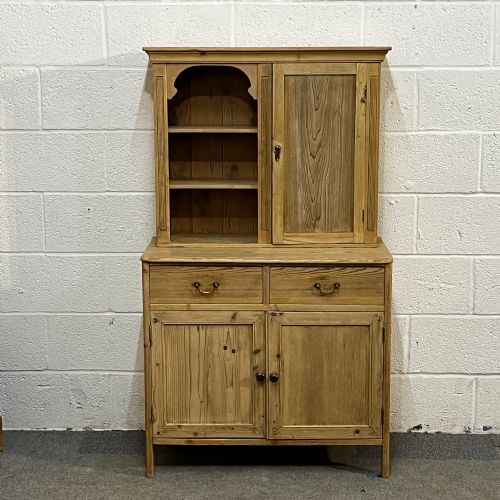
- The lower section of a kitchen or dining room storage unit, typically containing doors and drawers. These pieces are frequently found in solid pine or oak.
- Japanned
- A European imitation of East Asian lacquerwork using layered resin varnishes and painted decoration. This finish is seen on specific twentieth-century side cabinets.
- Flame mahogany
- A veneer cut from timber where the branch meets the trunk, producing a distinctive flickering flame pattern. Cabinet makers used this on high-status Regency and Victorian fronts.
Two Door Sideboard Cabinet: Frequently Asked Questions
Where should I place a two door sideboard cabinet?
These cabinets suit dining rooms, hallways, and living spaces where enclosed surface storage is required. Their modest footprint allows them to function alongside seating or dining tables.
Ensure you measure the depth of the room to allow the doors to open fully without obstruction from nearby furniture.
How do I distinguish a Regency piece from a Victorian one?
Regency pieces often display classical mahogany veneers, rosewood timbers, and restrained brass detailing dating from the early nineteenth century. Victorian examples frequently incorporate heavier proportions, burr walnut, or darker finishes.
Examining the internal drawer construction and backboards helps confirm the period of manufacture.
Can I paint a pine sideboard base?
Many pine and country pieces were originally waxed or left plain, and historical listings frequently note them as ready to wax or paint. Applying a modern finish allows you to integrate the piece into contemporary interiors.
Traditional milk paints or breathable furniture paints work best on older softwoods.
What is the difference between a chiffonier and a low cupboard?
A chiffonier typically includes a small shelf or back tier above the main surface, originally designed for displaying decorative objects in nineteenth-century parlours. A low cupboard provides a flat top surface without upper tiers.
Both types utilise two doors to conceal internal shelving.