


Two Door Inlaid Cabinet
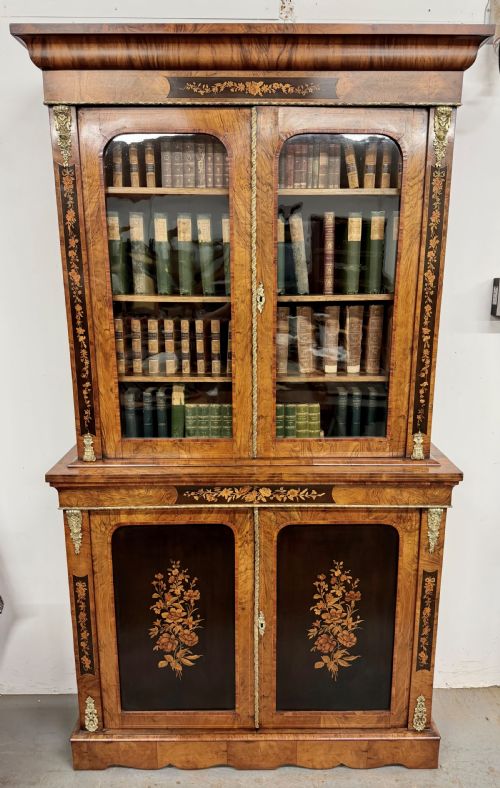
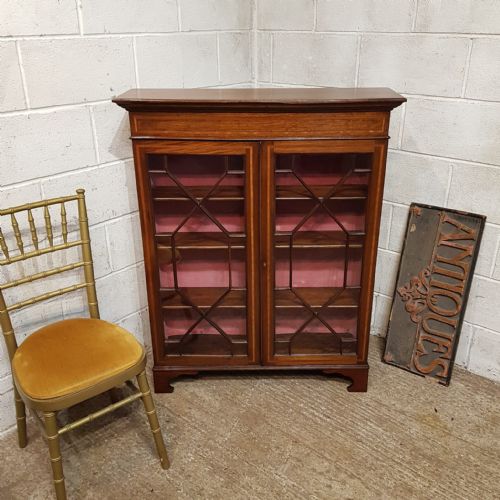
These two door inlaid cabinet examples offer practical storage and refined display, bringing period character and subtle craftsmanship into modern rooms.
Two Door Inlaid Cabinet
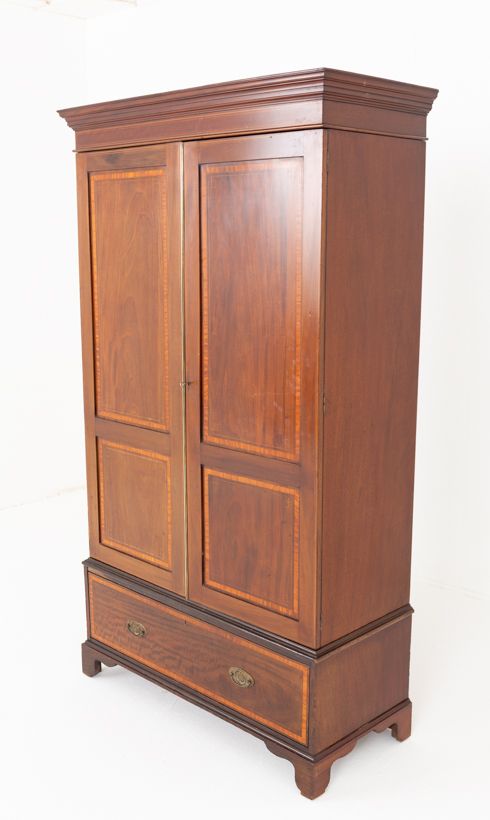
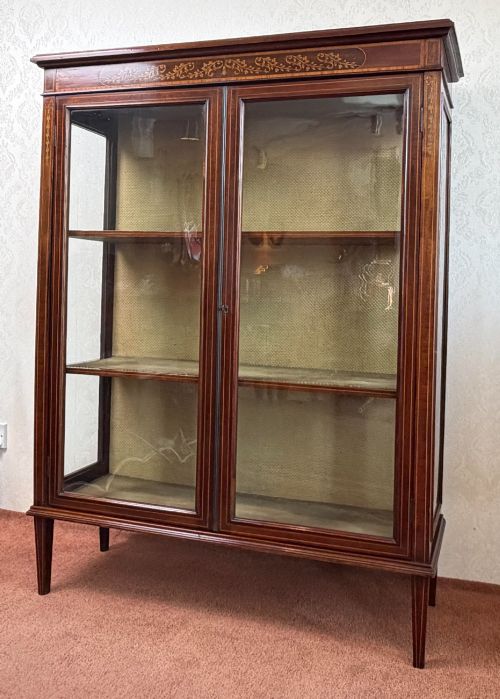
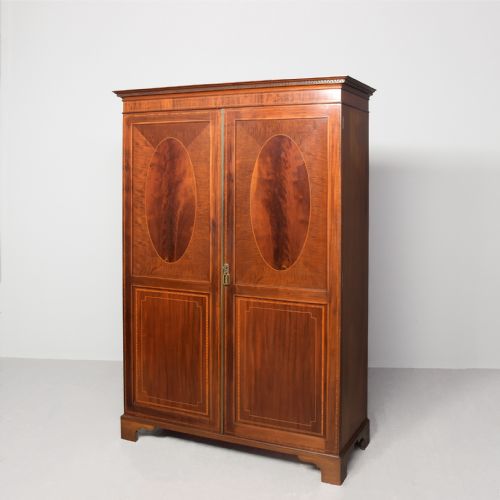
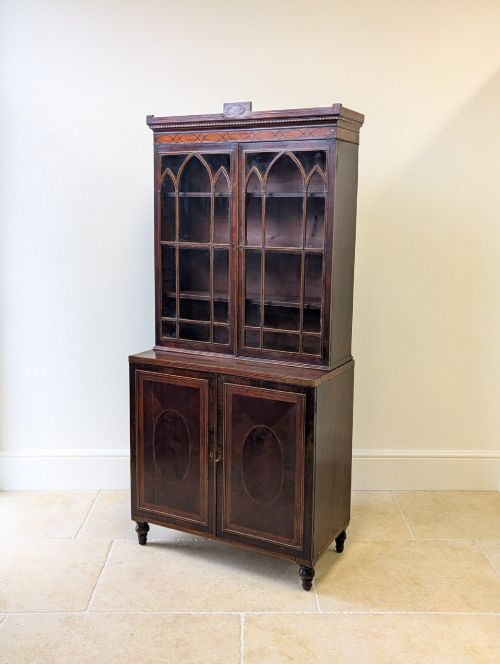
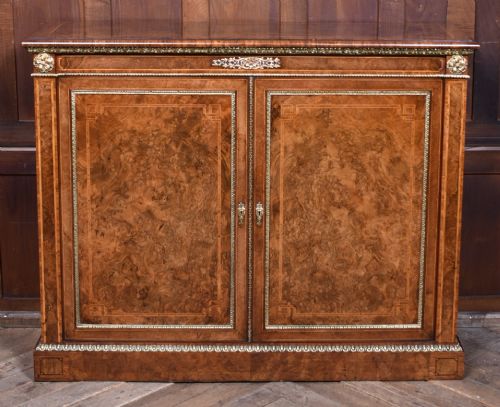
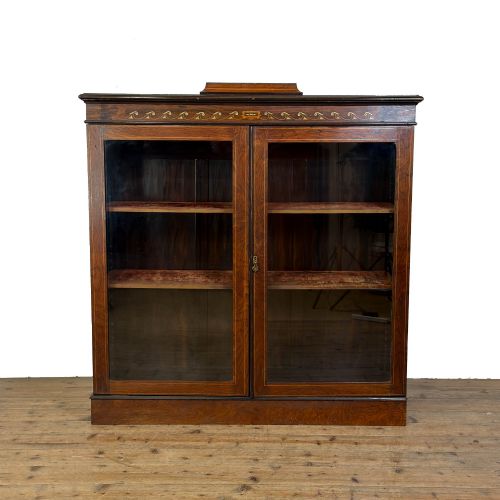
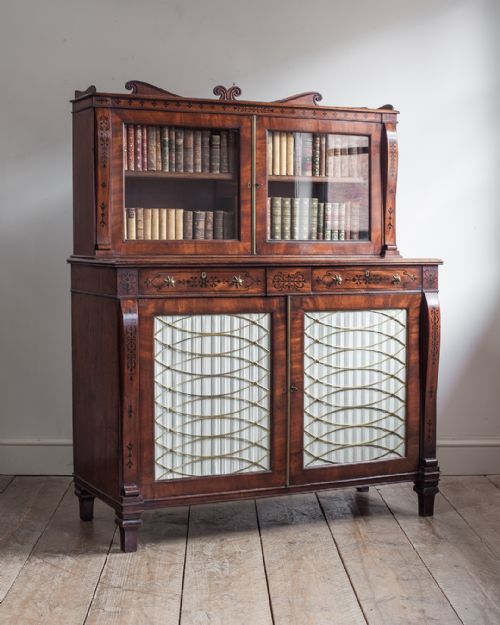
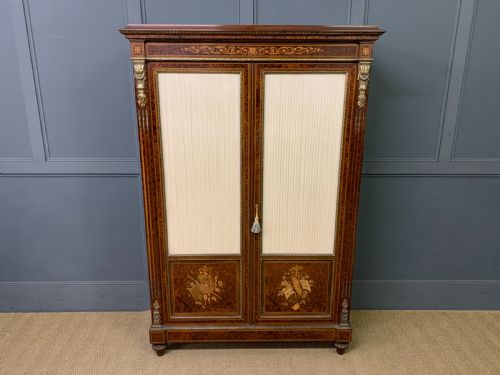
When you search for a two door inlaid cabinet, you encounter a varied group of case furniture designed for storage and display across several historic periods. The pieces appearing here span from eighteenth-century George III examples through Regency, Victorian, and Edwardian eras, reflecting changing domestic tastes in Britain and beyond.
The forms on this page include side cabinets, display cabinets, bookcases, linen presses, and wardrobes. Among these, Edwardian and Victorian display and side cabinets appear most frequently, typically featuring twin doors and decorative marquetry or stringing.
Originating as formal drawing room or library pieces, these cabinets served to house books, china, linens, and valued possessions. Today they function equally well in contemporary interiors for storing tableware, books, or collections while displaying decorative timber surfaces.
Materials and construction
Cabinet makers relied primarily on solid and veneered timbers, utilising mahogany, walnut, burr walnut, satinwood, and rosewood. These woods provided stable foundations and rich grain patterns that responded well to polishing and inlay work.
Decoration relied heavily on contrasting wood veneers, boxwood and ebony stringing, and pictorial marquetry depicting floral or classical motifs. Metal elements such as brass mounts, ormolu, and glazing bars added structural definition and visual contrast to the timber.
The selection includes formal display cases, library bookcases, linen presses, and drawing room pier cabinets.
What separates the best from the rest
Quality in these cabinets rests upon the selection of timber and the precision of the cabinet work. Pieces featuring highly figured burr walnut, finely cut satinwood, or intricate marquetry represent the upper tiers of production.
Construction details distinguish workshop standards. Smoothly operating doors, well-fitted glass panes, original brass fittings, and finely executed internal shelving indicate careful fabrication by skilled makers.
Whytock and Reid of Edinburgh·Harrods
The Two Door Inlaid Cabinet Glossary
- Marquetry
- Decorative veneer work forming pictorial patterns using various coloured woods. This technique adorns many Victorian and Edwardian surfaces.
- Ormolu
- Gilded bronze mounts applied for decorative effect on nineteenth-century pieces. It provides metallic contrast against dark walnut or mahogany.
- Satinwood
- A light-colored, lustrous timber imported from the tropics. It is frequently used for contrasting stringing or complete veneer panels.
- Pier Cabinet
- A low cabinet designed to stand against the wall space between windows. These pieces often feature glazed doors and elaborate inlay.
- Astragal Glazed
- Glass doors divided into small panes by narrow wooden bars. This treatment is common on bookcases and display cabinets.
Two Door Inlaid Cabinet: Frequently Asked Questions
What rooms suit a two door inlaid cabinet?
These cabinets suit living rooms, dining rooms, and studies where they provide enclosed storage alongside surface display space. Their compact footprints allow them to fit easily against walls without dominating smaller interior spaces.
Placing them away from direct sunlight and excessive heat sources protects vulnerable wood veneers and historic polishes from drying out or fading over time.
How do I distinguish Victorian from Edwardian cabinets?
Victorian cabinets often feature darker timbers like walnut and mahogany, accompanied by heavier carved details, dense marquetry, and rich patination. They reflect mid to late nineteenth-century preferences for substantial, ornate domestic furnishings.
Edwardian pieces generally display lighter woods, satinwood accents, and more restrained Sheraton Revival influences. Their proportions tend to feel brighter and airier than their Victorian predecessors.
What is the difference between a side cabinet and a pier cabinet?
A side cabinet is a general term for low storage furniture designed to stand against a room's perimeter. These often feature wooden or glazed doors and substantial interior shelf space.
A pier cabinet specifically refers to low nineteenth-century furniture built to occupy the narrow wall space between windows. They frequently incorporate mirrored backs and delicate ormolu mounts.
How do I care for inlaid wood surfaces?
Maintenance requires regular dusting with a soft, dry cloth and the occasional application of microcrystalline wax to nourish the historic timber. Avoid silicone-based polishes, which can penetrate damaged finishes and degrade the wood over time.
Keep humidity levels in the room stable to prevent shrinkage or expansion that might cause veneers to lift or split from their foundational timbers.