



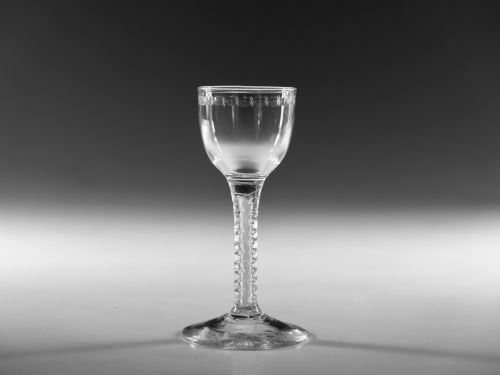
Twisted Stem Glassware
Twisted stem glassware comprises historic drinking vessels featuring intricate internal stem formations, sought after for their refined Georgian form and optical clarity.
Twisted Stem Glassware
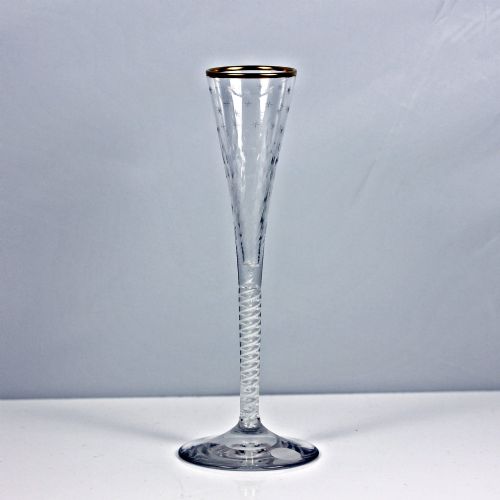
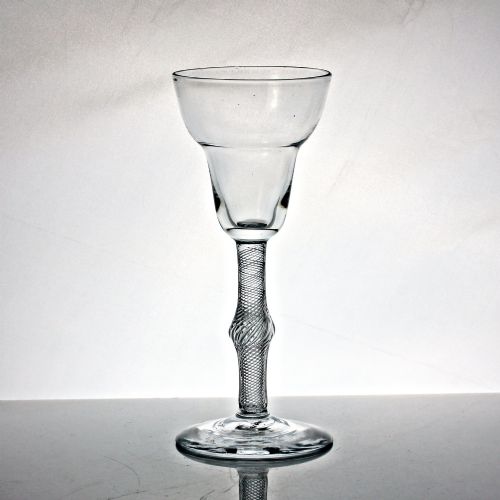
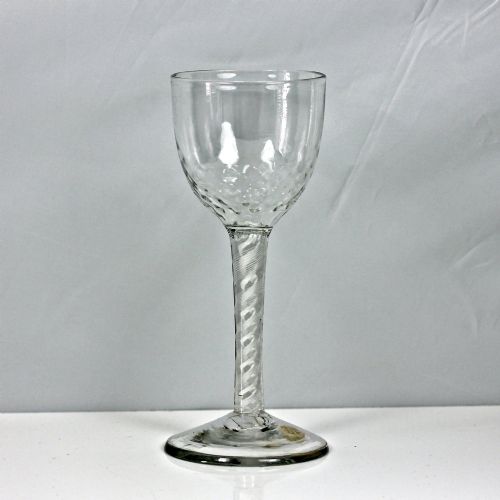
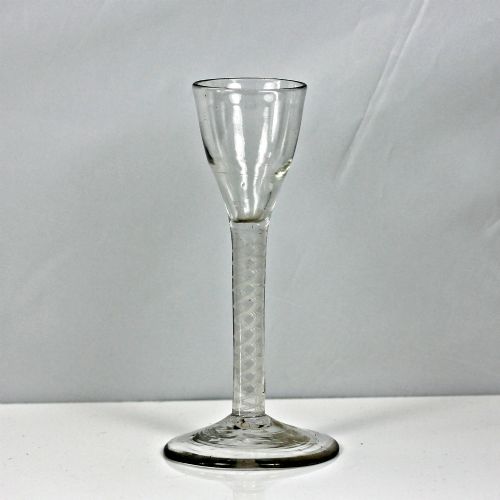
When you search for twisted stem glassware, you encounter drinking vessels predominantly originating from the Georgian period in the eighteenth century. These pieces encompass wine glasses, ale glasses, and champagne flutes featuring specialised stems rather than plain profiles.
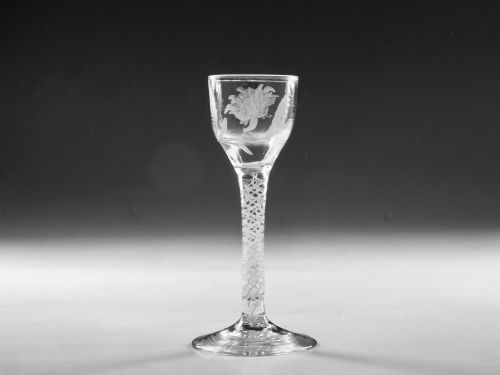
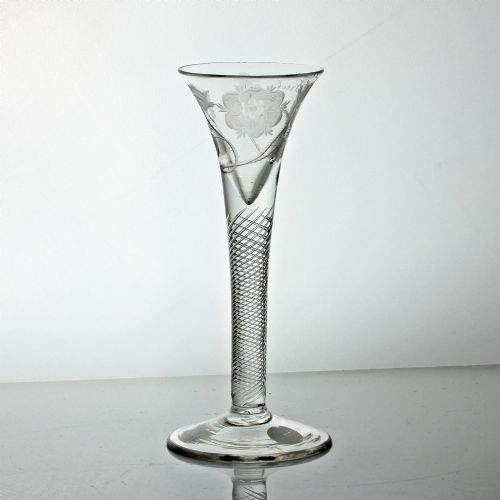
Origins centre firmly on English production from the mid-eighteenth century, with examples dating from around 1750 to 1765. Pieces frequently incorporate historical engravings, including Jacobite or anti-Jacobite motifs, linking them to specific political sentiments of the period.
How they were made
These items rely on lead glass, lead crystal, flint glass, and clear glass materials, which provide the high refractive index necessary to showcase internal stem structures. Makers utilised blown glass techniques to shape bowls and feet before fusing them to intricately manipulated stems.
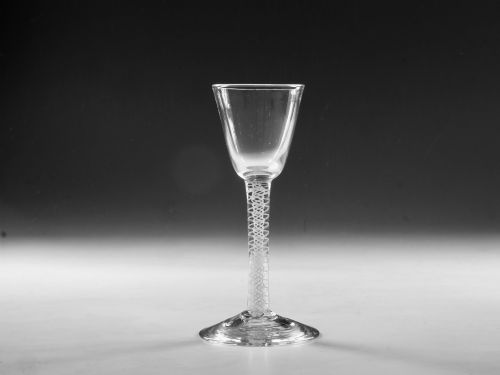
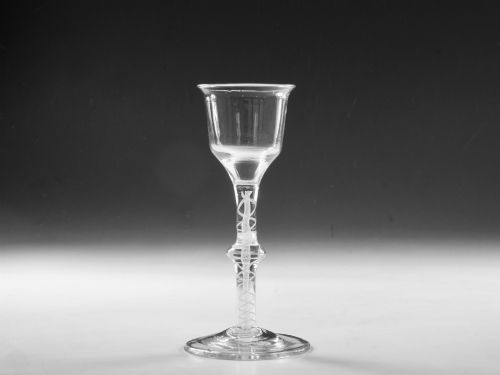
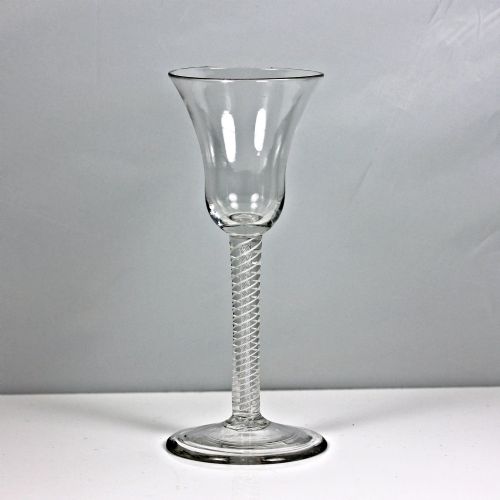
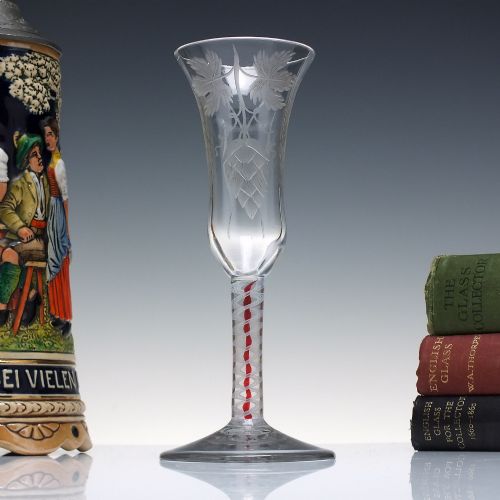
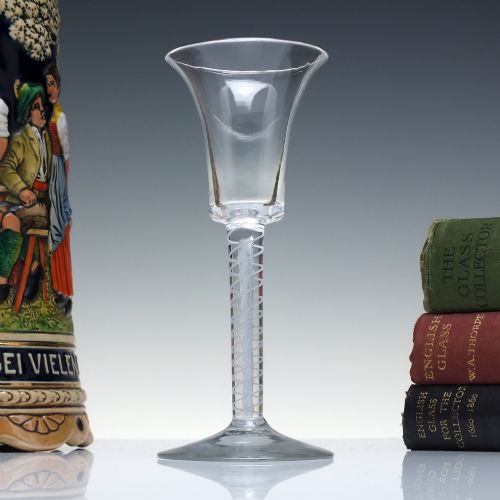
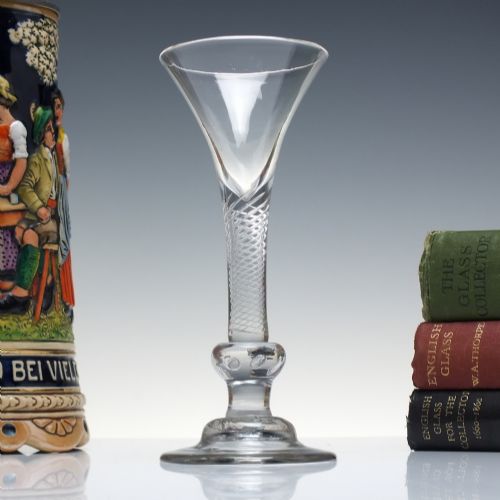
Air twist stems were formed by drawing out tiny bubbles trapped within the molten metal, while opaque twists incorporated white or coloured enamel threads inside the glass body. Mixed twists combined both air bubbles and enamel threads, and composite stems integrated different construction sections into a single support.
Some eighteenth-century drinkers used hidden political engravings to toast exiled kings without losing their heads.
What varies in quality
Clarity of the metal sets the foundation of quality, distinguishing pieces with exceptional transparency from those with duller surfaces. The fineness and precision of the internal twist formation directly influence desirability, with tighter, more regular thread patterns commanding greater attention.
Engraving detail elevates a piece significantly, particularly when executed with crisp, deep cutting that depicts complex political emblems or floral motifs. Additionally, the presence of stable domed feet or multiple knops adds structural complexity that alters the overall visual balance.
Harry Powell·James Powell
The Twisted Stem Glassware Glossary
- Air twist
- A stem formation containing elongated internal air bubbles drawn into spirals. This technique creates a delicate shimmering effect within clear lead glass.
- Opaque twist
- A stem containing threads of white or coloured enamel encased within clear glass. These threads often appear as single, double, or multi-ply series.
- Mixed twist
- A stem combining both air twist elements and opaque enamel threads within the same shaft. This complex technique demonstrates advanced glasshouse skill.
- Composite stem
- A stem constructed from two or more distinct sections joined together during manufacture. These often pair a knop above a plain or twisted lower section.
- Ogee bowl
- An S-profile bowl curving outward at the rim and inward toward the base. This shape became popular for Georgian wine glasses during the mid-eighteenth century.
Twisted Stem Glassware: Frequently Asked Questions
How do you date Georgian glassware?
Dating relies on stylistic markers such as bowl shape, foot formation, and the specific composition of the stem. Examining the pontil mark and metal weight also helps place pieces within the eighteenth century.
Changes in glass chemistry and prevailing manufacturing fashions provide further chronological anchors for these items.
What are Jacobite wine glasses?
Jacobite wine glasses are eighteenth-century vessels engraved with secret symbols supporting the exiled House of Stuart. These symbols often include roses, buds, and specific Latin mottoes.
Anti-Jacobite glasses, such as Hanoverian Liberty examples, emerged in response to express loyalty to the reigning House of Hanover.
Can you use antique wine glasses?
Using these antique vessels requires care due to the delicate nature of eighteenth-century lead glass and blown construction. Hand washing in lukewarm water is essential to preserve the surface.
Many collectors prefer to display them rather than risk damage during modern dining use.