




Twisted Leg Chairs
Twisted leg chairs bring sculptural turning and timeless seating together, offering robust construction and elegant form.
Twisted Leg Chairs
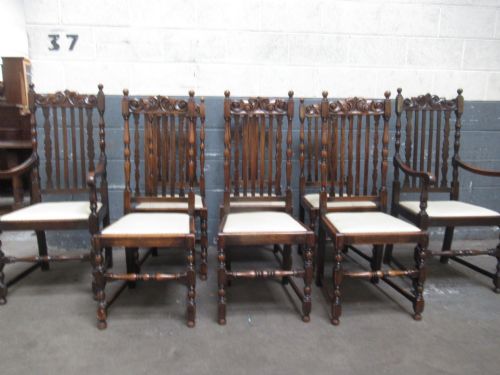
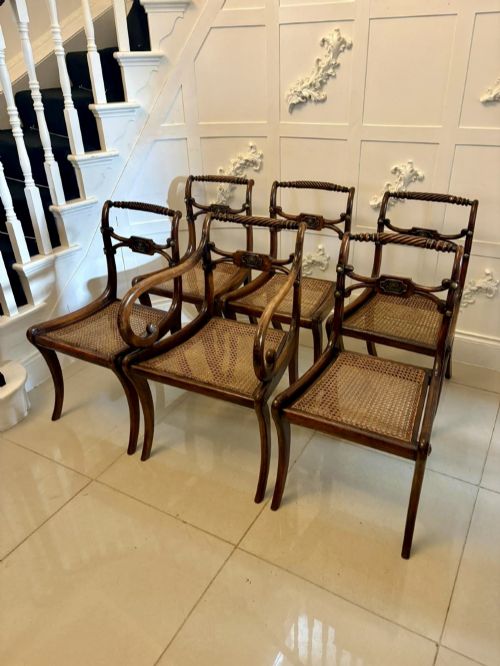
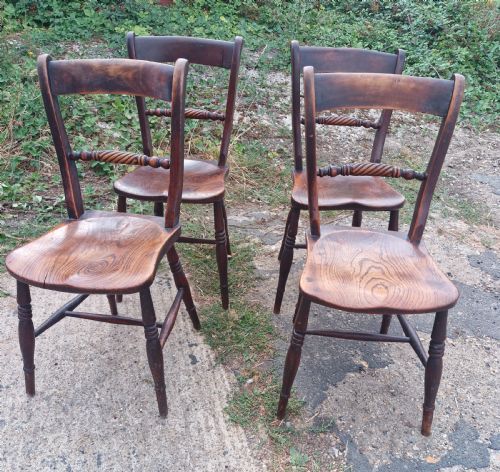
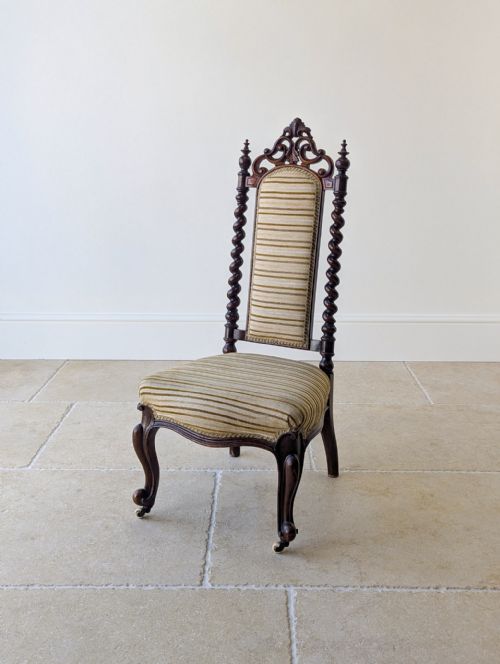
Twisted leg chairs cover a range of seating forms including dining chairs, carvers, armchairs, and stools designed with distinctive spiral or barley twist supports. When you search for twisted leg chairs, you encounter pieces spanning from the Georgian and Regency periods through to Victorian and Edwardian revivals.
How they were made
Cabinetmakers and turners shaped solid hardwoods like oak, walnut, mahogany, and ash into spiral components using lathes and hand chisels. These turned members form the structural legs and stretchers of dining chairs and armchairs, joined using traditional mortise and tenon techniques.
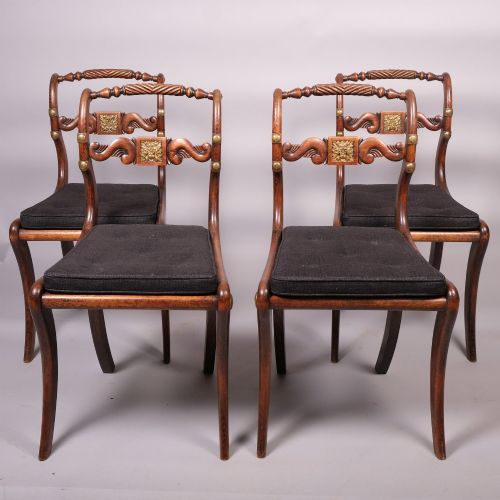
Seating areas incorporate woven cane, bergere panels, or upholstered pads finished in fabrics, leather, silk cotton, or new covers. Brass details and simulated rosewood finishes appear on specific Regency and Victorian iterations.
What varies in quality
The refinement of the timber turning dictates visual success, where crisply carved spiral strands show superior craftsmanship compared to soft or worn profiles. Wood selection also plays a role, with dense, well-figured mahogany, walnut, and laburnum achieving greater depth than standard domestic timbers.
Structural integrity depends on the tightness of joints and the condition of the frame, alongside original or sympathetic restoration work to cane seats and upholstery. Consistency across a matched set elevates the standing of dining chairs considerably.
The Twisted Leg Chairs Glossary
- Barley twist
- A form of wood turning resembling a twisted rope or barley sugar stick. This decorative motif appears frequently on the legs and stretchers of Jacobean revival and Edwardian seating.
- Carver chair
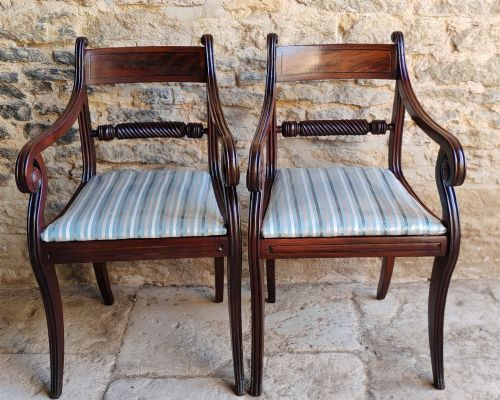
- An armchair designed with open arms, traditionally placed at the head of a dining table or used as a desk chair. These often accompany matching sets of side chairs.
- Bergere
- A type of upholstered armchair or dining chair featuring woven cane panels on the back and sometimes the sides. This technique provides a light, resilient support.
- Simulated rosewood
- A painted or stained finish applied to timber to imitate the rich grain and colour of genuine rosewood. Cabinetmakers utilised this technique during the Regency period.
- Elbow chair
- An alternative term for an armchair or carver featuring low arms designed to support the elbows. These frequently appear in pairs alongside matching dining sets.
Twisted Leg Chairs: Frequently Asked Questions
How do I care for antique twist leg chairs?
Clean wooden frames using a soft cloth and feed the timber periodically with appropriate wax to maintain the finish. Protect cane and upholstered seats from direct sunlight and excessive moisture.
Check joints gently over time to ensure stability remains intact during everyday use around a dining table or in a living space.
Are twisted leg chairs comfortable for daily dining?
Many examples feature upholstered pads, silk cotton, or supportive cane backs designed for extended seating. Dining chairs with padded seats offer practical comfort for regular meals.
Armchairs and carver versions provide additional support through enclosed armrests, making them suitable for long dinner parties.
How can I date a twisted leg chair?
Examine the timber species, joinery methods, and the style of the turning to determine the period of manufacture. Oak twists often point towards Jacobean revival or early twentieth-century production, while mahogany and simulated rosewood frequently indicate Regency or Georgian eras.
Patination on the wood surface and the method of construction inside the seat frame offer further clues regarding age.
Can I mix twist leg chairs with a modern table?
Their architectural turned legs allow these chairs to complement various table styles, bridging traditional and contemporary interiors. Oak and mahogany tones blend easily with modern timber or glass surfaces.
Using a pair of carvers at the ends of a table with simpler side chairs creates a balanced arrangement.