



Twin Branch Wall Lights
Twin branch wall lights bring a functional elegance to a room, offering symmetrical illumination through pairs of candle or wired arms mounted directly to timber or masonry.

Twin Branch Wall Lights
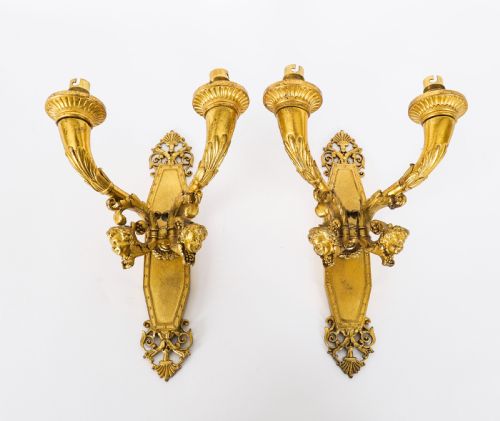
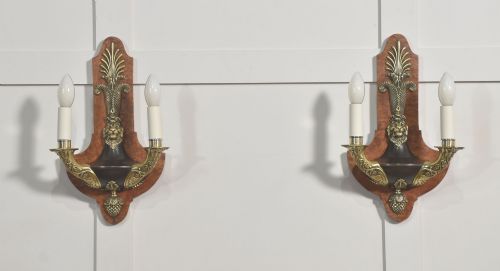
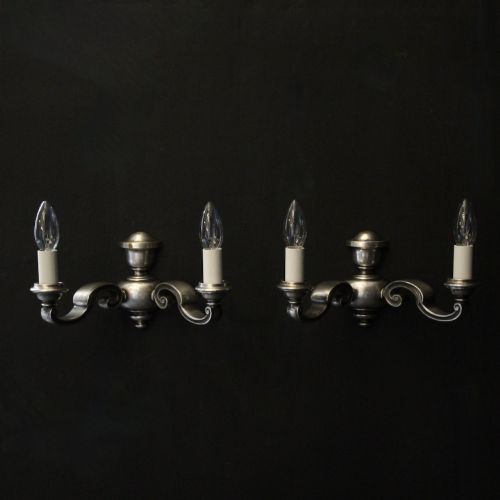
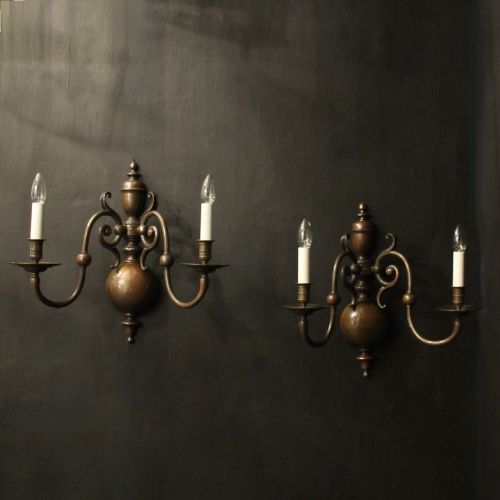
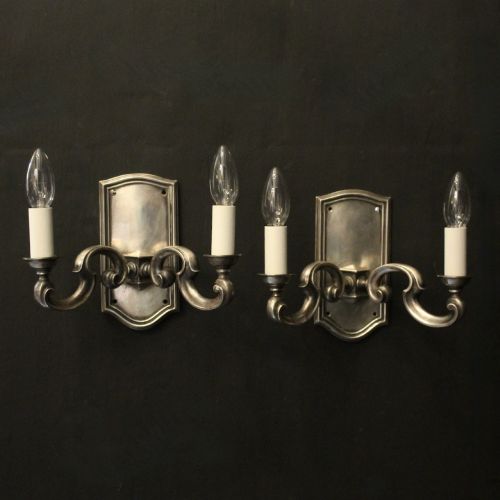
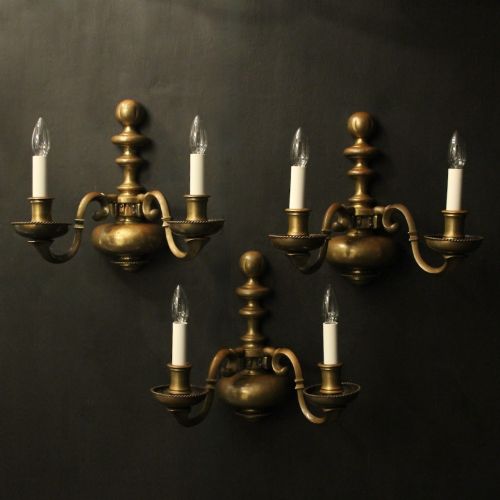
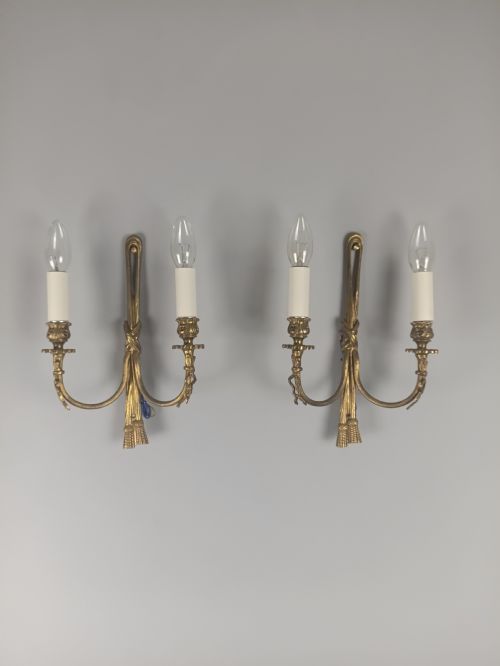
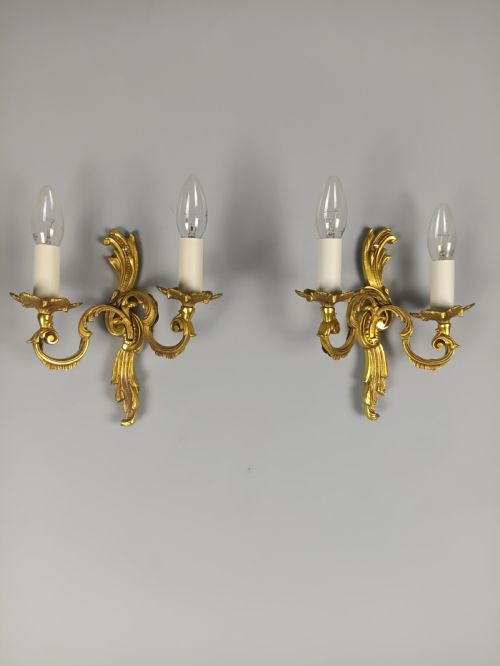
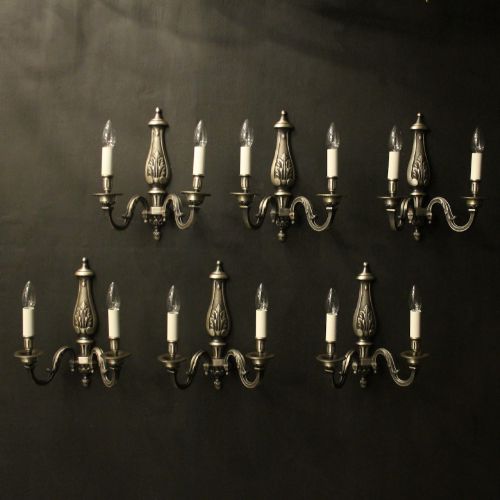
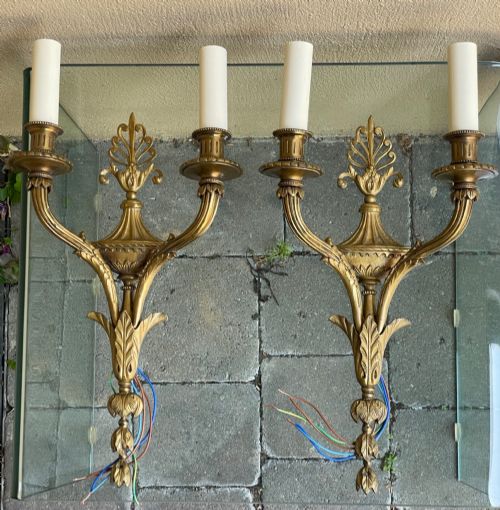
Twin branch wall lights, also known as wall sconces or girandoles, are dual-armed light fittings designed to mount onto vertical surfaces. When you search for twin branch wall lights, you encounter fixtures that bridge practical domestic lighting and ornamental wall decor.
The selections span centuries of design, with French and English pieces appearing frequently across periods from the nineteenth century through the early twentieth century. Common forms include matched pairs or larger sets configured with two branching arms extending from a central backplate.
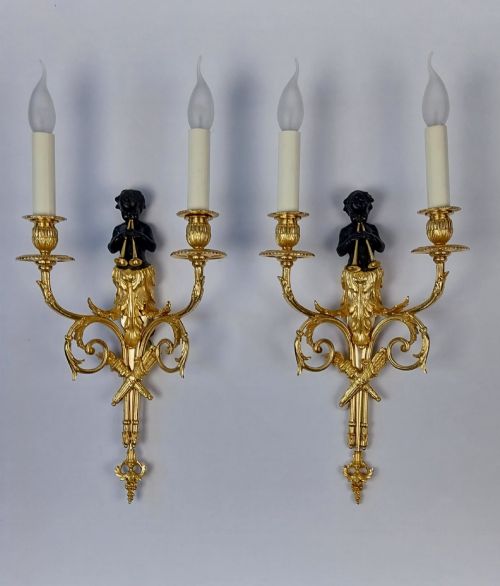
Stylistic influences run from French Louis XIV, Louis XVI, and Rococo revivals to Adam, Empire, and Edwardian interpretations. Makers and manufacturers utilised these historical vocabularies to produce fixtures suited for formal reception rooms and intimate chambers alike.
How they were made
Metalwork forms the structural foundation of these pieces, employing cast bronze, ormolu, brass, and silver plating shaped into intricate scrollwork and backplates. Artisans chased and gilded these metals to achieve rich surface textures and warm metallic lustres.
Carved wooden elements such as giltwood and burr walnut appear alongside polychrome finishes and inset materials like cut glass and marble. These components were assembled by hand, joining arms to backplates with threaded pins or rivets designed to bear the weight of candles or electrical fittings.
Twin Branch Wall Lights Retail Price Guide 2026
Typical asking prices for twin branch wall lights among the pieces listed under this phrase on Sellingantiques today, from the lower quarter to the upper quarter. They describe what is for sale here now, not the wider market.
Materials recorded across these listings include brass, metal, gilt bronze, bronze, ormolu, glass, giltwood, and silver plate.
What varies in quality
The crispness of the casting and the depth of the chasing distinguish finer examples from standard production, particularly in ormolu and bronze where sharp relief defines the ornamentation. Heavier gauge metals and substantial backplates indicate sturdier construction and superior raw materials.
The integrity of the gilding and surface finish marks another division, with fire-gilded ormolu retaining a distinct golden warmth compared to later chemical platings. Additionally, the finesse of hand-carving on giltwood frames and the clarity of cut glass drops separate workshop masterpieces from utilitarian items.
F. & C. Osler·Baccarat
The Twin Branch Wall Lights Glossary
- Girandole
- A decorative wall bracket holding multiple candles or lights, often incorporating a mirror or reflective backplate to enhance illumination.
- Ormolu
- Finely chopped high-karat gold applied to a bronze base through a mercury amalgamation process, or simply cast gilt bronze.
- Backplate
- The flat or shaped metal or wooden panel that attaches to the wall and supports the projecting arms.
- Chasing
- The art-metal technique of hammering and punching the front surface of metal to refine details and add texture.
- Sconce
- A wall-mounted lighting fixture designed to hold candles or electric bulbs.
Twin Branch Wall Lights: Frequently Asked Questions
How do I install antique twin branch wall lights?
Most period wall lights require professional mounting to ensure the backplate securely anchors into wall studs or masonry. Rewiring with modern electrical cable is often necessary for safe domestic use.
Consult a qualified electrician to integrate historical brass or bronze fixtures with contemporary wall circuits and appropriate dimmer controls.
Were these originally for candles or electricity?
Examples dating from the eighteenth and nineteenth centuries were manufactured specifically for wax candles, utilising drip pans to catch melting wax. Many were subsequently converted to electricity during the twentieth century.
Unconverted pieces retain their original candle nozzles, while wired variants integrate lamp holders discreetly within the bobeches or arms.
How should I clean gilded bronze wall lights?
Dust surfaces gently with a soft, dry artist brush to remove settled particles without disturbing fragile gilding or patination. Avoid abrasive cloths, commercial metal polishes, and chemical cleaners that strip historical finishes.
Professional conservation is recommended for deep cleaning or repairing structural components on delicate ormolu and giltwood items.
How do I distinguish French styles from English ones?
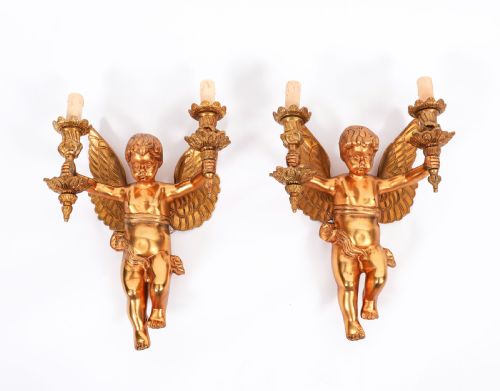
French fixtures frequently display exuberant Rococo scrolls, cherubs, and Neoclassical symmetry associated with Louis XIV and Louis XVI revivals. English designs often lean toward Adam neoclassical restraint or simpler brass configurations.
Examining casting techniques, fastener types, and regional design motifs helps pinpoint the likely workshop origin of an unmarked piece.