



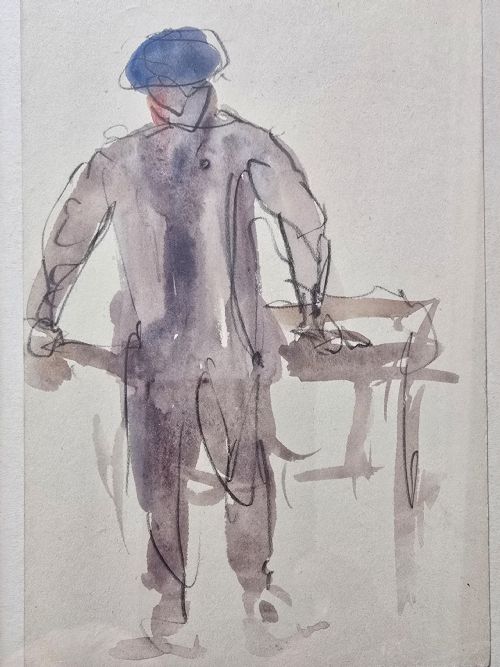


Twentieth Century Watercolour
Twentieth century watercolour paintings capture light and atmosphere on paper through the hands of British artists working across various regional and modern styles.
Twentieth Century Watercolour
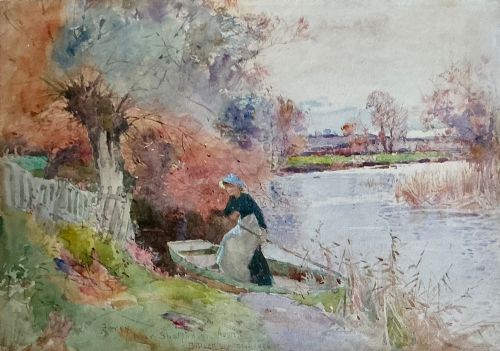
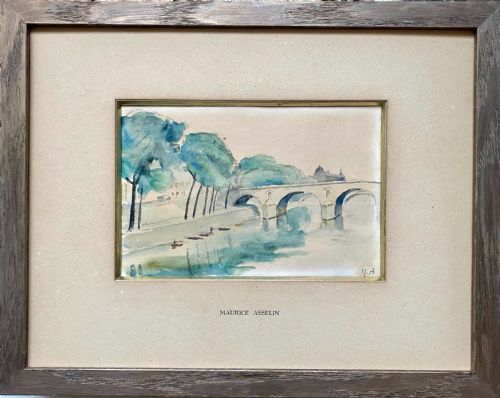
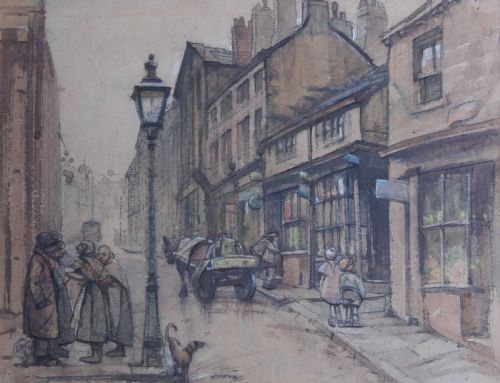
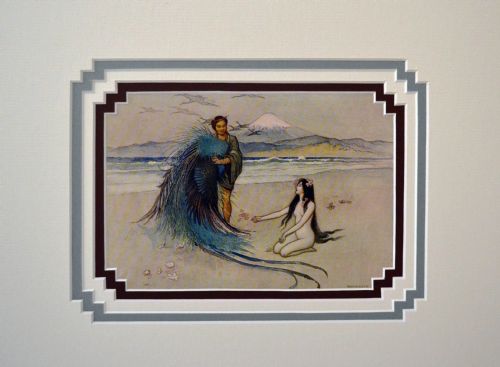
A twentieth century watercolour brings together works on paper from distinct periods spanning the early decades up to mid-century. These paintings record coastal scenes, gardens, quarries and northern landscapes through the lens of British Impressionism and modernism.
Buyers encounter marine views like Robert Leslie Howey's depiction of Runswick Bay and Ernest F. Hill's Mousehole alongside Yorkshire landscapes by Owen Bowen and Fred Lawson. Hirst Walker's Hebridean sunsets and abstract compositions further expand the range of subjects available.
The objects take the form of framed paintings executed in watercolour pigment on paper, preserved behind glass within gilt wood frames. Each piece reflects the regional character of British art production during the 1910s, 1920s and 1950s.
How twentieth century watercolour works were made
Makers applied watercolour pigment directly onto paper supports using fluid washes and decisive brushwork to build up atmosphere and form. Artists captured fleeting effects of light outdoors before framing the completed sheets behind protective glass.
Finished watercolours were housed in gilt wood frames designed to complement the palette and period aesthetic of each individual painting. The combination of water-soluble pigments on paper with traditional framing materials defined the physical construction of these works.
Twentieth Century Watercolour Retail Price Guide 2026
Typical asking prices for twentieth century watercolour among the pieces listed under this phrase on Sellingantiques today, from the lower quarter to the upper quarter. They describe what is for sale here now, not the wider market.
Artists often packed small watercolour kits for sketching coastal winds and Hebridean sunsets directly outdoors.
What varies in quality among twentieth century watercolour items
The strength of the composition and the confidence of the brushwork determine the distinction between ordinary student exercises and accomplished professional paintings. Artists who possessed a deep understanding of tone and pigment translucency achieved greater atmospheric resonance.
The preservation of the paper support and the vibrancy of the original watercolour pigments dictate the enduring visual impact of a work. Original gilt wood framing matching the era of creation also adds historical integrity to the piece.
The Twentieth Century Watercolour Glossary
- Watercolour pigment
- A coloured substance ground into a fine powder and mixed with a water-soluble binder for painting on paper. This medium relies on the white of the paper shining through translucent washes.
- British Impressionism
- An artistic approach focusing on light, everyday subjects and rapid brushwork influenced by French movements but adapted by British painters. Practitioners recorded local landscapes and coastal scenes with loose handling.
- Gilt wood
- Wood coated with a thin layer of gold leaf or gold-coloured metallic paint used for traditional picture framing. This finish enhances the visual boundary of works on paper.
- Abstract watercolour
- A non-representational painting style using water-based pigments on paper to explore colour, form and line without depicting recognizable objects. Such works represent the modernist departure from traditional landscape painting.
Twentieth Century Watercolour: Frequently Asked Questions
What subjects do twentieth century watercolour paintings show?
These works record coastal marine views, northern landscapes, artist gardens and quarries across various British regions. Artists captured specific locations such as Runswick Bay, Mousehole and the Hebrides.
Subjects also extend into abstract compositions that explore form and pigment independently of literal scenery.
How should I frame a twentieth century watercolour?
Watercolour paintings require protection behind glass to prevent atmospheric damage and fading on the paper support. Gilt wood frames matching the period style complement the aesthetic of these works.
Proper conservation framing shields the pigment from direct sunlight and environmental moisture.
How do I identify a British Impressionist watercolour?
British Impressionist watercolours typically feature loose brushwork, visible paper grain and an emphasis on natural light effects. Painters working in this style prioritized atmosphere over rigid topographical accuracy.
Subjects often include outdoor scenes, gardens and coastal harbours recorded during the early decades of the twentieth century.
What materials make up these paintings?
The primary components consist of watercolour pigment applied to paper supports by hand. Finished works are completed with protective glass and housed within gilt wood frames.
These standard artist materials defined the creation and preservation of paintings from the 1910s to the 1950s.