

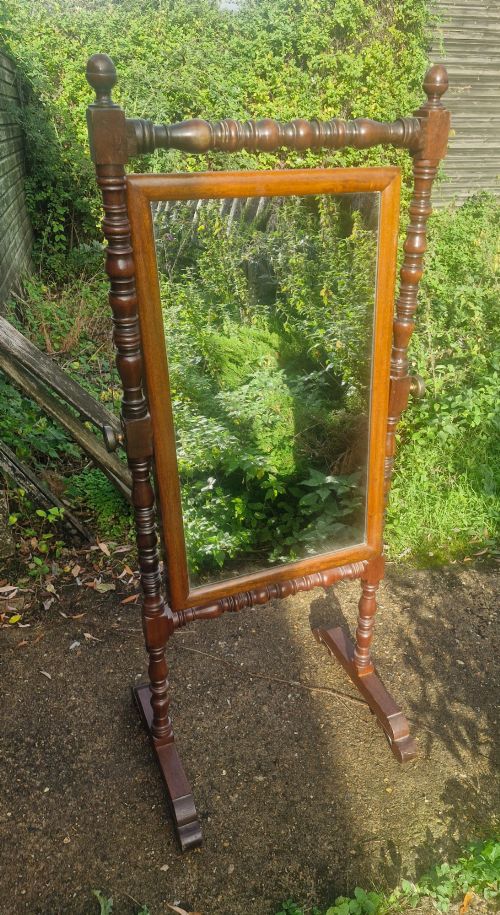
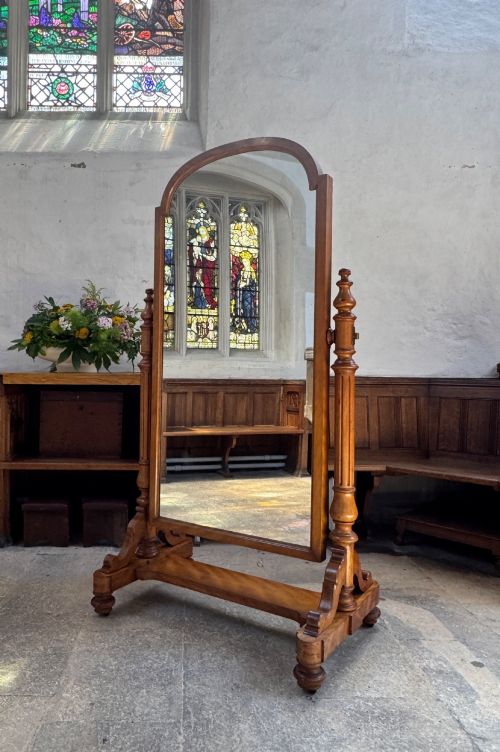
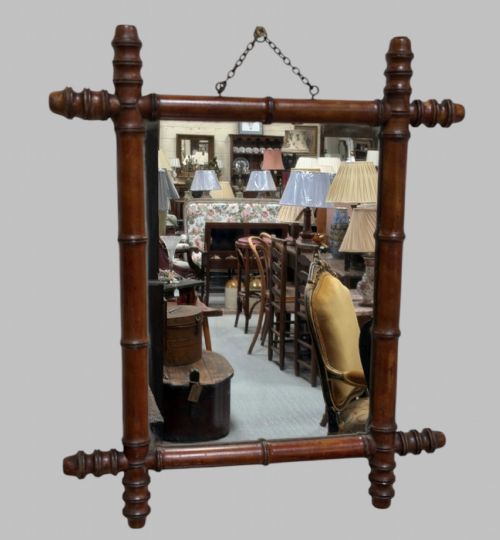
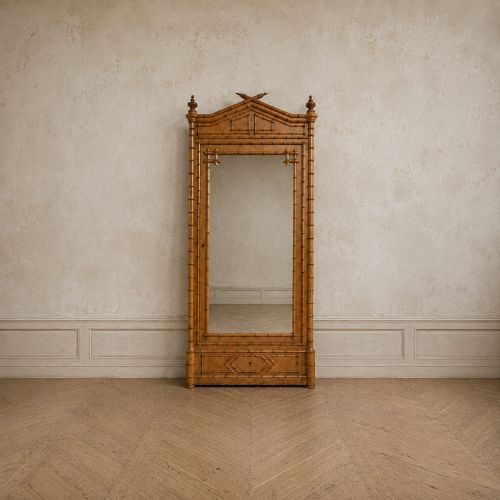




Turning Wood Mirror
These turning wood mirror examples offer practical reflection surfaces framed in disciplined timber turnings.
Turning Wood Mirror
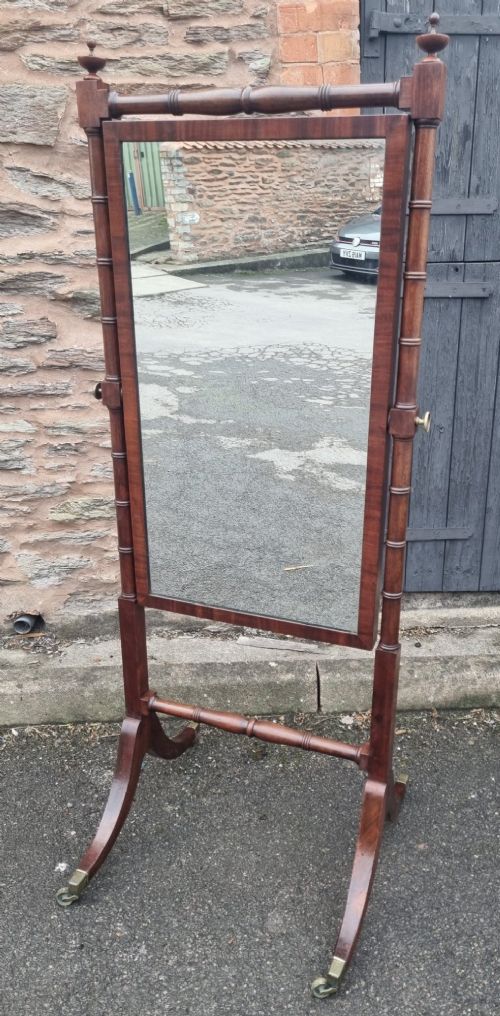
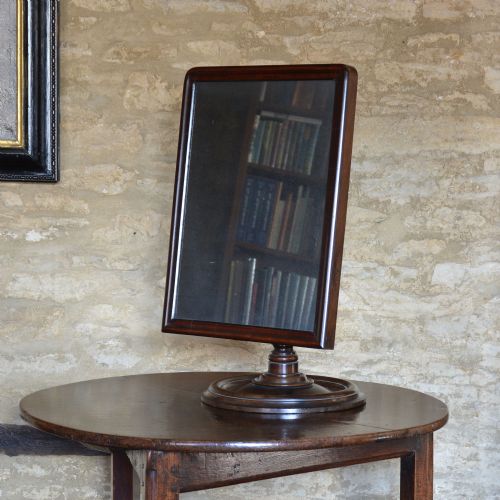
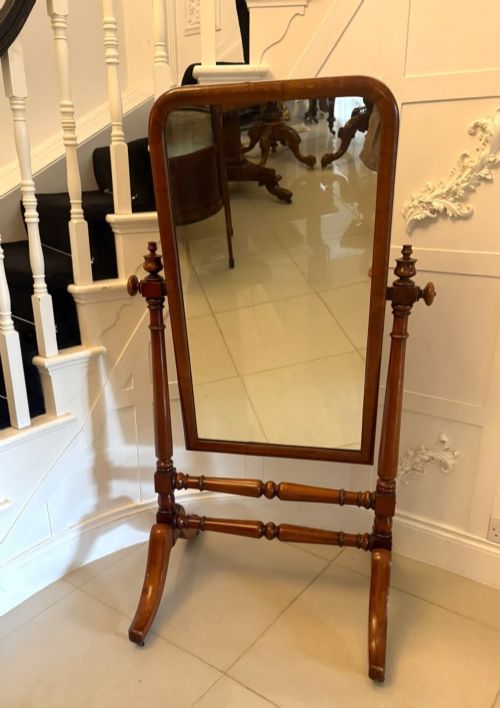
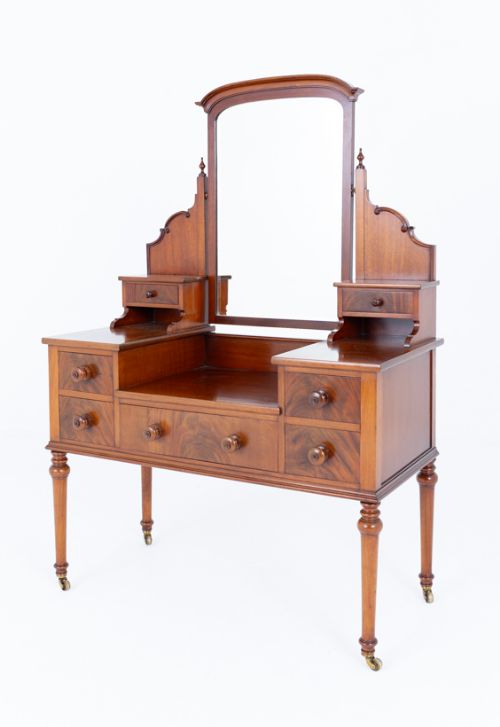
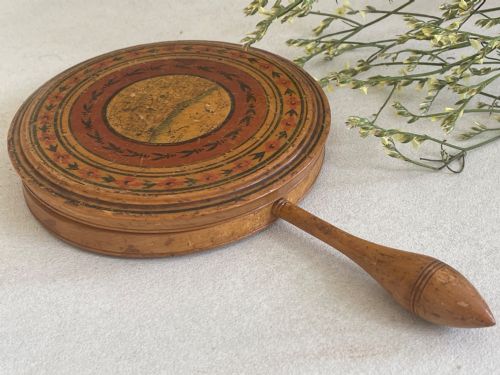
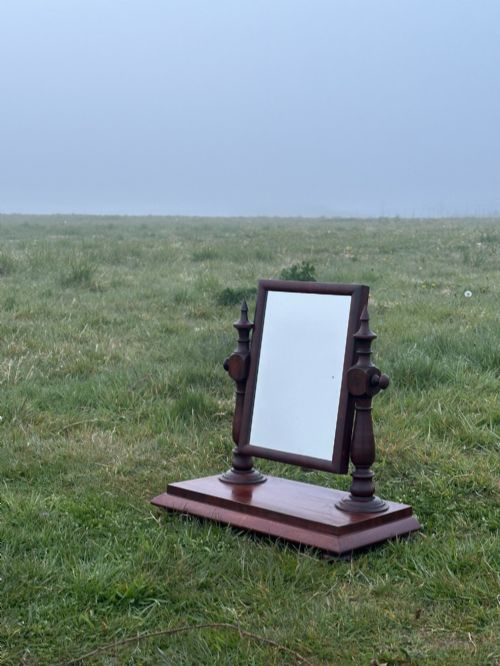
A turning wood mirror brings together reflective glass and timber turned on a lathe, ranging from compact hand-held pieces to large floor-standing cheval frames. Buyers searching for a turning wood mirror encounter everything from Georgian travelling toilet swing mirrors to grand Victorian freestanding dressing glasses.
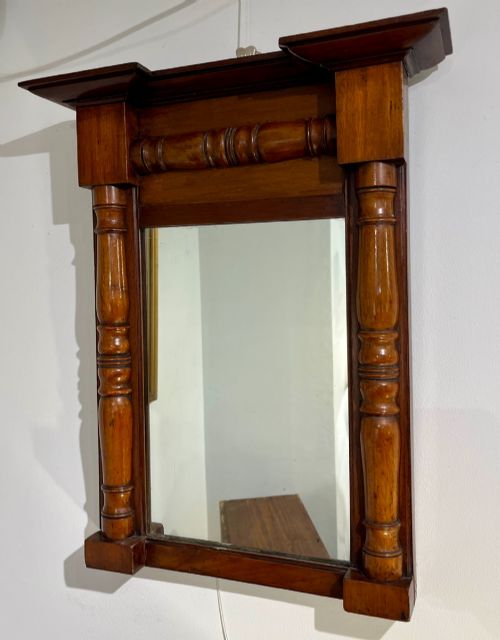
The selection here draws heavily from nineteenth-century workshops, featuring Victorian and Regency wall mirrors alongside smaller shaving stands and dressing table accessories. Timber varieties shape each piece, with mahogany and walnut forming the backbone of the inventory alongside occasional boxwood and fruitwood accents.
Form follows function across multiple domestic categories, including pier mirrors designed for wall spaces between windows and adjustable cheval glasses. These objects span periods from the seventeenth century through to the early twentieth century, showing diverse regional interpretations.
Materials and construction
Makers utilised dense hardwoods such as mahogany and walnut for structural stability, often turning uprights and stretchers on a lathe to create balanced decorative profiles. Boxwood and nacre-shell inlay provided contrast, while mirror glass was set securely within rebated timber frames.
Freestanding models relied on clever pivot mechanisms and floor stands, whereas hanging wall versions incorporated secure backing boards and suspension loops. Surface finishes ranged from polished French polishes to ebonised treatments and intricate hand-carved fruitwood details.
Turning Wood Mirror Retail Price Guide 2026
Typical asking prices for turning wood mirror among the pieces listed under this phrase on Sellingantiques today, from the lower quarter to the upper quarter. They describe what is for sale here now, not the wider market.
Listings feature mahogany, walnut, boxwood, and ash timbers across various wall, pier, and cheval mirror forms dating from the seventeenth to the twentieth century.
Evaluating craftsmanship
Quality rests upon the precision of the lathe work and the selection of figured timber veneers, where tightly grained mahogany or bird's-eye maple elevates a simple frame. Superior examples demonstrate crisp turning profiles without distortion, alongside well-proportioned joinery that maintains rigidity over decades of adjustment.
The glass plate itself indicates standard, with original silvered mirror plates carrying subtle irregularities that distinguish period manufacturing from later replacements. Solid brass hardware, such as pivot screws and hanging rings, further separates standard utilitarian items from finer decorative pieces.
The Turning Wood Mirror Glossary
- Cheval mirror
- A freestanding full-length dressing mirror suspended on a vertical frame with pivoting side supports. These large pieces allow a complete view of attire.
- Pier mirror
- A tall wall mirror designed to hang on the narrow pier of wall space between windows. They often sit above console tables or overmantles.
- Shaving stand
- A specialist piece incorporating an adjustable mirror alongside storage drawers and wash basins for grooming routines. They frequently feature compact turned supports.
- Tunbridge Ware
- Small wooden items decorated with precise mosaic patterns formed from thousands of tiny coloured wood blocks. This meticulous technique originated in Kent.
- Nacre-shell inlay
- The decorative use of iridescent mother-of-pearl embedded into wooden frames. This technique adds shimmering detail to Levantine and exotic designs.
Turning Wood Mirror: Frequently Asked Questions
How do I clean an antique mirror?
Use a soft, dry cloth to remove dust from the timber frame without applying moisture to old polished surfaces. Clean the glass plate gently with a damp cloth, avoiding harsh chemical sprays that might seep behind the silvering.
Keep these items away from direct sunlight and damp environments to protect both the wooden frames and the original mirror plates from deterioration.
Are these mirror plates original?
Many pieces retain their original glass, which often displays minor foxing, subtle bubbles, or slight silvering degradation earned through age. These natural signs confirm the authenticity of the piece.
Replacements do occur during long maintenance histories, so inspecting the backing boards and mounting pins helps determine whether the glass dates to the construction period.
Where should I place a cheval mirror?
Position freestanding cheval mirrors in bedrooms or dressing rooms where their pivoting frames can be adjusted for full-length use. Ensure they stand on level flooring to prevent undue stress on the side pivots.
Their substantial footprint makes them suitable for spacious corners rather than narrow corridors.
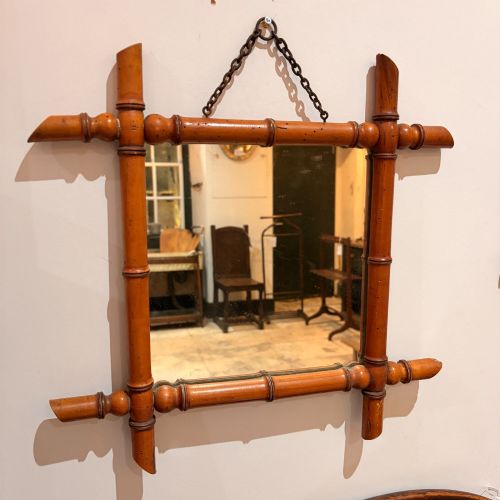
What is faux bamboo?
Faux bamboo is a decorative carving technique where wood is shaped and painted to mimic natural bamboo stalks. Victorian and Edwardian cabinetmakers popularised this exotic style.
Mirrors featuring this technique often coordinate with matching bedroom armoires and dressing tables from the same period.