

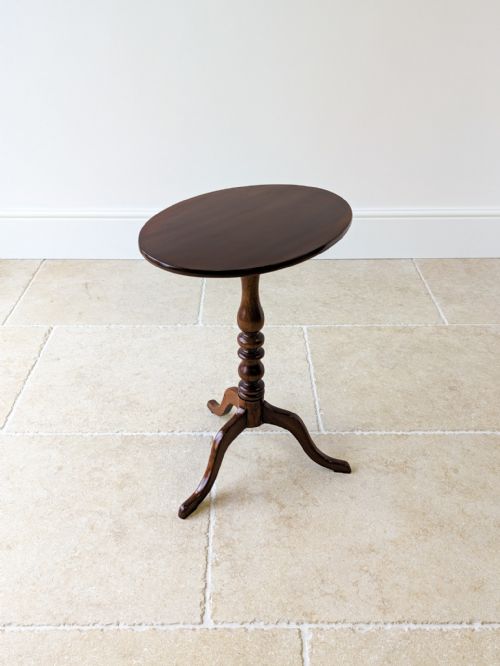
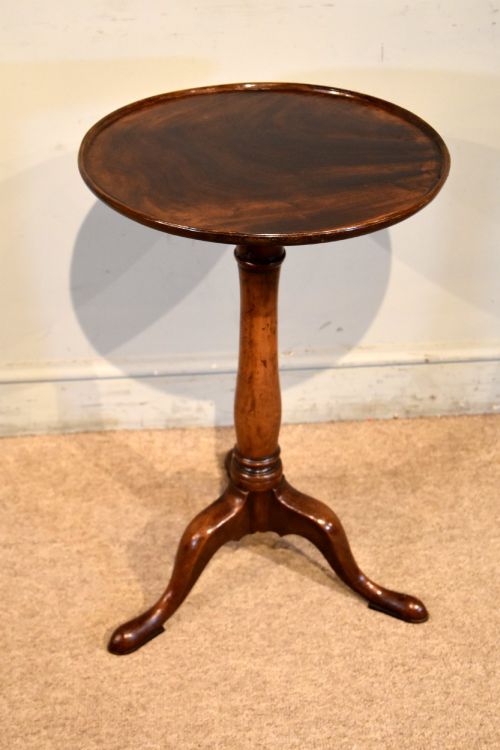
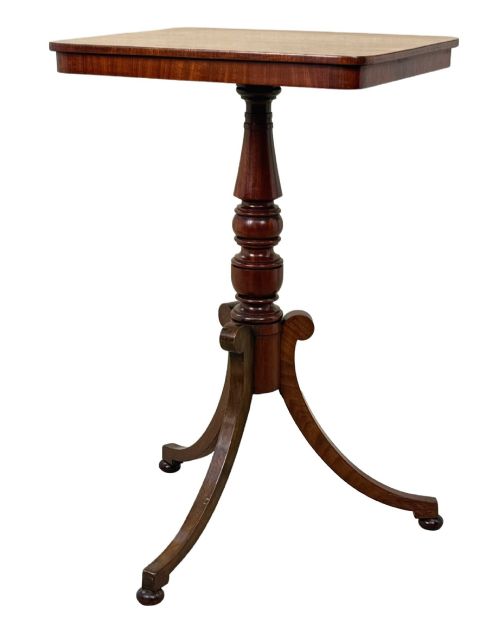
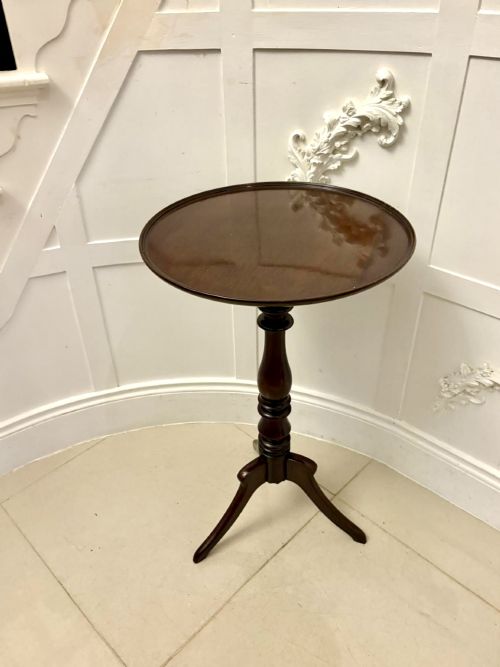
Turned Wood Tripod Stand
A turned wood tripod stand brings versatile three-legged stability and classic timber warmth to corners and bedside spaces.
Turned Wood Tripod Stand
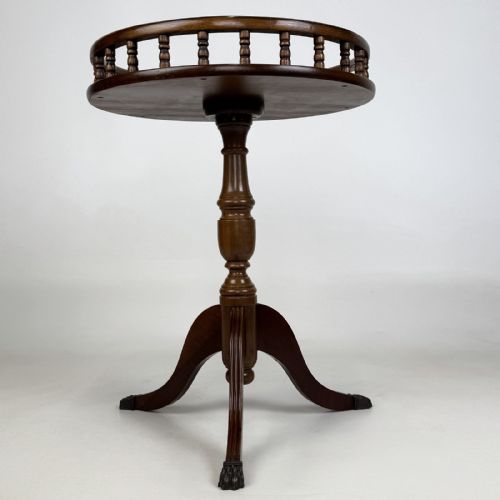
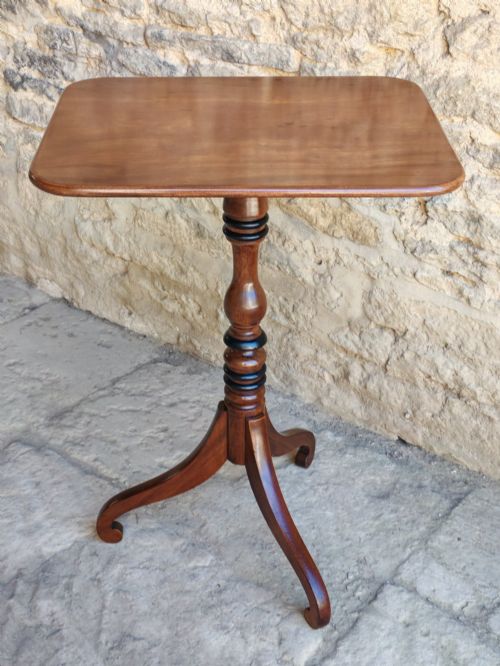
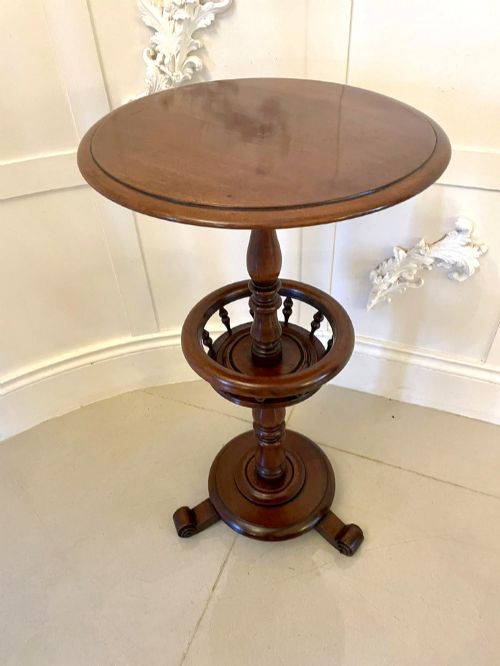
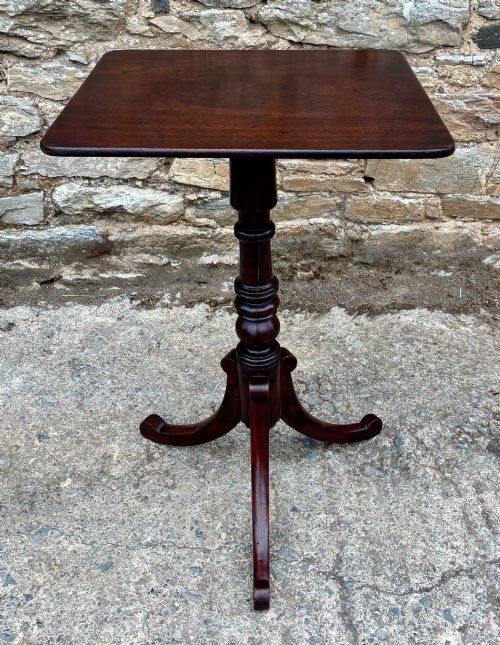
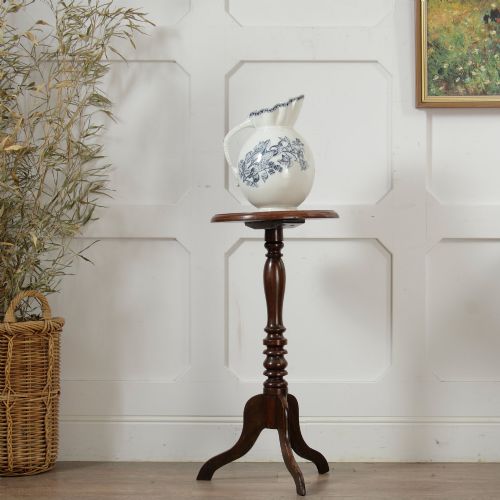
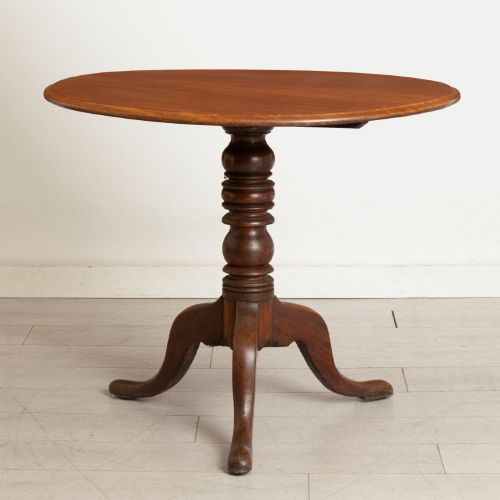
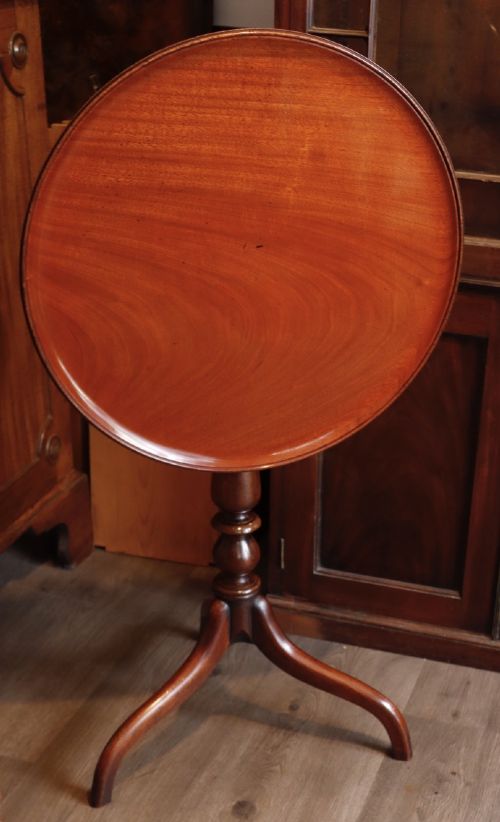
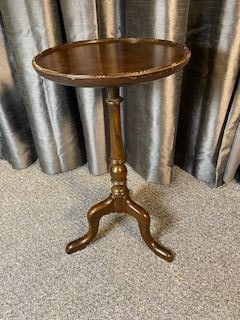
A turned wood tripod stand serves primarily as a compact table for holding small objects, lamps, or candles in a traditional interior. When searching this phrase, a buyer encounters pieces resting on three slender legs that converge beneath a central pillar.
The most common examples on this page date from the Georgian and Victorian periods, often taking the form of wine tables, candlestands, or occasional tables. Mahogany forms the backbone of these selections, though oak, yew, and rosewood also appear.
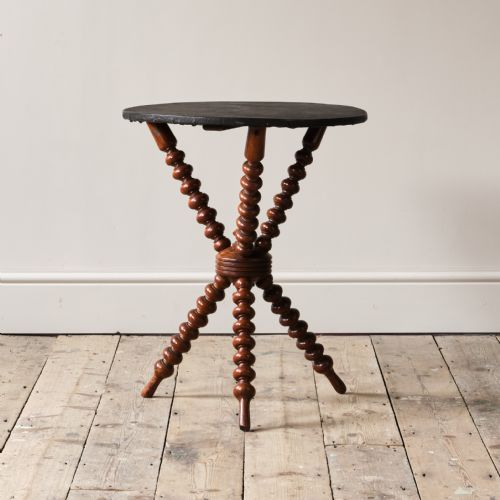
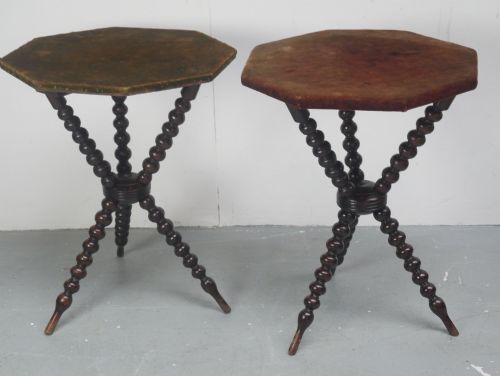
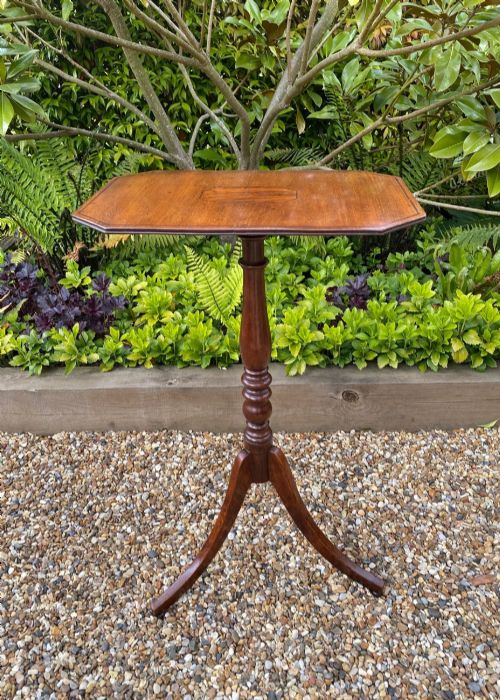
Many items feature circular timber tops, while others showcase tilt mechanisms, birdcage supports, or octagonal shapes. These versatile stands fit easily beside armchairs or in narrow hallways where four-legged tables prove too bulky.
Materials and construction methods
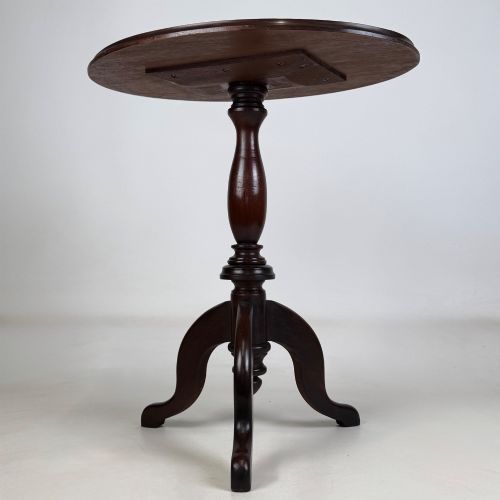
Cabinet makers utilised dense hardwoods such as mahogany, oak, and yew for these stands, turning the central pillars and legs on a lathe to create balanced, symmetrical profiles. Table tops were frequently fashioned from solid timber planks or occasionally mahogany veneers laid over secondary woods.
Construction relies heavily on traditional joinery, including pegged tenons and dovetails, while tilt-top examples often incorporate clever brass catches and wooden birdcage blocks beneath the surface to allow the top to fold flat when not in use.
Turned Wood Tripod Stand Retail Price Guide 2026
Typical asking prices for turned wood tripod stand among the pieces listed under this phrase on Sellingantiques today, from the lower quarter to the upper quarter. They describe what is for sale here now, not the wider market.
Assessing quality in turned pieces
Quality reveals itself in the crispness of the wood turning on the central column and the stability of the three-way leg joint beneath. Finer examples maintain an absolute balance across the tripod base without wobble, showing careful proportion between the spread of the feet and the height of the shaft.
The selection of timber grain heavily dictates the tier of the piece, with rich flame mahogany or figured yew commanding greater attention than plain utility timbers. Subtle details like hand-carving on the knees or finely turned baluster stems separate standard workshop production from superior cabinet work.
The Turned Wood Tripod Stand Glossary
- Tilt-top
- A table mechanism featuring a hinged block that allows the horizontal surface to fold vertically against the pillar for easy storage. This clever design saved valuable floor space in historic rooms.
- Birdcage
- A small wooden framework beneath the table top that permits the surface to both tilt and rotate independently. It consists of small turned spindles resembling a cage.
- Tripod
- A three-legged support structure designed to stand firmly on uneven historical floors without rocking. The three legs spread outwards from a central column.
- Treen
- Small handmade wooden objects produced by turning or carving domestic items. These utilitarian pieces often display rich patination from daily handling.
- Wine table
- A small occasional table traditionally height-designed or sized for holding a single decanter and glasses. They frequently feature raised edges or dished tops to prevent items from sliding.
Turned Wood Tripod Stand: Frequently Asked Questions
What is a turned wood tripod stand used for?
These small stands function mainly as side tables, lamp holders, or display surfaces for decorative objects in sitting rooms. Their compact footprint allows them to sit neatly beside seating or in neglected corners.
Historically, specific variations held candles, drinking vessels, or washbowls depending on their height and top configuration.
How do I identify a Georgian tripod table?
Georgian examples typically exhibit rich mahogany or oak timbers, slender hand-turned baluster columns, and finely proportioned pad or snake feet. Many feature tilt-top mechanisms or birdcage supports beneath the surface.
Construction details on older pieces include pegged joints, hand-cut dovetails, and deep natural patination built up through centuries of waxing.
What is the difference between a candlestand and a wine table?
Candlestands generally feature narrower tops specifically proportioned to elevate a single light source or small decorative object. Wine tables often provide slightly broader surfaces designed to accommodate glasses and bottles.
Both types share the characteristic three-legged pedestal construction that defines this category of small antique furniture.