

Turned Wood Spindle Chair
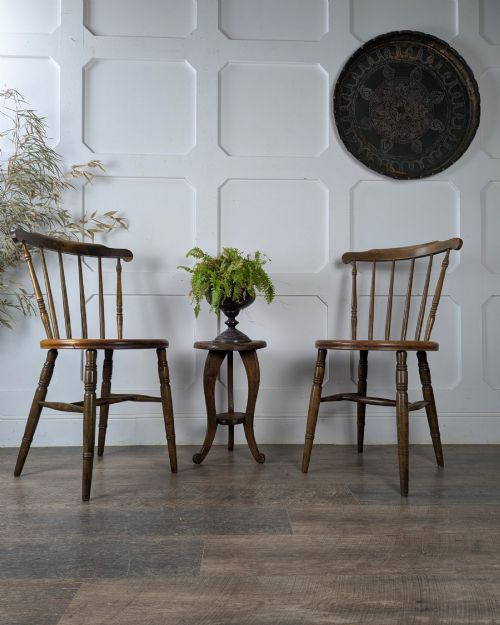
When you search for a turned wood spindle chair, you are looking at practical English country seating built for endurance.
Turned Wood Spindle Chair
A turned wood spindle chair combines structural utility with lathe-turned components, forming the backbone of traditional English country seating. These pieces emerge predominantly from the nineteenth century, encompassing Victorian, Edwardian, and Regency periods alongside earlier Georgian examples.
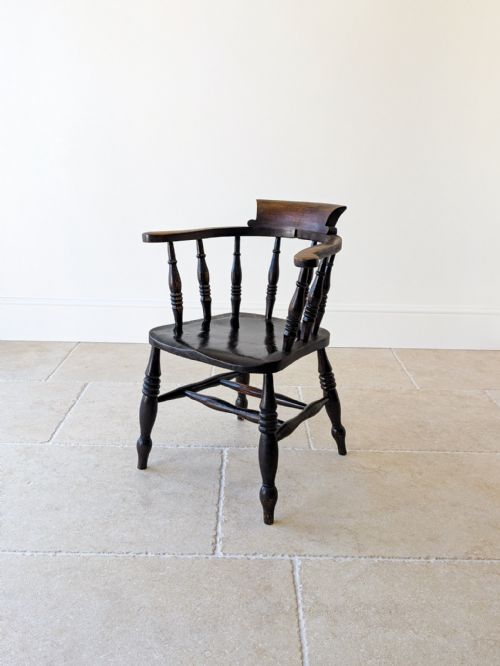
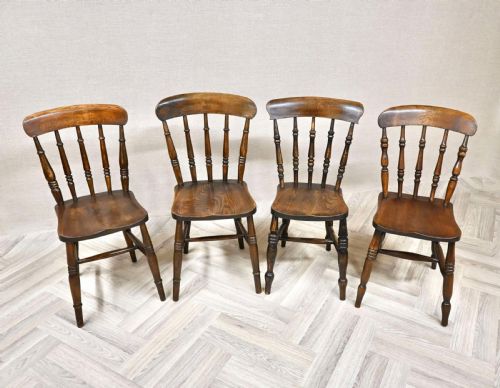
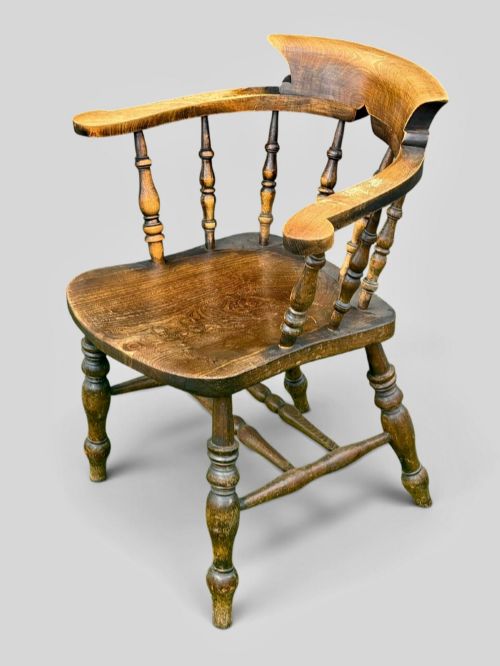
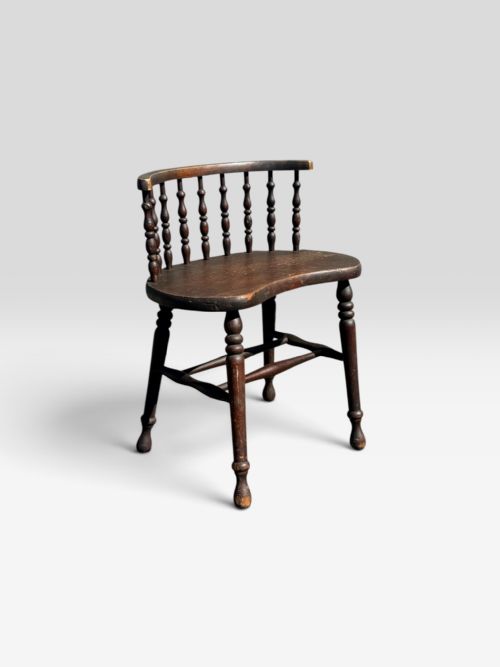
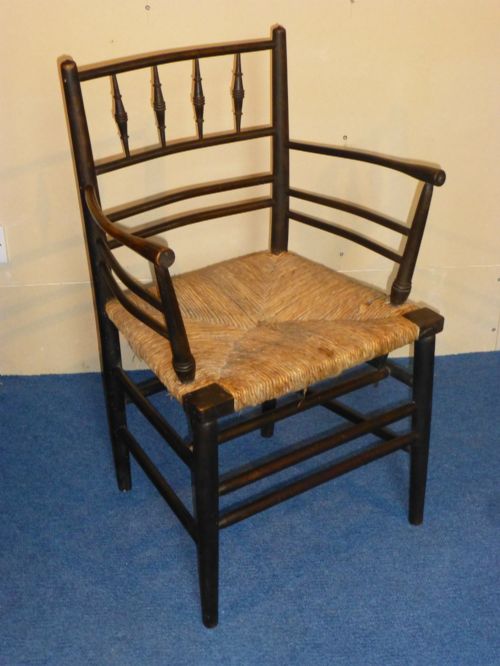
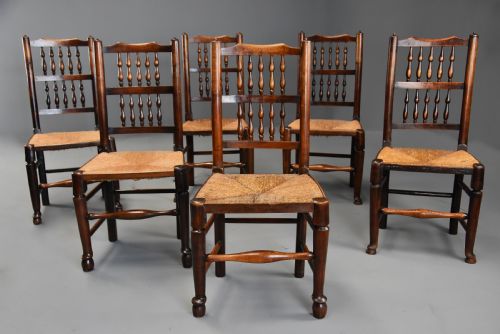
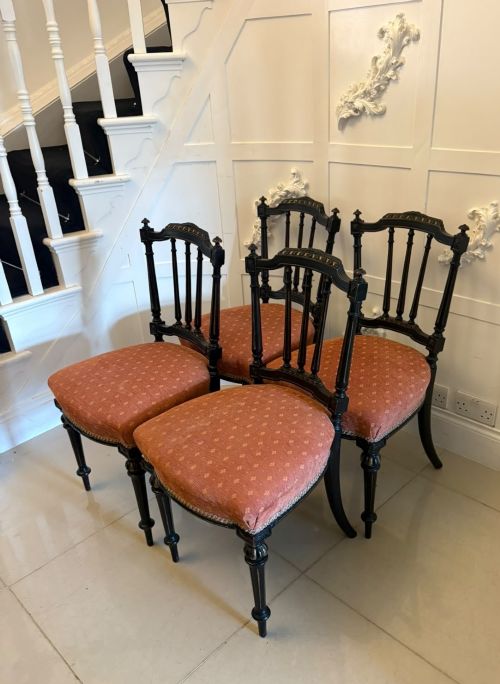
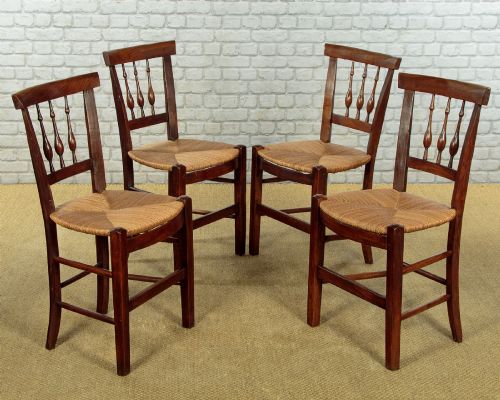
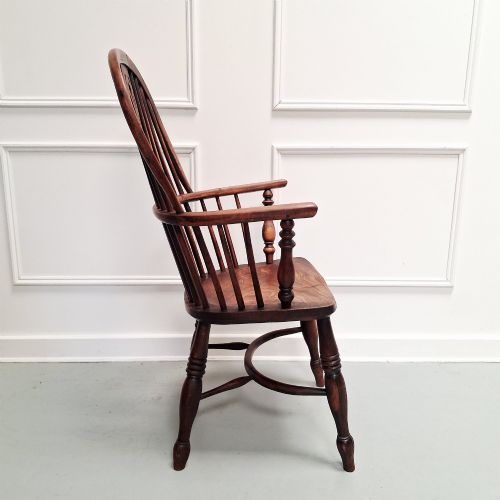
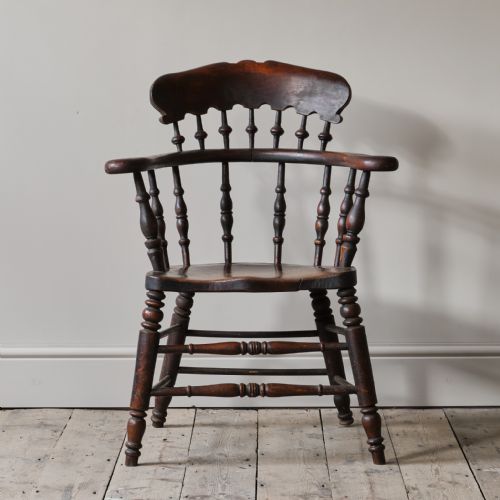
The common iterations meeting you on this page include Windsor armchairs, smokers' bows, and rush-seated dining chairs. Makers utilised vernacular forms like the captain's chair or the Sussex fireside armchair, shaping everyday furniture for kitchens and studies alike.
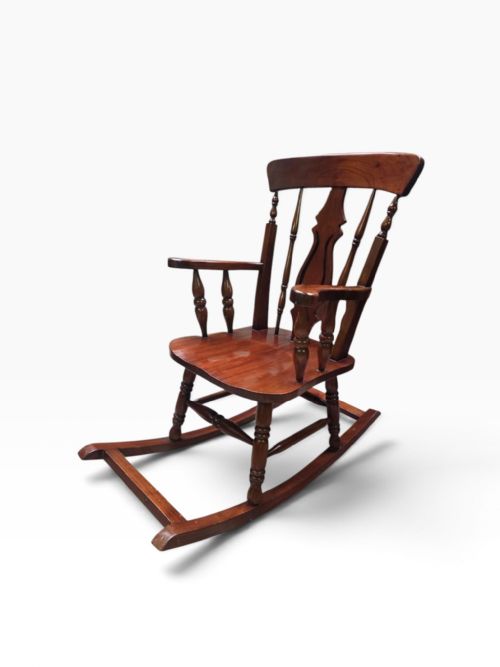
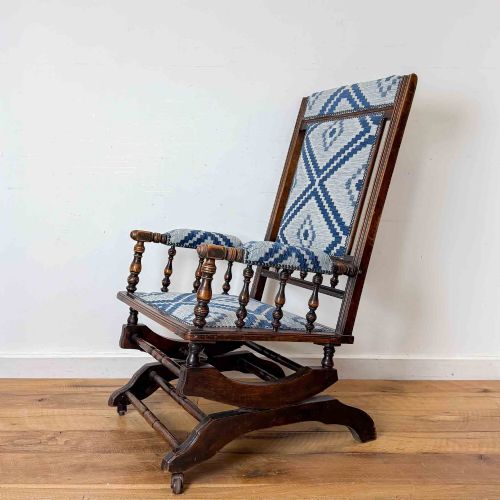
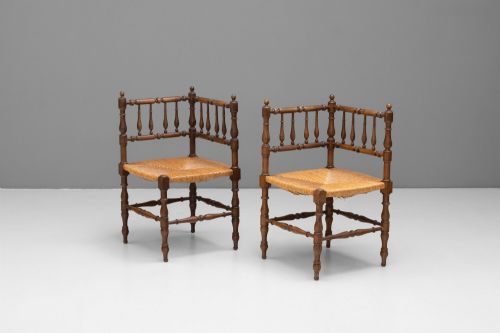
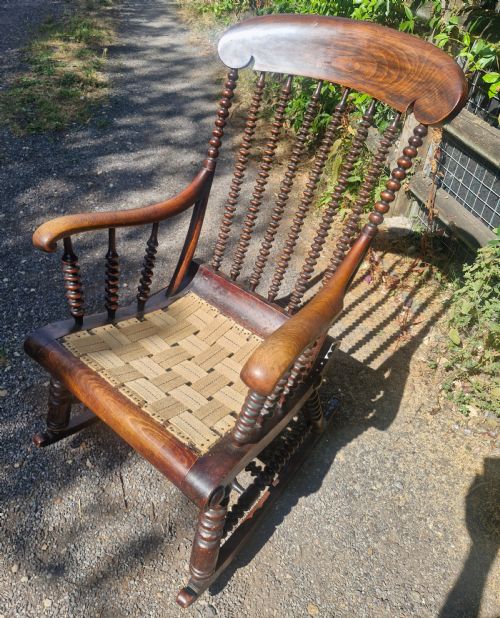
Regional variations span from Lancashire and Cheshire workshops to broader English farmhouse production. You encounter specific configurations such as rocking chairs, corner chairs, and children's seating, each relying on turned spindles for structural rigidity and visual rhythm.
How they were made
Craftsmen built these chairs by combining native timbers, pairing durable hardwoods for frames with responsive woods for seats. Elm serves commonly for the sculpted saddle seats, whilst ash, beech, and oak provide the strength required for turned legs, bows, and spindles.
Lathe-turning shaped the vertical spindles, legs, and stretchers, creating uniform cylindrical components through manual rotation. Joinery relied on traditional methods, slotting turned tenons directly into bored mortises within the solid timber seats and rails.
The inventory records vernacular forms from Windsor armchairs to ebonised Sussex fireside seats and daybeds.
What varies in quality
The distinction between ordinary and superior examples rests upon the selection of timber and the harmony of the turning. Master chairmakers chose characterful grained elm for seats and straight-grained ash for spindles, ensuring both resilience and visual depth.
Refinement in the lathe work separates workshop production from standard output, where crisp mouldings and balanced proportions elevate the piece. The retention of original surface patination, unmarred by heavy restoration, defines the desirability of surviving vernacular seating.
Morris & Co·Philip Webb·E W Godwin·Liberty & Co·J Spencer·Codina
The Turned Wood Spindle Chair Glossary
- Spindle
- A slender, turned wooden rod used vertically to form the backrest or support the arms of a chair. These elements provide both flexible back support and structural bracing.
- Windsor
- A traditional chair construction method where legs and back spindles are tenoned directly into a solid wooden seat rather than a frame. This design distributes weight efficiently across the solid elm base.
- Rush
- Dried marsh grass twisted into cords and hand-woven to form durable, textured seating pads. It appears frequently on vernacular dining and fireside chairs.
- Smoker's Bow
- A low-backed Windsor armchair featuring a continuous curved armrail supported by turned spindles above a saddle seat. This robust form gained popularity in domestic and tavern settings during the nineteenth century.
- Crindoline Stretcher
- A hooped or curved horizontal stretcher connecting the legs of a Windsor chair to provide extra rigidity. It resembles the stiffened petticoats worn during the eighteenth and nineteenth centuries.
Turned Wood Spindle Chair: Frequently Asked Questions
What is a turned wood spindle chair?
A turned wood spindle chair is a traditional seating form constructed with cylindrical wooden rods shaped on a lathe. These chairs rely on interlocking turned components to create strong, lightweight frames suited for everyday domestic use.
Most surviving examples date from the nineteenth century, utilising native timbers like elm, ash, and beech. Their design prioritizes functional durability over ornamentation, making them staples of English country interiors.
How do I date a spindle chair?
Dating a spindle chair requires examining the timber species, tool marks left by lathes, and the overall construction style. Earlier pieces from the eighteenth and early nineteenth centuries often display hand-turned irregularities and wider saddle seats.
Later Victorian and Edwardian examples typically show more uniform machine turning and standardised joinery. Comparing the turning profile against documented regional types helps narrow down the period of manufacture.
Are rush seats original to these chairs?
Rush seats are period-appropriate for many country spindle chairs, particularly vernacular dining and fireside models. Craftsmen wove dried marsh grass directly over wooden frame rails to create resilient, flexible seating.
Because rush is a natural fibre subject to wear, many surviving chairs have undergone re-seating over time. Inspecting the surrounding frame helps determine if the seating method aligns with the chair's age.
How do I live with a country chair?
Living with a country chair involves placing it away from direct heat sources and rapid temperature shifts that dry out old timber. Normal household humidity helps preserve the natural moisture within nineteenth-century elm and ash.
Routine maintenance requires only gentle dusting and occasional waxing to protect the surface patina. These sturdy seats function well as desk chairs, kitchen seating, or decorative accents in modern rooms.