


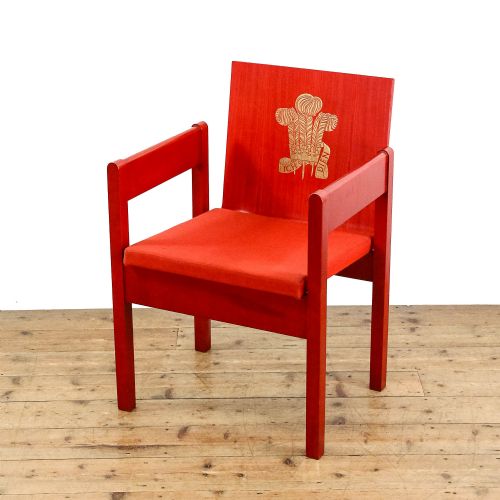
Red Painted Wooden Chair
A red painted wooden chair brings immediate character to a room, offering striking colour alongside traditional craftsmanship.
Red Painted Wooden Chair
A red painted wooden chair encompasses diverse historical forms, from domestic seating like rocking chairs and high chairs to grand thrones. Buyers exploring this category encounter pieces spanning multiple centuries and cultural traditions.
The selection ranges from vernacular Swedish country folk art and American primitive seating to formal Georgian neoclassical and Victorian designs. This variety means every piece tells a distinct story of its origin and period.
Armchairs and accent chairs dominate the available forms, often featuring painted finishes that highlight the underlying timber. These functional objects serve as practical seating and bold decorative focal points.
How they were made
Construction relies primarily on sturdy timbers such as elm, beech, and general wood, shaped into traditional frames like hoop-back stick chairs and Windsor structures. Craftsmen utilised these durable materials to ensure long-term stability and daily utility.
Surfaces receive decorative treatment through paint, lacquer, and textile applications. Artisans applied these finishes to protect the wood while introducing vibrant red hues suited to both folk and formal interiors.
Red Painted Wooden Chair Retail Price Guide 2026
Typical asking prices for red painted wooden chair among the pieces listed under this phrase on Sellingantiques today, from the lower quarter to the upper quarter. They describe what is for sale here now, not the wider market.
One chair even attended a royal investiture in 1969.
What varies in quality
Quality depends upon the harmony between the original timber construction and the execution of the painted surface. Superior examples display authentic integration of the pigment with the wood grain, reflecting skilled craftsmanship from periods like the Georgian era or the nineteenth century.
The sophistication of the style dictates the character of each piece, ranging from the rustic charm of European folk art to the refined details of Renaissance Revival and Sheraton designs. Better examples maintain their structural integrity alongside well-preserved surface decoration.
White, Allom & Co.
The Red Painted Wooden Chair Glossary
- Windsor chair
- A traditional seating form characterised by a solid wooden seat into which the back and legs are directly wedged. This sturdy construction method became a staple of British and American rural furniture.
- High chair
- A raised child's seat designed for domestic use at a table. These pieces often feature protective rails and footrests for safety.
- Rocking chair
- A seating type mounted on curved wooden rockers that permit smooth back-and-forth movement. This form is common in vernacular and primitive furniture traditions.
- Stick chair
- A simplified form of seating where turned legs and back spindles are fitted into a plank seat. This construction underpins many traditional regional designs.
- Lacquer
- A durable resin-based coating applied to wooden surfaces to provide a glossy, protective finish. Artisans utilised this technique on decorative Asian and European furniture.
Red Painted Wooden Chair: Frequently Asked Questions
What periods do these red painted wooden chairs come from?
The pieces span several centuries, including Georgian, Victorian, Edwardian, and Regency eras. Additional examples date from the nineteenth century through to the mid-twentieth century.
This broad chronological range incorporates diverse regional traditions, from Swedish country folk art to American primitive and traditional Chinese styles.
What materials are used in these chairs?
Construction primarily involves woods such as elm and beech, finished with paint or lacquer. Some examples incorporate added textiles and fabric for upholstery.
The combination of timber frames and coloured surface treatments creates the distinctive appearance shared across the category.
How can I live with a painted wooden chair?
These chairs function well as accent seating in living spaces, bedrooms, or hallways. Their vibrant red finish allows them to stand out against neutral backgrounds or complement eclectic interiors.
Placing them away from direct heat sources helps preserve the painted surface and underlying wood over time.