



Turned Wood Plate Stand
A turned wood plate stand brings warmth and function to the table or hearth.
Turned Wood Plate Stand
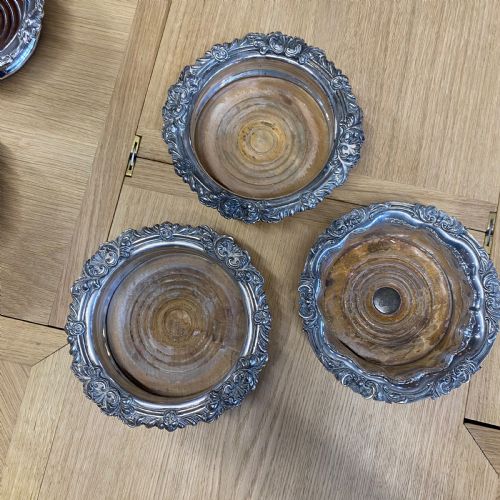
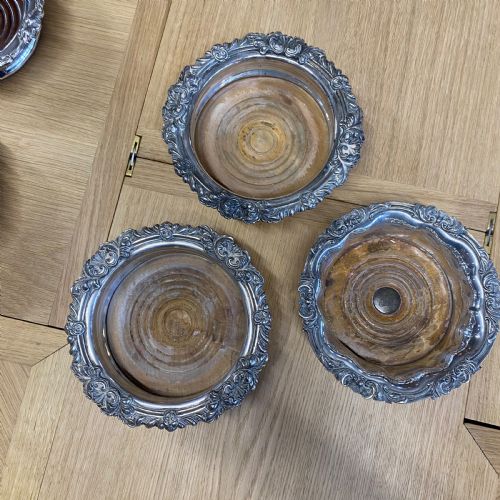
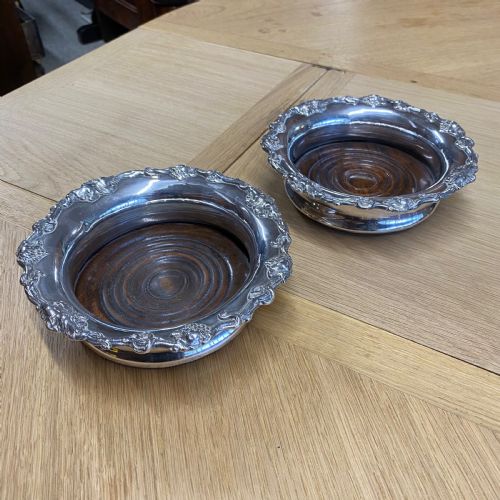
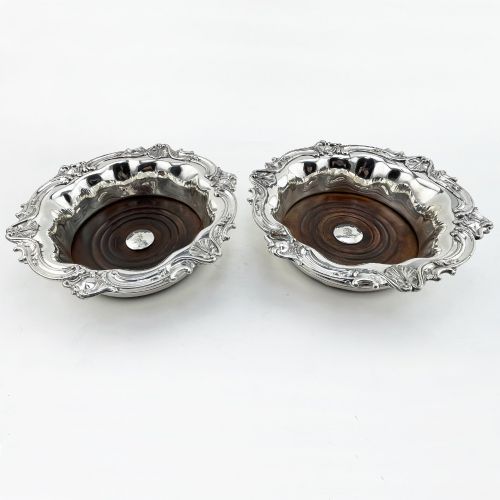
A turned wood plate stand supports tableware, bowls, or plates raised off the surface. When you search for turned wood plate stand, you encounter pieces from the eighteenth and nineteenth centuries, including Georgian and Victorian examples.
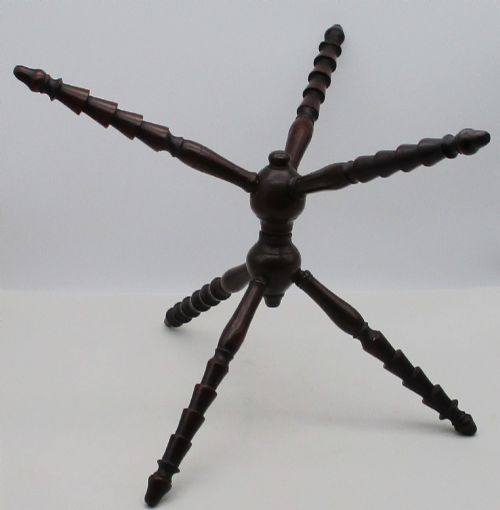
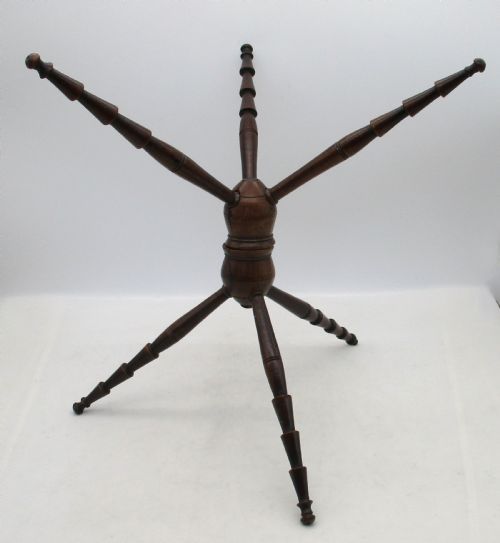
These items take various forms, such as treen bowl stands, rotating fire cats, and cake or cheese stands. The turned wood construction reveals the skill of makers working in mahogany, hardwood, and fruitwood.
Examples from Welsh vernacular traditions sit alongside items from the Georgian and Victorian eras. Each piece serves a domestic function, holding dishes or warming plates near the hearth.
How they were made
Turning wood on a lathe creates the circular profiles and stems seen in these stands. Makers used hardwoods such as mahogany and fruitwood to ensure stability and durability.
Joinery and turning techniques combine to form tiered structures or rotating mechanisms. The choice of timber reflects regional availability and the specific domestic purpose of each stand.
Turned Wood Plate Stand Retail Price Guide 2026
Typical asking prices for turned wood plate stand among the pieces listed under this phrase on Sellingantiques today, from the lower quarter to the upper quarter. They describe what is for sale here now, not the wider market.
Some nineteenth century stands spun by the fire so dinner remained warm without burning.
What varies in quality
The refinement of the turning and the choice of timber determine the distinction between ordinary and superior pieces. Finer examples display balanced proportions, crisp mouldings, and well-chosen grain figures.
Age and original surface patination contribute significantly to the character of each stand. Wear patterns from domestic use tell a story of longevity and traditional craftsmanship.
Matthew Boulton
The Turned Wood Plate Stand Glossary
- Treen
- Small handmade wooden objects for domestic use. These items were turned or carved from various timbers.
- Turned wood
- Wood shaped on a lathe while rotating. This technique produces symmetrical columns, bowls, and stands.
- Fruitwood
- Timber from fruit-bearing trees such as pear or apple. Makers prized it for its dense grain and warm tone.
- Vernacular
- Everyday objects made by regional craftsmen rather than metropolitan workshops. These pieces often feature local materials and straightforward designs.
- Patina
- The surface sheen and colour developed through age and handling. A good patina indicates years of careful use.
Turned Wood Plate Stand: Frequently Asked Questions
What is a turned wood plate stand used for?
These stands elevate plates, bowls, or dishes above the table surface or hearth. They provided practical utility during meals and fireside gatherings.
Over time, their domestic role shifted from functional kitchenware to decorative display items that showcase historical woodworking.
How do I date a turned wood stand?
Dating relies on identifying the wood species, turning styles, and construction methods. Georgian and Victorian pieces exhibit distinct design proportions and tool marks.
Comparing the timber patination and joinery with known period examples helps narrow down the decade or century of manufacture.
How should I care for antique turned wood?
Keep wooden stands away from direct sunlight and extreme humidity changes to prevent timber splitting. Gentle dusting with a dry cloth maintains the surface.
Avoid using modern silicone polishes, as they can damage the historic wax and oil finishes built up over centuries.