



Folk Art Turned Treen
Folk art turned treen comprises domestic wooden objects shaped on the lathe by hands that valued utility alongside simple form.
Folk Art Turned Treen
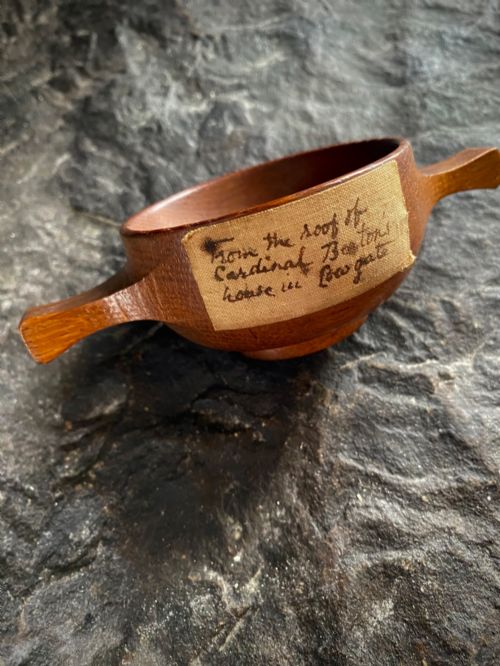
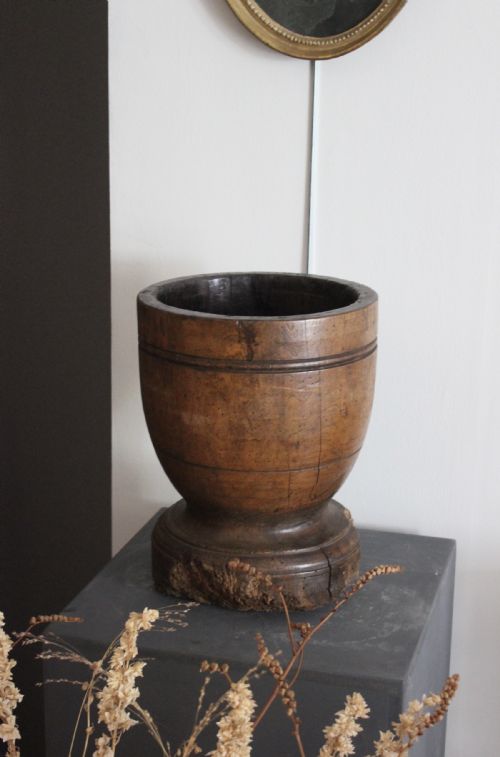
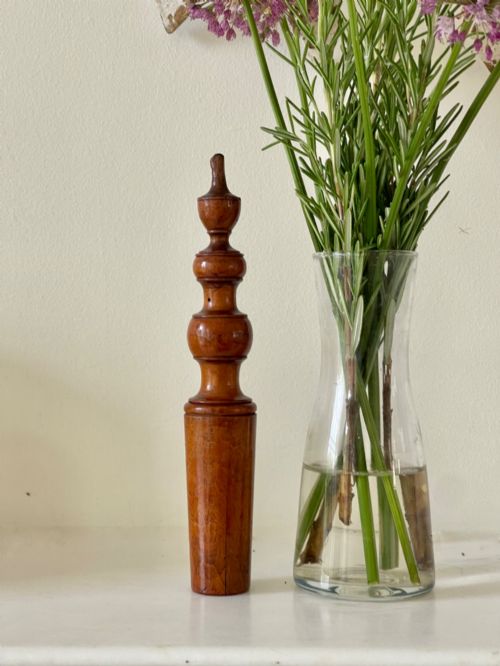
Folk art turned treen covers small domestic wooden objects and utilitarian items shaped on a lathe, ranging from dairy bowls and goblets to toys like rattles and ball-and-cup games. These pieces emerge from regional traditions across Britain, France, Scandinavia and Switzerland, reflecting local rural needs.
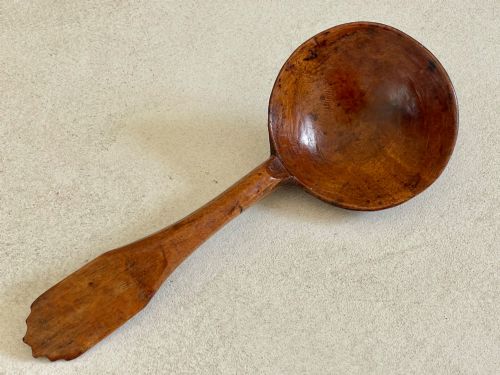
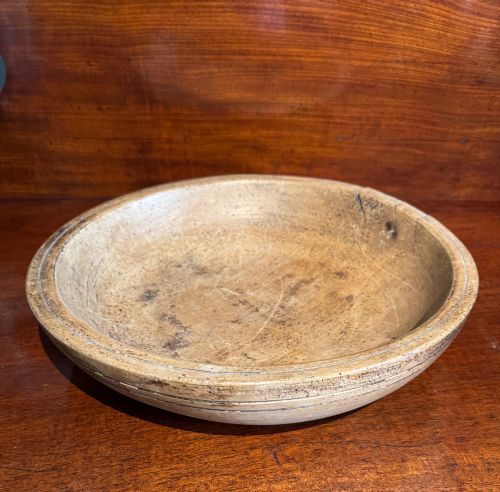
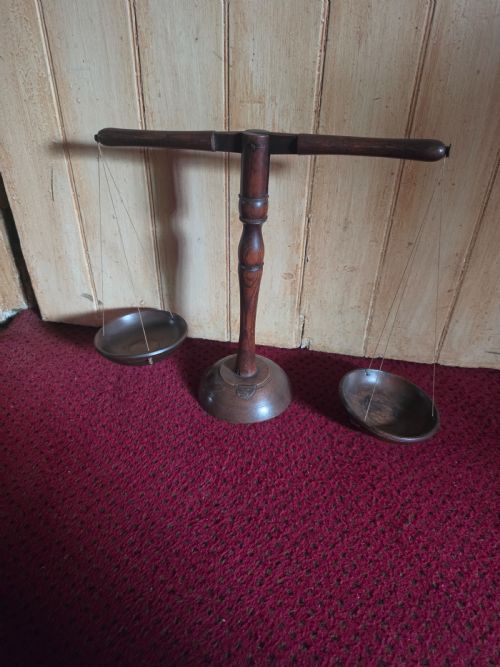
The objects on this page span the Georgian era through to the early twentieth century, taking the form of bowls, bowl stands, scales, mallets, nutcrackers and spoons. Sycamore, fruitwood and plum wood predominate among the hardwoods used to shape these functional items.
How folk art turned treen was made
Makers shaped these treen objects on a lathe using locally sourced hardwoods such as sycamore, fruitwood and burr birch. The turning process turned green or seasoned timber into symmetrical vessels, drinking vessels and handles with smooth curved profiles.
Makers occasionally incorporated cord or string for functional parts like children's toys, while others carved detailed elements like acorns or spoons by hand to complement the turned bodies.
Folk Art Turned Treen Retail Price Guide 2026
Typical asking prices for folk art turned treen among the pieces listed under this phrase on Sellingantiques today, from the lower quarter to the upper quarter. They describe what is for sale here now, not the wider market.
What varies in quality in folk art turned treen
Quality rests in the balance of the turning and the choice of timber, such as an unusual plum wood goblet or a solid burr birch mallet rather than standard domestic utility timber. The crispness of the turned profile and the grace of the proportions determine the success of each piece.
Patination earned through generations of handling and domestic use elevates a piece, showing how well the wood has aged and kept its original surface character over the centuries.
The Folk Art Turned Treen Glossary
- Treen
- Small handmade wooden domestic objects. The word derives from the old English word for tree.
- Turned wood
- Material shaped on a lathe while rotating against cutting tools. This method creates symmetrical circular forms like bowls and goblets.
- Fruitwood
- Timber sourced from fruit-bearing trees such as apple, pear or plum. Makers prized these dense woods for fine detail work.
- Sycamore
- A light-coloured hardwood commonly used for dairy bowls and kitchen items. Its clean grain resists absorbing strong flavours.
- Vernacular
- Objects designed for local everyday use rather than high artistic convention. These pieces reflect regional materials and domestic traditions.
Folk Art Turned Treen: Frequently Asked Questions
What is folk art turned treen?
Folk art turned treen consists of utilitarian wooden items shaped on a lathe by regional makers. These objects include domestic bowls, spoons, games and drinking vessels made from native hardwoods.
The items bridge the gap between practical household tools and folk sculpture. Their appeal lies in the simplicity of their turned forms and the warmth of aged wood.
How were these treen items used?
People utilised these wooden objects for everyday domestic tasks, food preparation, weighing goods, and household leisure. Dairy bowls held milk and cream, while spoons served at the table or during christenings.
Toys like rattles and ball-and-cup games entertained children in rural homes. Mallets and scales served workshop and kitchen functions alike.
Which woods were used for treen?
Makers selected dense hardwoods that could withstand regular handling and moisture without splitting easily. Sycamore, fruitwood, plum wood and burr birch appear frequently across these pieces.
Regional availability determined the timber choice, leading to distinct local characteristics in British, French, Scandinavian and Swiss pieces.
How do you care for antique treen?
Antique treen requires stable environmental conditions away from direct heat sources and extreme humidity changes. Applying occasional neutral wax helps maintain the surface moisture of the dry hardwood.
Avoid washing old treen in water or placing it in dishwashers. Gentle dusting preserves the historic patina and surface character.