
Turned Walnut Chair
When you search for a turned walnut chair, you are looking at substantial seating built from figured timber with characteristic lathe-turned supports.
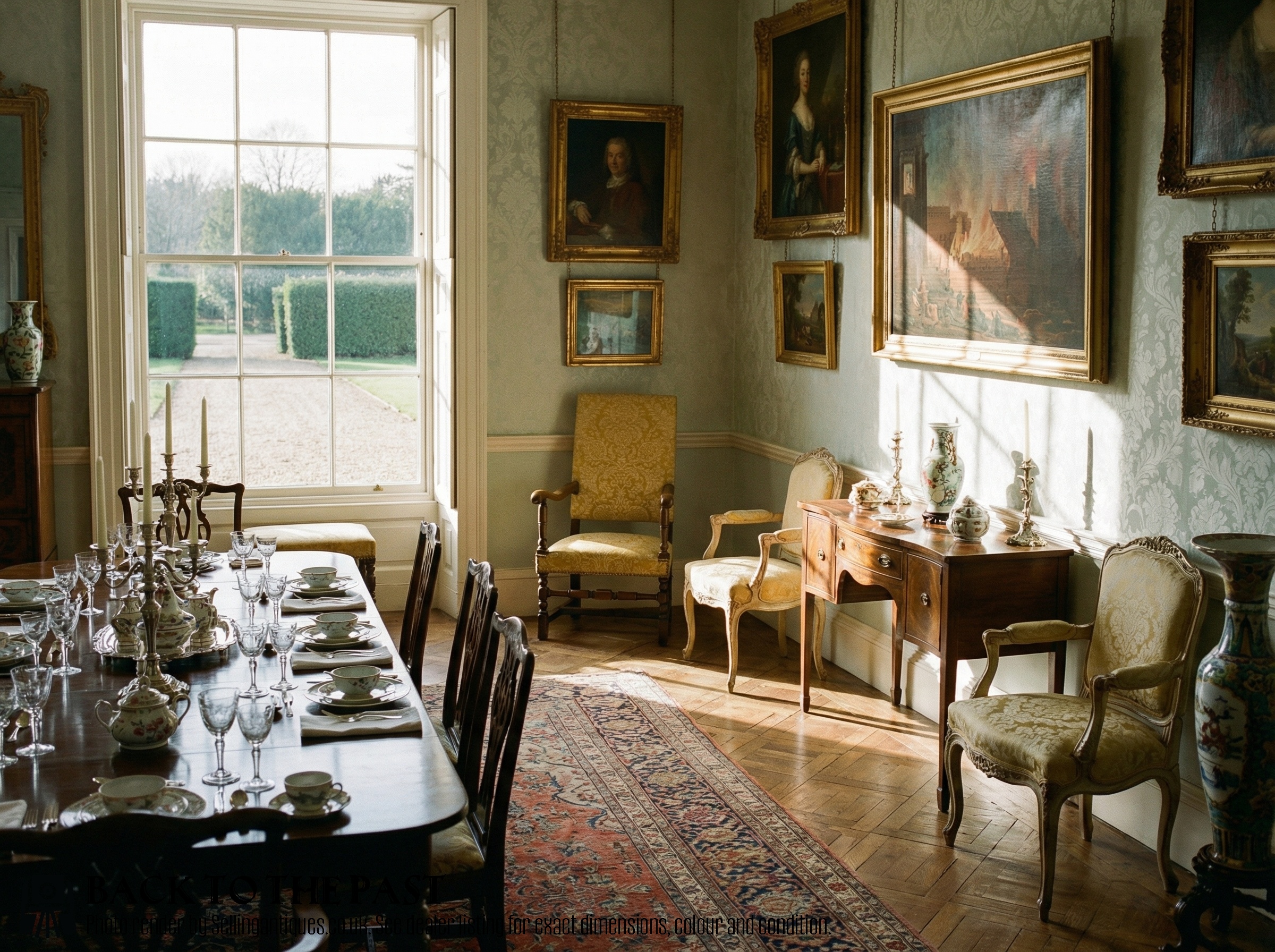
Turned Walnut Chair
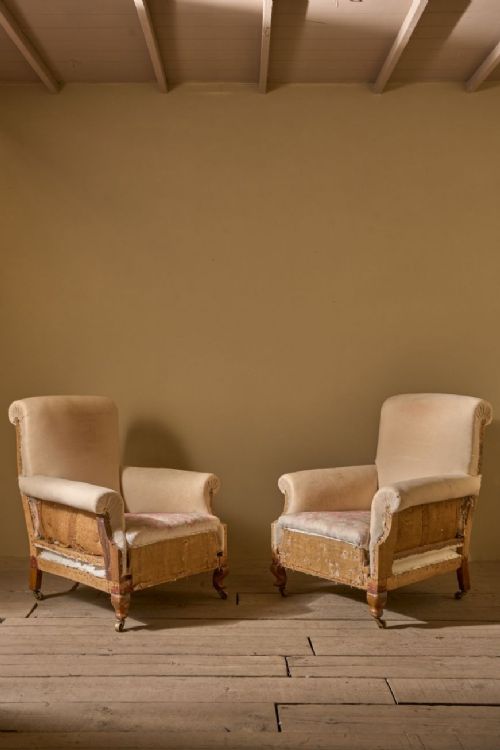
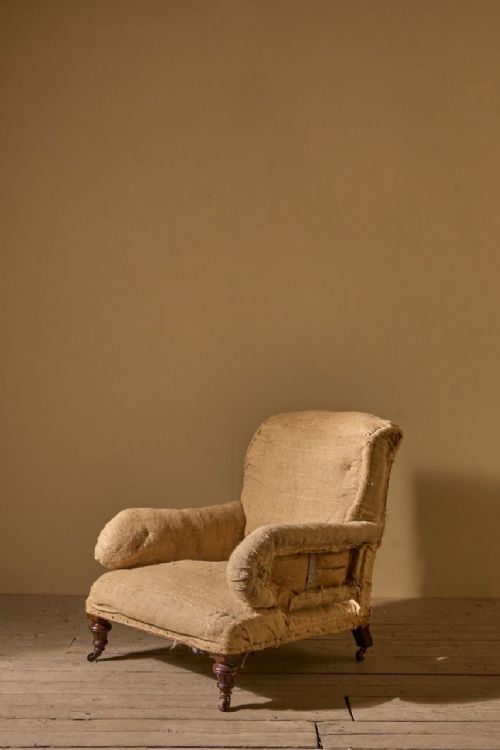
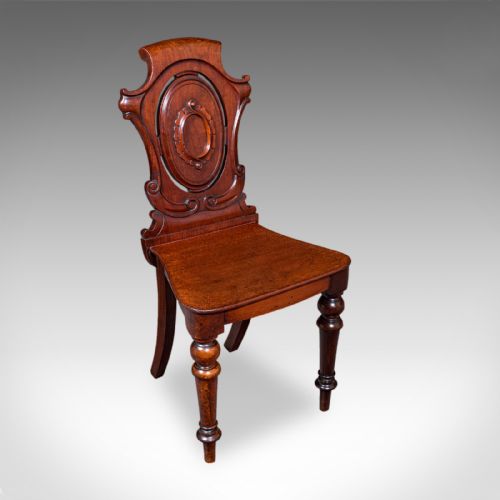
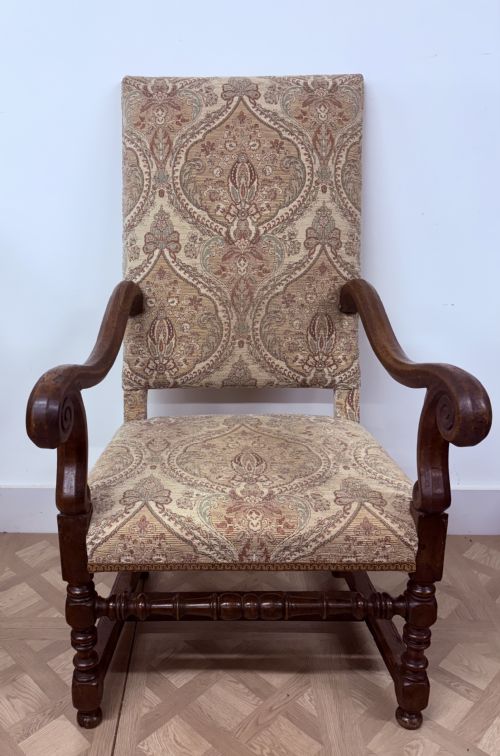
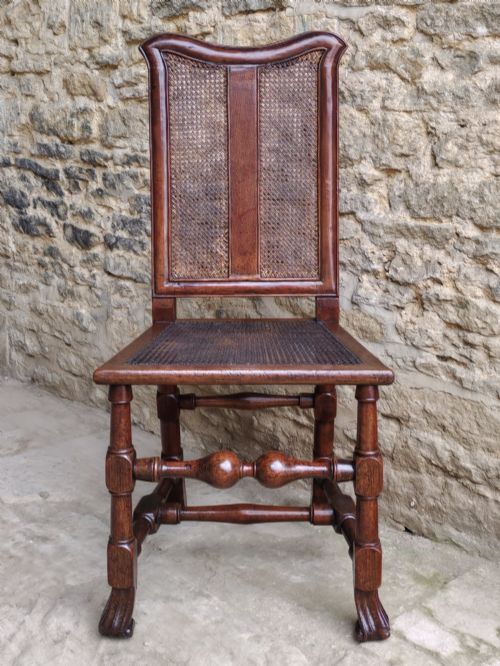
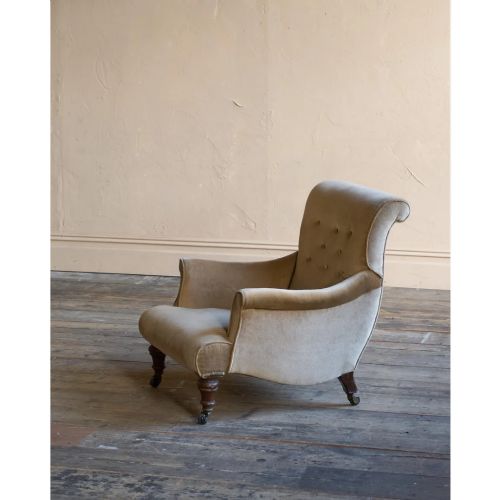
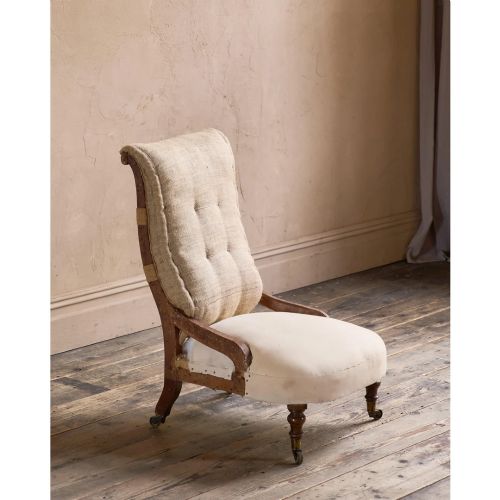
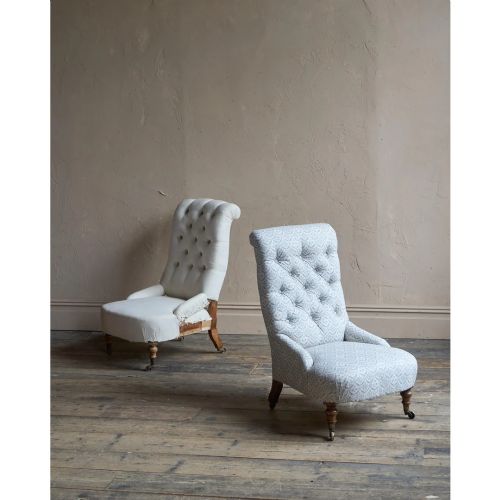
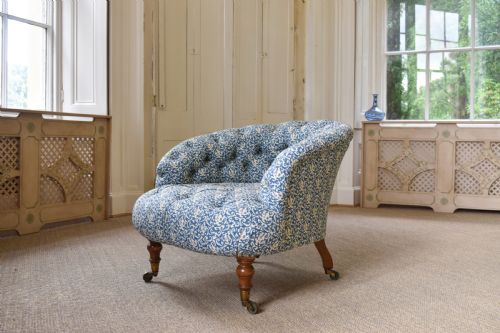
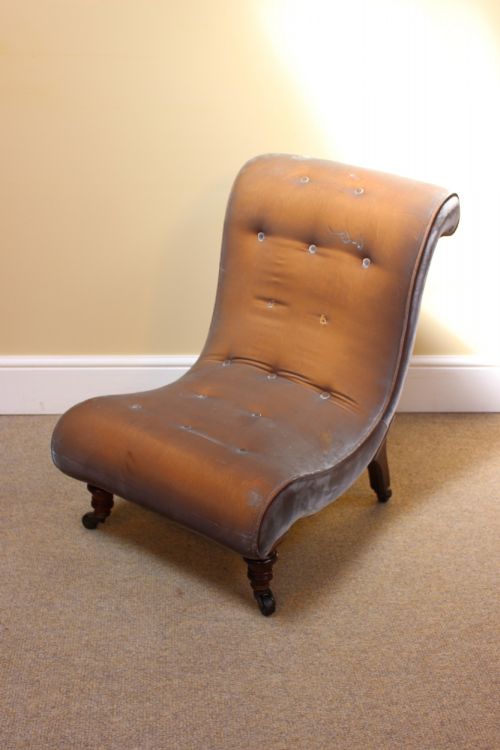
A turned walnut chair encompasses diverse forms ranging from seventeenth-century French armchairs and Carolean side chairs to Victorian library chairs, nursing chairs, and Edwardian dining sets. These pieces utilise sturdy walnut frames designed for functional daily use or formal reception rooms.
The most common examples encountered on this page date from the nineteenth century, including Victorian and Edwardian iterations alongside earlier revival styles. Buyers select these chairs for their robust wooden framing and historical presence within domestic interiors.
Construction and materials
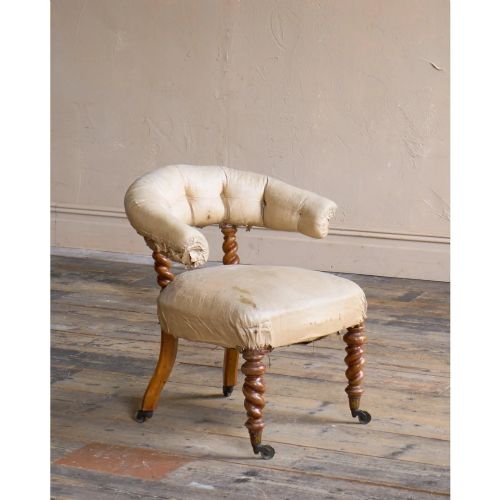
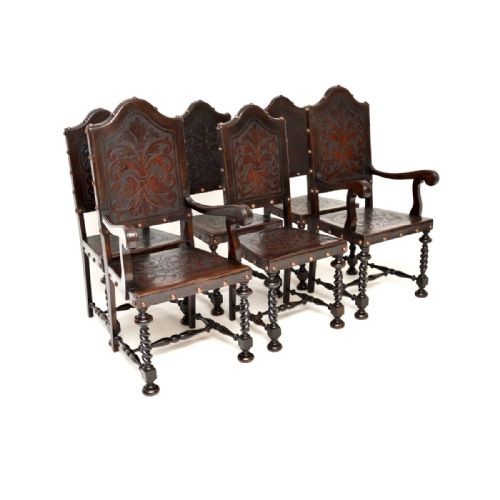
Makers shaped structural elements from dense walnut timber, turning wooden components on a lathe to create bobbin, spiral, or fluted legs and stretchers. Joinery relied on traditional mortise and tenon methods to secure the wooden framework.
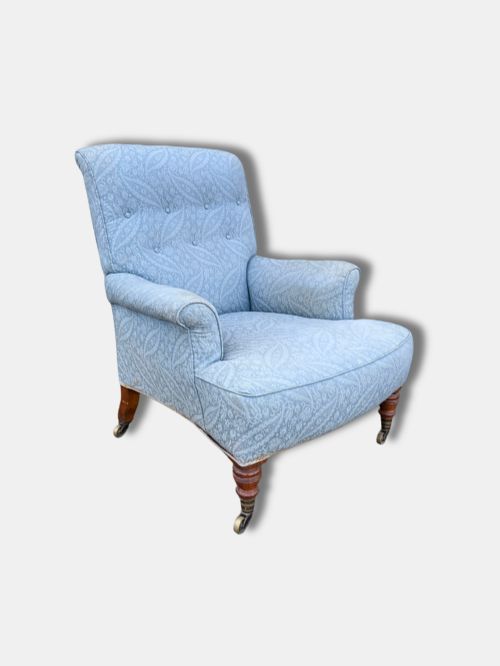
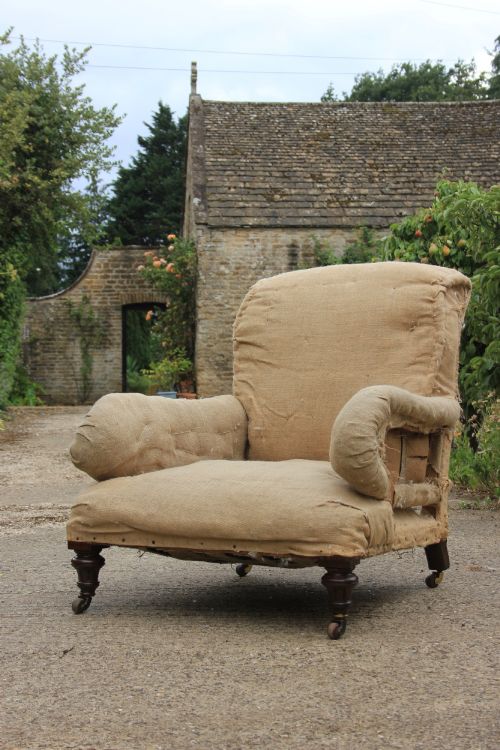
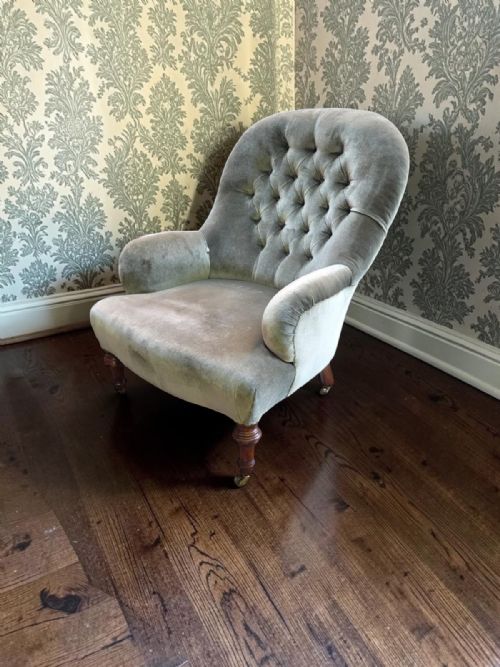
Upholstered versions incorporate internal stuffing covered in fabrics such as velvet, hessian, leather, or textile, occasionally complemented by brass detailing or embossed leather finishes.
Listings feature walnut, mahogany, brass, velvet, Hessian, and textile materials across Victorian, Edwardian, and seventeenth-century periods.
Judging the standard of execution
Quality rests upon the crispness of the lathe work and the selection of the walnut timber, where tighter grain patterns and deeper colouration elevate the piece. The integrity of the original wood framing and the harmony of proportion distinguish superior examples from simpler utilitarian seating.
In upholstered variants, the success of the execution depends on how well the textile or leather complements the turned wooden structure beneath. Pieces retaining their original decorative elements or maker signatures demonstrate a higher level of historical integrity.
Howard and Sons·SF Cullen·C Hindley and Sons·Gillows
The Turned Walnut Chair Glossary
- Turned
- Wood shaped by being rotated on a lathe to create cylindrical, bobbin, or spiral decorative members. This technique provides both structural support and visual rhythm to the legs and stretchers.
- Walnut
- A heavy, durable timber prized for its rich dark brown tones and varied grain. It served as a primary material for high-status seating across multiple centuries.
- Carolean
- A seventeenth-century style associated with the reign of Charles II, characterised by rich carving and scrolling woodwork. Later revival pieces often borrowed these ornate motifs.
- Bobbin
- A specific type of lathe turning that resembles a series of spool or reel shapes stacked end to end. It appears frequently on seventeenth-century and nineteenth-century revival seating.
- Chaise Longue
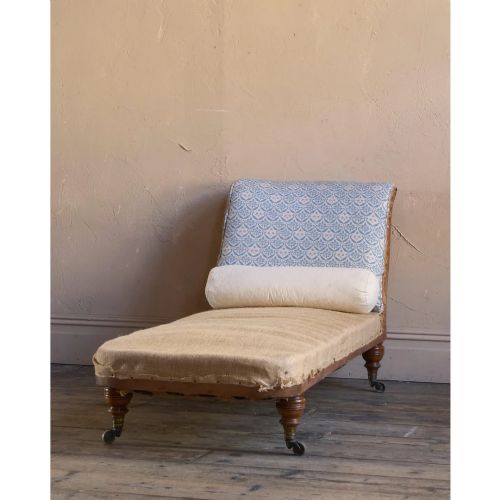
- An elongated upholstered seat designed for reclining, supported by timber legs. These forms combine extended seating surfaces with padded backrests.
Turned Walnut Chair: Frequently Asked Questions
How do I identify a turned walnut chair?
Look closely at the legs, stretchers, and arm supports for distinctive lathe-turned profiles such as bobbin or spiral shapes. The timber itself should exhibit the characteristic dark grain and weight associated with walnut.
Compare the overall proportions and joinery methods against standard period forms. The presence of traditional construction details helps confirm the age and origin of the seating.
Where should I place these chairs at home?
These chairs suit studies, living rooms, and bedrooms where their timber frames can complement existing wooden furniture. Armchairs and library chairs work well as reading seats, while side chairs fit neatly around dining tables.
Ensure the surrounding environment avoids excessive moisture or direct heat sources to protect the walnut timber and any upholstered textiles. Regular placement in well-utilised rooms lets the woodwork adapt naturally to indoor conditions.
Can I use a turned walnut chair daily?
Most of these chairs were built for active domestic service and remain structurally sound for regular sitting. Solid walnut framing provides the necessary strength for everyday use in modern interiors.
Upholstered components may require careful handling depending on the age of the fabric or internal padding. Gentle maintenance ensures the timber and coverings survive ongoing daily enjoyment.
What periods do these chairs represent?
The selection spans from the late seventeenth century through the Victorian and Edwardian eras. Earlier pieces reflect Baroque and Carolean tastes, while nineteenth-century items often showcase revival styles or Victorian comfort.
Manufacturing dates range across centuries of cabinet-making traditions, allowing buyers to select specific historical aesthetics. Each era brings distinct proportions and turning techniques to the wooden frames.