
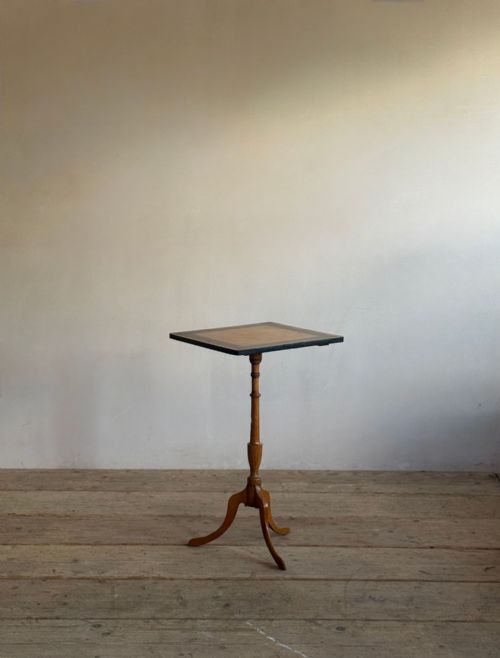
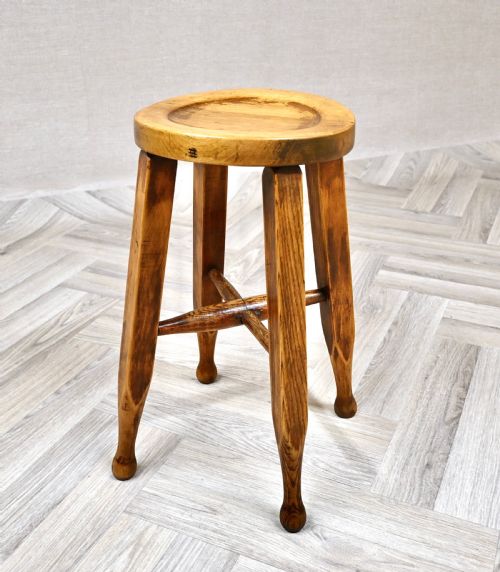
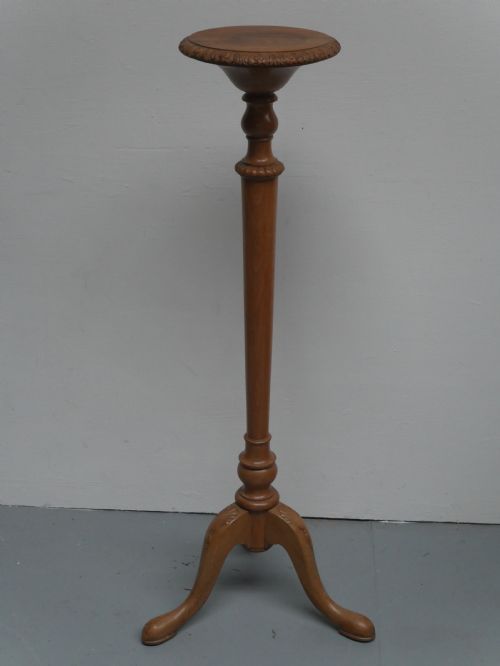

Turned Timber Stand
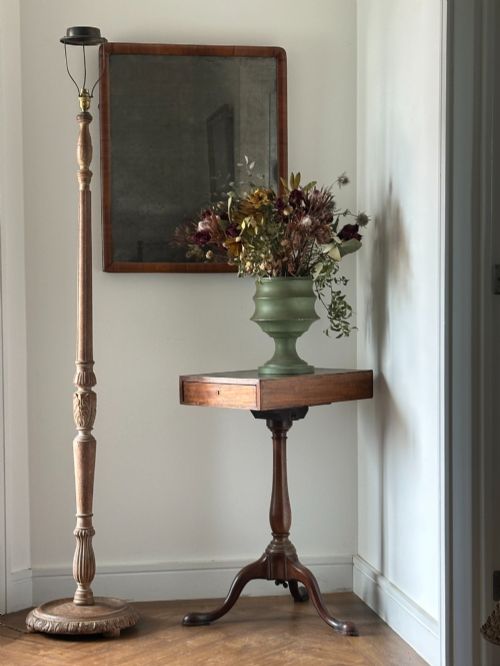
A turned timber stand brings vertical height and structural warmth to a room through solid lathe-formed wood.
Turned Timber Stand
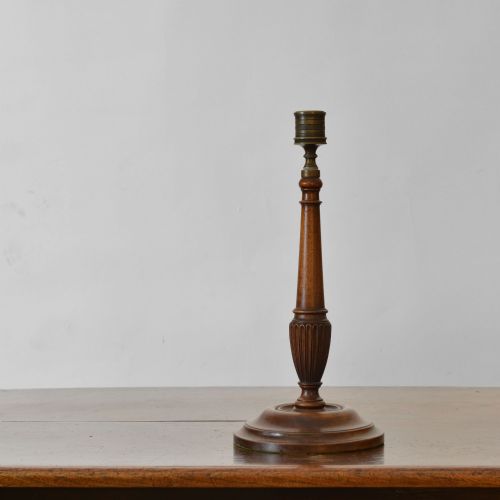
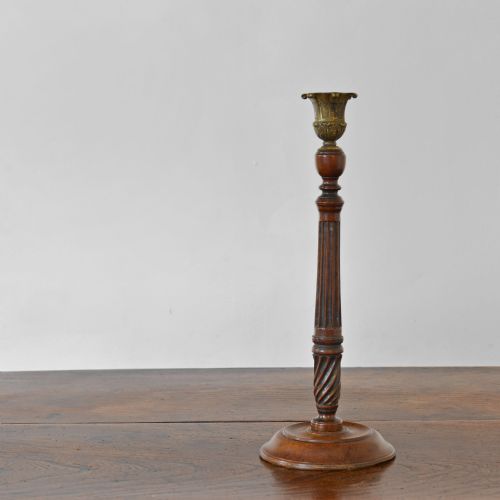
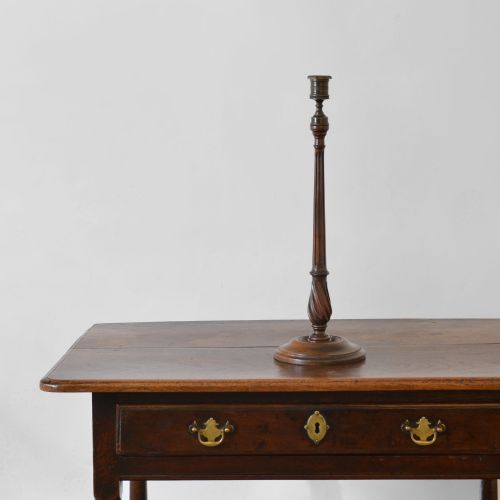
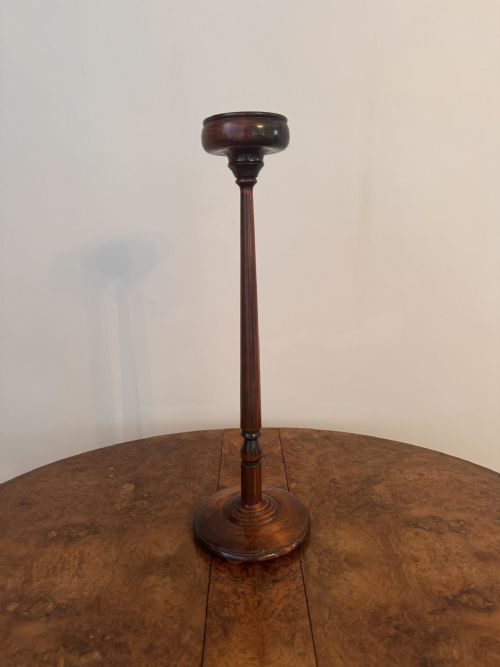
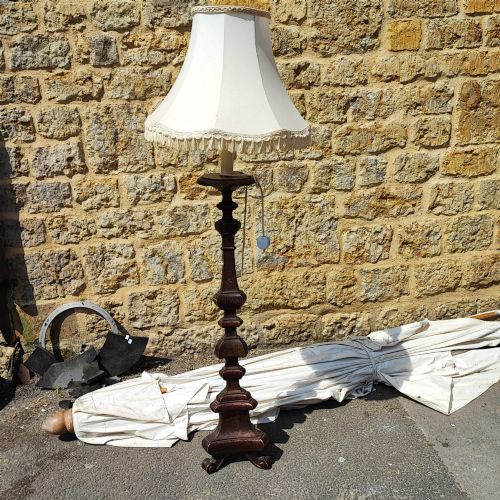
A turned timber stand encompasses a varied group of utilitarian and display objects shaped on a lathe, ranging from candlesticks and torcheres to plant stands and floor lamps. When searching this phrase, a buyer encounters forms designed to elevate items or illuminate interior spaces across the Georgian, Victorian, and Edwardian periods.
How they were made
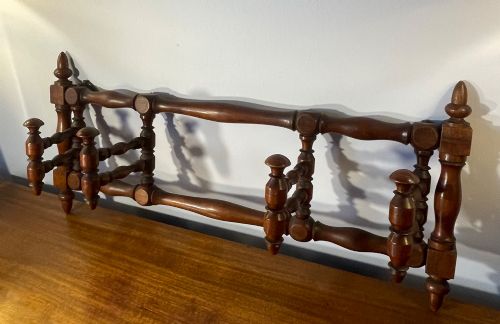
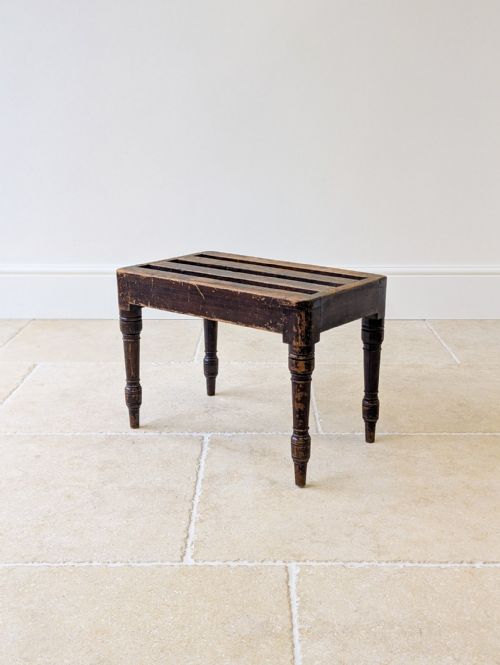
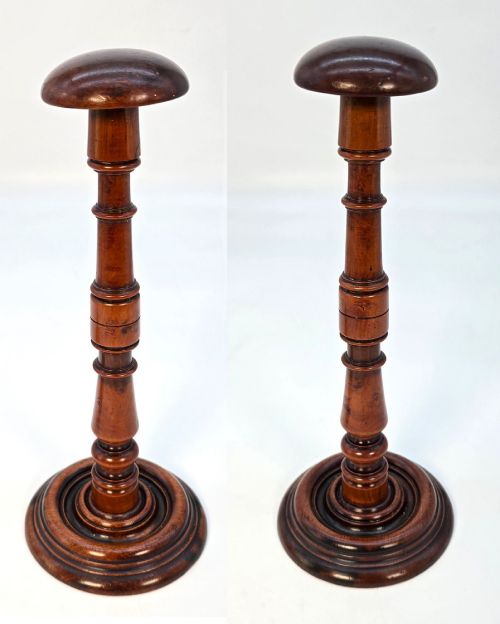
The construction of these stands relies heavily on lathe-turning timber such as mahogany, oak, walnut, beech, and sycamore. Craftsmen shaped the central columns into smooth cylindrical or columnar profiles, frequently incorporating brass components or fabric elements where utility required.
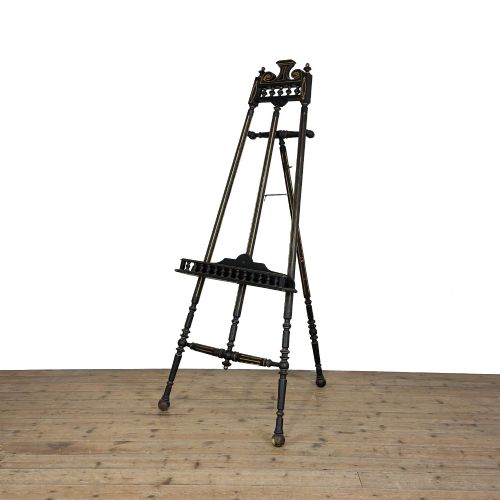
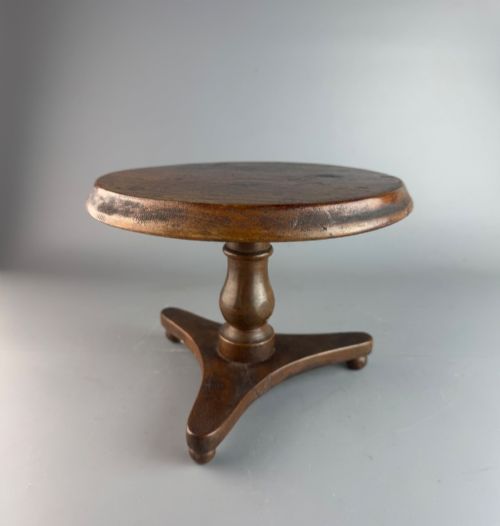
Many examples employ tripod base configurations, utilising three legs fitted to a central turned shaft to ensure stability for items like wine tables and torcheres. Surface finishes vary from ebonised treatments and penwork decoration to polished wood surfaces that display the natural grain of the hardwood.
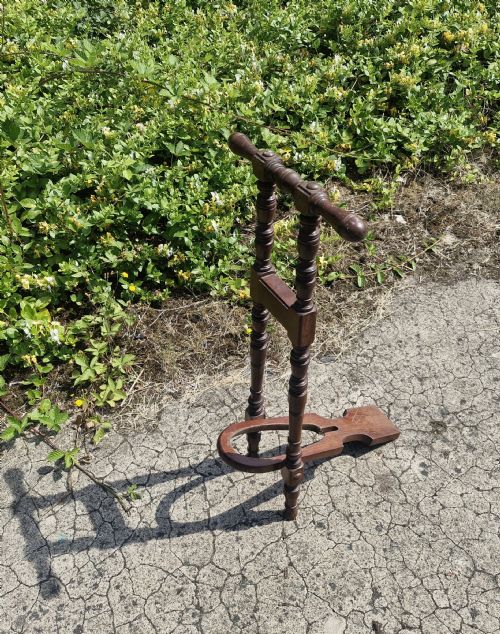
Object forms range from tall floor lamps and candlesticks to revolving bootstands, easels, and occasional tables.
What varies in quality
The quality of a turned timber stand rests in the precision and balance of the lathe work along the central column. Superior examples display crisp, well-proportioned turning lines and harmonious joints between the shaft and the base, whether configured as a tripod or a heavy pedestal.
Choice of material also distinguishes the range, with dense hardwoods like figured mahogany and walnut commanding greater interest than simpler utility timbers. The integrity of the timber seasoning and the subtlety of decorative details, such as carved accents or penwork, further separate standard items from finer works.
The Turned Timber Stand Glossary
- Torchere
- A tall ornamental stand designed to hold a light or a small decorative object. These slender wooden pillars often feature detailed turning and tripod bases.
- Treen
- Small handmade wooden household objects created by turning on a lathe. Collectors prize these tactile items for their age and smooth patination.
- Tripod
- A three-legged base structure common to small tables, candlesticks, and lamp stands. This configuration provides steady support on uneven historical flooring.
- Standard lamp
- A tall floor-standing lamp base designed to hold a shade and bulb. They frequently feature heavy turned wooden columns for stability.
Turned Timber Stand: Frequently Asked Questions
What is a turned timber stand?
A turned timber stand is a piece of furniture or decorative object shaped on a wood-turning lathe. These pieces include floor lamps, plant stands, candlesticks, and occasional tables.
They serve both functional and display purposes in interiors. The turned wooden construction provides vertical support and showcases traditional woodworking skills.
How do I date a wooden stand?
Dating these objects involves examining the timber species, the style of the turning, and the construction methods used on the base and joints. Georgian and Victorian pieces often display distinct turning profiles and cabinet-making techniques.
Secondary materials, such as brass fittings or applied decoration, also offer clues to the period. Comparing the form to dated examples helps narrow down the decade of manufacture.
Where should I place a floor lamp?
A turned timber floor lamp or standard lamp works well in corners or beside seating areas to provide ambient lighting. The vertical column adds height and visual interest to a room without occupying significant floor space.
Placing the stand away from direct heat sources protects the historical timber and finish. These lamps complement traditional, country house, and eclectic interior schemes.
What woods were used for stands?
Cabinet makers and turners utilised a wide range of hardwoods depending on the period and regional availability. Mahogany, oak, walnut, beech, and sycamore appear frequently across the collection.
Some pieces feature ebonised finishes or painted decorations applied over the base timber. The choice of wood generally reflects the prevailing fashion and the maker's workshop practices.