
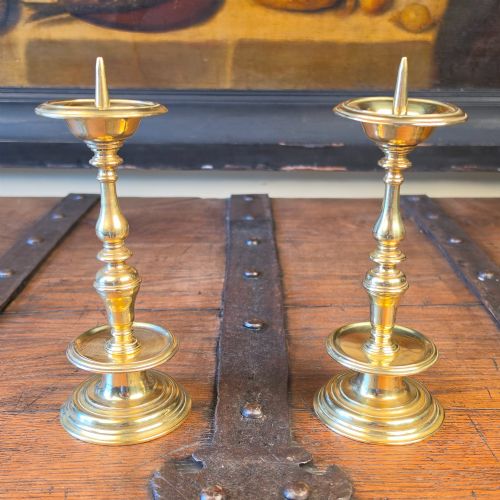
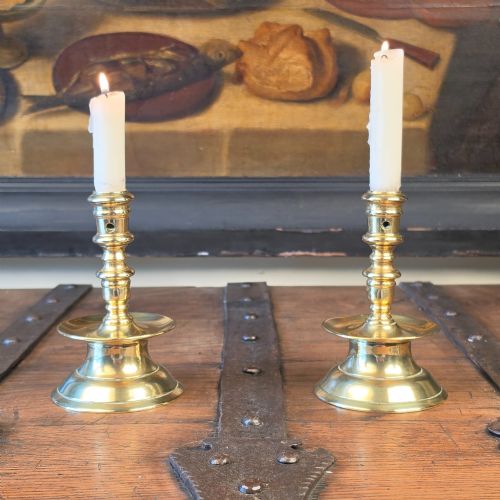
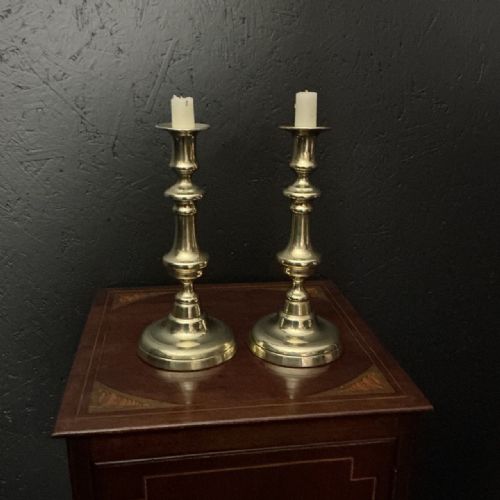
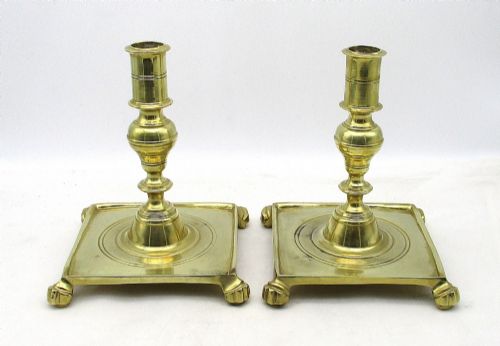


Turned Stem Candlesticks
Turned stem candlesticks bring genuine historic character to a room, offering warm metal or timber columns shaped with traditional lathe work.
Turned Stem Candlesticks
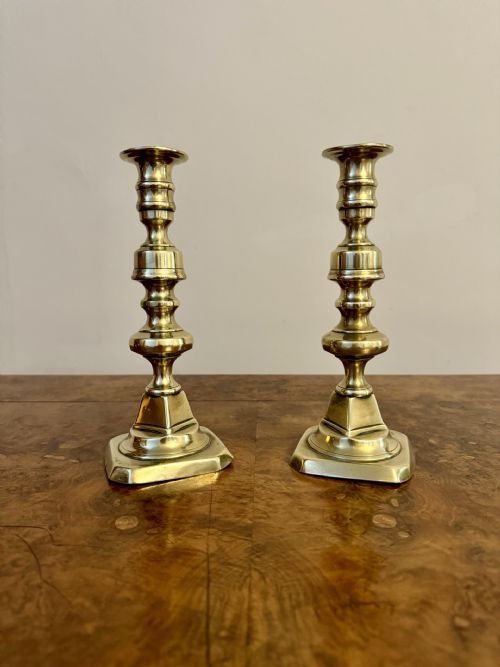
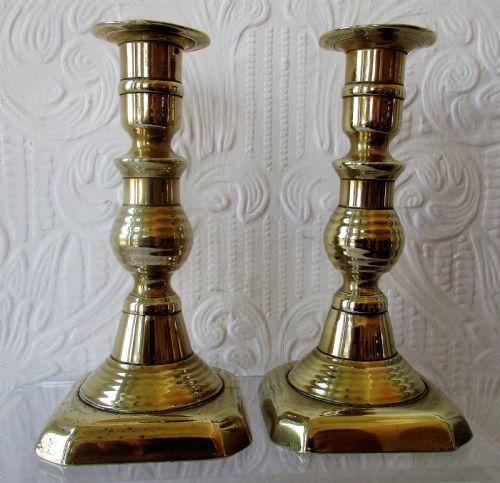
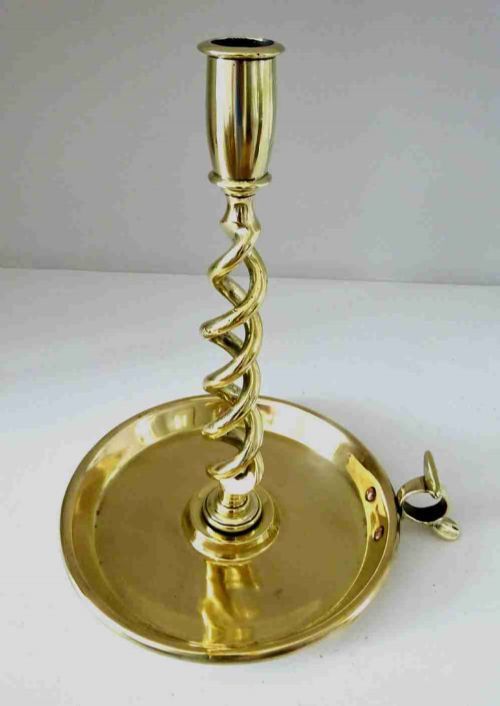
When you search for turned stem candlesticks, you are looking at domestic lighting accessories featuring columns shaped on a lathe. These pieces span several centuries of design, with the Victorian era heavily represented on this page.
The selection includes pairs in brass and mahogany, incorporating styles from seventeenth-century revivals to Georgian and Edwardian designs. Most examples function as traditional candle holders, while some variations appear converted for table lamps.
How They Were Made
Makers shaped these pieces primarily using brass and turned wood, often combining mahogany with brass components in late nineteenth-century examples. Metal elements were cast and subsequently worked on a lathe to create balanced columns.
Woodturners utilised lathes to carve dense timber into shaped stems, incorporating decorative profiles such as twists and teardrop columns. Surface finishing involved polishing the metal or sealing the timber to highlight the grain.
Listings feature items spanning the 18th century, 19th century, and early 20th century, with materials limited to brass, mahogany, and turned wood.
What Varies in Quality
The distinction between standard examples and finer items rests in the crispness of the turning and the substance of the metal or timber. Superior pieces exhibit well-defined profiles on columns like twisted or teardrop stems without softening in the detail.
Proportion and weight also dictate quality, as better examples feature substantial bases that provide proper stability. The integrity of assembly, particularly how columns join to their bases, separates ordinary production from superior work.
The Turned Stem Candlesticks Glossary
- Turned stem
- A column shaped on a lathe by rotating the material against cutting tools. This technique creates symmetrical profiles such as rings, flutes, and spirals.
- Hexagonal
- Having six sides and six angles. This geometric form appears frequently on the bases and sockets of earlier brass examples.
- Baroque revival
- A nineteenth-century style imitating the ornate, dramatic forms of the seventeenth century. Pieces in this taste often display heavy ornamentation and dynamic silhouettes.
- Teardrop column
- A stem design incorporating shaped drops or knops resembling tears. This specific turning adds visual weight and texture to the central shaft.
Turned Stem Candlesticks: Frequently Asked Questions
Are these candlesticks safe for daily use?
These pieces generally serve well for holding standard taper candles during dinners or quiet evenings. Ensure any wax buildup is cleaned gently to protect the historic metal or wood surface.
Place them on stable, level surfaces away from draughts to maintain safety while burning candles. Many buyers also choose to display them purely as decorative objects on mantelpieces and sideboards.
How do I date a brass candlestick?
Dating relies on examining the construction methods, base shapes, and column profiles recorded across different periods. Earlier examples often feature multi-part cast assemblies and hexagonal bases, whereas later Victorian pieces display different casting seams and proportions.
Comparing the style references, such as seventeenth-century revivals or Georgian patterns, helps narrow down the manufacturing window. Consulting the specific period notes in each listing provides further context for the age of the item.
What is the difference between brass and mahogany stems?
Brass stems offer a bright, reflective metallic finish that was dominant throughout the Victorian and Georgian periods. Mahogany stems introduce rich timber grains and warmer tones, frequently paired with brass bases or sconces.
Both materials utilise lathe-turned techniques but create entirely different visual weights within a room scheme. Timber examples bring organic texture, whereas brass pieces catch and reflect candlelight effectively.