

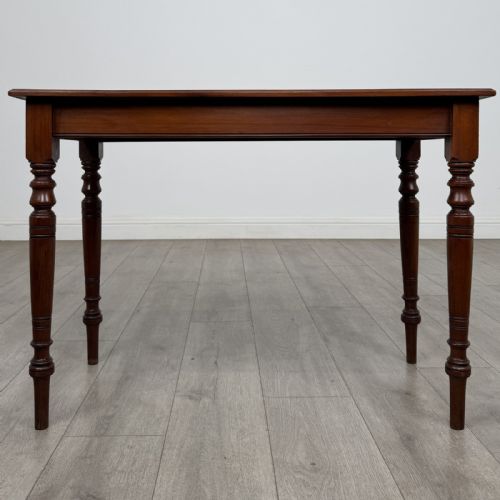
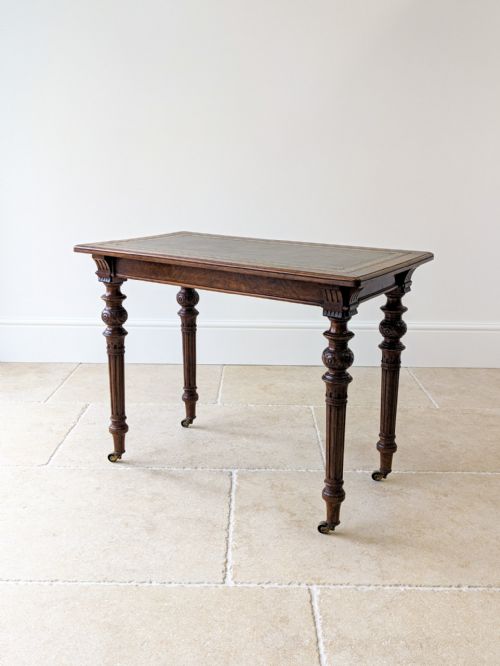
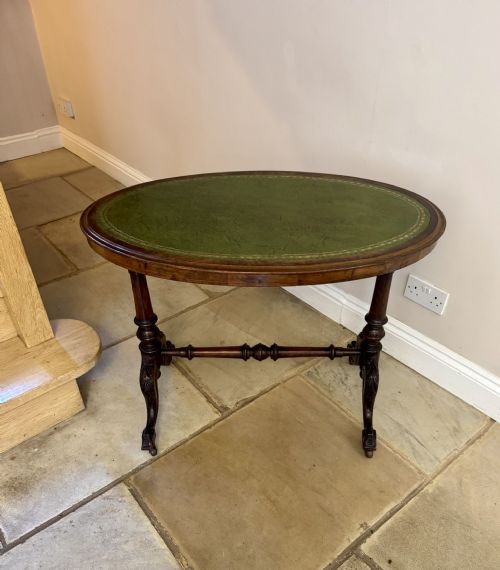

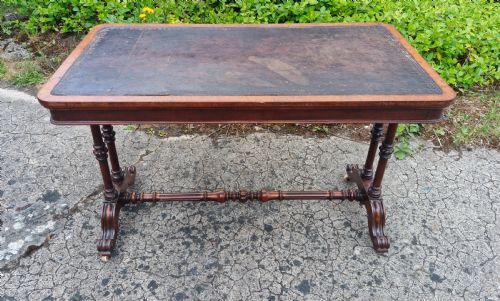
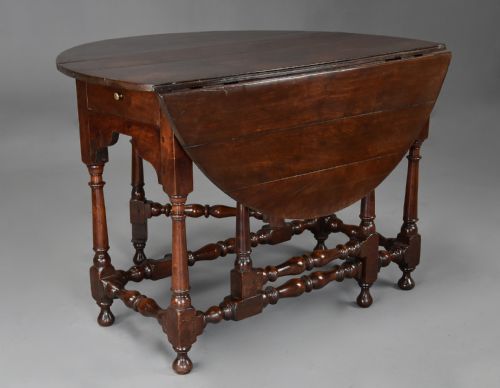
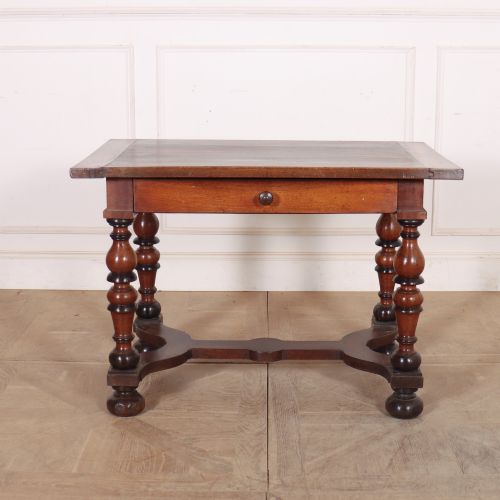




Turned Leg Walnut Desk
A turned leg walnut desk brings rich timber grain and sturdy turned supports to a study.
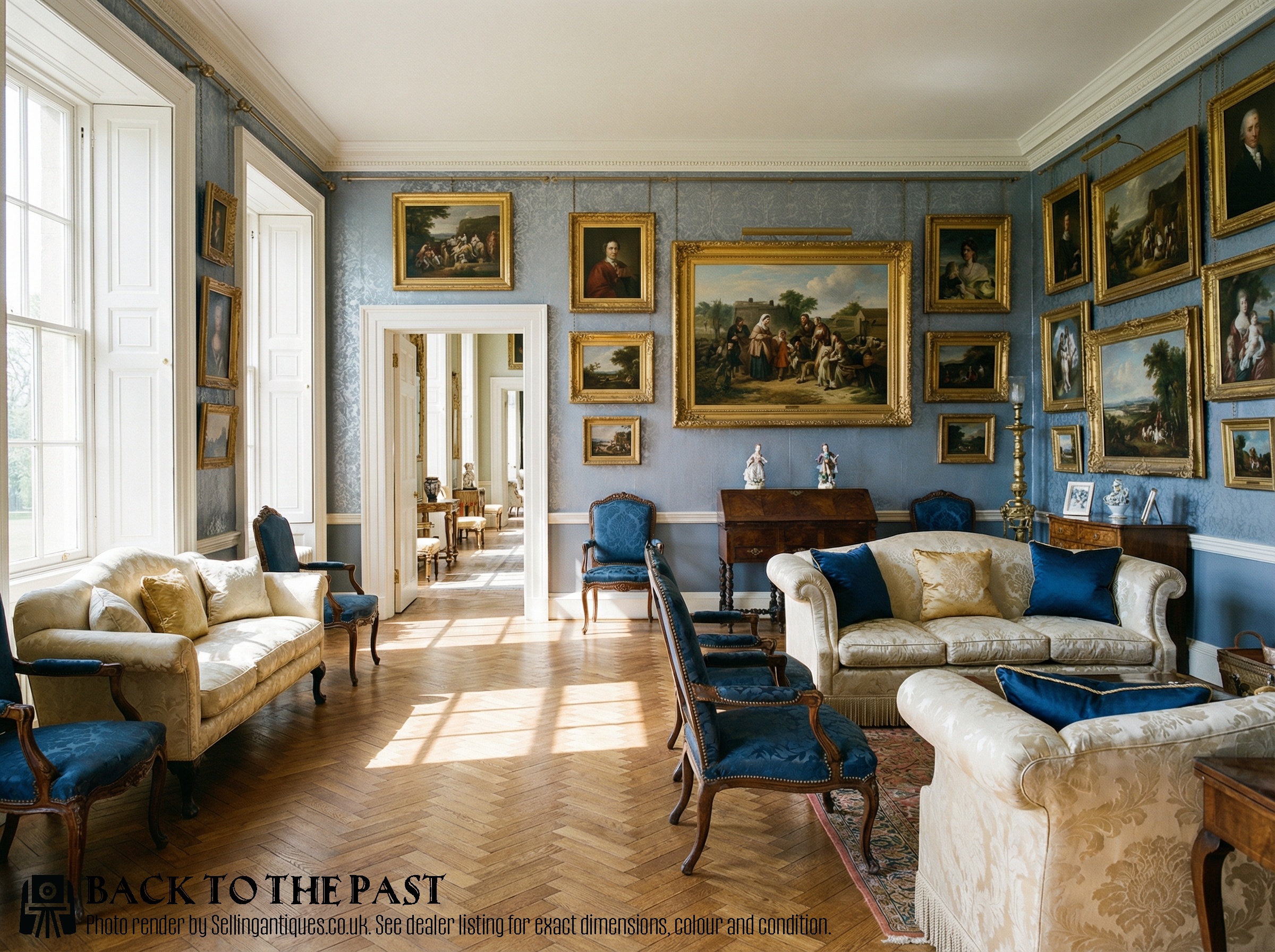
Turned Leg Walnut Desk
When you search for a turned leg walnut desk, you encounter writing tables, library tables, and kneehole desks built across several centuries.
The pieces on this page span the 17th century through the Edwardian period, incorporating Victorian writing tables and Queen Anne style desks.
Walnut dominates the timber selection, frequently paired with inset leather tops, brass hardware, and intricate parquetry or marquetry details.
What varies in quality
The selection of timber grain, particularly the choice between plain walnut and highly figured burr walnut veneer, sets pieces apart.
Execution of turned structural elements and the retention of original leather writing surfaces dictate the standing of an individual table.
Turned Leg Walnut Desk Retail Price Guide 2026
Typical asking prices for turned leg walnut desk among the pieces listed under this phrase on Sellingantiques today, from the lower quarter to the upper quarter. They describe what is for sale here now, not the wider market.
Listings incorporate items from the 17th century, 18th century, Victorian, and Edwardian periods, utilising walnut, burr walnut, and satin walnut.
J. & T. Scott·Heal & Sons
The Turned Leg Walnut Desk Glossary
- Burr walnut
- A figured timber veneer obtained from the knot growths of walnut trees, prized for swirling patterns. Cabinet makers utilised this on prominent drawer fronts and tabletops.
- Kneehole desk
- A writing desk featuring a central recess for the sitter's legs, flanked by pedestals of drawers. This form became popular during the late 17th century.
- Marquetry
- Decorative veneer work forming intricate pictures or geometric patterns using various woods. Craftsmen applied this technique to surface decoration on tables and desks.
- Parquetry
- Geometric mosaic woodwork used for flooring and tabletops. It employs contrasting timber pieces to create repeating patterns.
- Library table
- A large freestanding table designed for central room placement, providing a stable writing surface. These often feature leather insets and substantial turned legs.
Turned Leg Walnut Desk: Frequently Asked Questions
How do I date a walnut desk?
Examine the construction methods, drawer linings, and secondary timbers used beneath the walnut veneers. Hardware styles and leg turning profiles also offer clear indications of the period of manufacture.
Comparing the specific wood grain patterns and finishing techniques helps confirm whether a piece belongs to the 17th century or the later Victorian revival periods.
Are walnut desks suitable for daily use?
Walnut is a durable hardwood that withstands regular writing tasks when treated with appropriate care. Many examples include leather inserts specifically designed to provide a smooth writing surface.
Placing the desk away from direct sunlight and maintaining stable room humidity protects the timber and any delicate veneers from splitting over time.
What is the difference between burr walnut and plain walnut?
Plain walnut displays a straight, uniform grain pattern with warm brown tones. It provides a subdued and traditional appearance suitable for formal or domestic interiors.
Burr walnut comes from tree growths that produce chaotic, swirling grain patterns. Furniture makers reserved this decorative veneer for the most prominent surfaces of high-status desks.
How should I care for a leather writing top?
Tooled leather inserts require occasional treatment with specialised leather dressings to prevent drying and cracking. Avoid using harsh chemical cleaners that can strip the original gilding and colour.
Using a blotter when writing prevents ink stains from penetrating the leather surface and preserves the historical character of the desk.